
'Healing starts with coming together': Papatoetoe holds vigil for children and father
Taelegalolo'u Mary AfemataTue, 06 Oct
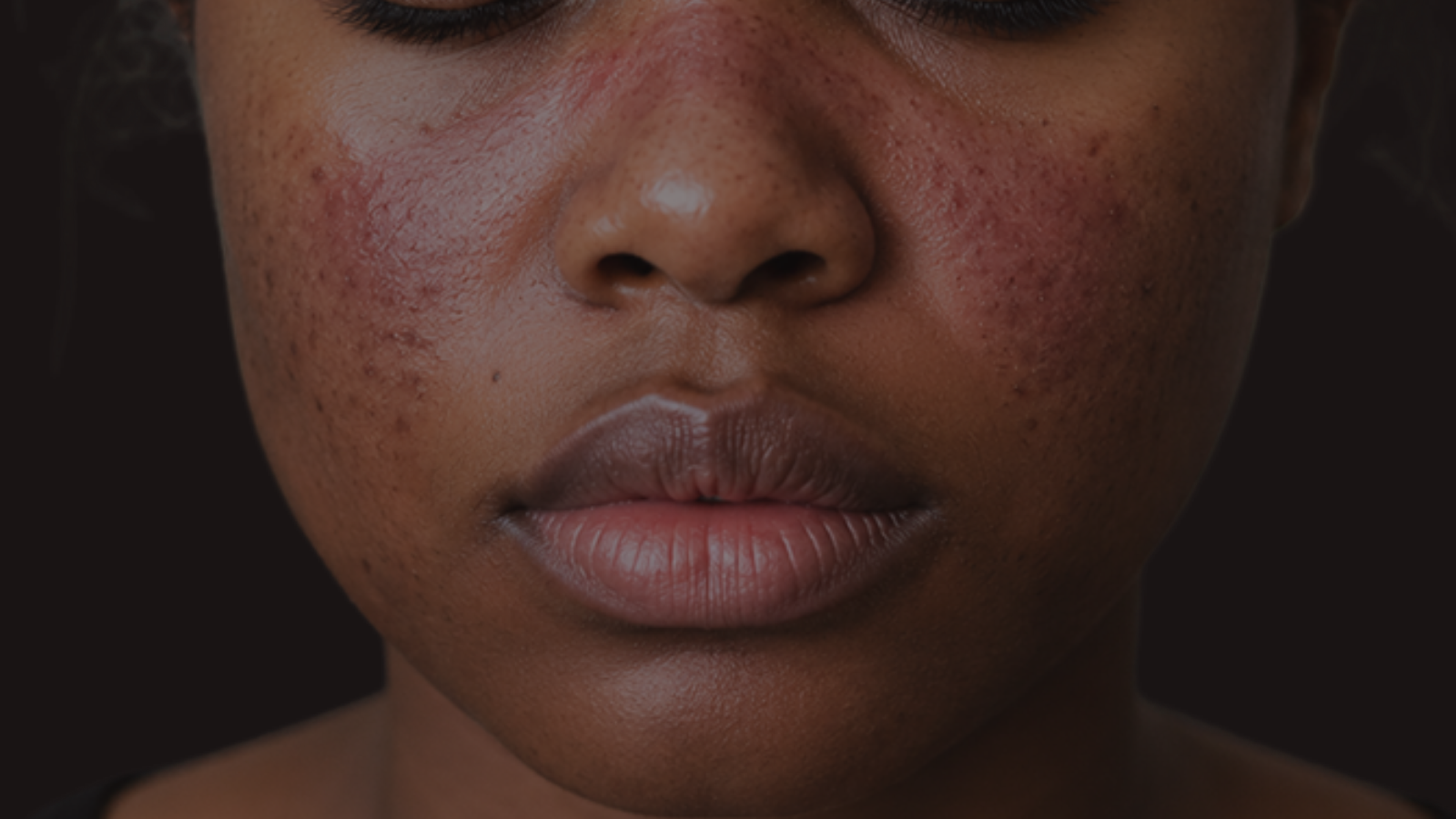
Pacific women living with lupus are pulling back from family, church and community life out of shame, according to new research.
Photo/PMN News/Composite
New research shows Pasifika wāhine have the highest rates of lupus in Aotearoa and warn late diagnosis can lead to serious kidney damage.




Pacific women living with lupus are pulling back from family, church and community life as shame and illness take a toll, a new research has found.
Tuala Dr Aliitasi Su'a-Tavila, Senior Lecturer in Pasifika Health at Victoria University, says interviews with Pacific women in Auckland found many felt isolated after their diagnosis.
"We managed to interview some Pacific women in Auckland and we found out that these women felt really isolated," Su'a-Tavila tells PMN News.
"They felt that they lost their dignity because being diagnosed with lupus means they've been withdrawn from so many responsibilities as mothers, as women, not only within their own family environments but with the community as well."
She says some women have stopped going to church and other community events because they are ashamed of how their health has changed.
"They're very ashamed for people to see that they're no longer themselves," Su'a-Tavila says.

Tuala Dr Ali'itasi Su'a-Tavila, Senior Lecturer in Pasifika Health at Victoria University, says interviews with Pacific women in Auckland found many felt isolated after their diagnosis. Photo/PMN News/Composite
The findings come as new research shows Pacific women have the highest rates of lupus in New Zealand.
Dr Richard Griffiths, Research Manager at Arthritis New Zealand, says lupus is an autoimmune disease where the body's immune system attacks its own tissues and organs including the lungs, kidneys, central nervous system and skin.
Symptoms can include severe tiredness, joint pain, headaches, anaemia, and a butterfly-shaped rash across the cheeks, although Griffiths says not everyone develops the rash.

Lupus Researchers Dr Chunhuan Lao at the University of Waikato and Dr Richard Griffiths, at Arthritis New Zealand. Photo/PMN News/Composite
Pacific women have a lupus rate of 176.2 per 100,000, compared with 48.5 per 100,000 among European and other women, according to research funded by Arthritis New Zealand.
Griffiths says Pacific people have the highest incidence and prevalence of lupus, at more than three times the rate of European and other ethnic groups.
Su'a-Tavila says lupus is still poorly understood and some Pacific people are not diagnosed until their condition is advanced.
"Some of these women didn't realise they already had lupus until very late when they presented themselves to the specialist," she says.
Cost and the sensitivity of health as a subject for Pacific families can also make it harder to seek help.
The impact can be severe.

Dr Samuela Korovou, centre, with students from the University of Fiji Year 3 MBBS. Photo/Facebook/Umanand Prasad School of Medicine and Health Science
A study of adults diagnosed with lupus nephritis, where lupus attacks the kidneys, at Fiji's national referral hospital between 2016 and 2020 found 39 per cent had kidney failure within two years and 39 per cent had died.
The patients had a median age of just 25.7.
Dr Samuela Korovou, Deputy Dean of the Umanand Prasad Medical School at the University of Fiji, says “nearly 40 per cent of these young patients have developed kidney failures” within two years of diagnosis.
Griffiths says Māori, Pacific and male patients are also more likely to develop end-stage kidney disease.
Arthritis New Zealand estimates about 2100 people in Aotearoa have lupus. People with the disease are four times more likely to die than the general population while more than half of Māori and Pacific patients live in the most deprived areas.

Arthritis NZ is reaching out to the Pacific community with information on managing Gout and Arthritis. Photo/Arthritis NZ
Su'a-Tavila says the next step is to work with Pacific communities, cultural leaders, health providers and clinicians.
"We are hoping to develop a culturally appropriate lupus care pathway by co-designing this particular approach."
For families worried someone may have lupus, her advice is clear: "The advice is for them to seek medical advice."
The research follows findings that Pacific women have the highest recorded prevalence of lupus in New Zealand, at 176.2 cases per 100,000 women.