
Seymour targets office karakia as Aupito warns of a ‘culture war’
Thomas Tarurongo WynneFri, 23 Oct
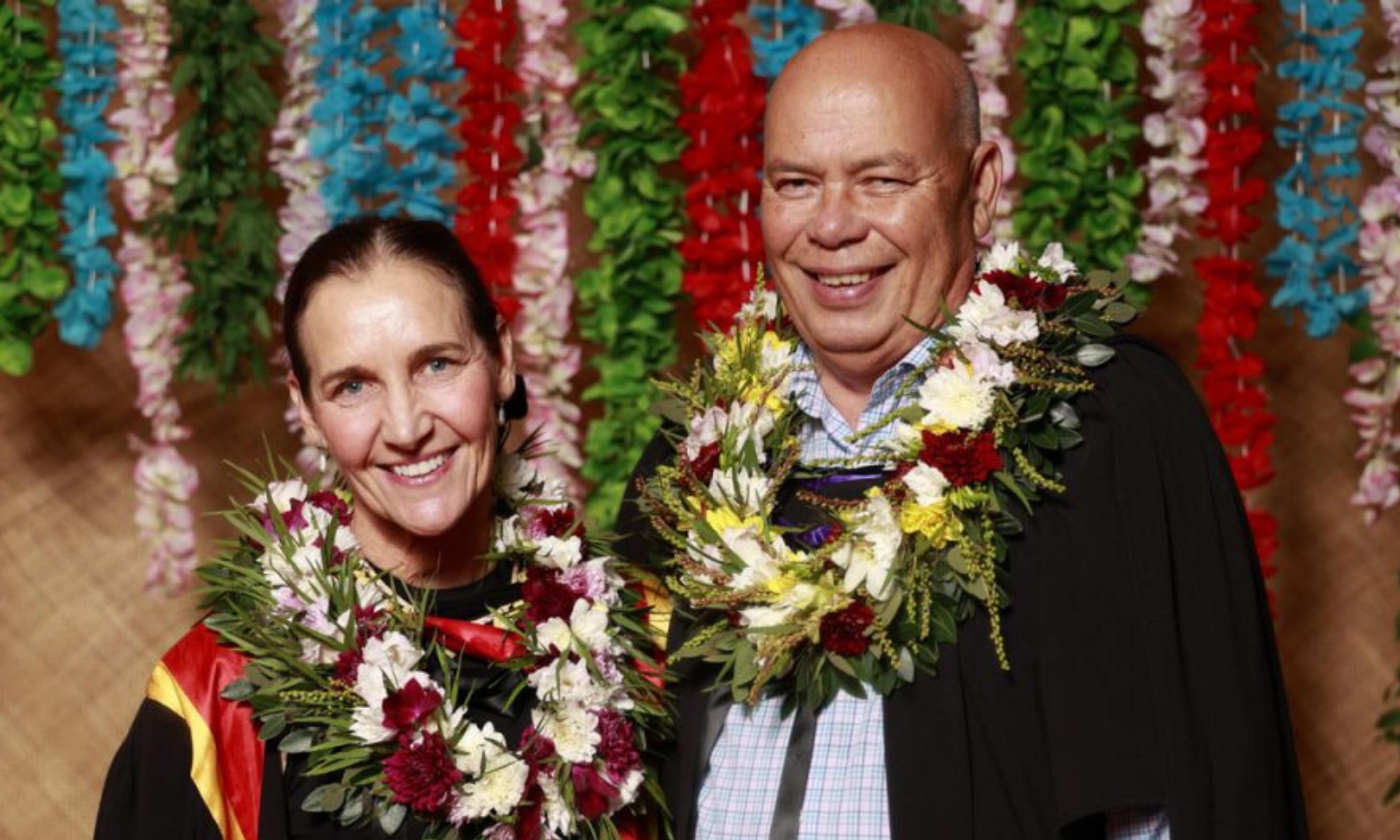
Judith McCool and Sir Collin Tukuitonga at the funding launch to support eliminating cervical cancer in the Pacific region.
Photo/Supplied
A new Pacific-led initiative will improve vaccination, screening and treatment, aiming to stop cervical cancer from taking the lives of women across the region.

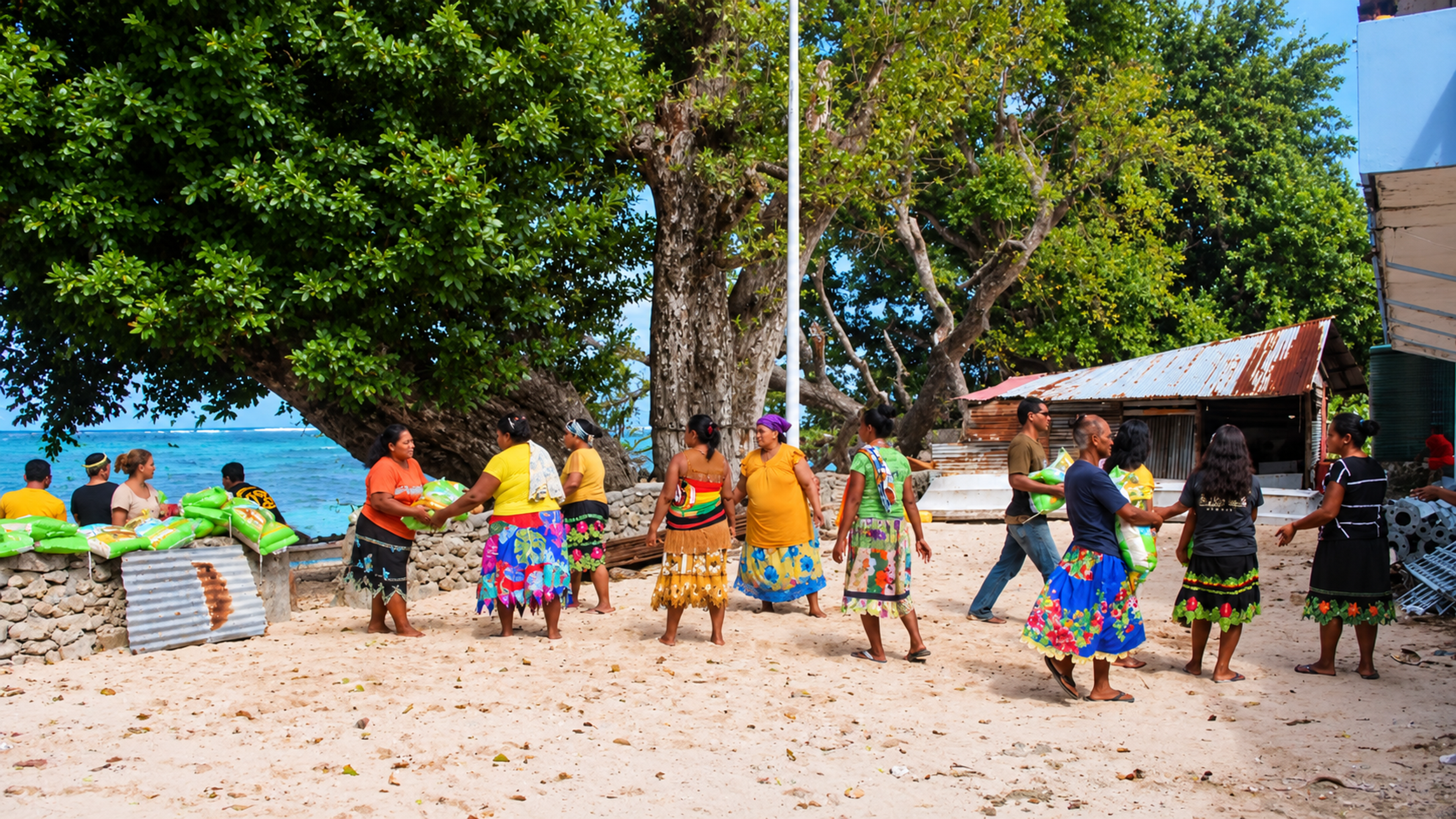

Women in the Pacific are up to nine times more likely to die from cervical cancer than those in Australasia.
It is one of the leading causes of death for Pacific women. Now a new programme, led by Pasifika women for Pacific communities, has received $5.1 million over five years to tackle the disease.
The initiative is run through the University of Auckland’s Centre for Pacific and Global Health and will focus first on the Cook Islands and Niue.
Professor Judith McCool, head of the university’s School of Population Health and co-director of Te Poutoko Ora a Kiwa, says the funding allows system-wide changes ahead of short-term projects.
"This grant allows us to move beyond isolated interventions to a truly collaborative, Pacific-led approach,” she tells Pacific Mornings. “By strengthening leadership, governance, and regional partnerships, we are building the foundations for long-term health equity."
The programme will improve access to HPV vaccination, regular screening, and timely treatment for pre-cancerous lesions and cervical cancer.
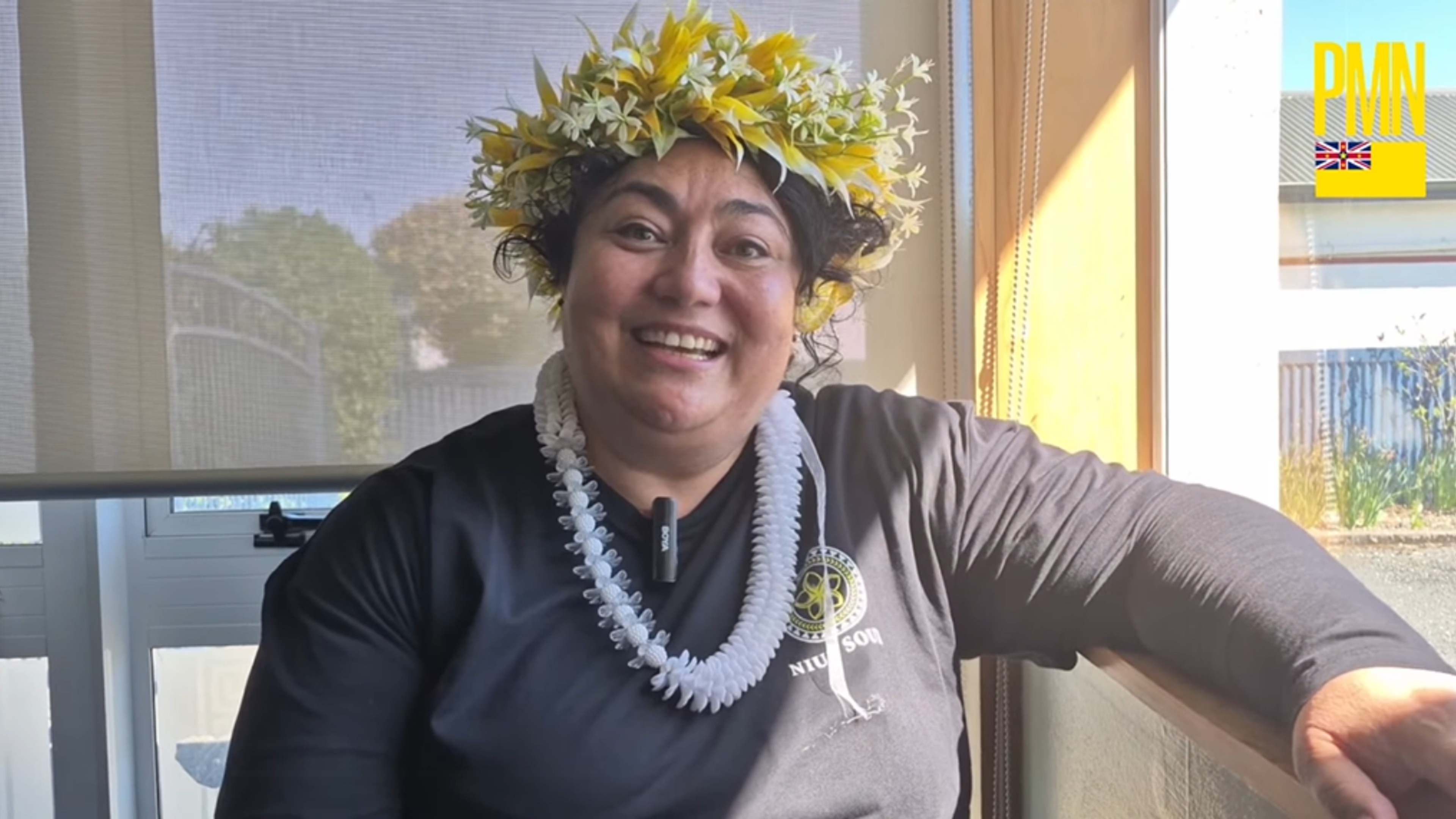
Watch Judith McCool's full interview below.
McCool has worked with Pacific communities since 2008 and emphasises the importance of supporting women who are leading these initiatives.
"The women who are doing that really hard mahi are women who know their populations, they know the families and communities,” she says. “Where we can bring value is making sure they've got the skills and competency to bring the latest evidence to the community."
Professor Sir Collin Tukuitonga, co-director of the university’s Centre for Pacific and Global Health, says the programme will help countries meet the World Health Organization (WHO) targets to eliminate cervical cancer.

Dame Jacinda Ardern in the Cook Islands in 2018. Photo/Cook Islands News
"Cervical cancer is preventable, yet too many Pacific women continue to die from it,” he said in a statement. “This investment allows Pacific countries to work together, sharing expertise, strengthening systems, and supporting women leaders, to achieve elimination."
Cultural barriers can make screening challenging. Dr Litea Meo-Sewabu, an Associate Professor in Social Work at Western Sydney University, says it can feel inappropriate for Pacific women to announce publicly that they are going for screening.
“In Fiji, we have the concept of sole solevaki, making mats together for the collective good,” she said in an earlier interview. “When screenings are organised through churches or community networks, women feel supported.”
Globally, cervical cancer is the fourth most common cancer and the fourth leading cause of cancer deaths. In the Western Pacific in 2020, about 145,700 women were diagnosed and roughly 75,000 died.
McCool adds that the programme focuses on prevention as the most effective tool.
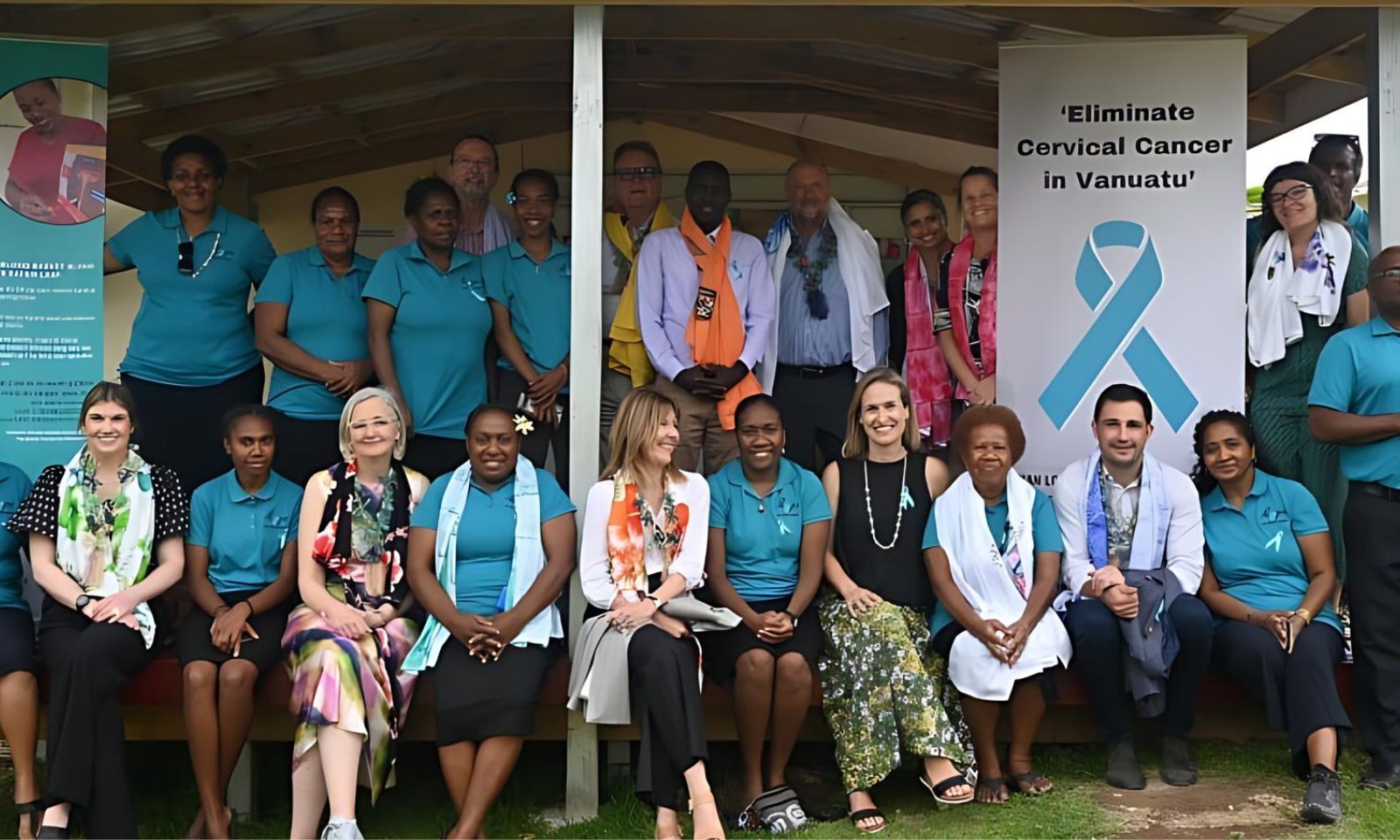
A health initiative to improve cervical cancer outcomes in Vanuatu, 2024. Photo/File
"It's one of the very few cancers you can prevent,” she says. “So have your HPV vaccine. Take advantage of the screening… Timely diagnosis and getting your result promptly makes a difference."
The initiative supports the WHO Global Strategy to Eliminate Cervical Cancer, aiming to vaccinate 90 per cent of girls by age 15, screen 70 per cent of women at ages 35 and 45, and ensure 90 per cent of women with pre-cancerous or invasive cervical lesions receive treatment.
For Pacific women and their communities, this programme represents a real chance to reduce deaths and strengthen health systems with local leadership and culturally safe approaches.