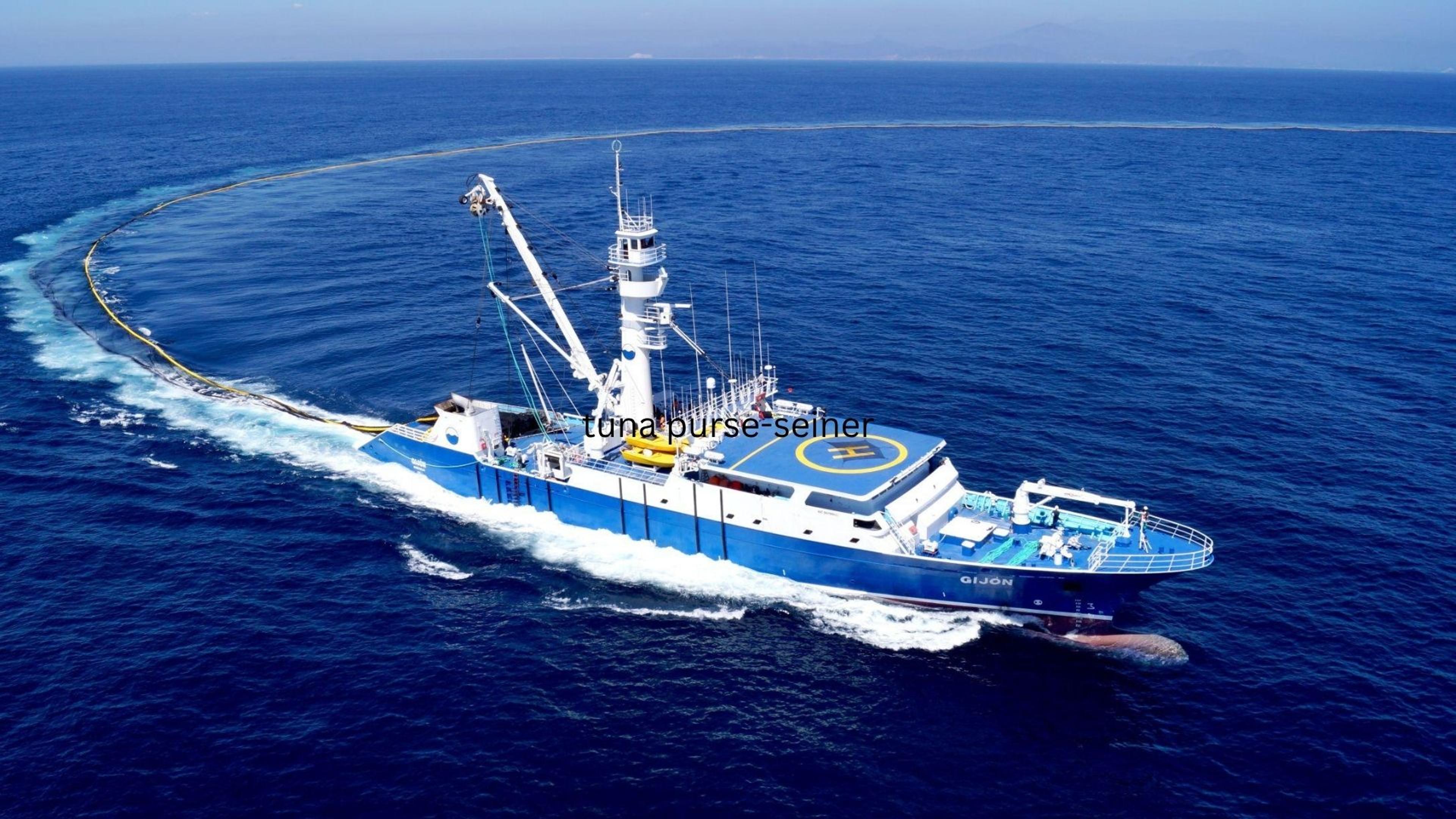
Cocaine traffickers exploit Pacific tuna routes as drug seizures mount, report reveals
Christine RovoiWed, 14 Oct
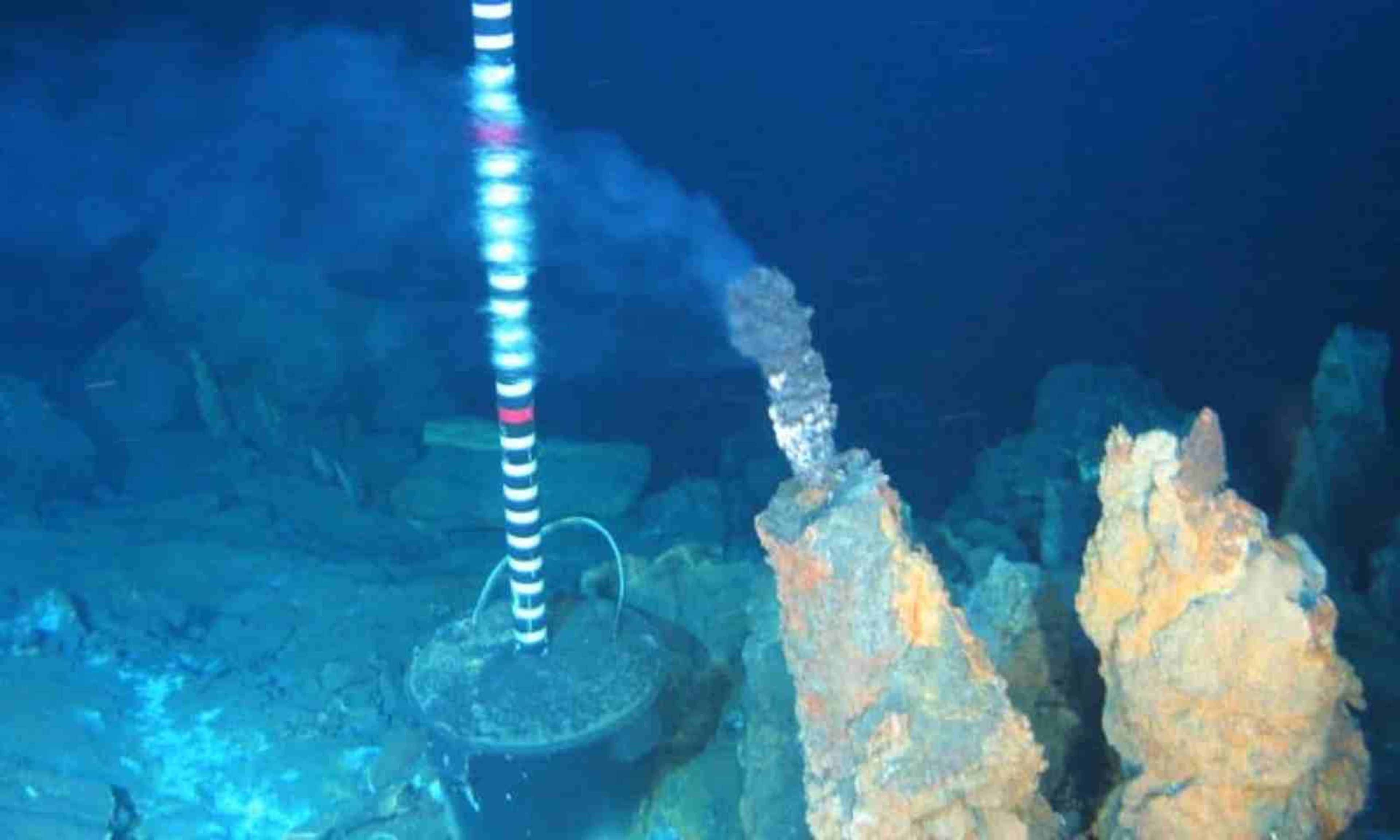
Scientists warn that deep sea mining machines will be "catastrophically destructive", creating noise and sediment clouds that could suffocate ecosystems that have remained stable for billions of years.
Photo/SPREP
A major review of 50 years of data warns that a Pacific "gold rush" for deep sea minerals will cause "dire and long-lasting" damage to the Moana's last great wilderness.




A landmark review of 50 years of data has delivered a chilling verdict on deep sea mining: the impact on Pacific ecosystems will be "dire and long-lasting," potentially wiping out undiscovered species before they are even named.
The study, published in Current Biology, comes as the Pacific remains the global "ground zero" for the proposed industry.
While companies and some regional governments argue that mining polymetallic nodules is essential for the world’s green energy transition, scientists and Indigenous leaders warn the cost to the Moana is too high.
Associate Professor Kat Bolstad of Auckland University of Technology (AUT) says we are drastically underestimating the life that exists in the dark.
"The deep sea is full of life," Bolstad said in a statement.
"Many of these lives are conducted across time scales that we have trouble imagining, some microbes may divide only once every thousand years.
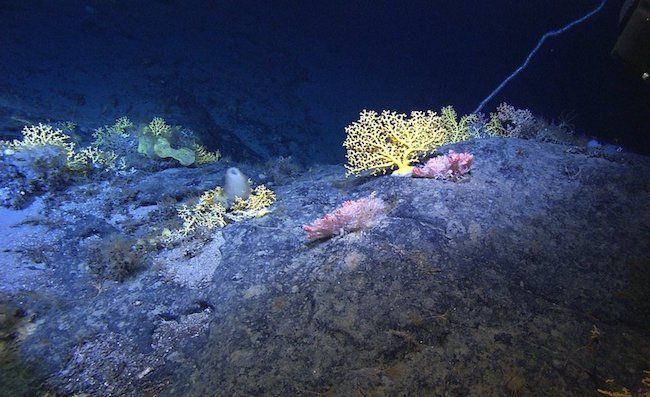
The deep sea is home to ancient life forms that live for centuries. New research highlights that we still have far too little understanding of these "Blue Pacific" habitats to risk their permanent destruction. Photo/mining.com
"Some fish live for centuries," she said.
Bolstad warns that the arrival of mining machines would be "catastrophically destructive," creating noise, vibrations, and sediment clouds that the stable deep-sea environment is not evolved to handle.
Recent discoveries have even found that the very nodules being targeted are actually producing oxygen, a "dark oxygen" phenomenon that could be supporting the entire ecosystem.
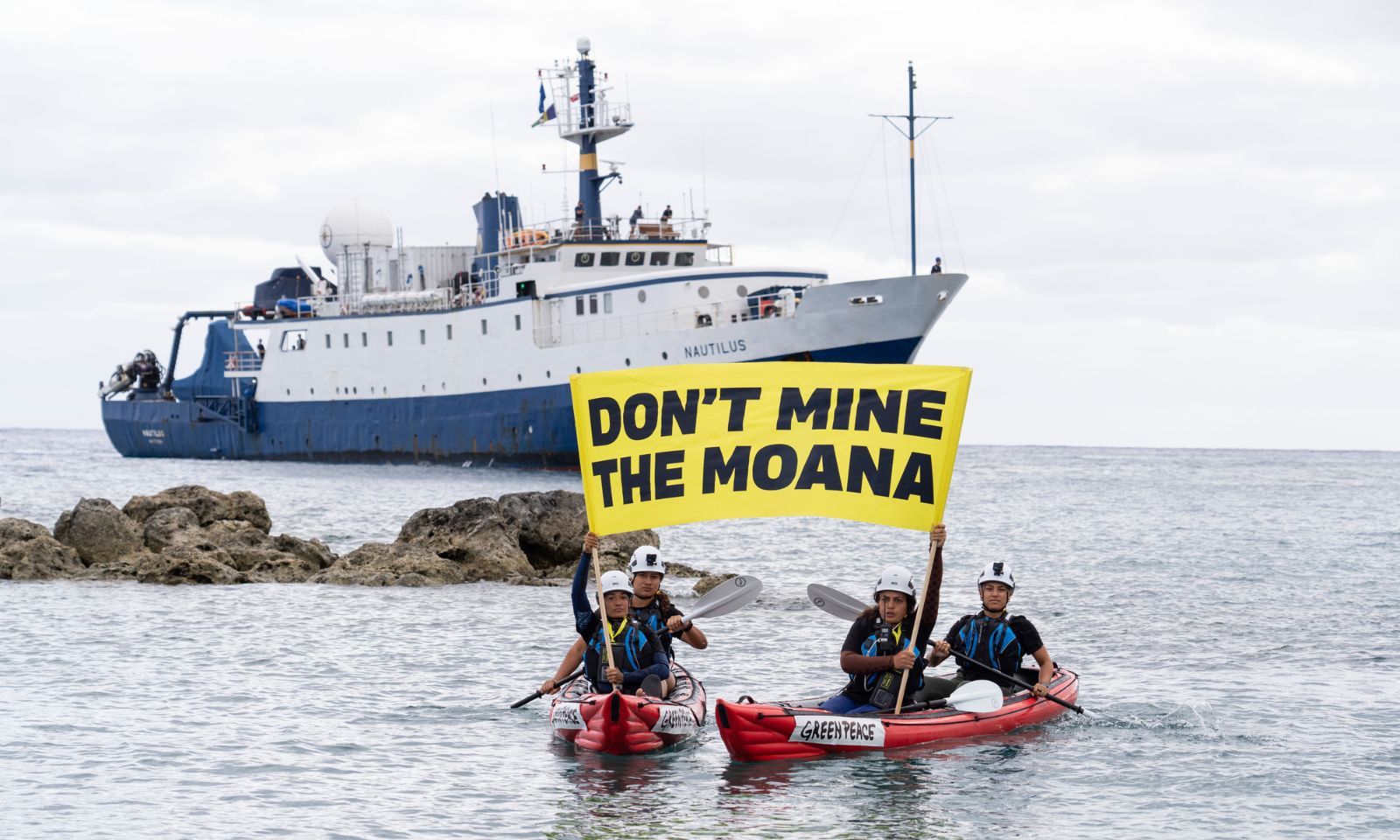
While some nations look to mining for economic growth, a powerful coalition of Pacific leaders and Indigenous groups is calling for an outright ban to protect future generations. Photo/Greenpeace
The "Blue Pacific" is currently split on how to move forward.
The Cook Islands recently established a strategic framework with the United States to explore mineral supply chains. This has positioned Rarotonga as a "world leader" in the sector.
Meanwhile, Nauru continues to push the International Seabed Authority (ISA) to finalise a "Mining Code" so commercial work can begin.
But the resistance is growing. A coalition of Pacific nations including Fiji, Palau, Sāmoa, and Vanuatu are calling for a total ban or a moratorium.
"Our waters are our way of life," Guam Senator Therese Terlaje and a leading voice in the regional movement against DSM, has told media.
"A disregard of our voices and input shows a great disrespect to the people of Guam as stewards of the land and sea."
Professor Jonathan Gardner of Victoria University in Wellington says the Glover study provides a powerful legal tool for Pacific governments.
If certain deep sea areas are classified as "Ecologically Significant" under international agreements, mining would be legally "incompatible" with global biodiversity goals.
Gardner says while mining hasn't started yet, the pressure is mounting.
"Deep sea mining may seem like a distant activity but it should be a matter of interest and concern for everyone in New Zealand... it should be a defining issue."
As the International Seabed Authority meets in Jamaica this July, the Pacific faces a choice: lead the world in a new resource frontier or lead the world in protecting the last great wilderness on Earth.