
Auckland teen turns a trip to Fiji into a mission to fight period poverty
Elenoa TuragaiviuThu, 15 Oct

Rachel Afeaki-Taumoepeau with her father, Patrick Afeaki, know the impact of bowel cancer and early-detection.
Photo/Supplied
Rachel Afeaki-Taumoepeau shares her family’s painful journey to explain why lowering the testing age to 56 leaves too many Pacific people behind.


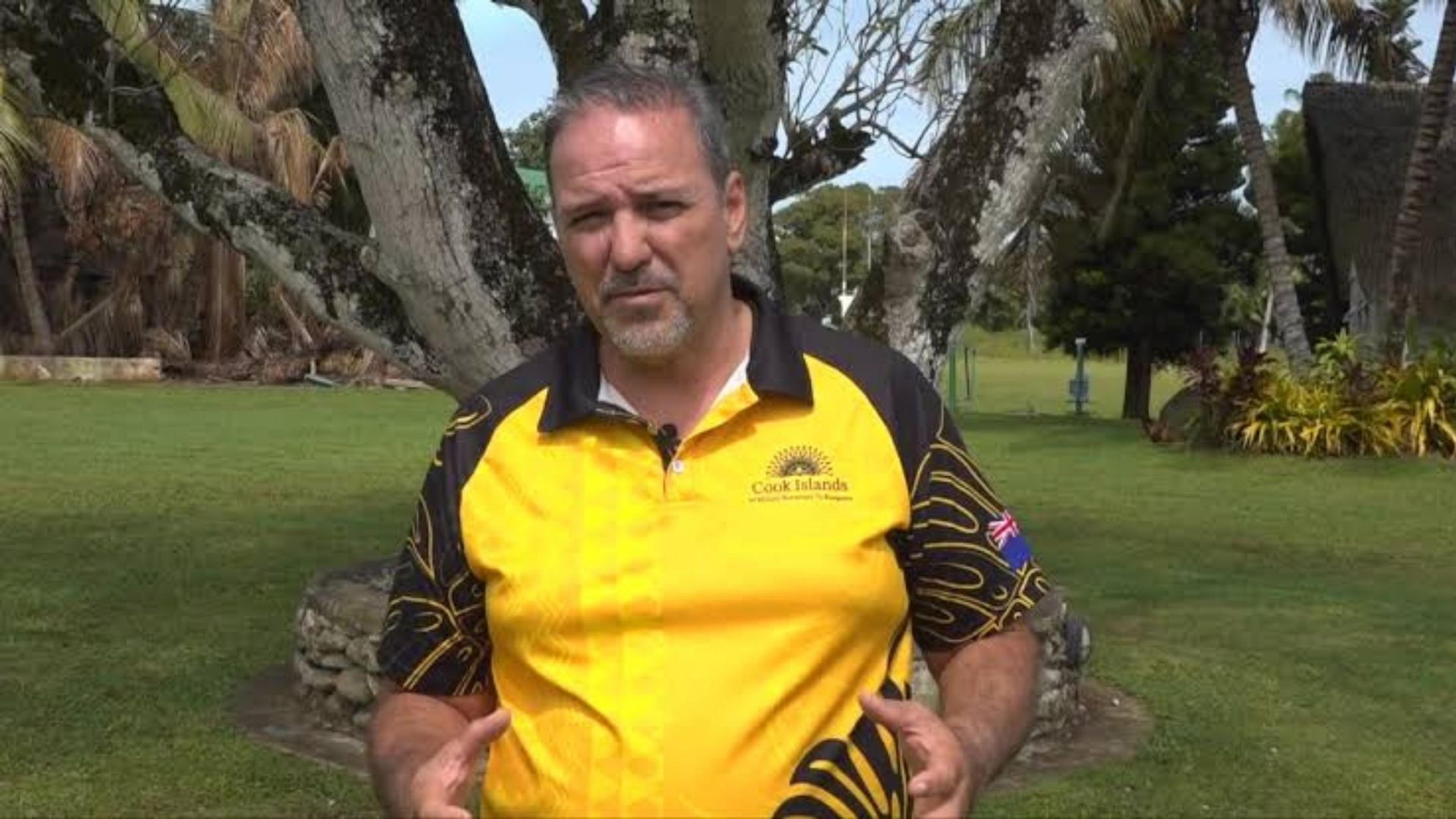
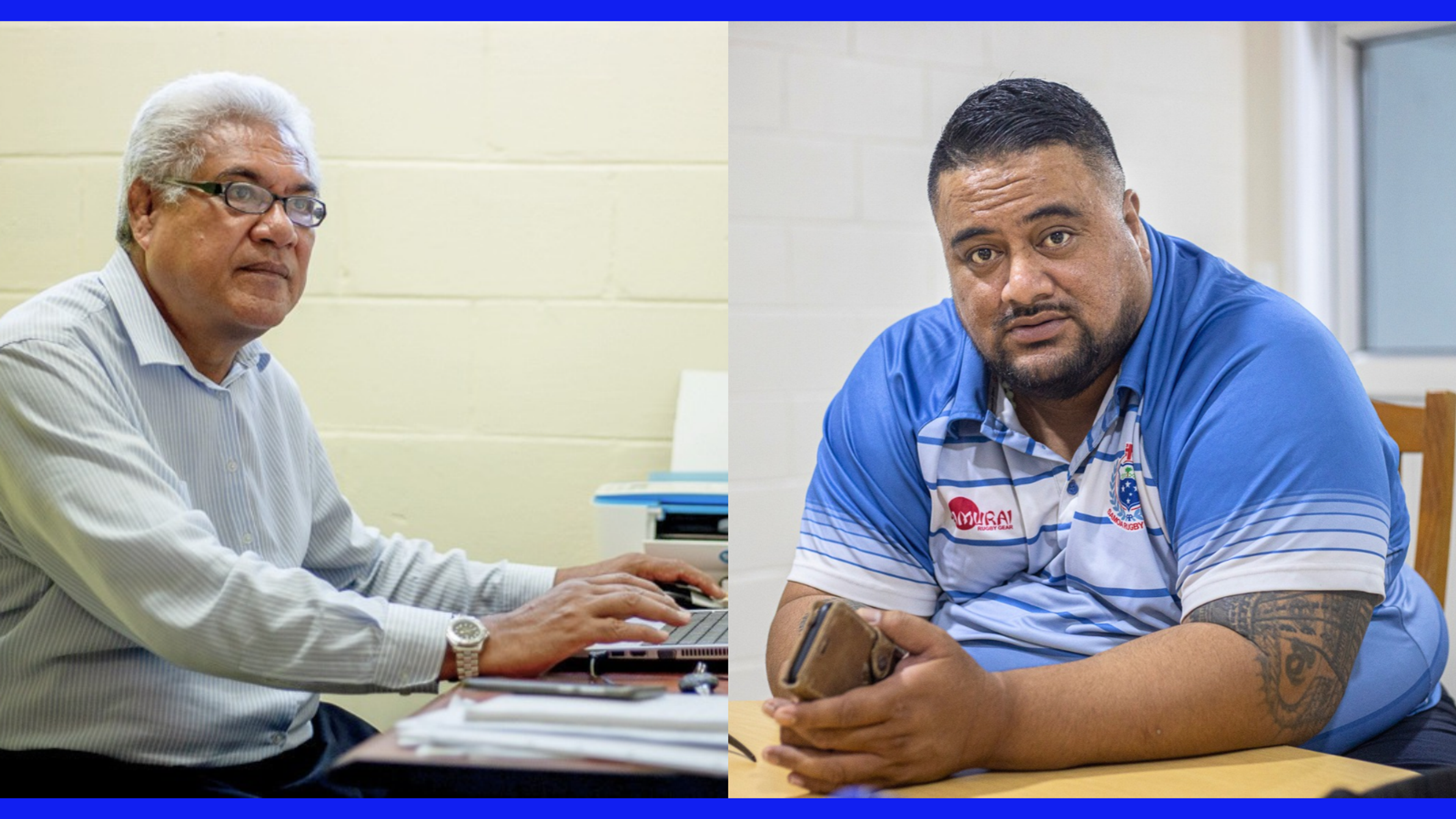
A Pacific health advocate is warning that dropping the bowel cancer screening age to 56 does not go far enough to save Pacific and Māori lives.
Instead, Rachel Afeaki-Taumoepeau is calling for free testing to start at 35. She knows first-hand what is at stake.
The Bowel Cancer New Zealand board member lost her mother, Edith-Mary Afeaki, to stage-four bowel cancer just six months after diagnosis in 2013.
Five years later, her father, Patrick Loloma Afeaki, survived a stage-three diagnosis thanks to early action and a colonoscopy.
That stark difference is why Afeaki-Taumoepeau says Pacific and Māori families need earlier access and stronger support right now.
Lowering the screening age from 58 to 56 took effect on 30 September across eight Health NZ districts, including Auckland and Counties Manukau, with full nationwide rollout planned for next year.
Health Minister Simeon Brown says the shift will give more than 200,000 additional New Zealanders access to testing, potentially preventing 638 bowel cancers over 25 years.
Watch Rachel Afeaki-Taumoepeau's full interview below.
For Bowel Cancer New Zealand, however, the target remains too high. In April, the organisation proposed lowering the screening age to 45 - matching Australia - and dropping it to 35 for Māori and Pacific people.
“We want to see more families have the opportunity to find out bowel cancer earlier than later and not experience what my family had experienced,” Afeaki-Taumoepeau told William Terite on Pacific Mornings.
Getting eligible Pacific people to take the test is another critical hurdle. Dr Viliami Puloka, University of Otago research fellow, estimates that Tongan participation sits at just 35 per cent, well behind the national rate of 58 per cent.
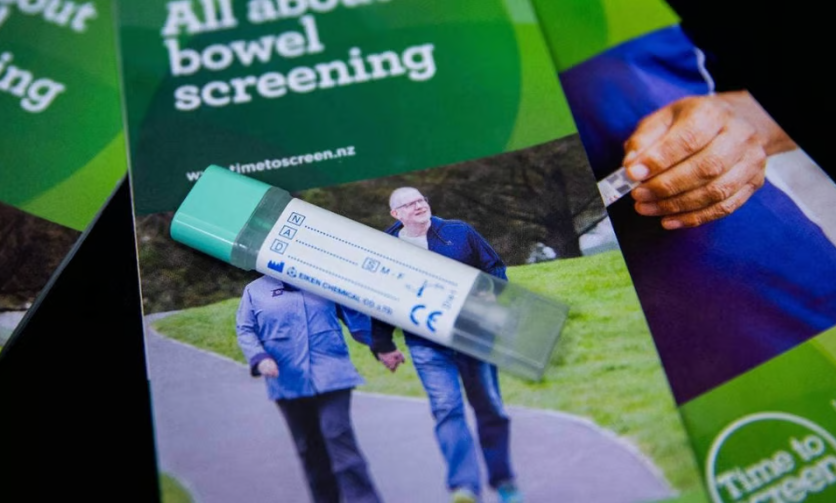
Home screening kits will now be mailed to people from the age of 56. Photo/Bowel Cancer NZ
He previously told PMN that changing age rules will not bridge the gap unless services respect Pacific realities.
“Services are good and available, but they’re not accessible. People need to feel valued - that their faith, culture and perspective are recognised.”
Cultural barriers and deep-seated taboos around bowel health often keep older Pacific community members from talking about symptoms or questioning medical authority.
“Like many of our parents and our grandparents, they're very shy to do so,” Afeaki-Taumoepeau says.
To make sure nothing gets missed, she now goes along to medical appointments with her 74-year-old father to advocate directly for his care.
Health advocates say speaking about certain health topics can be taboo in some cultures, but respectful conversations are important. Photo/Unsplash
Looking back at her mother’s illness, Afeaki-Taumoepeau recalls how warning signs like stomach pains, weight loss, and a loss of appetite were initially put down to getting older.
“There were warning signs,” she tells Pacific Mornings. “And who's to say that if someone had actually suggested that she have a colonoscopy … things might have been different.”
Health NZ has developed a Pacific Bowel Screening Action Plan 2026–2028, with a pilot launching in Counties Manukau to test community-led ways to increase participation.
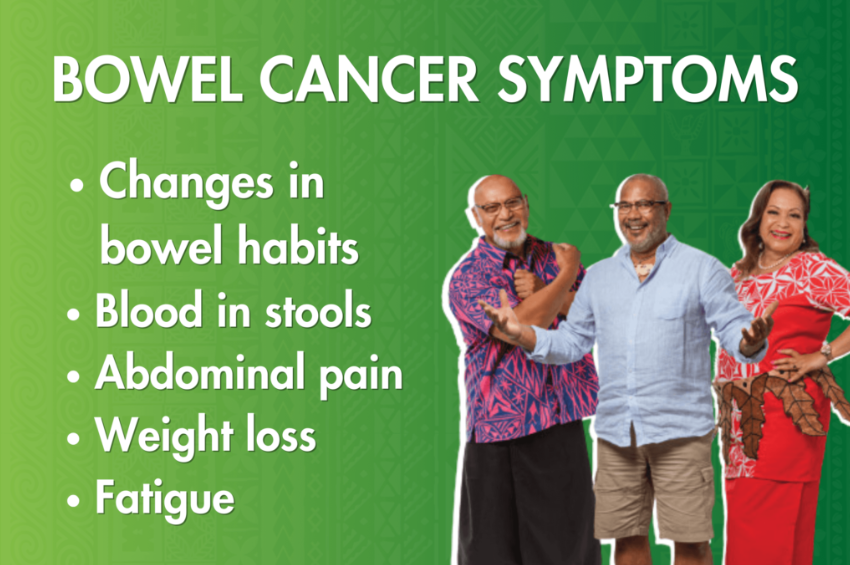
Families are being urged to recognise the symptoms of bowel cancer. Photo/Bowel Cancer NZ
In the meantime, Afeaki-Taumoepeau is urging Pacific families to break the silence at home, learn the warning signs, and walk alongside loved ones at the doctor’s office.
“You're never too young,” she says.
Health officials emphasise that the free national screening programme is meant for people without symptoms.
Anyone noticing changes in their bowel habits, persistent stomach pain, or unexplained weight loss, should see a doctor straight away rather than wait for screening.