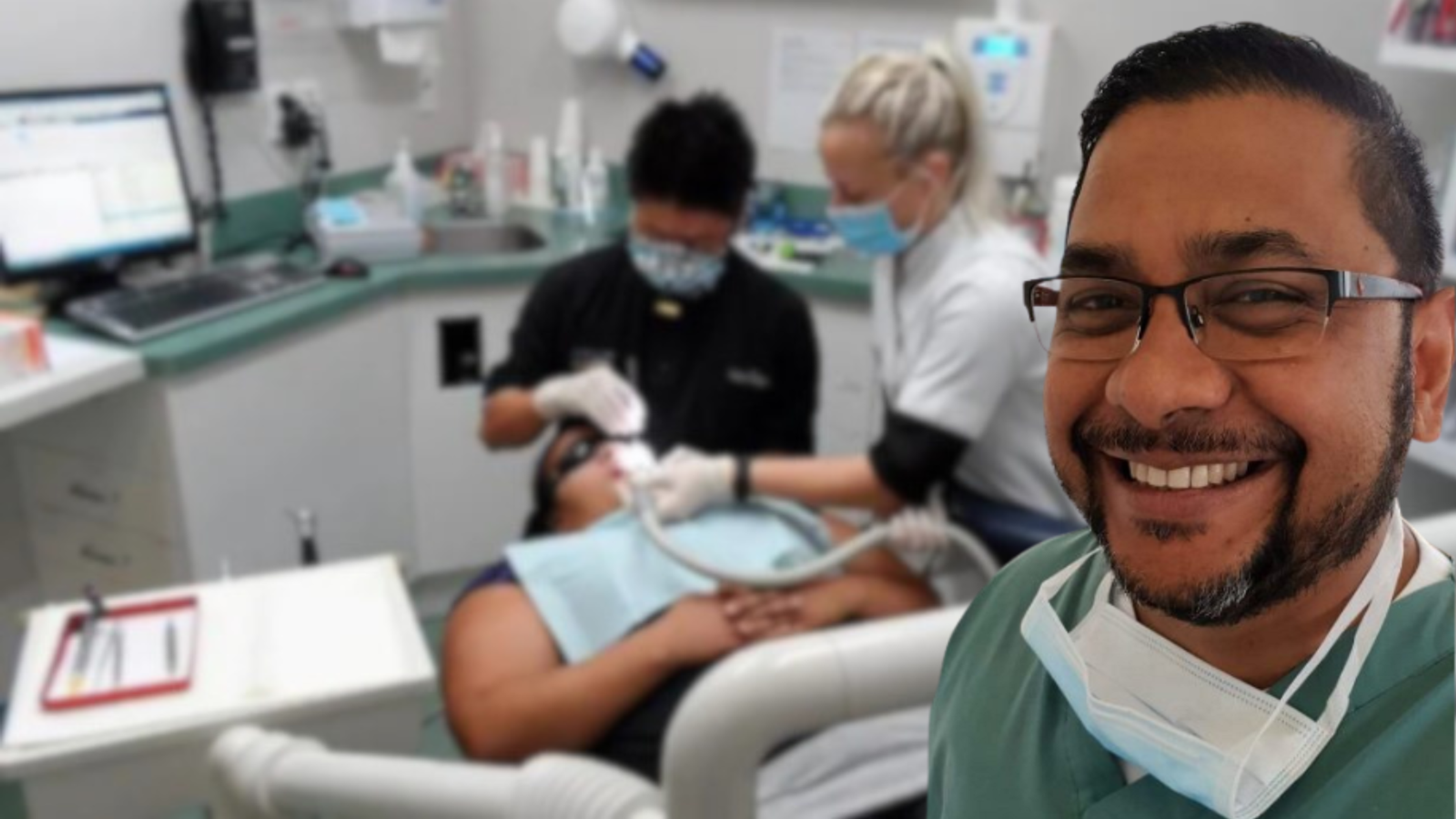
Dr Abdul Aziz is the Vice President of the Pasifika Dental Association.
Photo/Composite/File/Supplied
Health
Pacific families face extra barriers as disabled Kiwis lose teeth at alarming rates
A Pacific dentist says cost, low awareness and workforce shortages are leaving some disabled people in severe pain, as new data reveals worsening oral health inequities.

Khalia Strong
Published
26 June 2026, 1:05pm
Share
Copy Link
Top stories
Fiji's army chief warns the gun must never overrule the ballot
Christine RovoiMon, 12 Oct

A Pacific child who is non - verbal, communicating distress only through behaviour, was living with two badly abscessed teeth, but could not tell anyone how much pain they were in.
“The only way he can speak is to get angry to show he’s in pain,” Dr Abdul Aziz tells William Terite on Pacific Mornings.
The child’s parents were struggling to afford treatment.
“If it isn’t for these parents who push to have things done, these kids will just suffer.”
Aziz, the Vice President of the Pasifika Dental Association, says stories like this are far too common in Pacific communities.
“It’s actually not alarming at all. It’s something that is known to us. It’s something that we see every day.”
Watch Dr Abdul Aziz's full interview below.
Tilomai Solia, Service Manager at CCS Disability Action, says Pasifika families with disabilities face multiple barriers to dental care, with cost among the biggest challenges.
“Access can also be affected by mobility challenges, communication needs, sensory sensitivities, anxiety, and a shortage of disability-responsive services,” Solia says in a statement.
Solia says losing teeth because of financial hardship, disability-related barriers, or a lack of culturally responsive care is an equity issue alongside competing priorities.
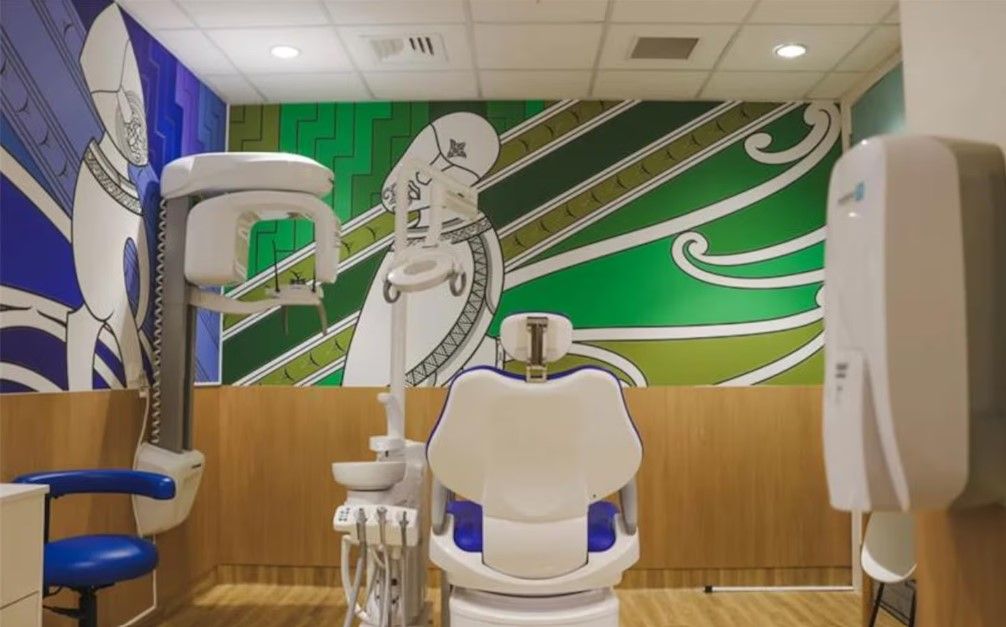
Auckland City Mission opened the doors of its new onsite dental clinic in July 2025, delivering free dental care. Photo/Auckland City Mission
“Many families are navigating housing, food costs, transport, caring responsibilities, and supporting extended aiga, which can mean oral health is often addressed only when a problem becomes urgent,” Solia says.
“It disproportionately impacts some of our most vulnerable Pasifika families.”
This comes as New Zealand Health Survey 2024/25 data, published by Whaikaha, the Ministry of Disabled People, shows disabled adults are 1.9 times more likely to have all their teeth removed compared with non-disabled people.
Nearly two-thirds of disabled adults need teeth removed because of decay.
Dr Robin Whyman, the New Zealand Dental Association Director of Dental Policy, says the figures are alarming.
“Tooth loss at this scale is preventable, and it’s happening because people can’t access or afford care. That’s a system failure, not a personal one,” he says in a statement.
New data shows adults are nearly twice as likely to lose all their teeth compared to non-disabled New Zealanders. Photo/File
Aziz, who has worked in dentistry for nearly 35 years, says prevention is critical and Pacific families face several barriers to care, including cost, low awareness of available services and a shortage of Pacific dental professionals.
Pacific people make up nearly 9 per cent of New Zealand’s population, but remain significantly underrepresented across the health workforce.
There are around 3000 Pacific nurses nationwide and about 500 Pacific doctors, but only 49 Pacific dentists.
Aziz says that lack of representation can make it harder for Pacific families to engage with the health system.
He says many Pacific families are also unaware that free dental care is available for children under 18 through the school dental service.
Health Survey figures from last month show 56 per cent of Pacific adults report unmet oral healthcare needs because of cost, compared with 43 per cent overall.
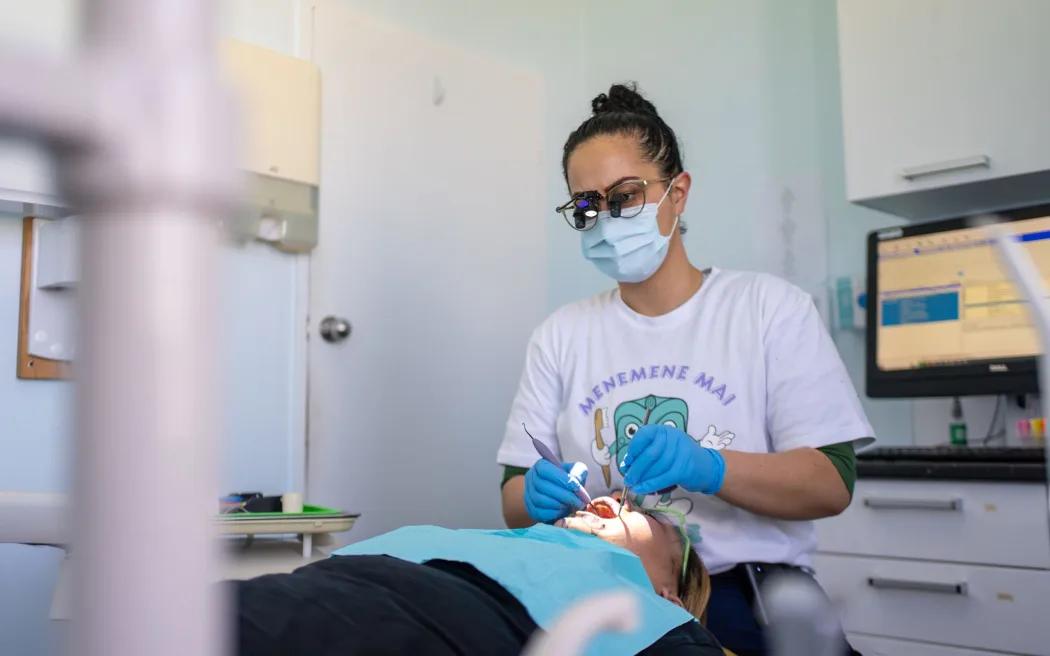
Stevie-Nyx Ruki works on a patient at Cliff Dental in Castlecliff, Whanganui. Photo/LDR
The cost pressures are not new.
Last month, Pacific dental leader Dr Tule Misa warned many families were delaying treatment because rent, food and power bills were taking priority over dental care.
The debate comes as a recent Dental for All proposal estimated publicly funded adult dental care would cost $936 million a year.
Aziz is calling for greater investment in prevention, targeted support for high-needs communities and more Pacific representation in the dental workforce.
“We need some of our own community people to help guide them so they feel more comfortable seeing their own people.”
Health leaders say improving outcomes for disabled and Pacific communities will require long-term investment in culturally responsive care, trust and early intervention.