
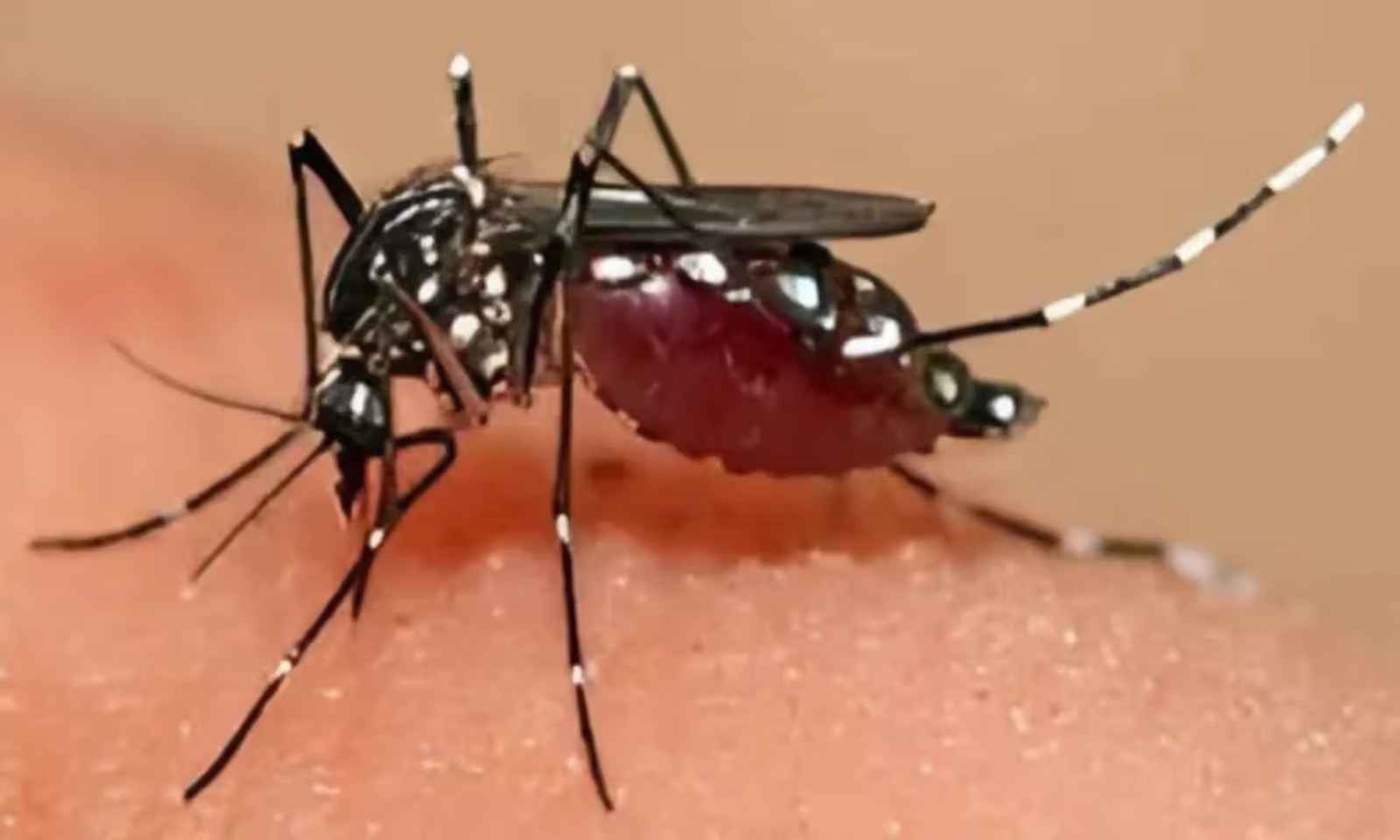
The Aedes mosquito, which spreads dengue fever, is driving outbreaks across several Pacific Island nations.
Photo/Wikimedia Commons/Muhammad Mahdi Karim
Health
Pacific dengue surge: Travellers urged over protection as regional outbreaks increase
With some Pacific nations reporting thousands of cases, New Zealand health officials are urging travellers to take mosquito bite prevention seriously to reduce dengue infections recorded upon return.

PMN News
Published
30 January 2026, 6:21pm
Share
Copy Link
Top stories

Tofiga Fepulea’i brings the laughs while taking top honours at Arts Pasifika Awards
Aui'a Vaimaila Leatinu'uFri, 23 Oct


‘It kind of breaks my heart’: Kiwis run riot after Cook Islands’ brave start
Latonya LoleSun, 25 Oct
Top stories
Tofiga Fepulea’i brings the laughs while taking top honours at Arts Pasifika Awards
Aui'a Vaimaila Leatinu'uFri, 23 Oct
‘It kind of breaks my heart’: Kiwis run riot after Cook Islands’ brave start
Latonya LoleSun, 25 Oct
New Zealand’s health authorities are warning travellers to and from Pacific Island nations to be on high alert for dengue fever as outbreaks intensify across the region and more people return home with the disease.
American Sāmoa, the Cook Islands, Kiribati, Nauru, Sāmoa, and Tuvalu are experiencing dengue outbreaks this year, prompting concern among public health officials.
In Sāmoa, the Ministry of Health recorded more than 14,400 clinically diagnosed cases of dengue in 2025, including several fatalities, with serotypes DENV-1 and DENV-2 circulating widely.
In Nauru, authorities reported over 220 confirmed cases, with children among those infected and at least two dengue-related deaths.
The Cook Islands recorded more than 170 dengue cases on Rarotonga early last year during its outbreak, health data shows.
American Sāmoa has grappled with its own outbreak, with hundreds of lab-confirmed cases and a public health emergency declared last July.
Health officials are urging Pacific travellers to take extra precautions as dengue outbreaks continue across the region. Photo/RNZ
Dr Matt Reid, Public Health Medicine Specialist at the National Public Health Service, says the increase in Pacific outbreaks has led to a rise in dengue cases reported in Aotearoa.
To date, 86 people in New Zealand have contracted dengue, with 75 linked to travel to the Cook Islands.
“Dengue is spread by infected mosquitoes in areas where the virus is present. You cannot get it from another person,” Reid says. “That’s why people travelling to affected Pacific countries need to take precautions to avoid mosquito bites and follow local public health advice.”

Simple measures such as cleaning outside your home, or using mosquito nets, repellents, and protective clothing can significantly reduce the risk of dengue infection. Photo/Facebook/Sāmoa government
New Zealand does not have mosquito species capable of transmitting dengue, and there is no dengue vaccine available here, leaving travellers to rely on preventive measures.
Health officials highlight that people aged over 60 and children 10 and under are at greater risk of severe illness if infected.
Travellers are advised to protect themselves by:
Staying or sleeping in well-screened locations or under mosquito nets
Keeping screens closed on doors and windows indoors
Wearing light-coloured protective clothing such as hats, long sleeves and trousers when outdoors
Using mosquito repellent with 20-50 per cent DEET for adults and 20-30 per cent for children over two months old
Avoid areas where mosquitoes thrive, such as places with standing water or swampy ground.
“Most dengue infections are mild or even asymptomatic,” Reid says, “but symptoms in those affected can include high fever, intense headache, pain behind the eyes, muscle and joint aches, nausea, vomiting, tiredness and a rash.”
While many people recover without hospital care, a small proportion develop severe dengue, which can be life-threatening without prompt treatment.
Health authorities urge anyone who becomes unwell within three weeks of returning to New Zealand from a dengue-affected Pacific country to seek medical advice promptly.
People can contact their healthcare provider or call Healthline on 0800 611 116 and should mention recent travel.
For more information about dengue fever, visit info.health.nz/dengue, and for overseas travel health advice, go to safetravel.govt.nz/news/dengue-fever.