New survey exposes Sāmoa's labour gap as businesses lose skilled workers, youth miss out
Renate RiversMon, 06 Jul
Jennifer Teresia Salesa is a New Zealand politician and member of the Labour Party who has served as a Member of Parliament since 2014.
Photo/Supplied
MP Jenny Salesa says the Labour Government’s pandemic response still saved thousands of lives.

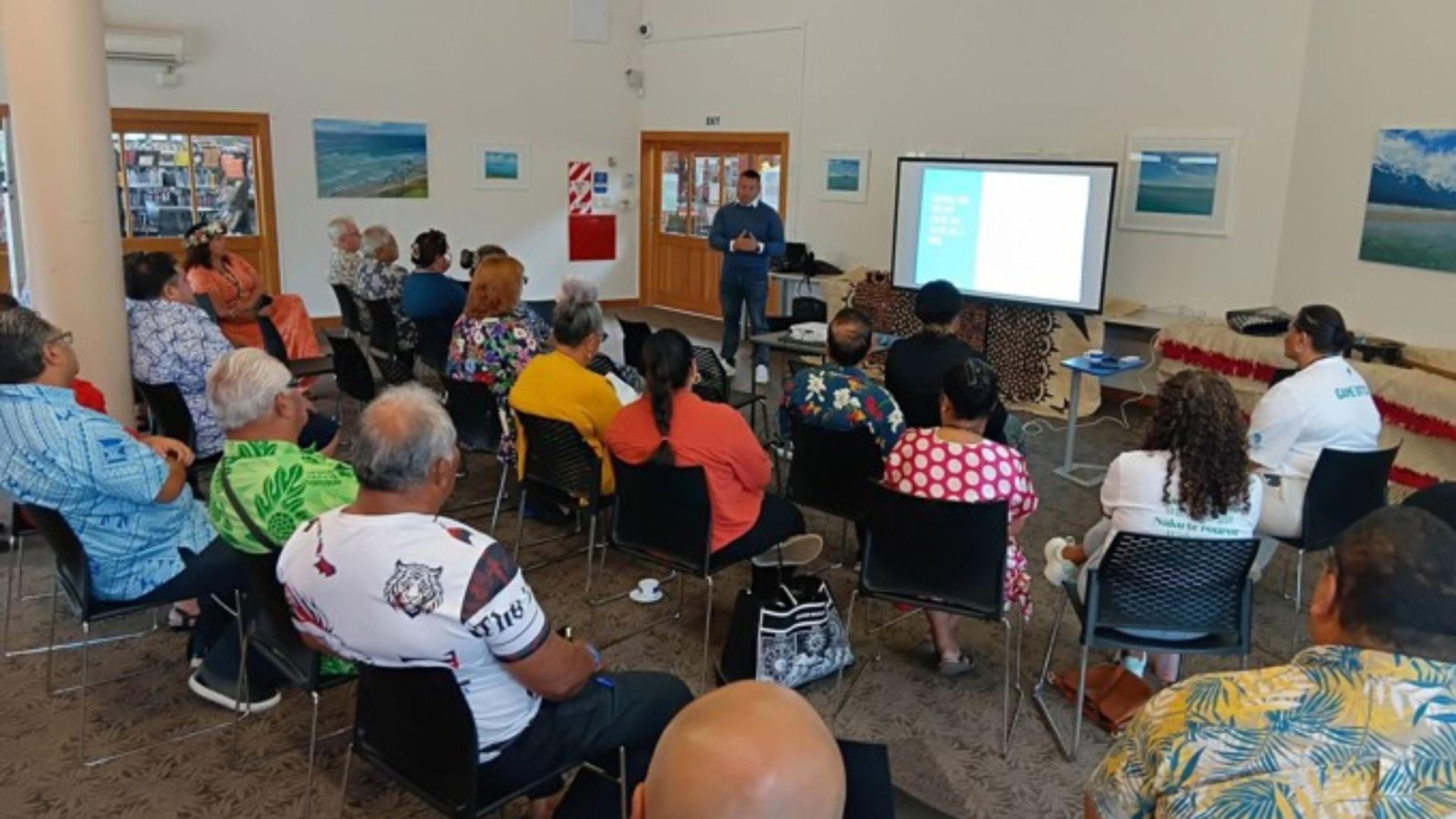
Labour MP Jenny Salesa is defending the previous Labour government’s Covid-19 response after a national inquiry found Pacific communities experienced higher death rates during the pandemic.
The final report from the Royal Commission of Inquiry into New Zealand’s Covid-19 Response, released on Wednesday, found Pacific people were more likely to be hospitalised with the virus and recorded higher mortality rates in several age groups.
Salesa, who served as a minister during Labour’s time in government, says the overall response still protected lives.
“I want to just remind people that the Labour-led government at the time and our response to Covid-19 saved thousands of people's lives,” Salesa told William Terite on Pacific Mornings.
“It saved thousands of people's jobs, and it was based on the best available evidence at the time.”
The inquiry examined government decisions between February 2021 and October 2022, including lockdowns, vaccination efforts, and economic support.
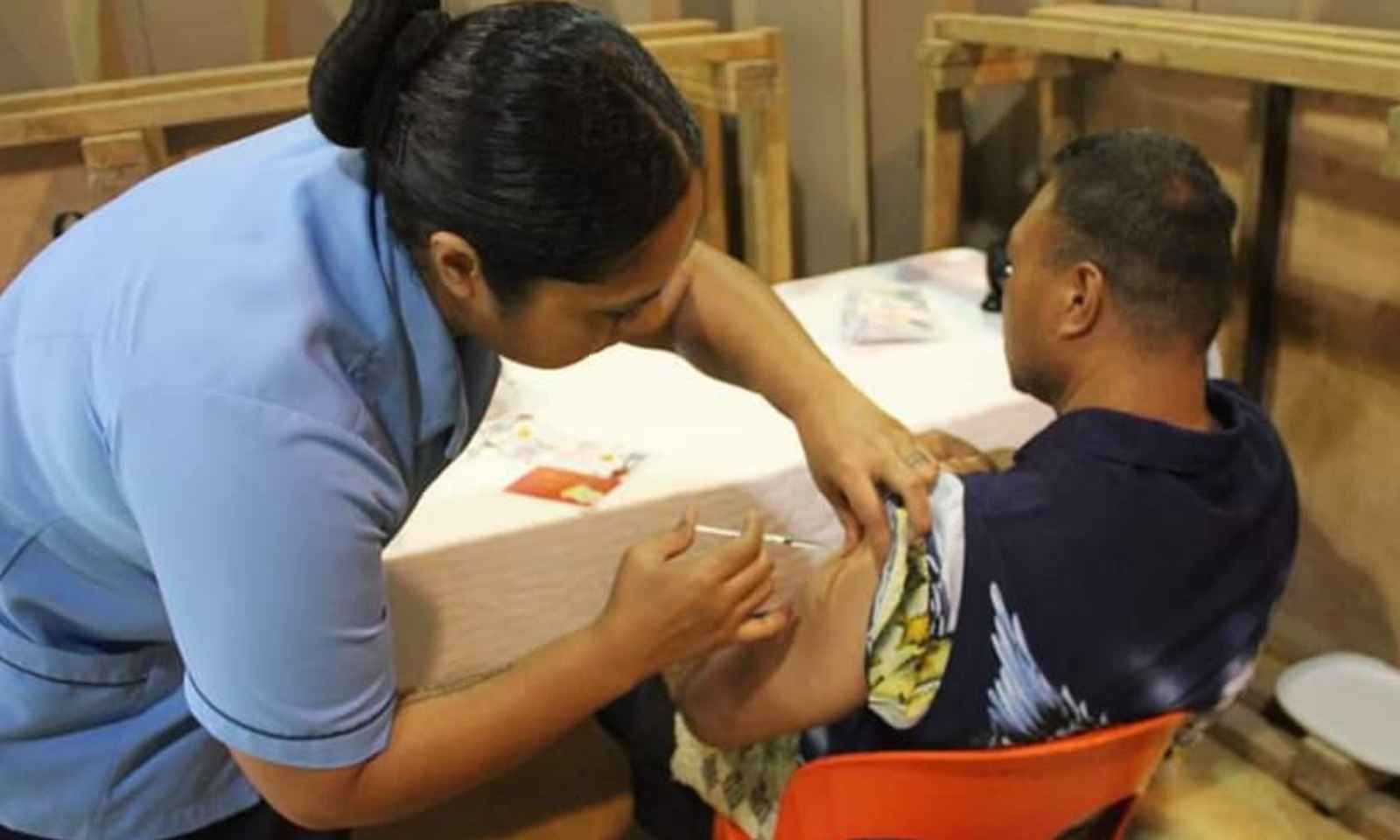
A person receives a COVID-19 vaccine during the pandemic. Vaccination significantly reduced the risk of severe illness and hospitalisation. Photo/Supplied
Salesa acknowledged Pacific communities faced major challenges early in the pandemic, including lower vaccination uptake among Māori and Pasifika populations when the rollout began.
But she says Pacific health providers, churches, and community leaders played a major role in lifting vaccination rates.
“Towards the end of the pandemic, the vaccination rates of Pacific were actually one of the highest,” she says.
Watch Jenny Salesa's full interview below.
The commission concluded that New Zealand’s early response to Covid-19 was broadly appropriate and helped limit the spread of the virus.
But it also found some restrictions remained in place longer than recommended by public health advisers.
Health Minister Simeon Brown says the report gives the country a chance to reflect on decisions made during the pandemic.
"New Zealanders supported the initial 2020 response. Communities came together and made sacrifices, and it protected New Zealanders’ lives,” Brown says.
“But the Commission has also found that restrictions continued longer than public health advice recommended, and that the economic costs were not given sufficient weight alongside the health response.”
The inquiry also reviewed pandemic spending, including the $60 billion Covid-19 Response and Recovery Fund, which funded more than 800 programmes.
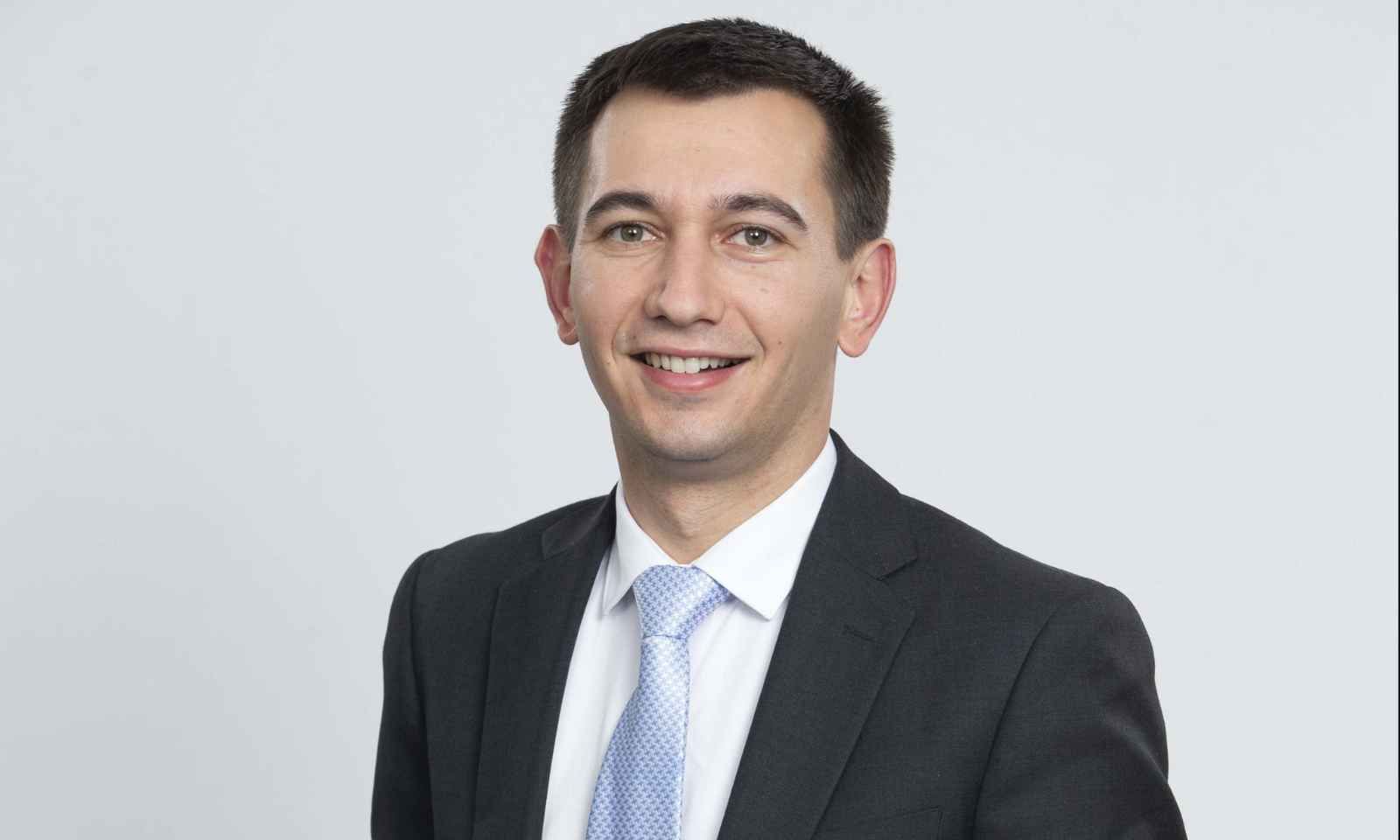
Health Minister Simeon Brown. Photo/Supplied
The commission found many of those investments did not fully meet the tests of being timely, temporary, and targeted.
Brown says the report also highlighted the economic effects of pandemic spending, including rising house prices and ongoing cost-of-living pressures.
The Government says it is now reviewing the commission’s recommendations and expects to respond by July.
For Pacific communities, the findings highlight the unequal impact the pandemic had across Aotearoa, even as vaccination rates later improved.