
Will Pacific and Māori communities disappear in the Census overhaul?
Aui'a Vaimaila Leatinu'uWed, 15 Apr

Health leaders say rising youth vaping rates, including 20 per cent of Year 12 and 26 per cent of Year 13 students reporting recent use, highlight the urgency of stronger prevention measures in Aotearoa New Zealand.
Photo/world.edu/file
The Asthma and Respiratory Foundation has welcomed Medsafe's decision but Pacific public health experts warn prevention must come first.




New Zealand has approved its first medically backed product specifically designed to help people quit vaping.
Health leaders say the milestone could help those already addicted, as youth vaping rates remain stubbornly high.
In a 30 January statement, Medsafe confirmed approval of the country’s first vaping-specific Nicotine Replacement Therapy (NRT) product, granting it a therapeutic indication to treat nicotine vaping dependence.
The Asthma and Respiratory Foundation NZ welcomed the move but renewed calls for tougher regulation.
Letitia Harding, the Foundation's Chief Executive, said: “Nicotine dependence from vaping is a real and growing problem, so having clinically validated support to quit is important.
“Medsafe’s approval of this product is a welcome development," she said.
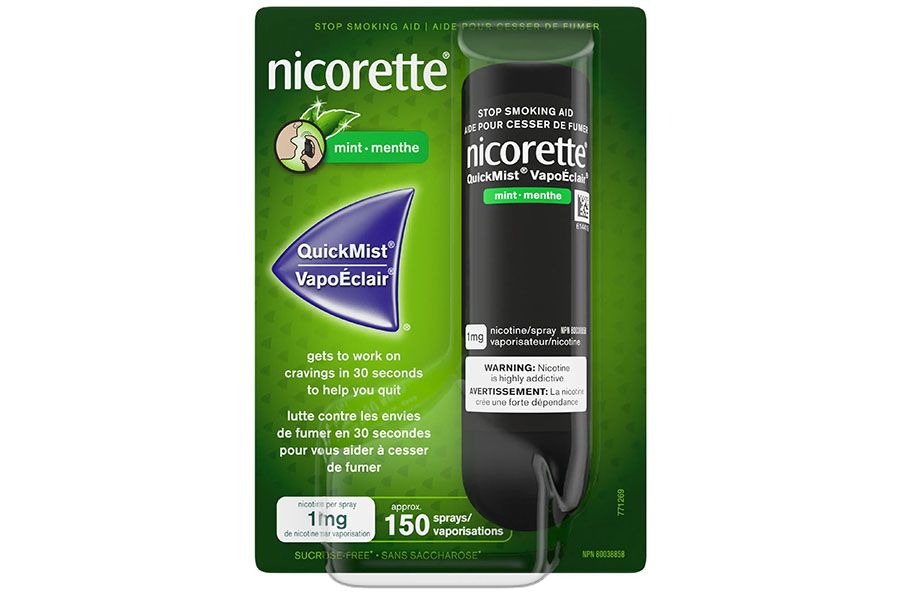
A nicotine replacement therapy product has now been approved by Medsafe to treat nicotine vaping dependence: the first medically recognised quit-vaping support available in New Zealand.
But the foundation says prevention remains the greater challenge. Its nationwide 2024 youth vaping survey found that 20 per cent of Year 12 students and 26 per cent of Year 13 students reported vaping in the past seven days, a marked rise in that age group.
“While a cessation product is helpful for those already dependent, it doesn’t stop young people from starting in the first place,” Harding said.
The foundation has been delivering school workshops for several years and last year expanded efforts through a community “Train-the-Trainer” programme equipping educators, youth workers and whānau advocates to speak with rangatahi about vaping harms.

The Asthma and Respiratory Foundation NZ says prevention programmes are vital for communities already facing respiratory health burdens. Photo/OFI
After meeting Associate Health Minister Casey Costello, the foundation said its request for financial backing was declined.
“We are proud of our ongoing community education initiatives, but they are reliant on the generosity of our grant providers and donations," Harding said.
“Luckily, these communities do care what is going on in their own backyards, and are prepared to back this mahi."
Colette Muir, a paediatrician, told the NZ Herald: "While the health policy intention regarding vaping was to reduce smoking, it is now clear that vaping is causing significant harm to Aotearoa’s tamariki and rangitahi.
“More needs to be done to prevent youth who do not smoke from taking up vaping in the first place.”
Pacific public health leaders say the issue has particular urgency for Pasifika communities in Aotearoa, where respiratory illness and smoking-related harm are already disproportionately high.
Associate Professor Collin Tukuitonga, a Pacific public health specialist at the University of Auckland, has previously called for stronger regional action on tobacco control and highlighted slow declines in smoking rates among Pacific peoples.
He said the rise in vaping among young people underscores the need for prevention-focused strategies that go beyond cessation products.
The foundation is calling on the Government to halt the establishment of further Specialist Vape Retailers, ban vape sales in general retail outlets, invest in education initiatives such as Train-the-Trainer, and re-examine the prescription model.
For Pacific health advocates, the Medsafe approval represents a necessary step but not a breakthrough. They believe that helping people quit is critical but protecting the next generation must be the priority.