
David Seymour wants tougher welfare rule as Labour targets hidden costs in 2026 election
Thomas Tarurongo WynneFri, 09 Oct
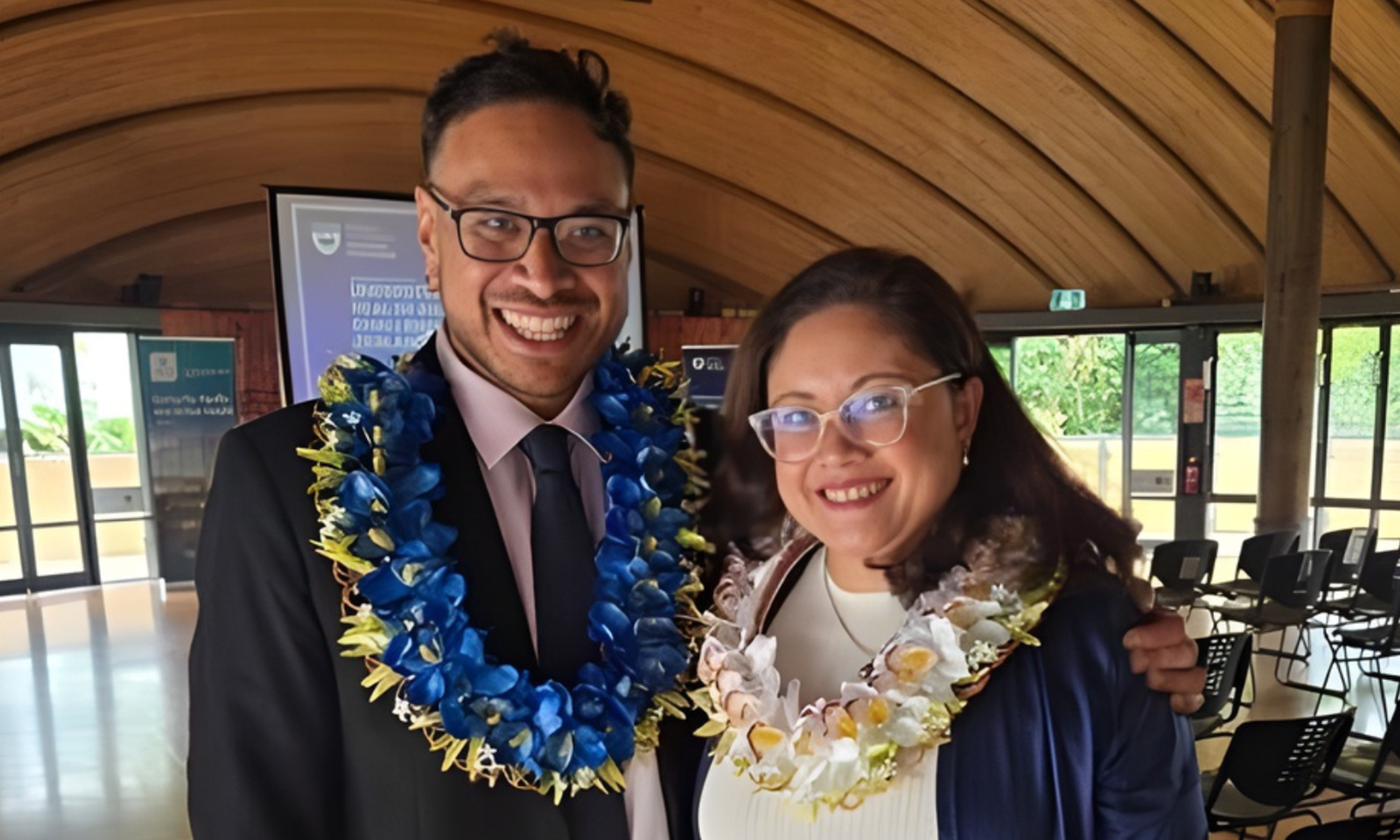
Seuta'afili Patrick Thomsen and Li'amanaia Dr Roannie Ng Shiu are editors of the texbook resource on Pacific health.
Photo/Supplied
A new open-access textbook aims to bring Pacific knowledge and lived experience to the centre of health education in Aotearoa.


Pacific people in Aotearoa New Zealand still face some of the country’s biggest health gaps.
The average Pacific man lives five years less than his European counterpart, according to Health New Zealand figures.
A new textbook hopes to change how future doctors, nurses, and health workers understand those challenges by putting Pacific voices at the centre.
Understanding Pacific Peoples’ Health and Wellbeing Challenges in Aotearoa New Zealand was launched this week at the University of Auckland’s Fale Pasifika.
The book brings together the work of 29 contributors from across the Pacific health sector.
Li’amanaia Dr Roannie Ng Shiu, Senior Research Fellow and co-editor, says the idea grew from a clear gap in education.
“For many tertiary students, textbooks are not just a source of information but their real first introduction to Pacific health,” she tells Pacific Mornings. “We were aware there was no textbook that helped students understand Pacific health in a rigorous, yet accessible way, while being culturally grounded.”
The book is published by Lived Places Publishing and is available in digital and print form. The online version is free, making it accessible to students, researchers, and the wider community.
While it has not yet been formally assigned to university courses, Sir Collin Tukuitonga, a co-editor, says the book offers something that has long been missing: a Pacific perspective.
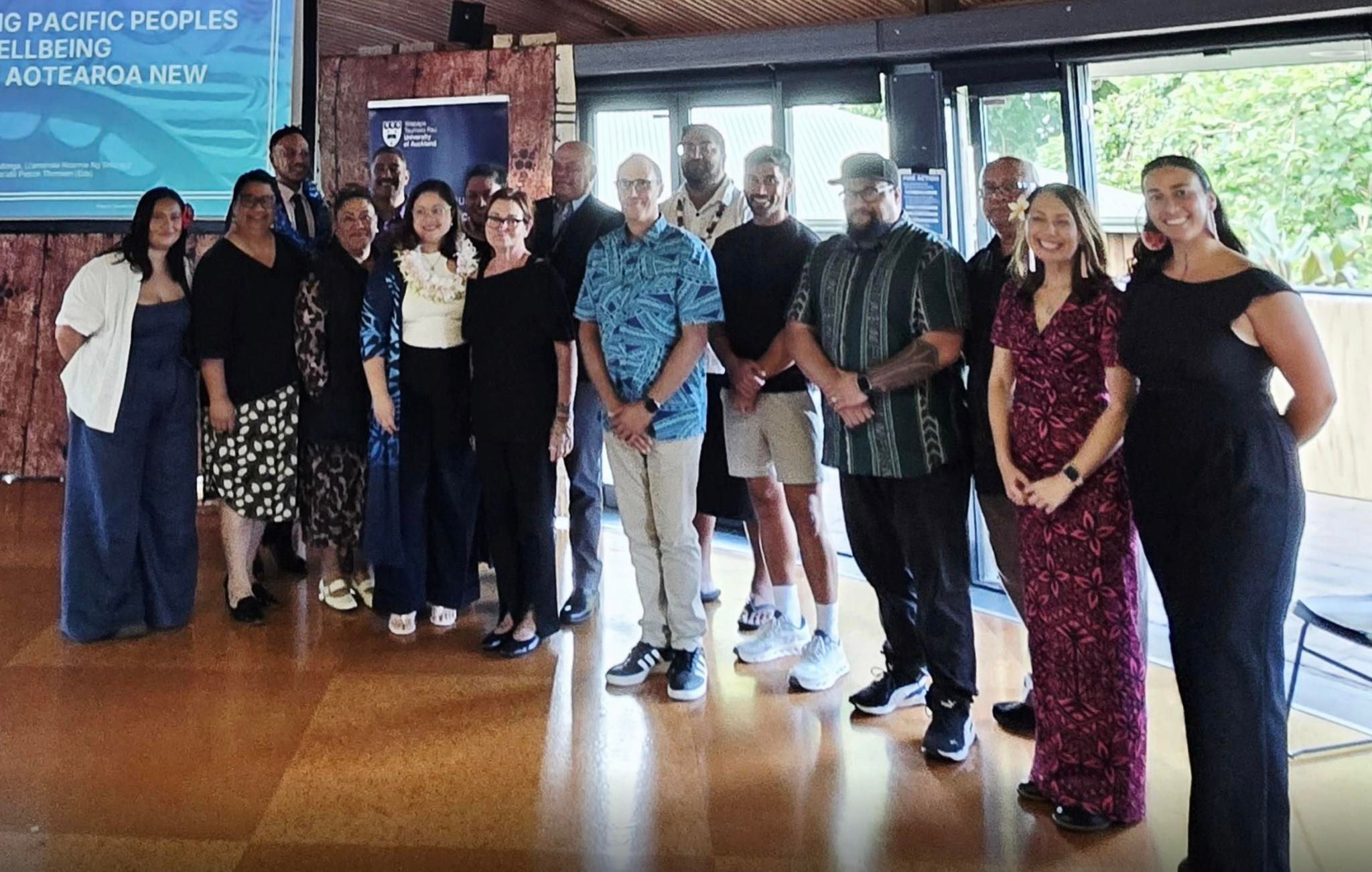
The health resource includes contributions from top Pacific scholars, and is available in print and as a digital copy. Photo/Supplied
“Too often, these stories are framed through deficit lenses,” he says in a statement. “So this textbook, the first of its kind dedicated entirely to Pacific health, gives voice to Pacific experiences and perspectives.”
Tukuitonga says the textbook is only a starting point and hopes it will spark further research and discussion.
“This is not an exhaustive list. A follow-up edition could help boost our knowledge and tools around challenges not covered in this edition.”
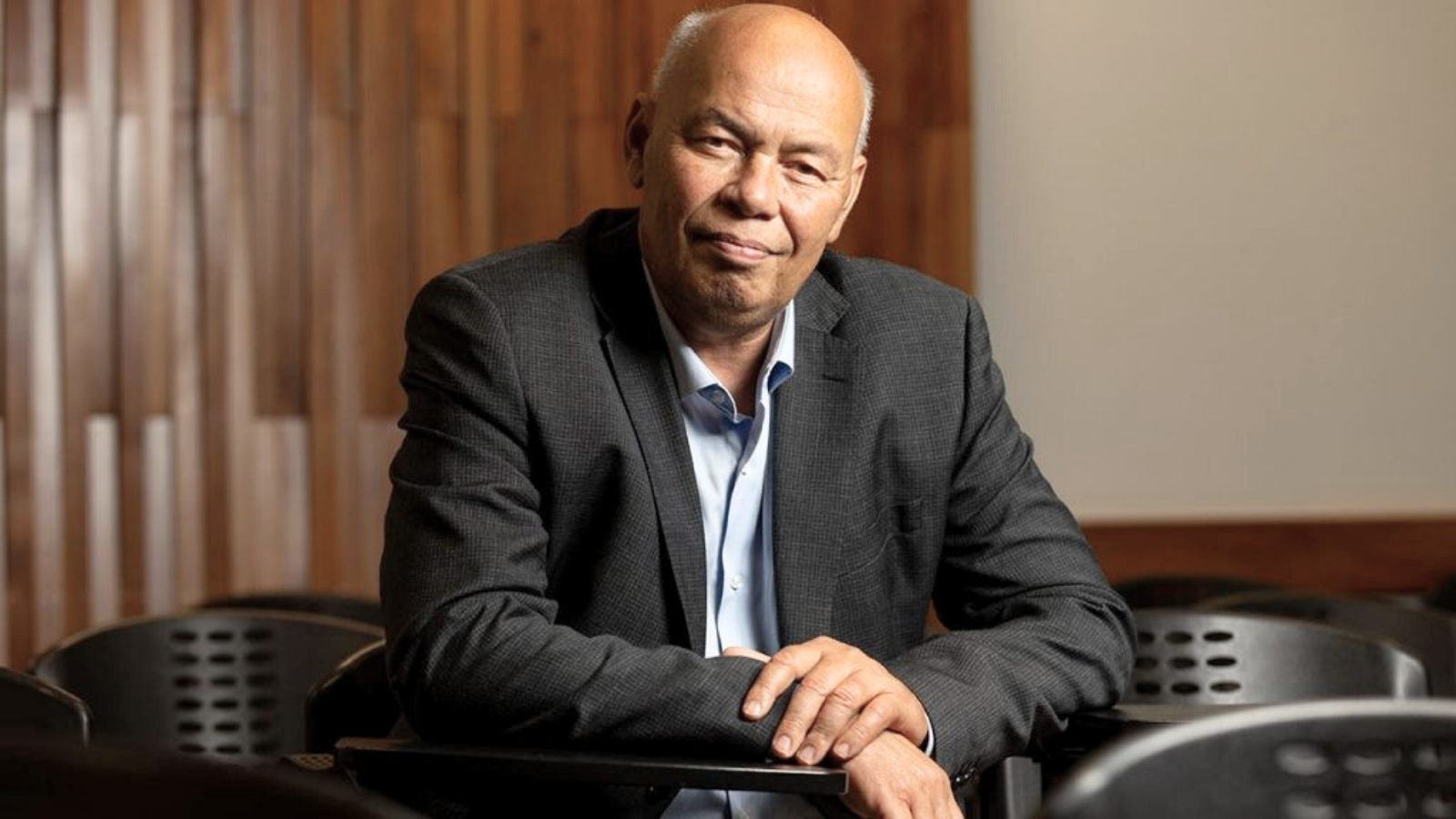
Sir Collin Tukuitonga has a long history of advocacy for Pacific health. Photo/File
Health gaps remain stark
The book arrives at a time when Pacific communities continue to face major health inequities.
The 2023 Census shows 8.9 per cent of New Zealand’s population identifies with at least one Pacific ethnicity. But they experience much higher rates of several chronic diseases
Health New Zealand figures show diabetes affected 136.2 per 1000 Pacific people in 2024, around four times the rate for Europeans.
Ng Shiu says these gaps are not new but they are persistent. She believes stronger Pacific leadership in the health system is important.
“To be well in a Pacific sense includes financial security, spiritual connection, physical and mental health,” she says. “Being well relates not only to individuals but also to our families and communities.”
Watch Li'amanaia Dr Roannie Ng Shiu's full interview below.
Inspiring the next generation
Dr Edmond Fehoko, a senior lecturer in human nutrition at the University of Otago and one of the contributors, calls the project a “historic moment”.
“It is quite humbling to be able to contribute where I can … this book gives an opportunity and gives a voice to the growing need of Pacific health and wellbeing research here in Aotearoa, and hopefully to start exploring it in the region as well,” he tells PMN News.
Fehoko co-wrote a chapter, Manato’a: The health of Pacific Males, with David Taufui Mikato Fa’avae.
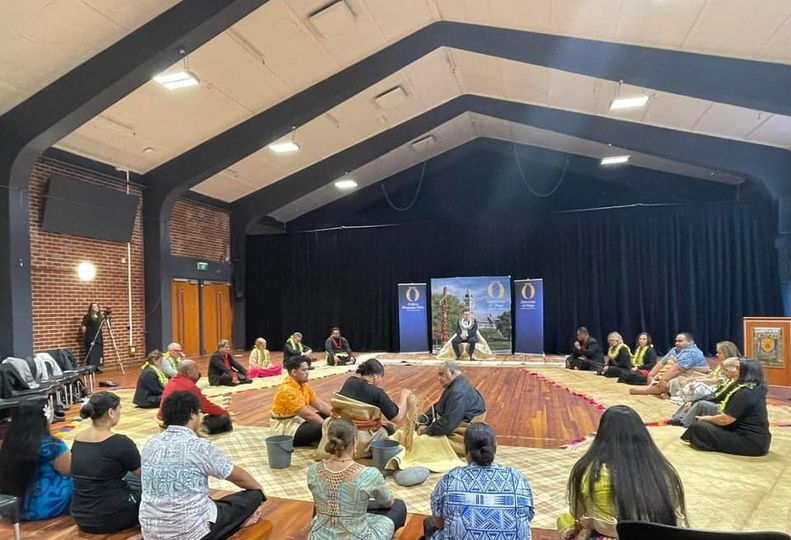
Edmund Fehoko hosting a kava ceremony at the University of Otago in 2024. Photo/File
Fehoko says the topic remains under-researched but very important. Seeing Pacific researchers’ names in print, he adds, also matters for young readers.
“For young Pacific students, it allows them to see themselves and start researching for themselves for the betterment of our communities. It’s also written in plain, accessible language so the wider community can read it and see the work of Pacific researchers and scholars.”
Contributors hope the textbook will help train the next generation of Pacific health researchers and practitioners, and over time, help improve health outcomes for Pacific people across Aotearoa.