
Joe Daymond’s 2026 Comedy Mixtape review: Pacific rising stars, crowd chaos and comedy heavy hitters
Taelegalolo'u Mary AfemataFri, 22 May

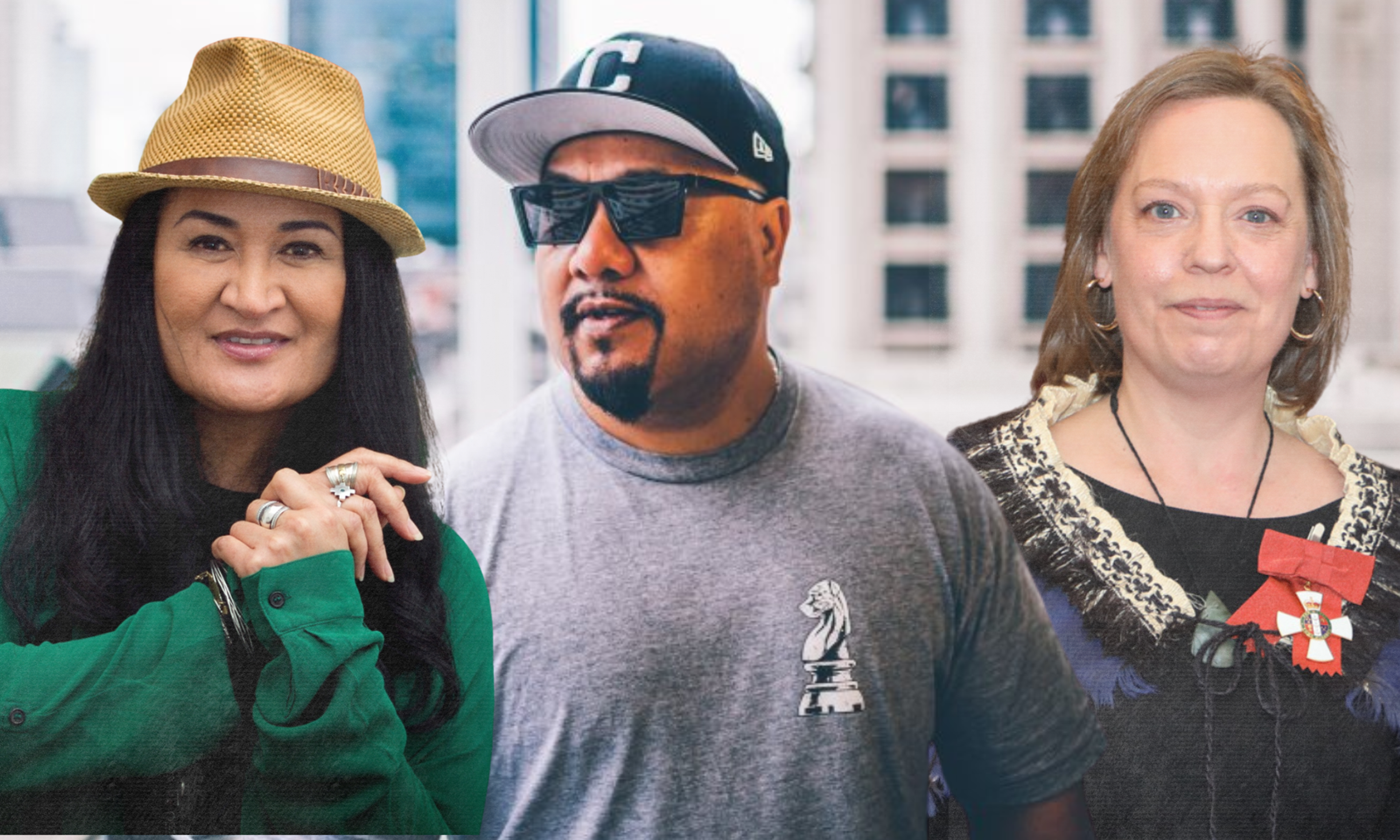
Dr Linda Palavi's research explores the nature of parental involvement and hearing loss among Pacific children and adolescents in the wider Auckland region.
Photo/University of Auckland
Researchers say early detection, parental involvement, and culturally safe services are important to improving outcomes for Pacific families facing barriers to screening and referrals.



Pacific children in Aotearoa New Zealand are overrepresented in hearing loss and ear infections, yet many families face delays in screening and treatment.
Experts say early detection, parental, and culturally safe services are vital to improve outcomes.
In a study last year titled, Worldviews of hearing health for Pacific peoples in Aotearoa New Zealand, a teacher noticed a student struggling to hear in class, but his parents assumed he would improve.
“I told the parents, ‘I have a feeling this boy’s ears aren’t good, his language is delayed’, and [the mother] just said, ‘No, that’s just him, as he gets older, he’ll learn how to talk’,” the teacher reported. “I referred him directly to the GP, and sure enough, two big blocks of wax were sitting in his ears.”
Stories like this highlight a growing concern for Pacific children in Aotearoa, who experience higher rates of hearing loss and ear infections than the national average.
New research shows many families face barriers to screening, referrals, and treatment, leaving children at risk of delayed speech, learning difficulties, and social challenges.
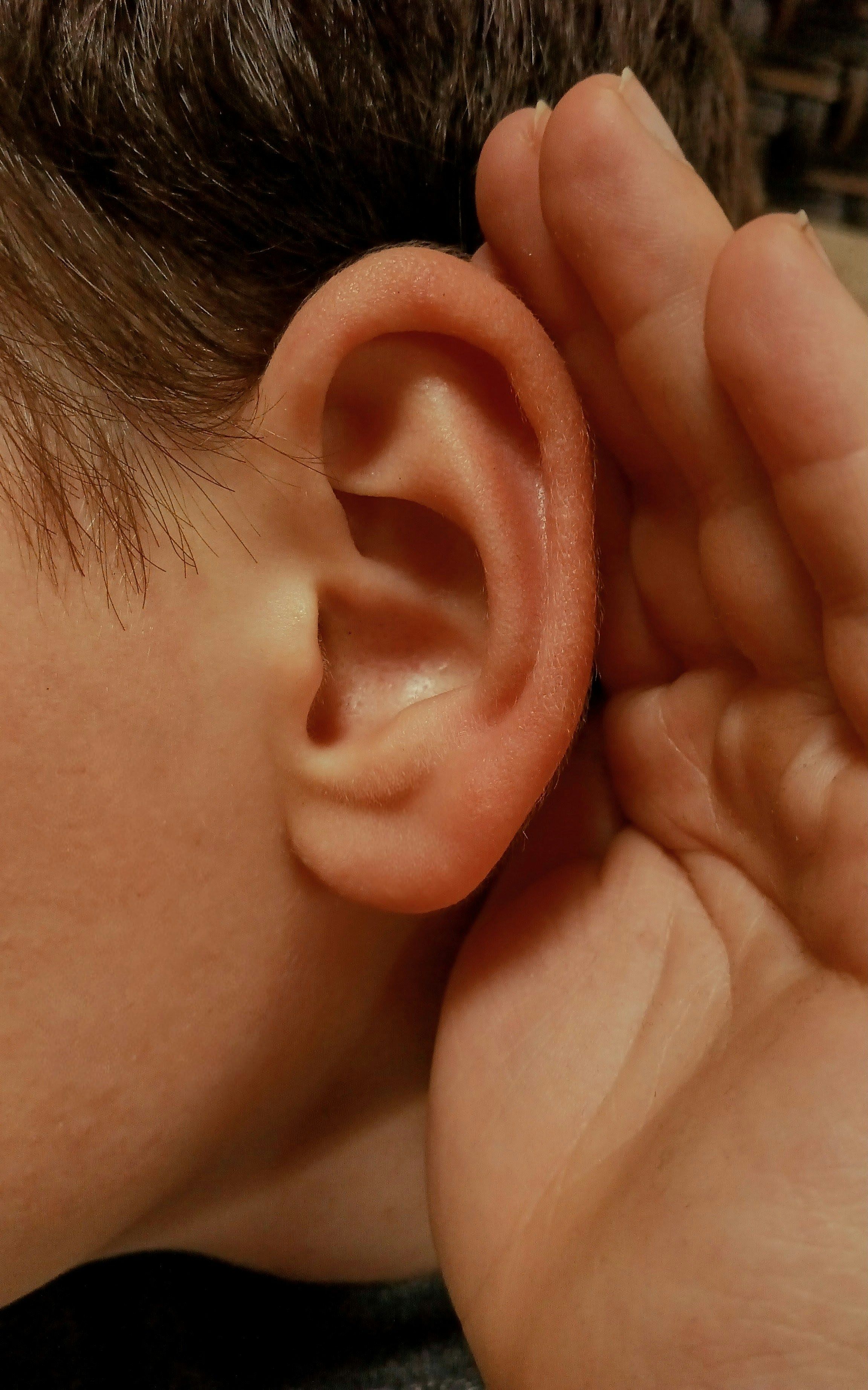
Ten percent of Pacific children have ear issues identified in the Before School Check. Photo/Unsplash
Linda Palavi, University of Auckland Research Fellow and recent PhD graduate, focused her doctoral research on parental involvement in audiology outcomes, bringing a Pacific perspective to hearing services in New Zealand.
“Parents generally know their children well, and signs such as speech delay, inattentiveness, turning up the TV a bit louder or devices… that would probably be the biggest warning signs in perhaps getting some sort of hearing screening test done for your children,” Palavi tells William Terite on Pacific Mornings.
Pacific children are overrepresented in conditions such as otitis media, which presents as ear infections or glue ear, and Palavi says socioeconomic factors such as poverty, overcrowding, and the environment play a big role.
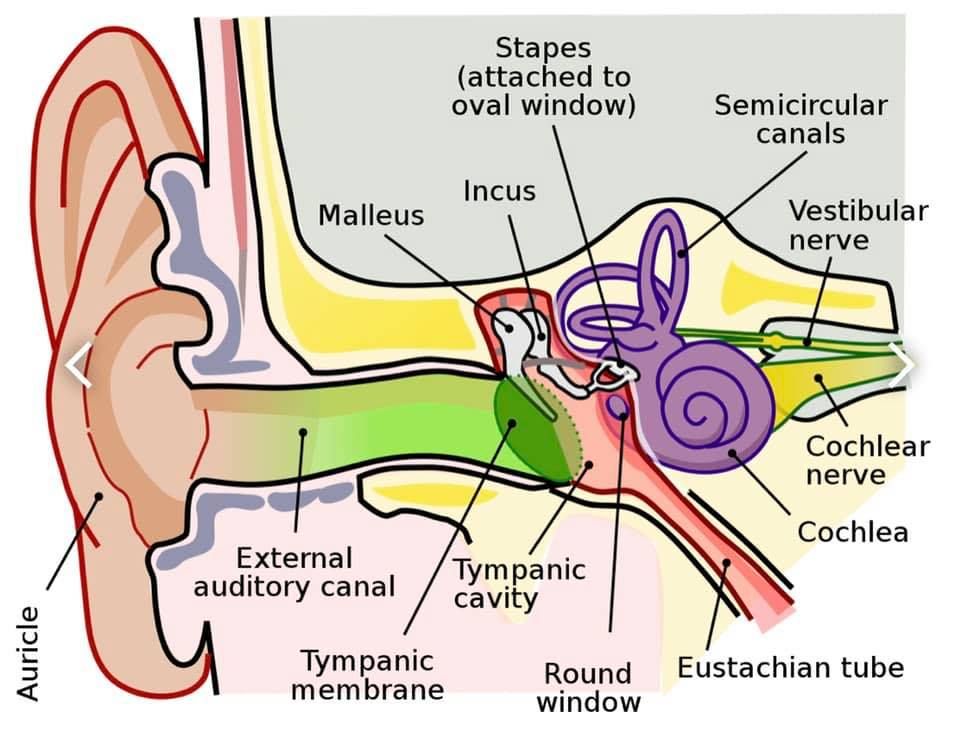
Ear infections and glue ear can contribute to long term hearing and health conditions. Photo/Facebook
“There’s the cost, the type of care that they're receiving, as well as the fact that a lot of parents don't actually know how to navigate the services, what’s available to them, and the referral processes.
An article published last month in the New Zealand Medical Journal analysed five years of data from the Before School Check (B4SC), which assesses children’s health, vision, and hearing before they turn five. It found 10 per cent of Pacific children had fluid in the ears, a perforated eardrum or a blocked ear canal, almost double the national average of 5.2 per cent.
The report notes that longstanding structural inequities, including the ongoing effects of colonisation, contribute to these disparities. Access to healthcare and participation in screening is mostly limited, compounding the issue.
The role of parents
Palavi says parental involvement is central to improving outcomes. “If we aren't ensuring that our parents know exactly where to go and what to do if the child does have problems with hearing, then essentially these children aren't getting into the system itself.
Watch Linda Palavi's full interview below.
“It’s professionals knowing their roles, the power differentials that exist amongst a patient and a professional, as well as general values such as being respectful, being open-minded, and being aware that the nucleus of our Pacific families isn’t the same as other ethnic groups,” she says.
Parents concerned about their child’s hearing are encouraged to contact their general practitioner or local health provider. Early intervention can improve speech, learning, and social development.
Palavi hopes her research will help Pacific families access the right services, from early screening and referrals to aftercare such as speech therapy.
She emphasises the urgency for action: Pacific families need clear, streamlined pathways and culturally safe services so children can thrive.