‘Soul resuscitation’: Pioneering Vagahau Niue and cultural connection down South
Atutahi Potaka-DewesFri, 23 Oct
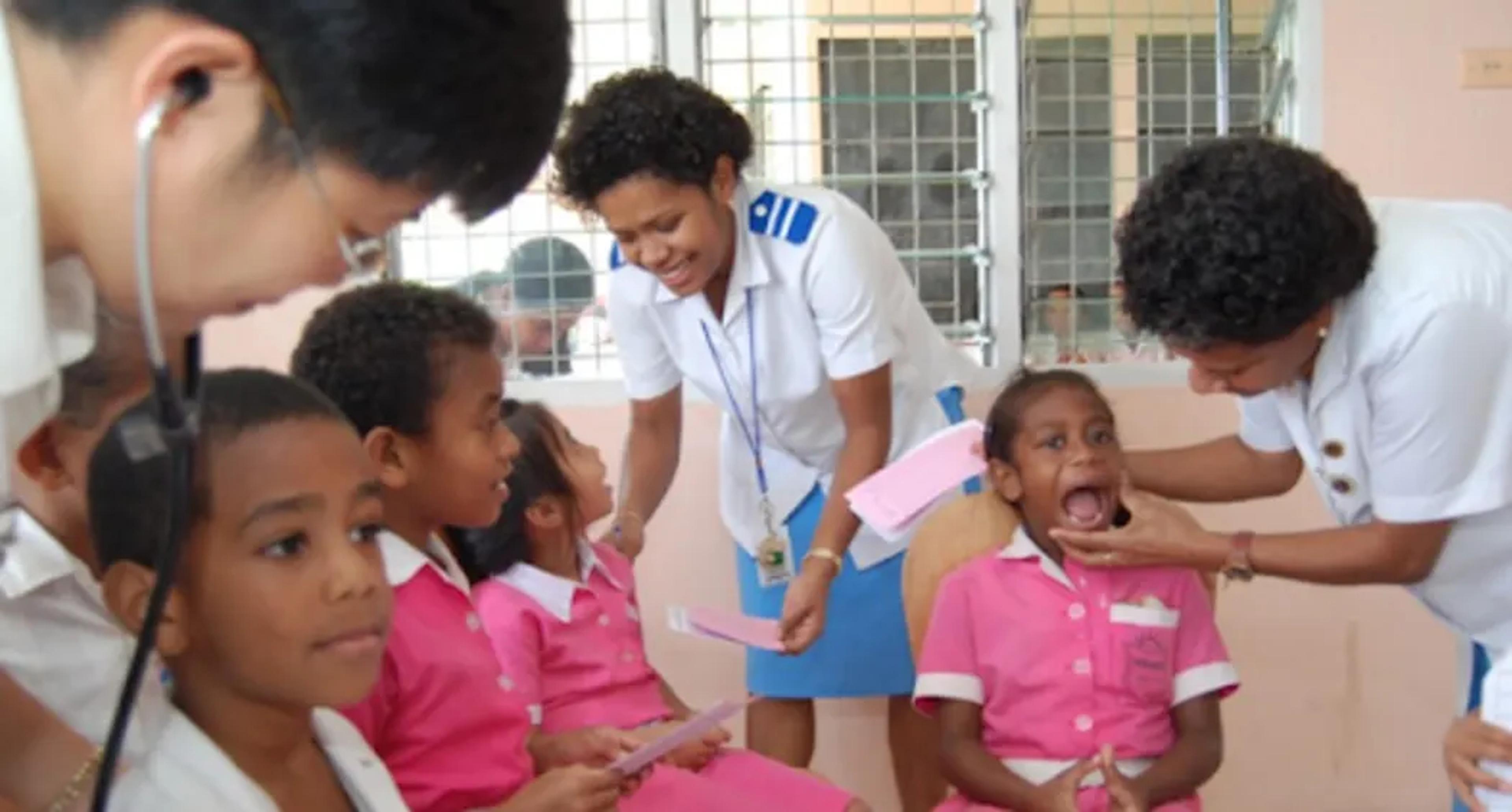
Parents in Fiji have been urged to vaccinate their children against measles.
Photo/Facebook/Fiji govt
Residents and visitors are urged to ensure full MMR vaccination as measles cases rise in New Zealand and Australia, risking imported infections.


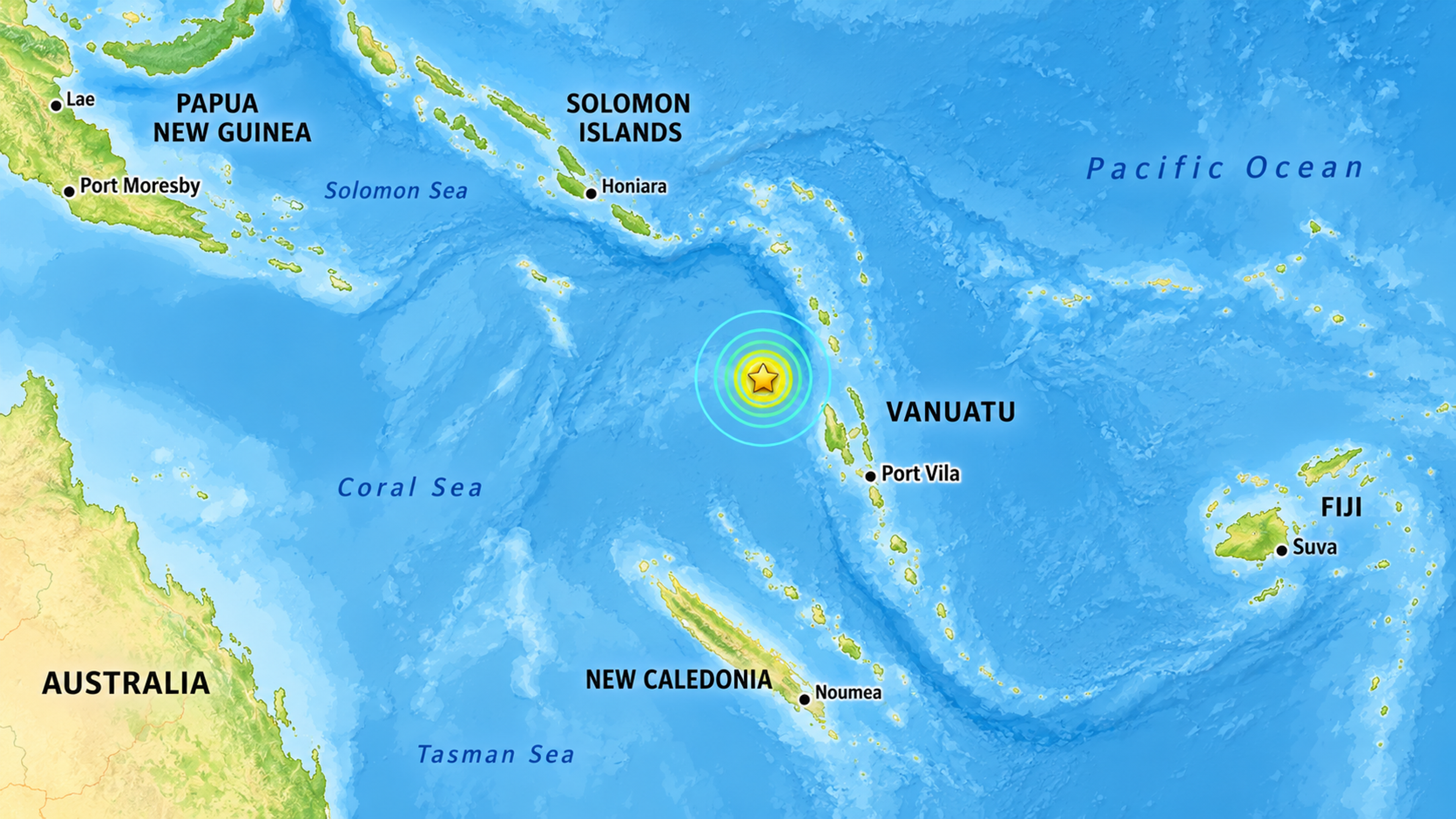

Fiji’s Ministry of Health has issued a warning to residents and visitors as measles cases rise in neighbouring countries.
New Zealand has reported around 30 cases this year, while Australia has seen 162, prompting concerns about imported infections during the busy holiday season.
Measles is highly contagious, spreading through coughing, sneezing, or close contact. While Fiji’s immunisation programme keeps local outbreaks rare, health officials say the country remains at risk if vaccination rates fall below 95 per cent.
The ministry urges everyone to ensure they and their children are fully vaccinated with the MMR vaccine, which protects against measles, mumps, and rubella.
Vaccination not only protects individuals but also safeguards vulnerable members of the community, such as infants and those unable to be immunised.
"Because we have an effective immunisation programme, measles is rare in Fiji. However, outbreaks around the world, including neighbouring countries, still put Fiji at risk of measles cases," it stated in a public advisory on Tuesday. "Like many countries around the world, Fiji remains at risk if our vaccination rates fall below 95 per cent."

Fiji remains vigilant against measles as health authorities urge families to ensure full vaccination ahead of the festive season. Photo/Tourism Fiji
Know the symptoms: fever, cough, runny nose, sneezing, red or watery eyes, small white spots inside the mouth, and a red rash that spreads across the body. Anyone developing these symptoms, particularly after travel, should seek medical attention immediately and avoid contact with others.
During the last major Pacific outbreak in 2019, over 4200 measles cases were reported across Pacific Island nations. Fiji had around two dozen confirmed cases. In Sāmoa, the outbreak struck hard: more than 5000 people were infected and at least 80 people died, most of them young children under five.
Since then, Fiji has reported no confirmed cases this year, and the Pacific region no longer shows ongoing endemic transmission. But health experts warn the risk remains as outbreaks abroad continue.
Visitors to Fiji should ensure full vaccination before arrival.
Returning residents should monitor their health and seek care if symptoms appear.
Practise good hygiene: cover coughs and sneezes, wash hands regularly, and stay home if unwell.
“The risk of measles entering Fiji is real, especially during periods of high travel,” the ministry says. “By staying alert and ensuring high vaccination coverage, we can protect our families, communities, and the wider Pacific region.”
For more information on vaccination and travel guidance, the public is encouraged to contact local health centres or visit the Ministry of Health website.