‘Soul resuscitation’: Pioneering Vagahau Niue and cultural connection down South
Atutahi Potaka-DewesFri, 23 Oct
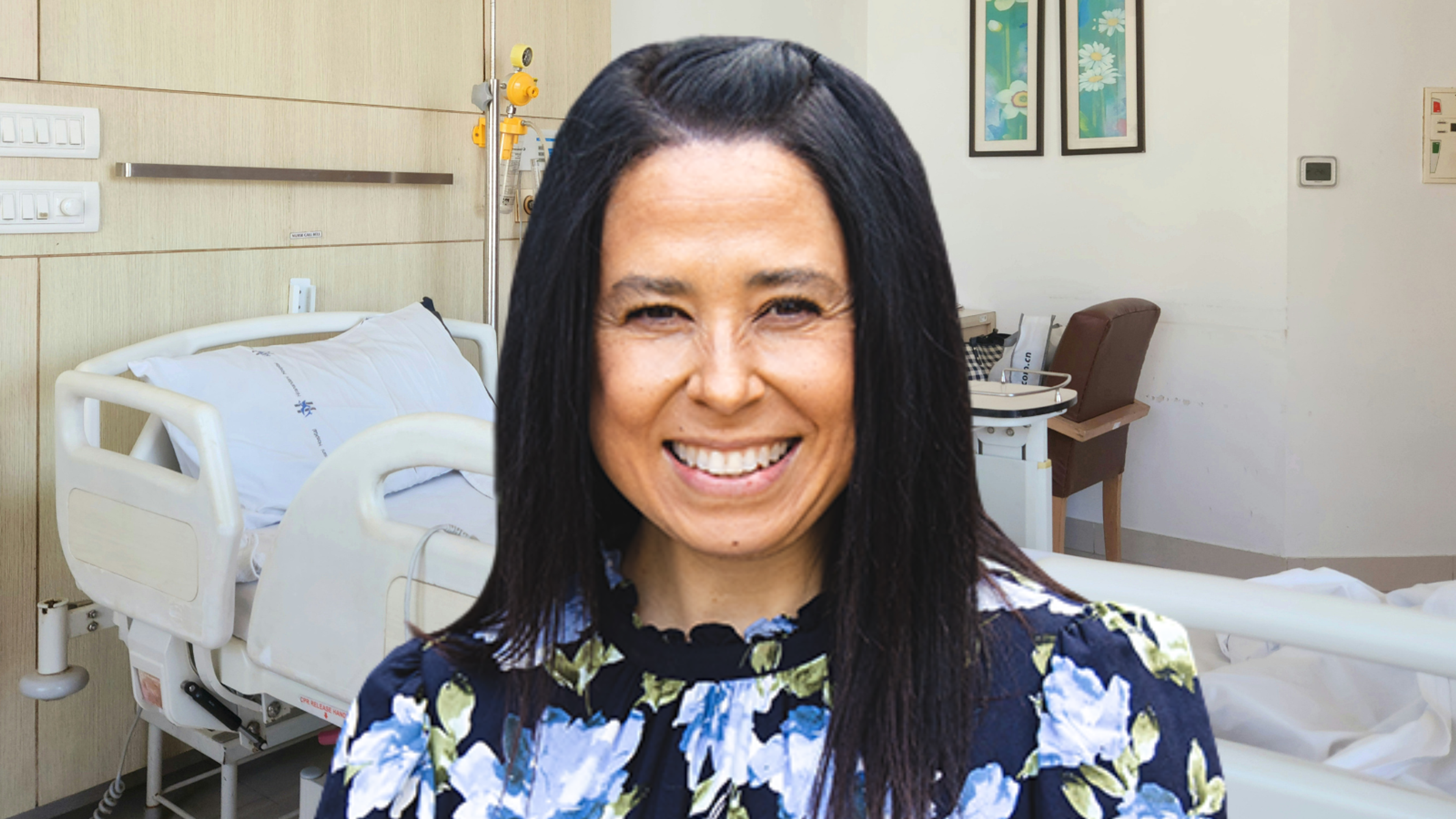
Dr Dianne Sika-Paotonu urges families to know the signs of meningococcal disease.
Photo/Supplied/Unsplash
Pacific people made up almost a quarter of meningococcal cases reported in 2025, with a health expert warning the disease can turn serious within hours.



Pacific families are being urged to know the early warning signs of meningococcal disease and seek medical help quickly.
The call comes following the death of 22-year-old Waikato woman Kyla Te Wano Greensill.
Professor Dianne Sika-Paotonu, Deputy Vice-Chancellor Pacific at the University of Otago, says meningococcal disease can develop rapidly once infection takes hold.
“If someone is infected with the bacteria, it can actually take up to 10 days for any symptoms to show,” she tells PMN News. “But once the bacteria is causing infection, people can deteriorate really, really quickly.
“People can end up with severe illnesses such as meningitis, which is infection of the lining of the brain and spinal cord, or septicaemia, which is infection of the blood,”
Greensill’s family told RNZ she was a competitive athlete and her sore neck, muscles and joints had initially been put down to sport and recovery.
They said she ate dinner and appeared to be getting better before her condition suddenly worsened.
"The time between calling the ambulance and facing our new reality was frighteningly short. Meningococcal disease took our girl incredibly quickly," one parent said.
Meningococcal disease is caused by Neisseria meningitidis bacteria, which can live harmlessly in the nose and throat, and can spread through close contact including coughing, sneezing, and kissing.
Sika-Paotonu says Māori and Pasifika face a higher risk of developing the disease than some other groups.
“Māori and Pacific peoples also carry a disproportionately higher risk when compared to other ethnic groups, along with people who have some sort of respiratory infection already such as influenza, and those who are exposed to tobacco smoke or vaping smoke.”
Provisional figures from Government-owned research organisation PHF Science show Pacific people accounted for 10 of the 41 meningococcal cases reported in 2025 - almost a quarter of all cases.
Māori accounted for 12 cases, or 29 per cent, while three of the nine cases involving children under five were Pasifika.
Sika-Paotonu says families should watch for symptoms including fever, headache, nausea or vomiting, drowsiness, confusion, muscle or joint pain, a stiff neck, sensitivity to bright lights and a rash.
Young children can also become unsettled or irritable, sleep more than usual, become floppy or difficult to wake, or refuse food and drink.
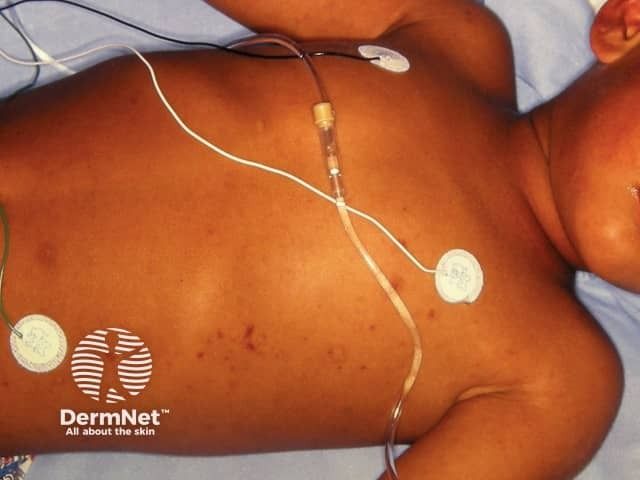
Meningococcal disease can cause a rash, but health providers warn this is a very late symptom, and urge families to get medical support before then. Photo/DermNet NZ
But Sika-Paotonu says families should not wait for a rash or every symptom to appear.
“When you see these symptoms, or if you know that someone is unwell, seek urgent medical advice and get help quickly, and don't wait.”
In a statement, Dr Kate Meerkerk, Health New Zealand Waikato Medical Officer of Health, says the early symptoms can look like a cold or flu, but people can become very unwell within hours.
Sika-Paotonu says vaccination remains another important way to protect against meningococcal disease.
“Our vaccines are available, they are important and they are safe, and they help us be prepared to fight against meningococcal B before the bacteria has a chance to make us sick.”

Meningococcal disease can spread person-to-person via the transfer of saliva or spit. Image/Health Ministry Fiji
The meningococcal B vaccine is free for babies and children under five years old, and for eligible young people aged 13 to 25 years in their first year of certain close-living settings. This includes boarding school hostels, tertiary halls of residence, military barracks and prisons.
Sika-Paotonu's message to Pacific families is clear: know the signs, trust your instincts and don't wait to seek help.
People can book vaccinations through their doctor, nurse, pharmacy or healthcare provider, via Book My Vaccine, or by calling 0800 28 29 26.