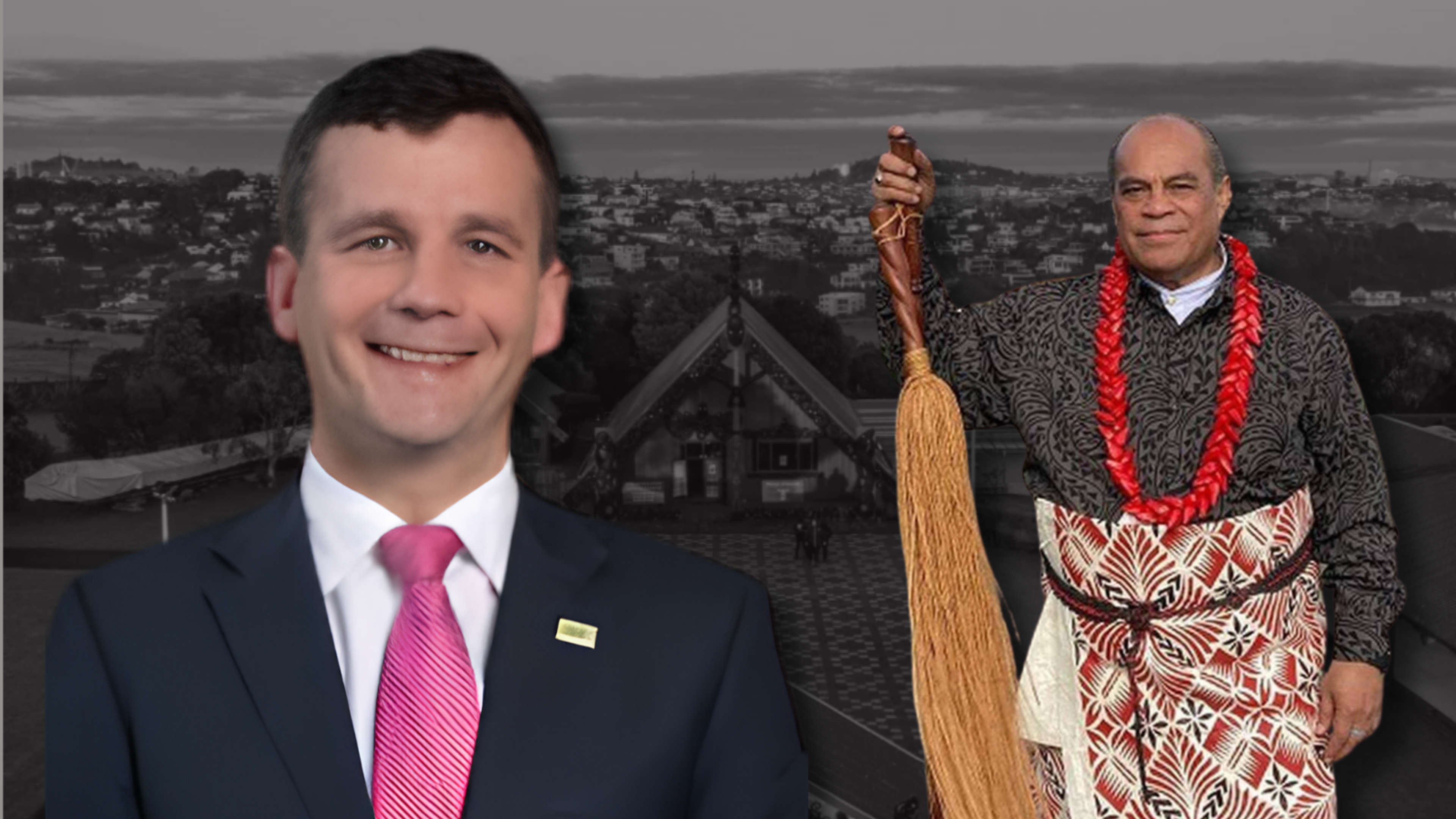
Seymour targets office karakia as Aupito warns of a ‘culture war’
Thomas Tarurongo WynneFri, 23 Oct
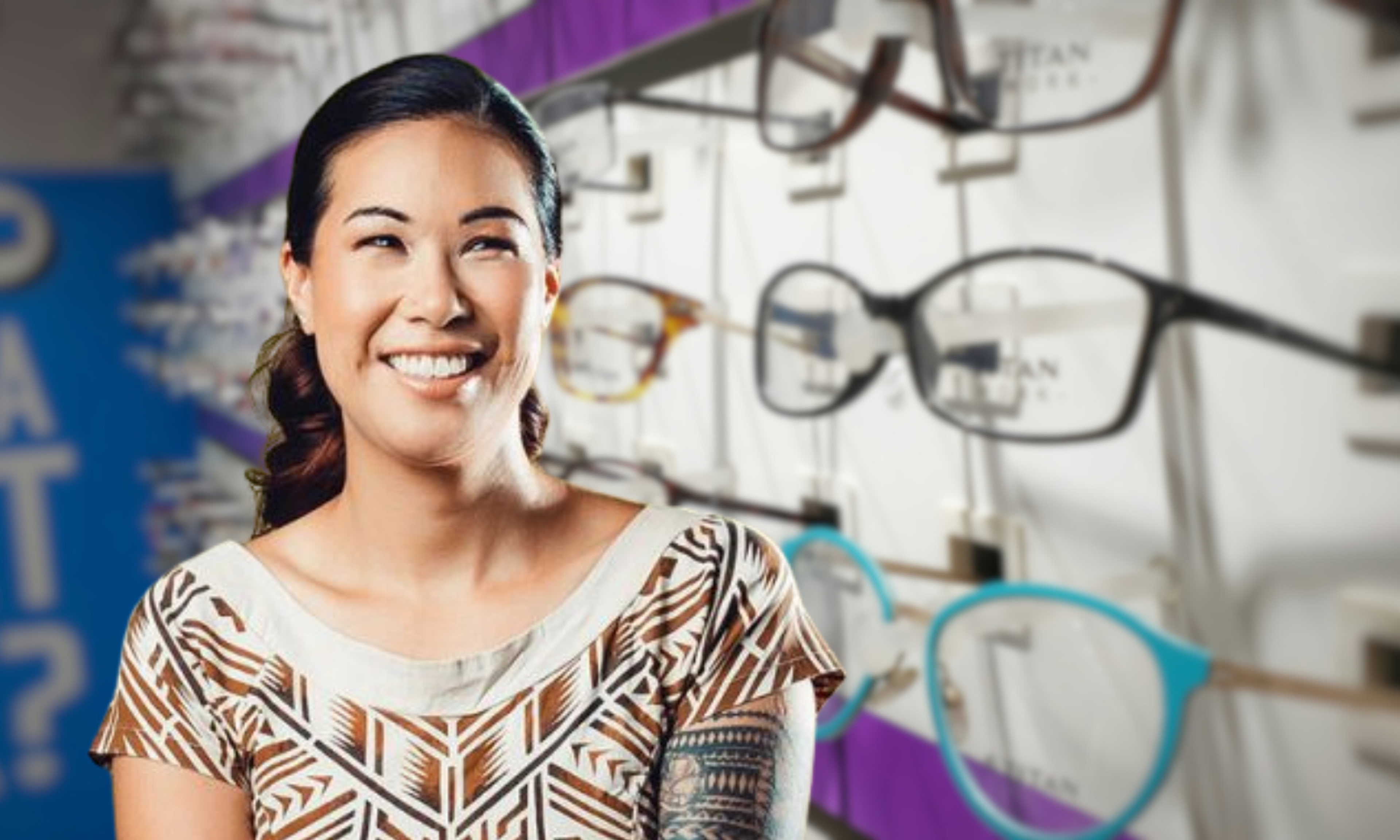
Esmeralda Lo Tam is researching rates and potential causes of an eye condition in Pacific communities.
Photo/University of Auckland/Unsplash
After losing her sight almost overnight, 36-year-old former athlete Esmeralda Lo Tam has turned her pain into purpose.


When Esmeralda Lo Tam lost her vision at 29, her life stopped in an instant.
The former athlete was living in Sāmoa in 2019 when a severe infection struck after years of wearing contact lenses.
Within days, her vision was gone. “I literally lost my vision pretty much overnight after a tournament that I was in,” Lo Tam said on Pacific Mornings. “I didn’t realise how serious it was, but the doctors had told me that if I had left it one day longer, they might not have been able to save my eye.”
What followed was months of recovery and a forced stillness that "brought everything to a halt”.
A corneal transplant in New Zealand restored her sight. It also gave her a new mission.
Today, Lo Tam is completing a PhD at the University of Auckland, researching keratoconus, a condition where the cornea thins and bulges into a cone shape, causing blurred and distorted vision.
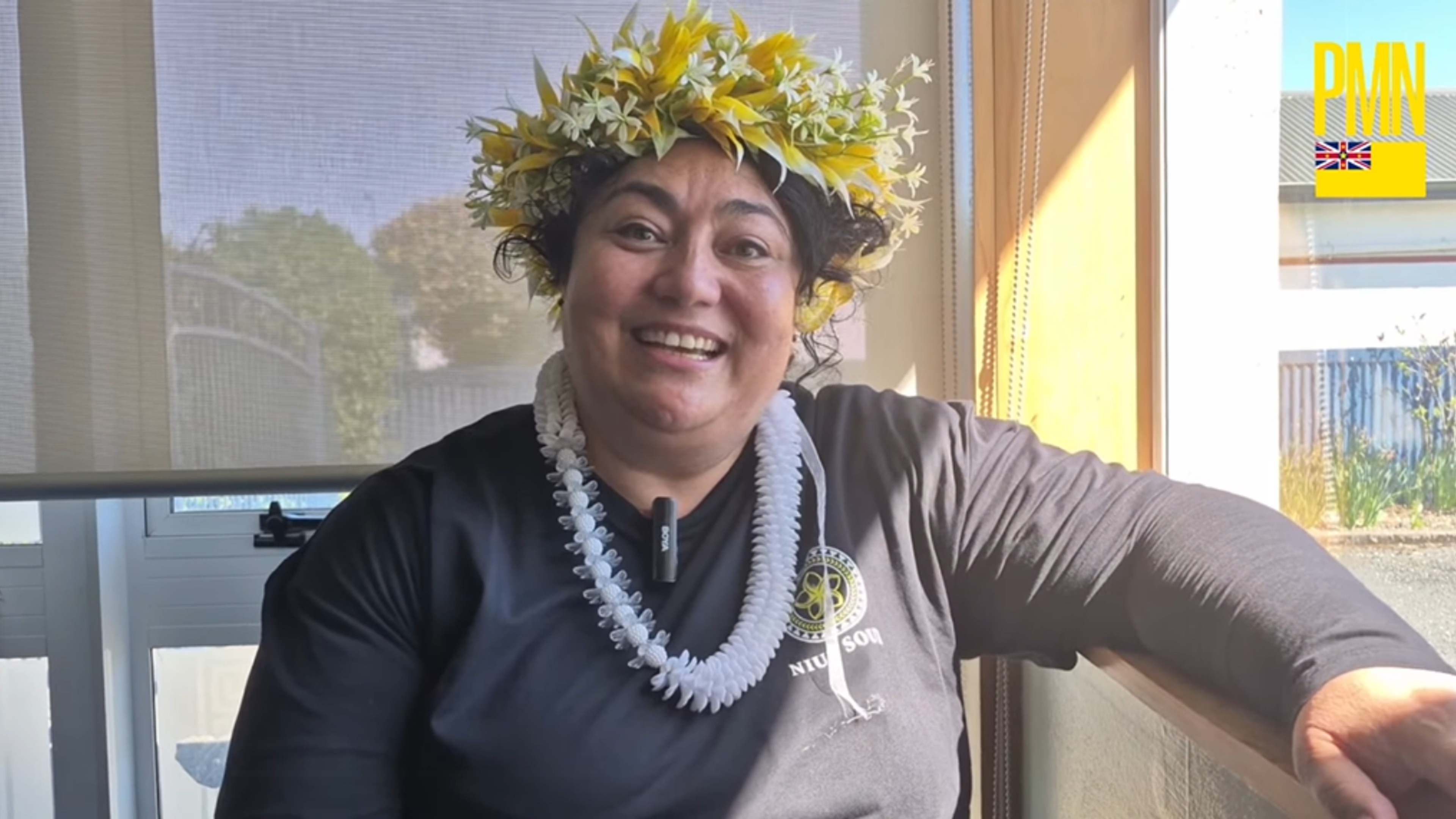
Watch Esmeralda Lo Tam's full interview below.
New Zealand has one of the highest rates of keratoconus in the world, affecting around one in 2000 people. For Māori, the rate is far higher: about one in 45.
But for Pasifika, there is no clear data. That gap is what drives her work.
“This is to see if there are any undiagnosed eye diseases that exist in the community. It's not just vision or seeing, it's eye health in general.”
For Lo Tam, the issue is personal. She knows what it feels like to rely on the gift of sight from a stranger.
A major challenge in restoring sight is the low rate of organ and tissue donation among Pacific communities.
According to Organ Donation New Zealand (ODNZ), 70 people donated organs in Aotearoa last year.
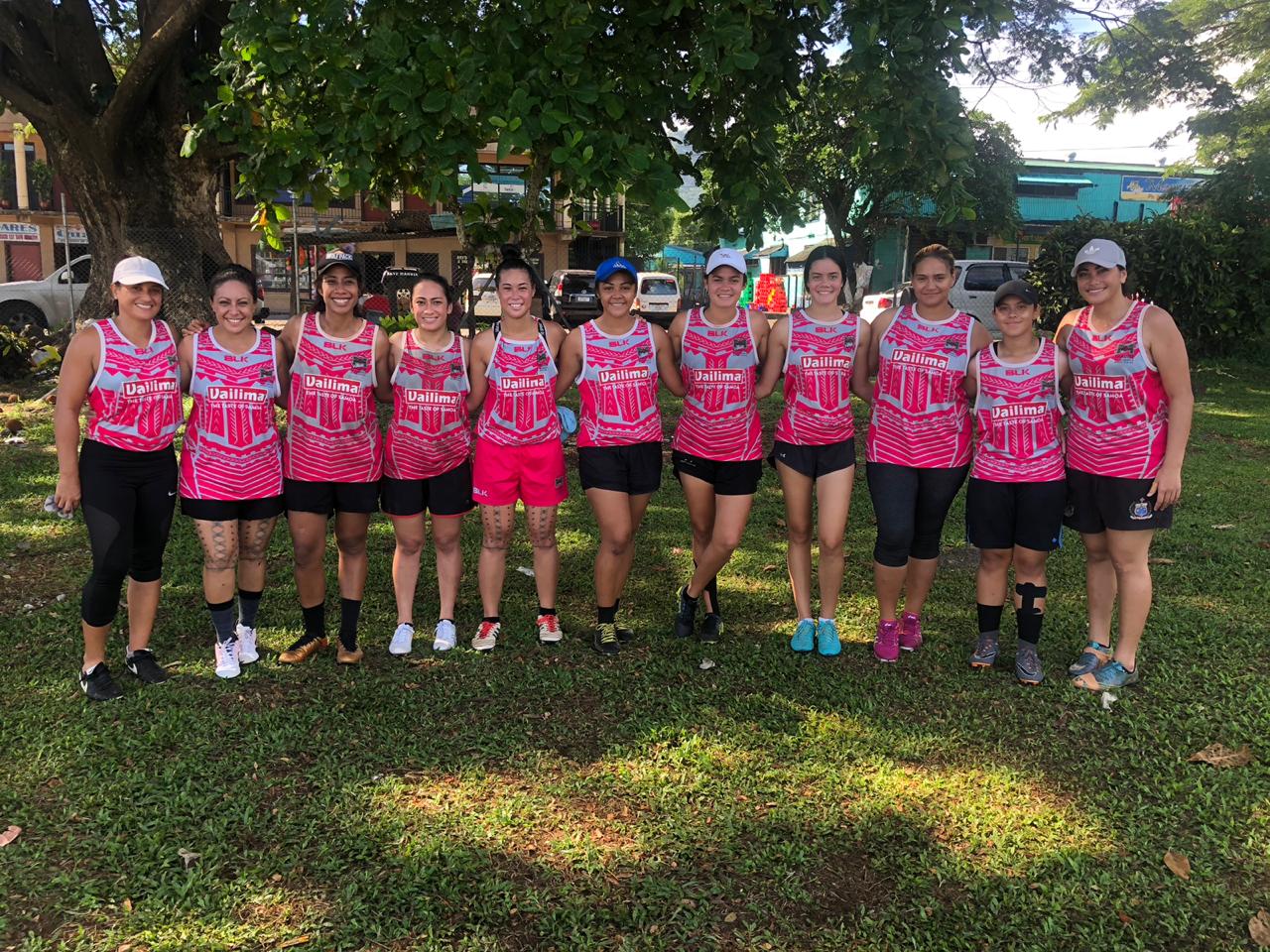
Esmeralda Lo Tam (in the red shorts) and the Vailima Marist Touch Rugby women's team. Photo/Supplies
Of those, 8.6 per cent identified as Māori and 2.9 per cent as Pacific people.
“There is no official donor register in New Zealand... so it is important to have a conversation about your wishes with your loved ones,” Dr Jo Ritchie, ODNZ’s medical specialist clinical director, says in a statement.
Lo Tam says becoming a transplant recipient changed her understanding of donation forever. “You don't really realise the enormity of organ donations until you're a recipient yourself... if it wasn't for the family saying ‘yes’, we wouldn't be able to have this second chance.”
Prevention and Practice
The challenge stretches beyond Aotearoa. Across the Pacific, preventable blindness remains common.
Ian Russell, an optometrist who trains eye-care workers in Vanuatu and Fiji, has seen the impact of simple treatment. He recalls cataract surgeries where people who could not even see light had their sight restored in under half an hour.
Speaking with Nemai Tagicakibau on PMN Fiji, Russell says one grandmother in Vanuatu saw her grandchildren clearly for the first time after surgery. “She was able to see her grandchildren for the very first time after having had the cataract done.”
Back home, Lo Tam is focused on prevention as well as research. She urges families to look after their eyes early.
Listen to Ian Russell's full interview below.
She says that includes limiting excessive eye-rubbing, which can damage the cornea, and making sure children spend time outdoors to balance screen use.
“Ensuring [kids] have outside play, that they're looking at things in a distance and then close up, that’s getting that exercise and accommodation.”
At the heart of her message is service - a value deeply rooted in Pacific culture.
“Advice that my father once gave me was that nothing in this world belongs to us. It’s all gifts from God. If we don’t need it where we’re going, why not give that to someone else?”
From darkness, Lo Tam found purpose. Now she hopes her work will help Pacific communities see a clearer future.