
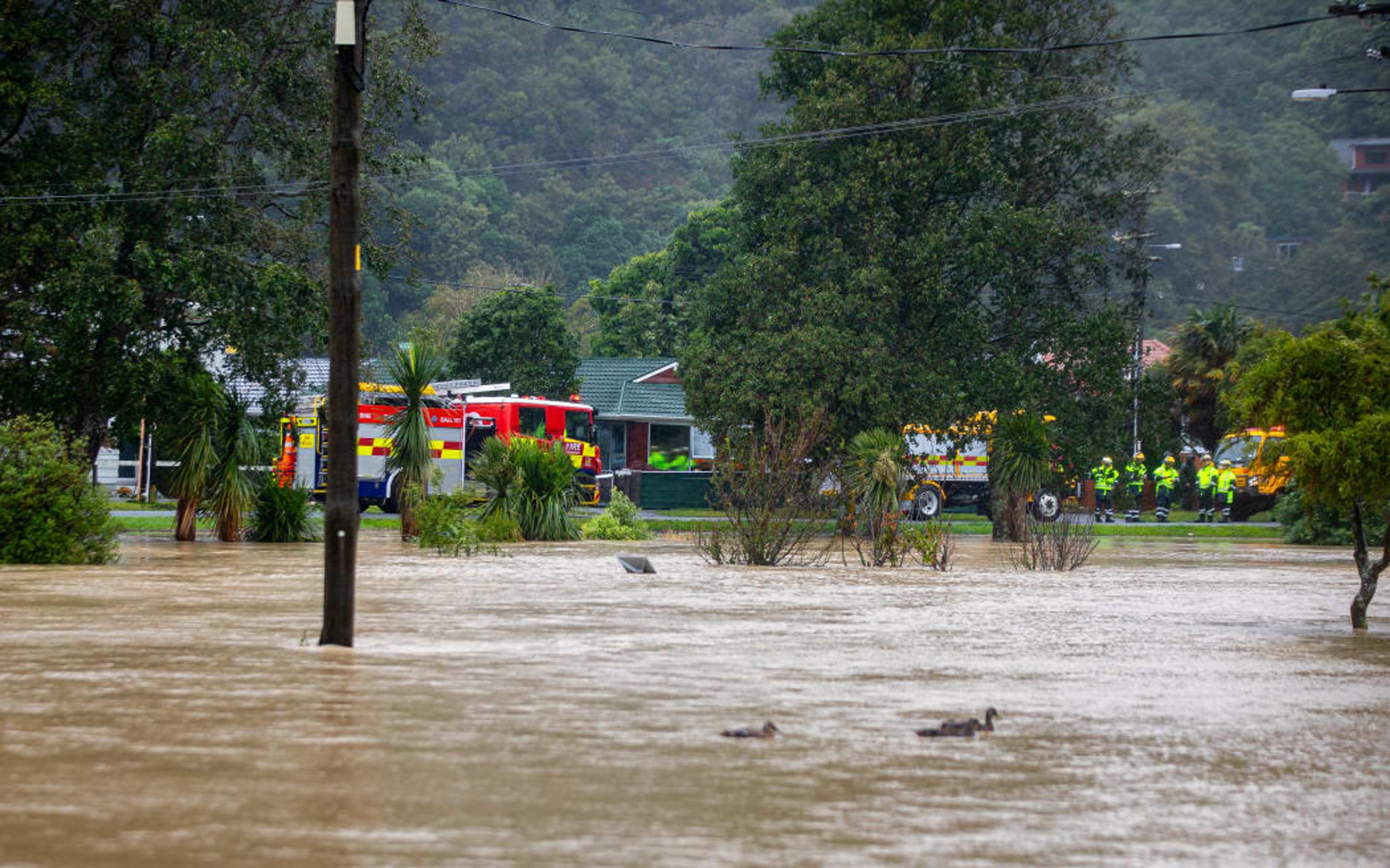
Flood‑affected road in New Zealand’s North Island as heavy rain and strong winds disrupt communities during wild weather. Severe weather warnings and states of emergency remain in place.
Photo/RNZ/Mark Papalii
Environment
Wild weather batters NZ as Pacific cyclone season still active
Aotearoa’s North Island has been hit by heavy rain, flooding, and winds as many districts declare states of emergency.

PMN News
Published
16 February 2026, 4:52pm
Share
Copy Link
Top stories


Pacific rugby unions back Kanaloa bid as Moana Pasifika future hangs in the balance
Christine RovoiWed, 27 May

WHO Pacific chief links youth mental health crisis to climate stress and online harms
Christine RovoiTue, 26 May
Top stories
Pacific rugby unions back Kanaloa bid as Moana Pasifika future hangs in the balance
Christine RovoiWed, 27 May
WHO Pacific chief links youth mental health crisis to climate stress and online harms
Christine RovoiTue, 26 May
Heavy rain, strong winds and widespread flooding have hit New Zealand’s North Island this week, with several regions under states of emergency.
The latest severe weather continues to disrupt daily life, even as the South Pacific cyclone season remains underway.
MetService has issued heavy rain and strong wind warnings across much of eastern, central, and southern parts of New Zealand.
It reports dangerous seas, and flooding is possible as a deep low-pressure systems track near the islands.
Civil Defence authorities have responded accordingly, with states of emergency declared in several districts, including Manawatū, Rangitīkei, Tararua, Waipā, and Ōtorohanga, as heavy rain, rising rivers, slips, and power outages are reported.
Across the North Island, travellers and residents have been urged to batten down for more rain and strong winds, with MetService warnings and watches expanding as the wild conditions persist.
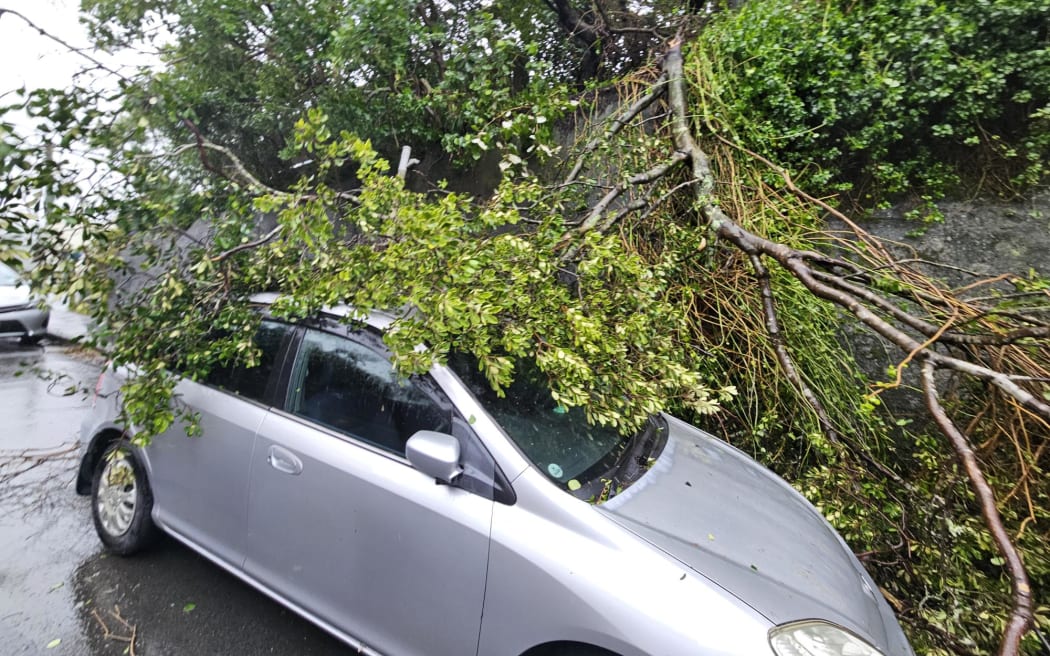
A tree blown onto a car in the Wellington suburb of Brooklyn. Photo/RNZ/Pokere Paewai
The wild weather has brought flooded roads, downed trees, power cuts, and travel disruption, with authorities emphasising the risk of slips and rising rivers.
New Zealand’s weather bureau has warned that the deepening low off the east coast could continue to spawn heavy falls and strong gusts, particularly across central and northern parts of the North Island.
In Wellington, southerly winds and rain have closed beaches and cancelled regional flights, as travellers and families cope with the storm’s impacts.
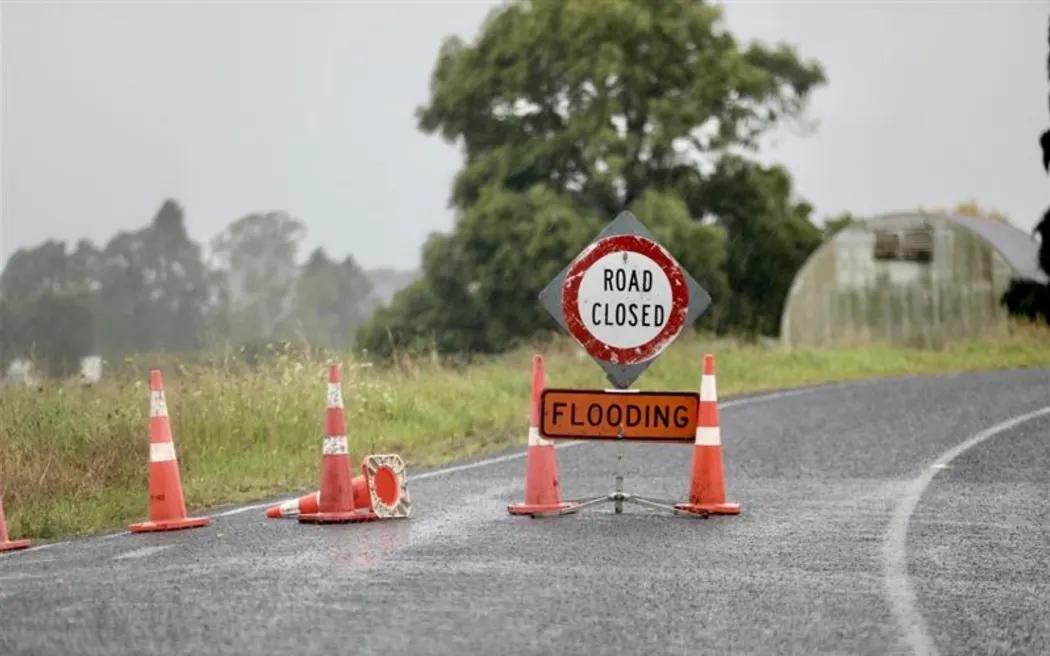
Road closed due in a North Island town after days of rain, illustrating the risk of riverine flooding during unstable weather patterns linked to active Pacific cyclone season.
Pacific cyclone season is still active
While the current wild weather in New Zealand is not being driven by a tropical cyclone, it comes during the South Pacific's cyclone season, which runs from November to April.
The cyclone season formally began on 1 November and will run through to April 2026.
Meteorologists are predicting five to nine cyclones for the southwest Pacific during this period.
A longer-term tropical cyclone outlook from regional weather agencies suggests that the number of cyclones this season could be around or slightly below normal, with a mix of areas in the Pacific expecting regular activity and others seeing lower risks.
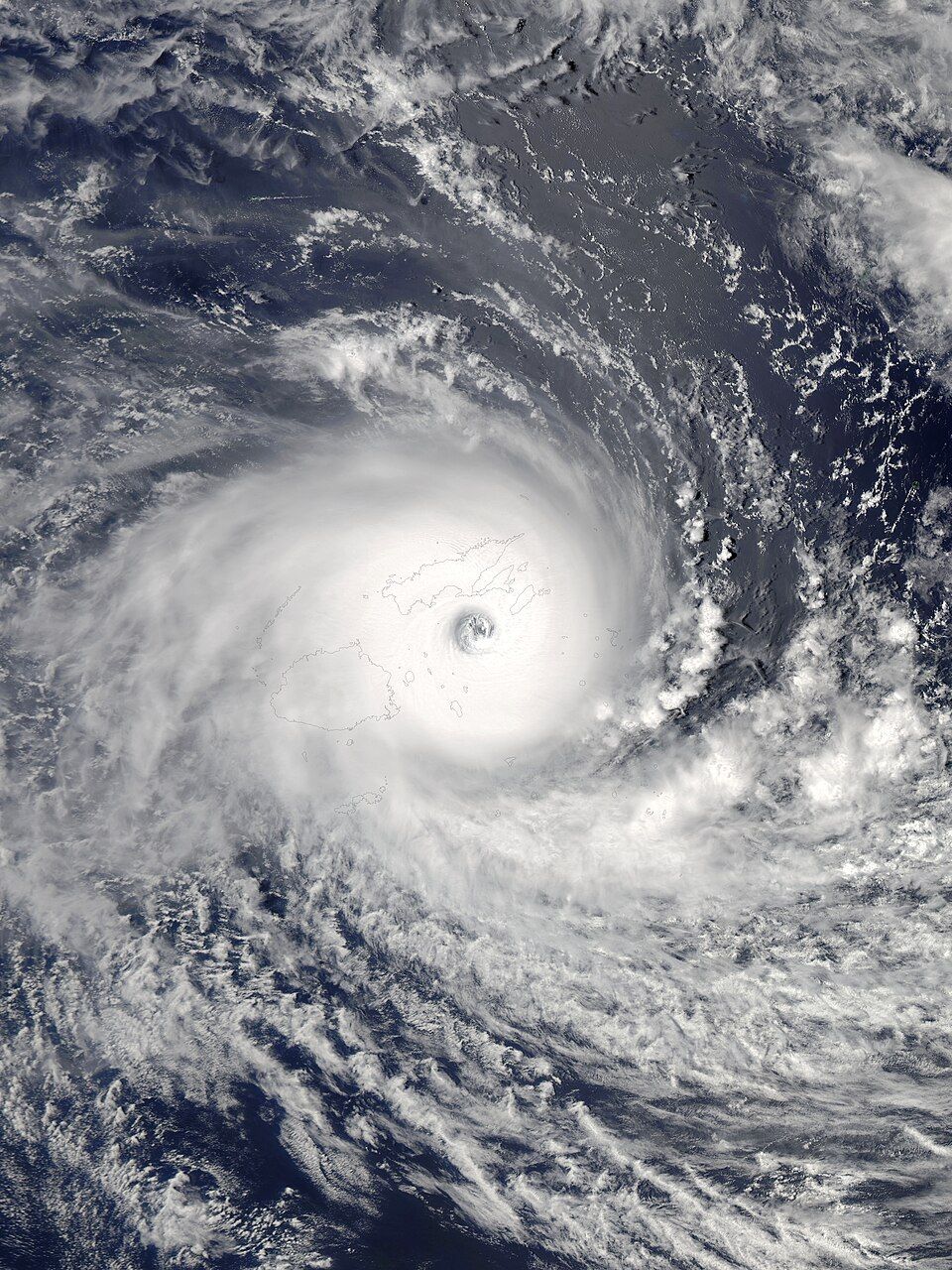
Satellite view of a swirling tropical cyclone over the South Pacific, showing the broader regional context as the cyclone season continues from November to April. Photo/Supplied
Tying NZ and Pacific conditions together
New Zealand’s current wet and windy spell highlights how large-scale atmospheric conditions can affect weather across both NZ and the broader Pacific region.
Strong moist air, low-pressure systems, and shifting winds often bring volatile weather patterns that, while not always tropical cyclones, share the unstable influences typical of cyclone season.
For Pacific nations and communities, the cyclone season carries well-understood risks like heavy rain, strong winds, coastal inundation, and storm surges.
Even distant systems can influence local weather patterns far from the cyclone’s core.
What Pacific communities should know
Stay informed: Official meteorological services and the RNZ Pacific Cyclone Watch continue to provide regular updates.
Be prepared: Cyclone season warnings can apply not only to cyclone formation but also to associated storms and unstable weather that bring flooding and dangerous seas.
Regional readiness: Pacific Meteorological Services encourages readiness for tropical cyclones and wild weather through April, when the official season ends.
While not all severe weather in New Zealand is caused by tropical cyclones, the broad overlap with the Pacific cyclone season reminds communities of how interconnected weather patterns are across Aotearoa and the Pacific islands.