
Future generations law must put Pacific health at the centre - advocate
Christine RovoiFri, 21 Aug
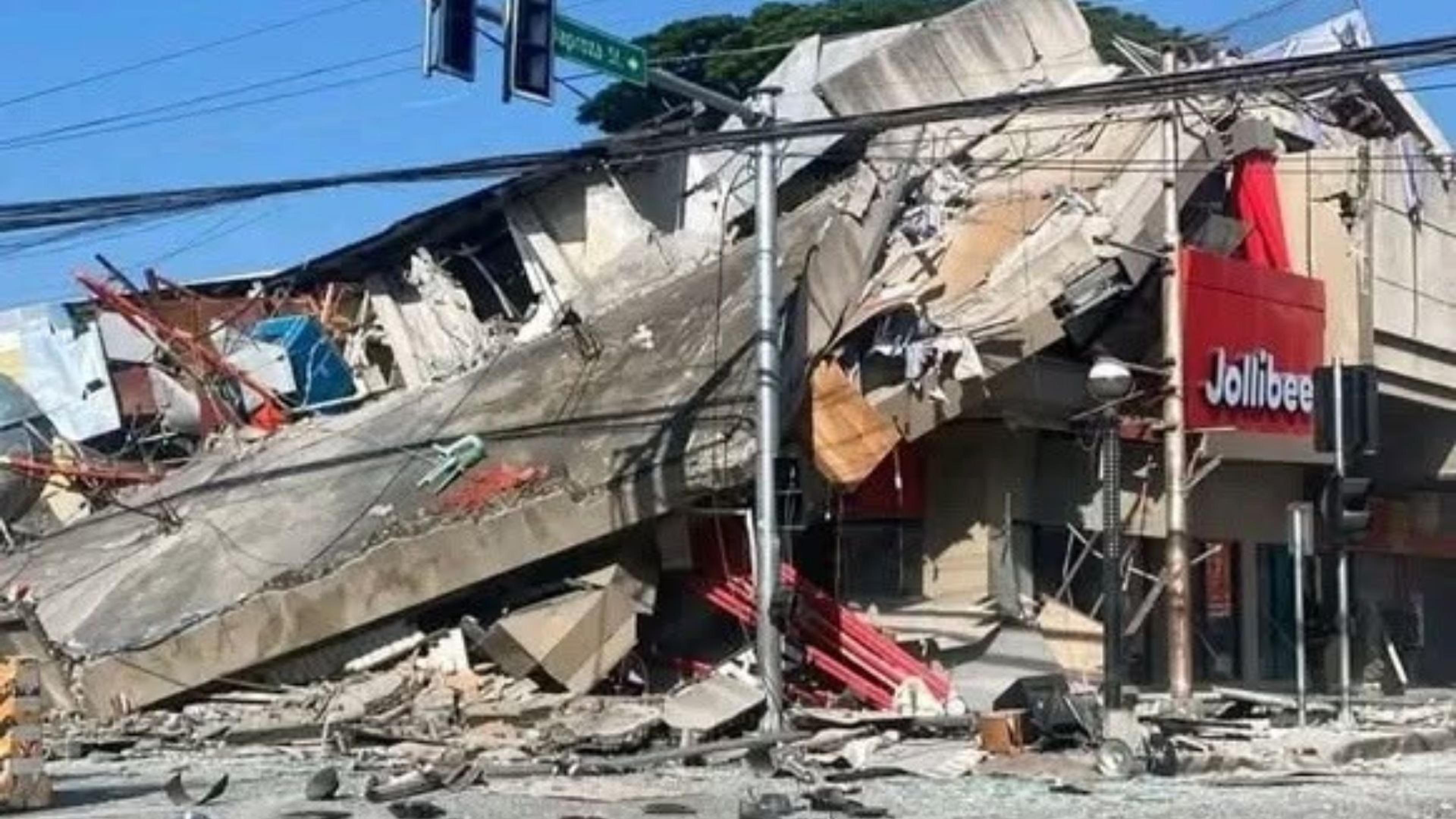
Damage is seen in parts of Mindanao in the southern Philippines after a powerful earthquake struck the region on Monday.
Photo/Supplied
Emergency agencies across the Pacific are monitoring coastal waters as NEMA confirms there is no tsunami threat to Aotearoa.




Pacific emergency agencies are closely watching coastal waters after a powerful earthquake struck the southern Philippines early on Monday.
The death toll from a 7.8-magnitude quake reached at least 15, with more than 100 people injured, disaster agency officials say.
Scientists are checking whether the quake has triggered a tsunami moving through the wider Pacific.
New Zealand’s National Emergency Management Agency (NEMA) and GNS Science have placed coastal monitoring systems on alert following the quake in the Mindanao region.
NEMA has confirmed there is no tsunami threat to New Zealand following the earthquake. While Aotearoa is not under threat, wider Pacific monitoring agencies have issued a regional advisory.
The US Tsunami Warning Centre says tsunami waves are forecast to be less than 0.3 metres above tide levels across parts of the Pacific.
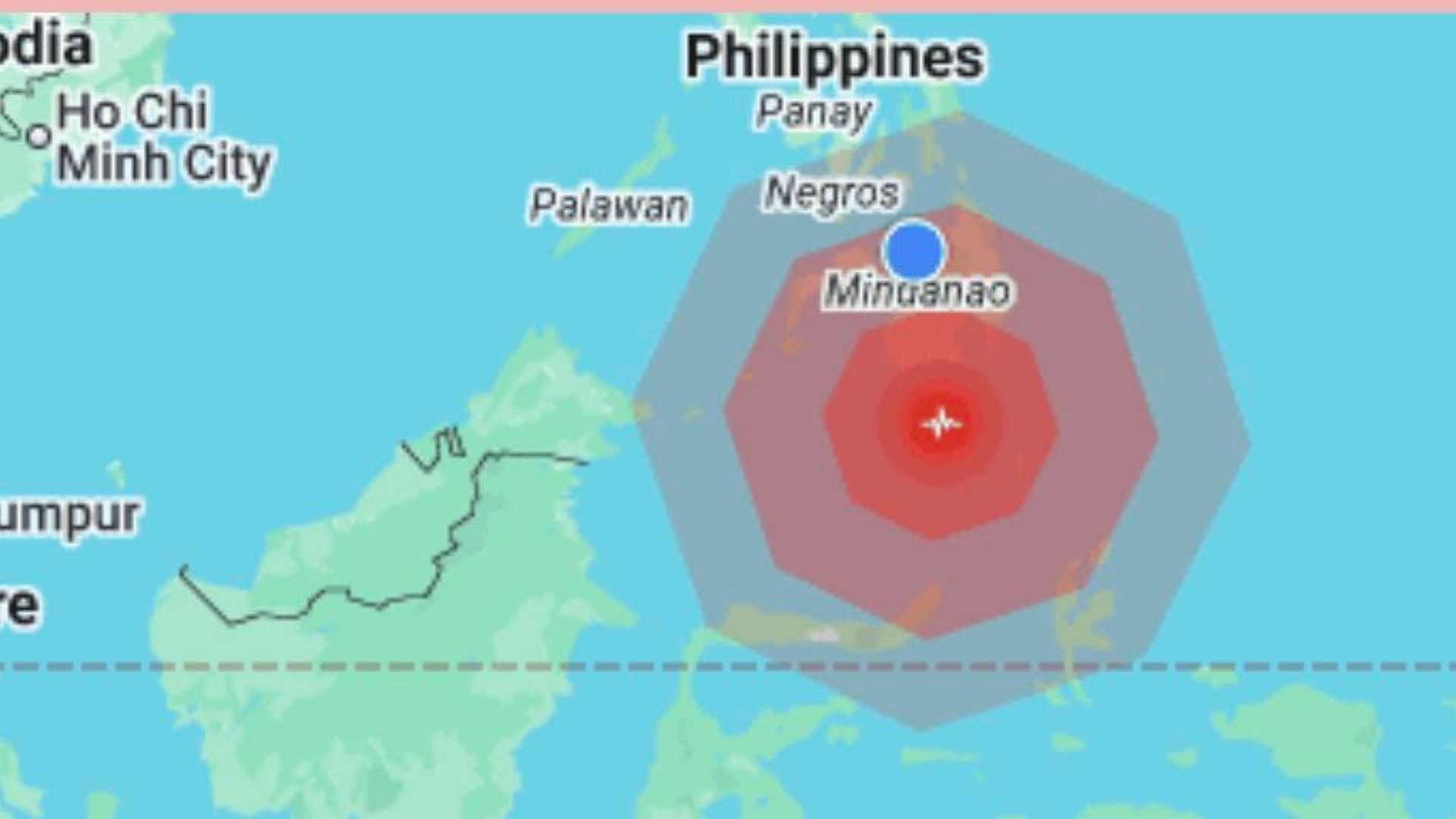
Coastal monitoring systems across the Pacific are on alert after a powerful earthquake struck the southern Philippines, with scientists tracking the potential for a tsunami across the region. Photo/Facebook/Cagayan de Oro Today
Areas listed under this advisory include American Sāmoa, Sāmoa, Tonga, Fiji, Tuvalu, Vanuatu, Solomon Islands, Papua New Guinea, French Polynesia, New Caledonia, Guam, Hawai‘i, Palau, Marshall Islands, Kiribati, Nauru, and the Federated States of Micronesia (Chuuk, Kosrae, Pohnpei and Yap), along with the Northern Mariana Islands, and Wallis and Futuna.
The centre says government agencies in affected coastal areas should take appropriate action to inform and guide local communities, based on their own assessments, procedures and the level of threat.
Early readings from the US Geological Survey and international monitoring centres put the quake’s magnitude between 7.8 and 8.2. It struck at 11.38am New Zealand time, near the southern Philippines coast close to Glan, at a shallow depth.
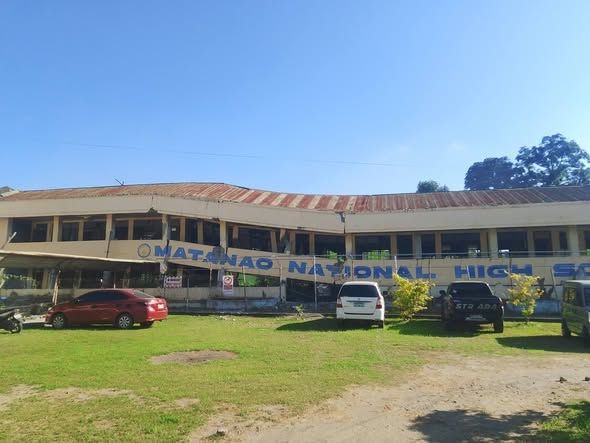
A school building at Matanao National High School in Davao del Sur has been reportedly damaged. Photo/Facebook/The Monitor Mindanao Today
Earlier, NEMA issued a National Advisory shortly before midday while scientists assessed whether the quake had generated a tsunami.
There is no immediate warning of a destructive tsunami reaching New Zealand but officials say the situation is still being closely monitored as new data comes in.
“If a tsunami has been generated in this location, it is not likely to arrive in New Zealand for at least 10 hours,” NEMA said in its initial advisory.
That means any first wave arrival, if one is generated, would not reach New Zealand shores until around 9.30pm on Monday night.
The earthquake sits within the Pacific “Ring of Fire”, the earthquake-prone belt of volcanic and tectonic activity that circles much of the Pacific Ocean and regularly produces major quakes and tsunamis.
GNS Science is tracking deep-ocean pressure data through the DART buoy network across the Southwest Pacific.
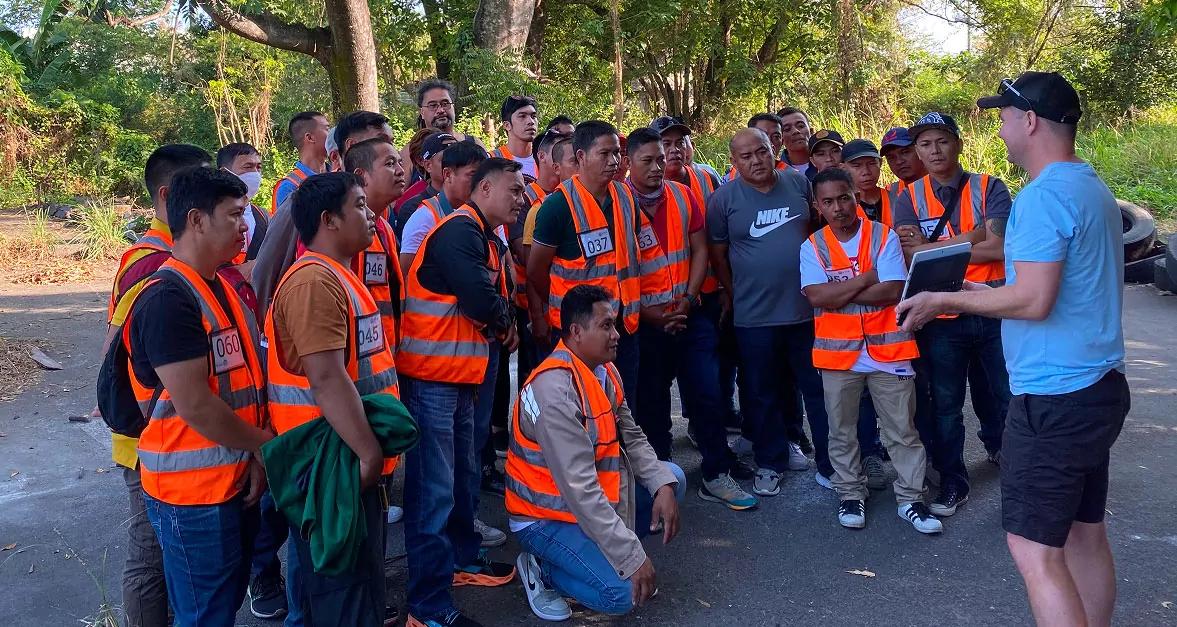
Filipino migrant workers in New Zealand: Filipino and wider Pacific communities are monitoring updates and trying to contact relatives after the strong quake in Mindanao. Photo/workingin.nz
These sensors are used to confirm whether a tsunami has actually formed and is moving across the ocean and not just being triggered by a quake on land.
Officials say this early monitoring stage is critical for small island nations and coastal communities across the Pacific where waves can travel quickly and conditions can change.
The quake is also being felt emotionally across Pacific communities, including in New Zealand, where more than 100,000 people of Filipino heritage live.
Many families are now trying to contact relatives in the southern Philippines especially in areas close to the quake’s epicentre.
The affected region includes populated coastal provinces where many communities live and work near the shoreline.
Watch footage from The World Today on a super strong earthquake that shook Mindanao Island in the Philippines below.
Emergency authorities are urging people across coastal areas not to panic, but to stay alert and follow official updates as the situation develops.
Residents are being advised to stay away from beaches, shorelines and estuaries until further notice, as strong and unusual currents can occur even without a large tsunami hitting land.
Officials say people should rely only on verified updates from emergency agencies and avoid sharing unconfirmed information.
Live updates and official warnings are being published through Civil Defence channels, including www.civildefence.govt.nz and @NZCivilDefence.