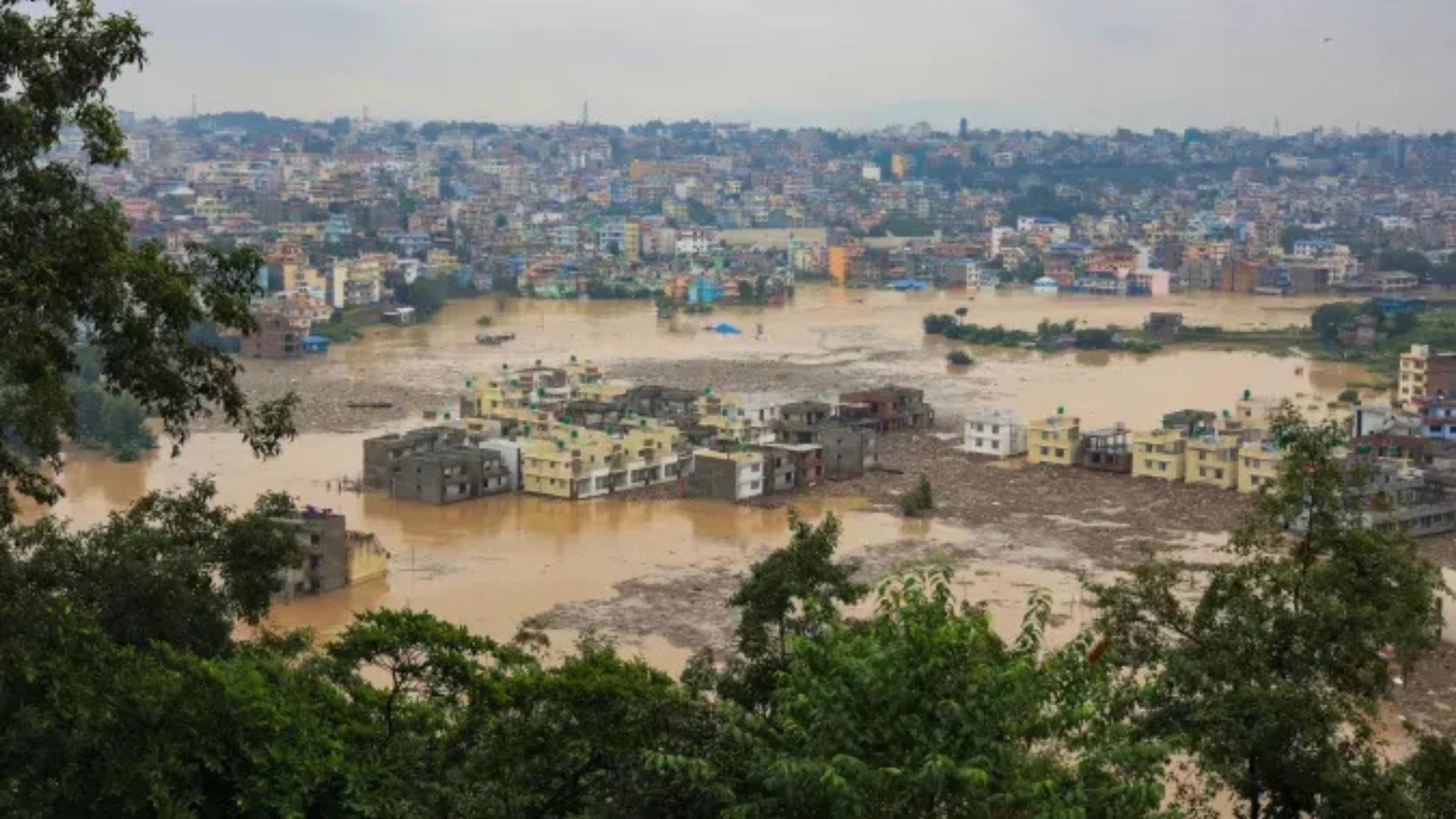
Floodwaters swept through communities in Nepal, destroying homes, roads and bridges and cutting off remote areas.
Photo/UNICEF
Environment
Nepal Floods: ‘Scary time’ for children as rescue teams race to reach communities
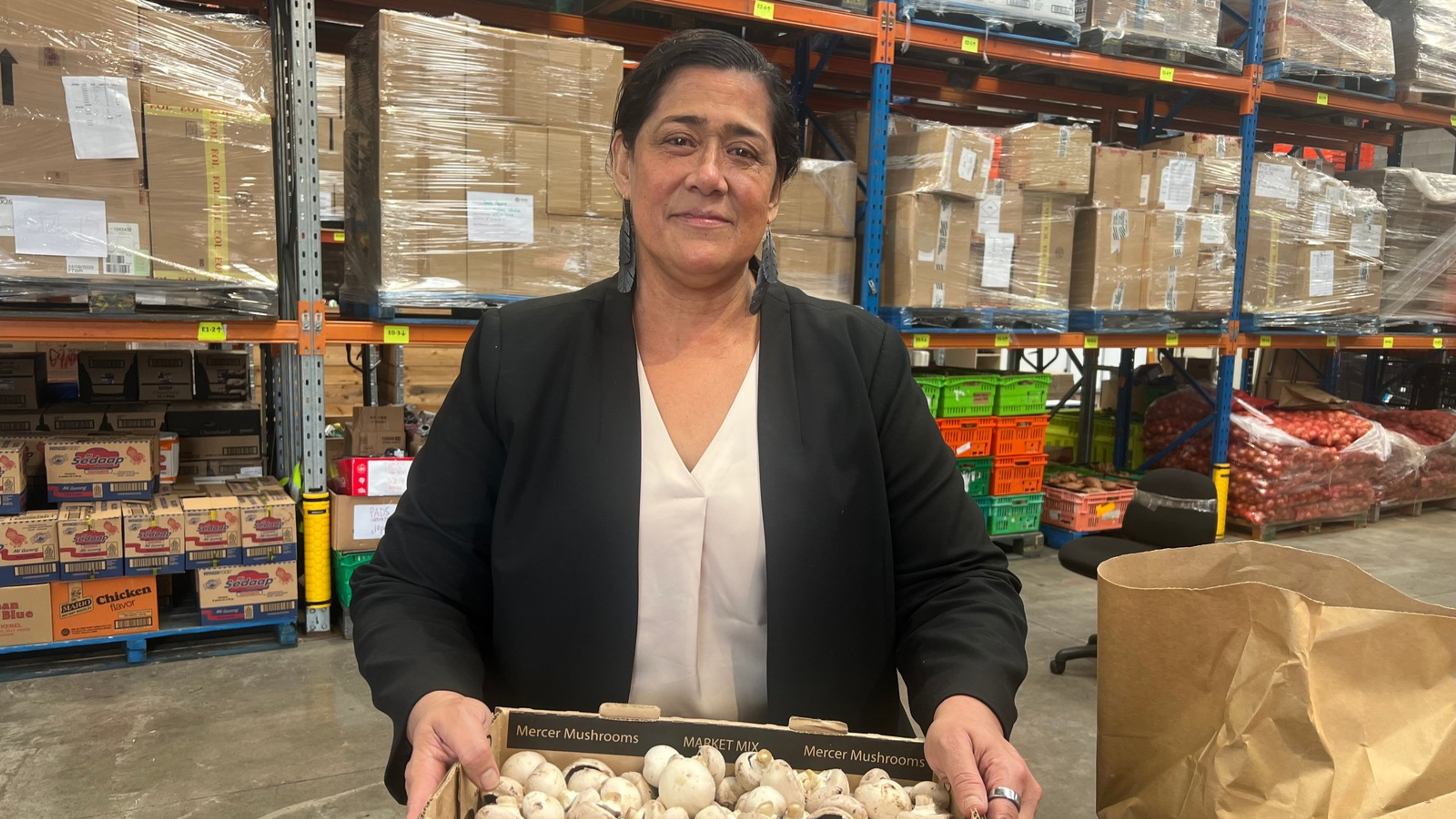
Save the Children NZ’s Heather Campbell says children are among those missing or separated from their families after devastating floods, as the long road to recovery begins.

PMN News
Published
28 August 2026, 12:38pm
Share
Copy Link
Top stories
World Vision warns children will pay for aid cuts beyond the Pacific
Thomas Tarurongo WynneMon, 12 Oct
Mate Ma’a Tonga’s 40-year legacy lives on through generations
Elton Lonaratha JnrMon, 12 Oct
Top stories
World Vision warns children will pay for aid cuts beyond the Pacific
Thomas Tarurongo WynneMon, 12 Oct
Mate Ma’a Tonga’s 40-year legacy lives on through generations
Elton Lonaratha JnrMon, 12 Oct
Children separated from their families, communities cut off and rescuers relying on helicopters to reach survivors - that is the reality facing Nepal after devastating flash floods swept through the country.
At least 390 people have died in Nepal and nearly 1500 remain missing after the disaster struck on Wednesday, with entire communities hit by floodwater, mud and debris.
Among those most at risk are children, with many caught away from home when the floods hit.
Heather Campbell of Save the Children New Zealand, who lived and worked in Nepal for more than three years, says the scale of the disaster is difficult to comprehend.
“It's a devastating disaster, and I think if you've seen like me, just a slurry of flood and water coming and just changing children's and families' lives in an instant," she told William Terite on Pacific Mornings.
Campbell says she has been speaking with colleagues and friends in Nepal and hearing how difficult it is to reach some of the worst-hit communities.
Watch Heather Campbell's full interview below.
Roads and bridges have been destroyed, communications are patchy and some areas can only be reached by helicopter.
“The area has little isolated rural communities that many still haven't heard of. So whole communities have been washed away and others they haven't been heard of.”
Save the Children teams are already delivering emergency supplies, including to families who have lost homes and are sheltering with relatives or in public buildings.
But Campbell says children face particular risks in the chaos following the disaster.
“When the crisis struck, when the floods came, a lot of children were on their way to school or had just started school.”
“We're hearing so many reports of children still missing, children separated from their families. So it's chaotic and it's a scary time.”
New Zealand Red Cross Secretary General Sarah Stuart-Black says the disaster is also being felt in Aotearoa, where there is a strong Nepali community.
“New Zealand has a deep connection to Nepal," her statement read. "We also have a strong Nepalese community here in Aotearoa New Zealand, and we know this will be an incredibly worrying time for people waiting for news from whānau, friends and loved ones."
The New Zealand Red Cross has launched an emergency appeal, with its Nepalese counterpart already delivering drinking water and sending emergency supplies to affected communities.
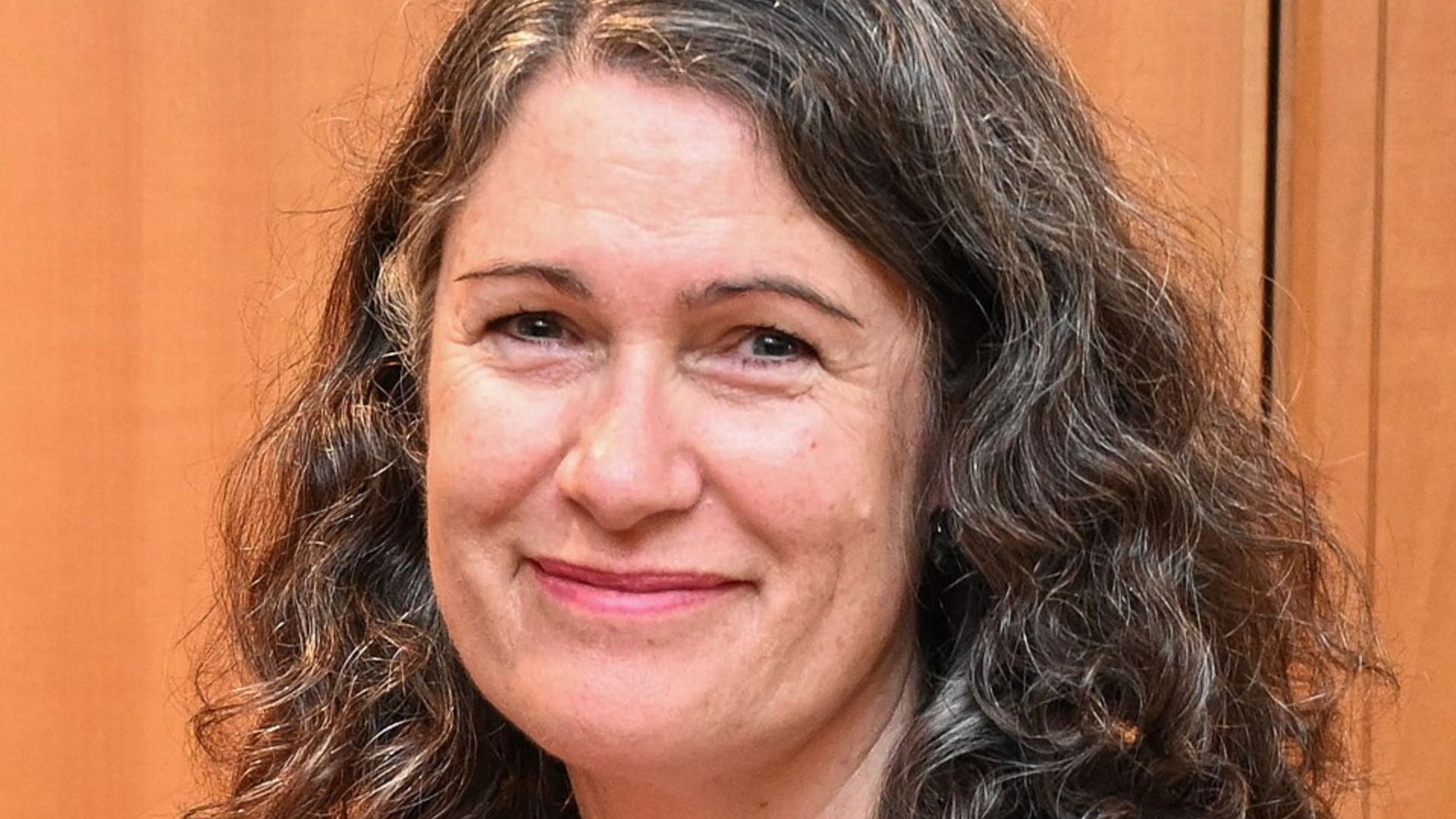
New Zealand Red Cross Secretary General Sarah Stuart-Black says the disaster will be deeply worrying for Nepalese communities in Aotearoa waiting for news of loved ones. Photo/Red Cross
The situation will be familiar to many in Aotearoa and the Pacific, where communities regularly face cyclones, floods, landslides and earthquakes that can cut off roads, damage schools and leave families without basic services.
Earlier this year, Tropical Cyclone Maila affected an estimated 150,000 people in Solomon Islands, damaging homes, schools, health facilities and roads. Recovery funding was still being provided months after the cyclone hit. The storm also struck nearby Papua New Guinea and Fiji.
Campbell says the same long recovery is likely to be needed in Nepal.
“The immediate needs are always emergency. We always need shelter. We need food. We need clean water. But in the long run, we need schools to be back up to normal. We need to make sure that livelihoods are restored, that people have houses to live in.”
Save the Children says it has already provided support to about 1000 families, including emergency shelters, blankets, hygiene kits and baby kits.
The disaster is also hitting close to home for families in Aotearoa, with five New Zealanders reported missing in the affected region. Most were understood to have been travelling on a pilgrimage towards the Tibet border.
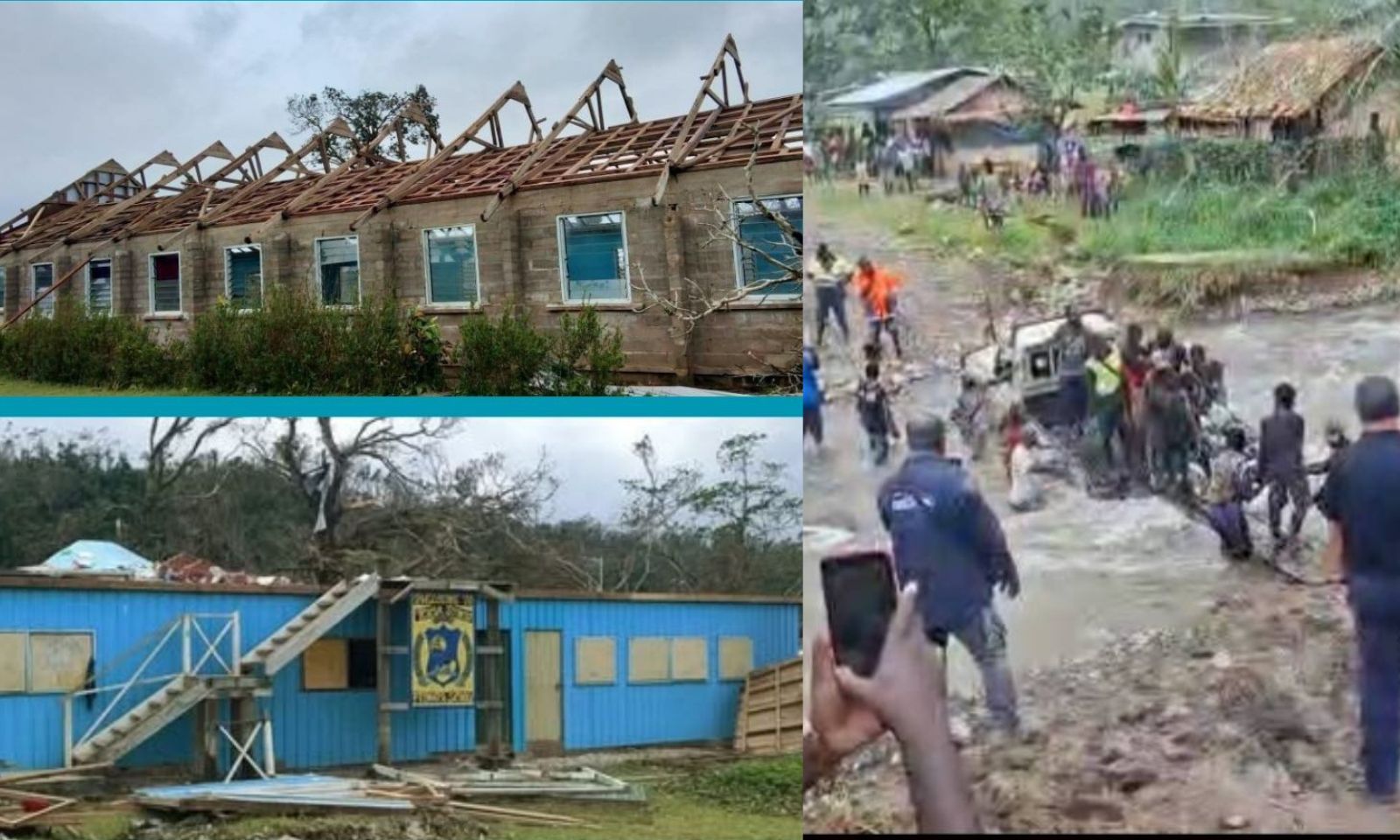
Tropical Cyclone Maila caused widespread damage across Solomon Islands and Papua New Guinea, highlighting the challenges Pacific communities face when disasters cut off roads and essential services. Photo/Supplied
New Zealand officials have warned that the full number of New Zealanders in the region is not known, with damaged roads and communications making it difficult to establish who may be affected.
Australia is also searching for 39 people reported missing while sending additional consular and humanitarian staff to Nepal. The Australian government has announced a $5 million (NZ$6.04 million) humanitarian package for affected communities.
Australian Foreign Minister Penny Wong says the government is working to support Australians caught up in the disaster and the wider humanitarian response.
“First, I'd say this is obviously an awful disaster and we are focusing on mobilising more consular support, more humanitarian support, and working to confirm the welfare of missing Australians,” Wong told media.
Campbell says Save The Children's local team is working around the clock despite facing the same disaster as the communities they are helping.
“They're working under, they're working round the clock in really difficult circumstances, but they're putting the needs of children and families first.”
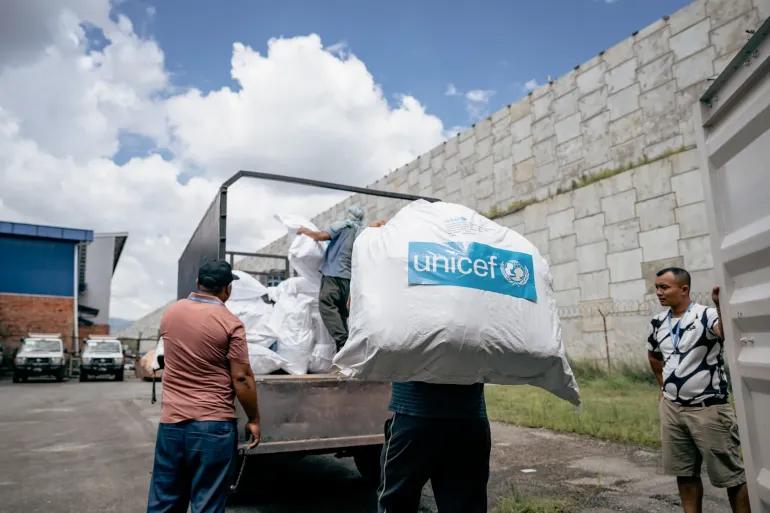
UNICEF staff load hygiene kits at Tribhuvan International Airport in Kathmandu for delivery to flood-affected communities in Rasuwa, Nuwakot and Dhading districts, supporting children and families with immediate hygiene and sanitation needs. Photo/UNICEF
For Campbell, who still has close ties to Nepal, the disaster is personal. “These are areas where, you know, my boys took some of their first hikes.
"We know the tea shops and actually I've been reflecting...I mean, these are probably communities that I've sat down with, that we talked to, their families.”
She says the focus now is on finding survivors and reuniting children with their families, but the work will continue long after the immediate emergency ends.
“And then usually the longer term support is a year or two. So that's pretty much what happens next.”
Save the Children says its teams will continue supporting children and families as the emergency response moves into recovery.