
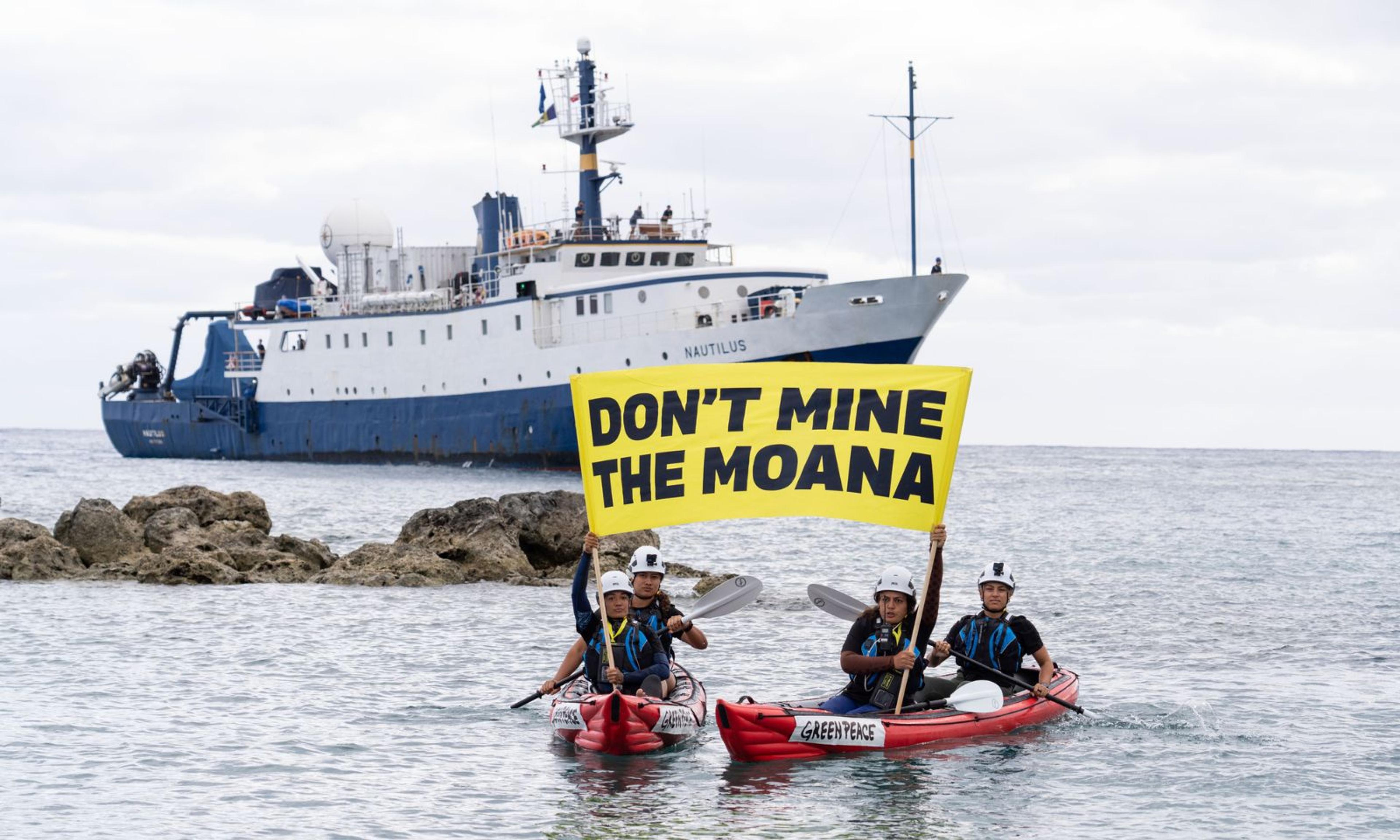
Opposition to seabed mining has drawn strong resistance from iwi, environmental groups and coastal communities across Aotearoa.
Photo/Greenpeace/Robin Hammond
Environment
NZ government warned against pressure on seabed mining by US
Critics say Aotearoa risks environmental destruction, Te Tiriti violations, and becoming a pawn in Donald Trump's Pacific ambitions.

Christine Rovoi
Published
13 February 2026, 4:08pm
Share
Copy Link
Top stories

Visa-free Pacific-travel push splits Parliament as ACT holds back
'Alakihihifo VailalaThu, 12 Feb

'Keep the eyeballs on the game': All Blacks legend backs Super Rugby shake-up
Latonya LoleThu, 12 Feb

Kiridox and Folau drop island love anthem before Valentine’s Day
Atutahi Potaka-DewesThu, 12 Feb
Top stories
Visa-free Pacific-travel push splits Parliament as ACT holds back
'Alakihihifo VailalaThu, 12 Feb
'Keep the eyeballs on the game': All Blacks legend backs Super Rugby shake-up
Latonya LoleThu, 12 Feb
Kiridox and Folau drop island love anthem before Valentine’s Day
Atutahi Potaka-DewesThu, 12 Feb
News that the New Zealand Government is in discussions with the Trump administration over a critical minerals supply deal has drawn fierce criticism from environmentalists.
Greenpeace Aotearoa warns of unchecked seabed destruction, violations of Te Tiriti o Waitangi, and the risk of Aotearoa being used to further United States geopolitical ambitions in the Pacific.
Prime Minister Christopher Luxon confirmed that New Zealand is one of more than 40 countries in discussions with the United States about critical minerals cooperation.
But he stressed that no decisions have been made and described some reporting about the talks as “speculative and hypothetical”.
Officials have characterised the discussions as exploratory rather than a binding agreement.
At the same time, New Zealand is grappling with domestic seabed mining issues. Last weekend, a fast-track approvals panel issued a draft decision to decline Trans‑Tasman Resources’ South Taranaki Bight proposal, citing credible risks to marine life.
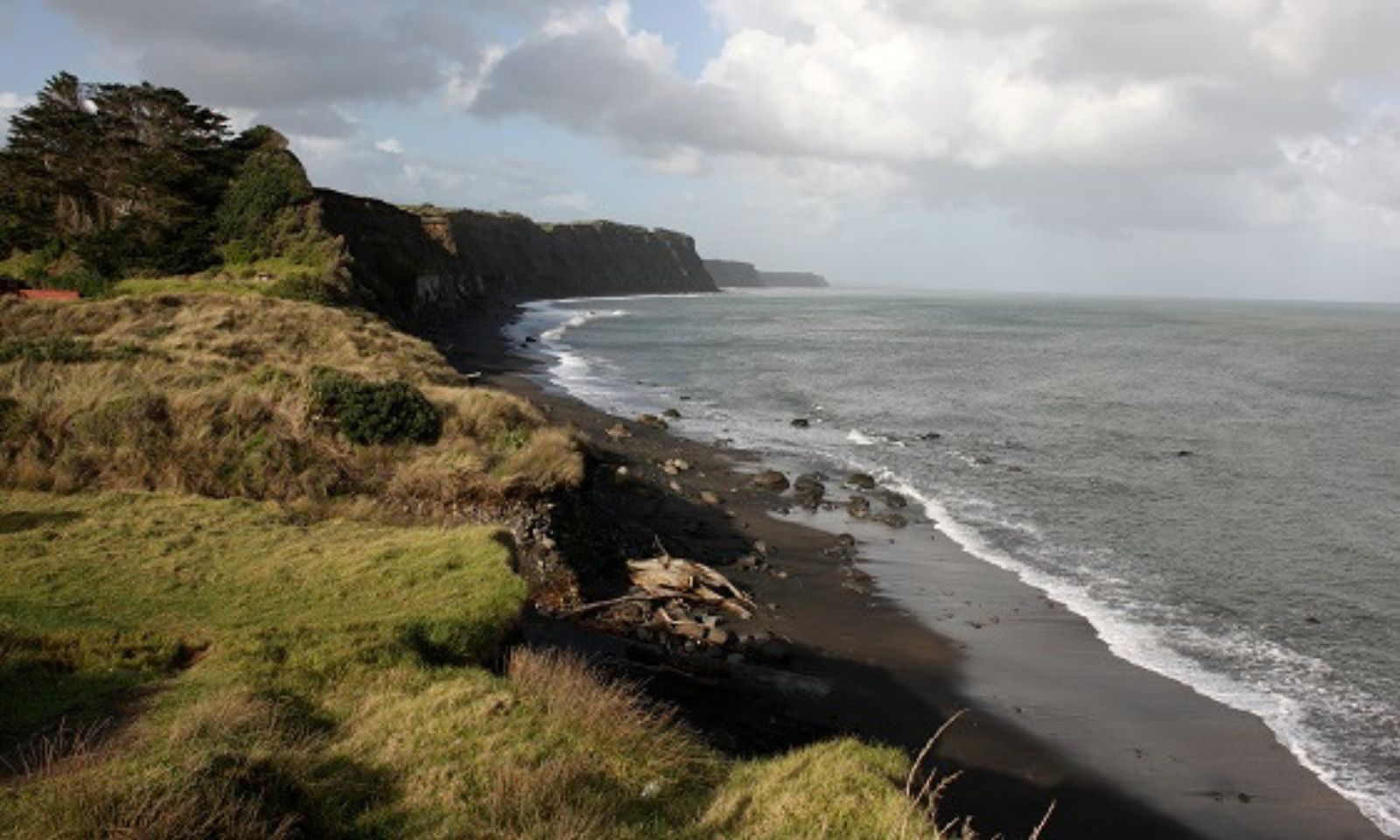
The South Taranaki Bight, where a proposed seabed mining project was recently declined in a draft decision under the Government’s fast-track approvals regime. Photo/South Taranaki District Council
While the ruling is still draft and subject to legal challenge, local iwi and environmental groups have welcomed it as a major win for ocean protection
Russel Norman, Executive Director of Greenpeace Aotearoa, says New Zealand must resist being pushed into a deal that could accelerate environmental damage at home. “The Trump administration is showing absolute disregard for everything other than their own agenda and greed," he said in a statement.
"Pacific Peoples and over 40 nations have rejected the idea of mining the ocean, but here’s the US issuing ultimatums, trying to force the start of this industry. Clearly, the will of Indigenous Peoples and Pacific nations does not matter in the Trump administration’s resource and power grab.”
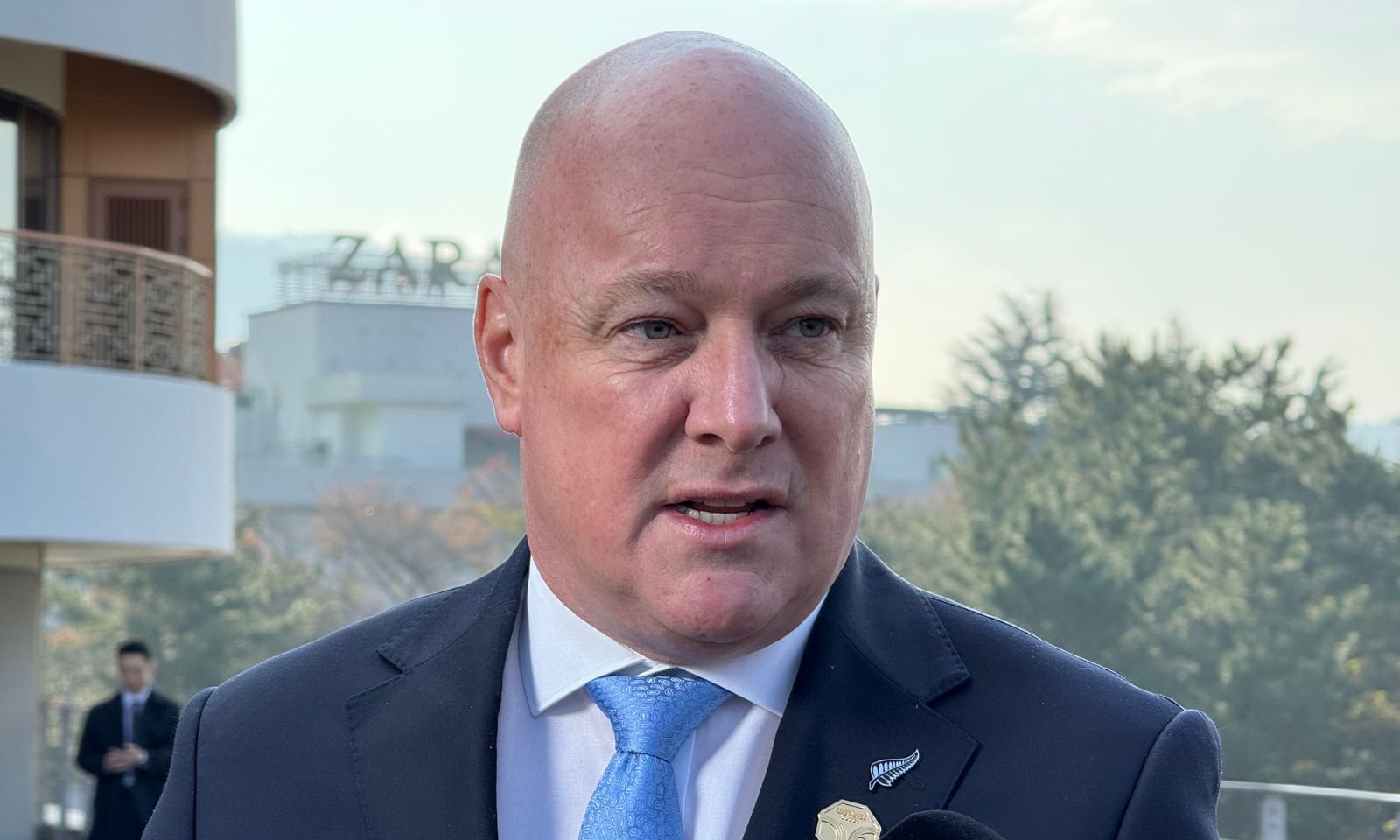
Prime Minister Christopher Luxon says discussions with the United States on critical minerals are exploratory and that no decisions have been made. Photo/PMN News/Ala Vailala
A joint statement from senior NZ and US officials said both sides had committed to exploring “further opportunities to expand co‑operation on critical minerals… to ensure economic resilience and mutual prosperity".
At home, the New Zealand Government has faced heightened scrutiny over seabed mining. Just on the weekend, an expert panel under the Government’s Fast-Track Approvals Act issued a draft decision to decline Trans-Tasman Resources’ application to mine the South Taranaki Bight seabed.
The decision concluded that credible risks to marine life, including threatened Māui dolphins, little penguins and other species, outweighed the project’s benefits.
Local iwi, environmental groups, and community campaigners have celebrated the draft decision as a victory for moana protection, though it is still subject to final determination and legal challenge.
Luxon said he could not comment on the draft seabed mining panel’s decision because it was still preliminary, and the process must be allowed to run its course before a final determination is made.
He also said that the Government was not “anti‑mining” and emphasised the importance of critical minerals for technologies such as electric vehicles and renewable energy.
Deep-sea mining exploration has accelerated globally, raising concerns from Pacific nations and environmental groups about irreversible harm to ocean ecosystems. Photo/Supplied
Norman says Trump’s push for a critical minerals deal is part of a broader effort to open up the ocean to industrial exploitation.
Last year, the US issued an executive order to accelerate seabed mineral extraction.
Since then, it has signed exploration deals with the Cook Islands and sent expedition vessels into Pacific waters, while also planning to open US territories such as American Sāmoa to mining.
“The US is pressuring every nation they can, including us here in Aotearoa, to bend to their will," Norman says. "But resistance to mining the seafloor here and around the Pacific is strong.
Last week, the US made it easier for mining companies to exploit the ocean by combining exploratory and commercial applications into a single permit process, reducing environmental reviews.
The day after the change, The Metals Company USA applied for a consolidated permit to explore and mine in the Pacific.
In the wider Pacific context, a Cook Islands government spokesperson said seabed mineral cooperation should be grounded in robust scientific research and careful environmental assessment.
“It’s important to balance potential economic benefits with the protection of ocean ecosystems,” the official said in a statement, emphasising responsible exploration and development.
Norman warns that New Zealand’s role in any deal could set a precedent for the region.
“New Zealand must not be responsible for helping open up Pandora’s Box on seabed mining," he said. "The ocean is too precious to mine, the people of this region depending on its health and integrity for survival.”
Experts say the situation highlights growing tension in the Pacific: balancing trade relationships with powerful nations against the environmental and social needs of local communities.
Greenpeace says their message is clear: any deal that prioritises foreign interests over Pacific voices risks long-term damage to the region’s marine environment and the communities that depend on it.