El Niño tightens grip on Pacific as authorities warn of drought and extreme weather
Lachlan EddieFri, 23 Oct
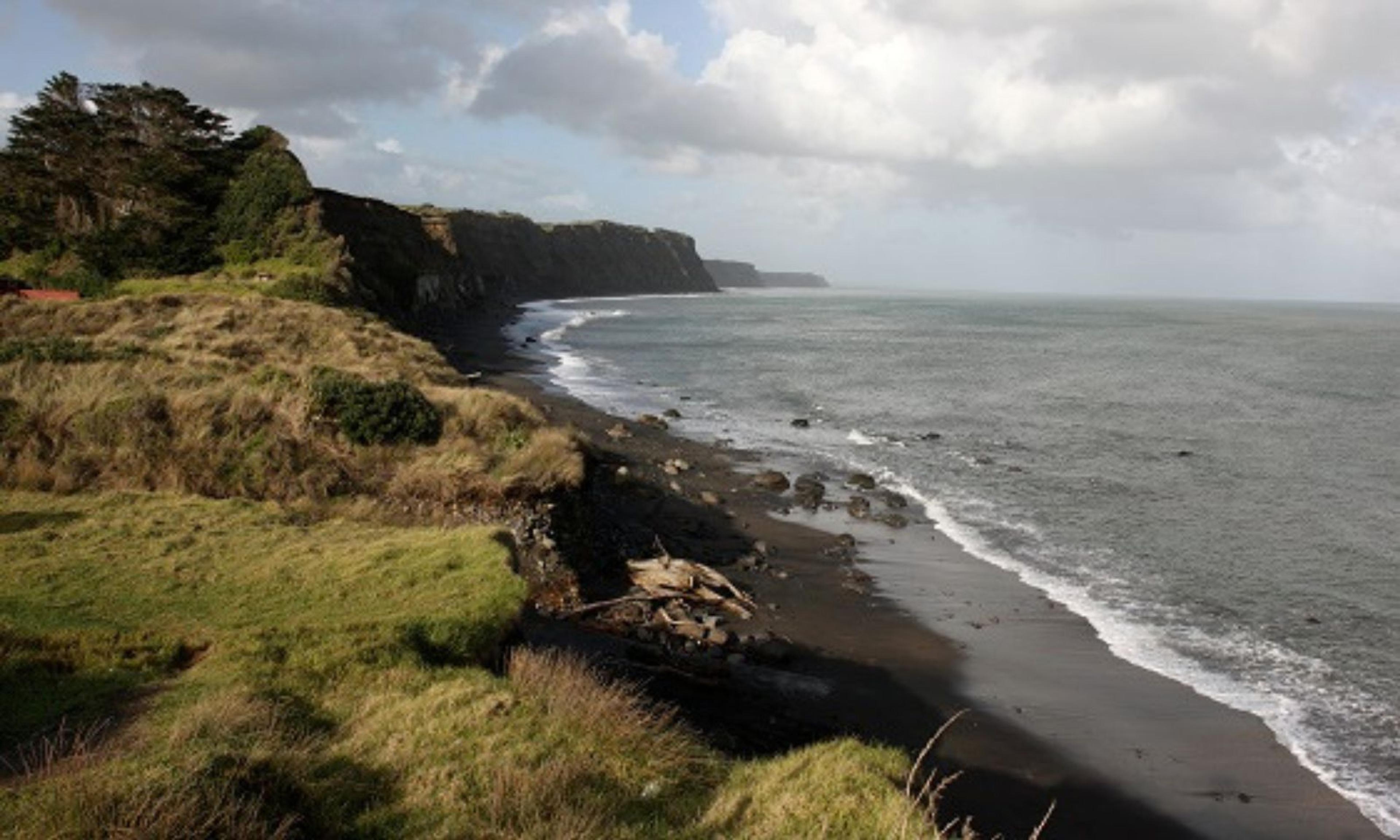
The coastline between Ohawe Beach and Waihi Beach, part of the wider South Taranaki Bight region where plans for seabed mining have been rejected by a government expert panel, in a decision campaigners say protects the moana and marine life.
Photo/South Taranaki District Council
The decision has been welcomed by iwi, environmental groups, and Pacific voices who warn seabed mining threatens culture and environment.



Plans to mine the seabed off the coast of Taranaki have been rejected, in a decision campaigners say is a major victory for communities, iwi, the Pacific and the ocean.
In a draft decision released on Wednesday, the Fast Track expert panel declined consent for Trans Tasman Resources’ proposal to mine the seabed in the South Taranaki Bight.
The Australian company had sought to extract iron-rich sand from the ocean floor.
The panel found the project would likely cause serious harm to marine ecosystems and threatened species, including pygmy blue whales and penguins, and concluded the risks could not be safely managed, even with conditions attached.
For many Māori and Pacific people, the moana is not just a resource but a living ancestor that carries cultural knowledge and identity.
Opponents have long warned that industrial extraction threatens these relationships.
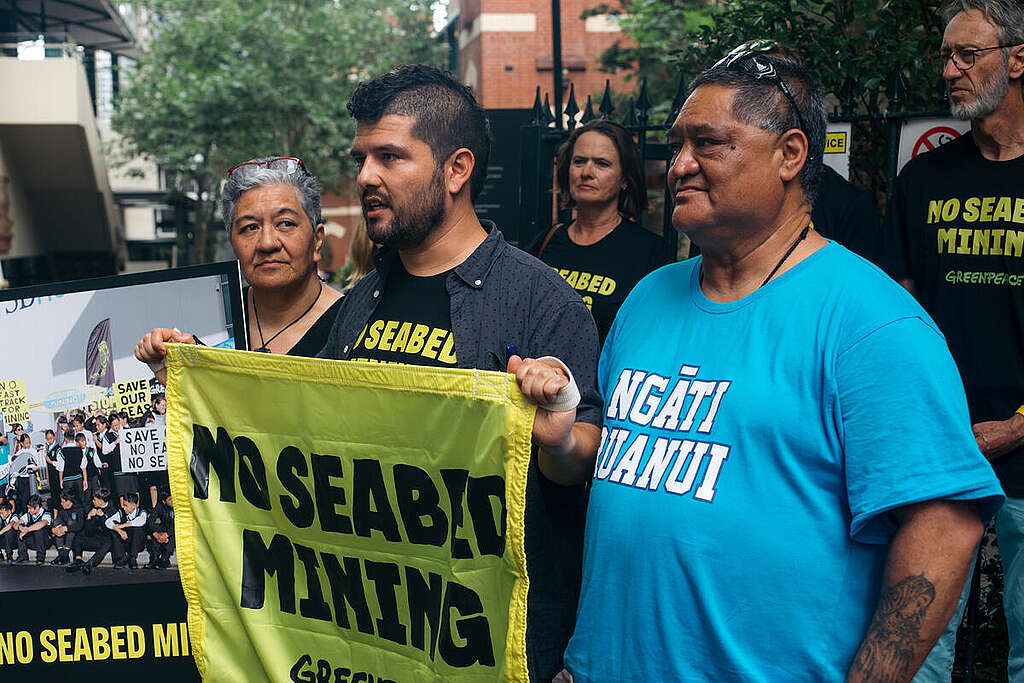
Iwi, community members, and environmental groups have opposed seabed mining in Taranaki for more than a decade, warning it would cause lasting harm to the ocean. Photo/Greenpeace
Greenpeace Aotearoa, which has campaigned against seabed mining for more than a decade, welcomed the decision alongside iwi and environmental groups.
Juressa Lee, Greenpeace Aotearoa seabed mining spokesperson, said in a statement: "This is the outcome we have been fighting for over 12 years. It shows exactly what happens when communities, iwi, experts and ocean protectors stand together."
She said the decision affirmed long-held concerns from local communities that seabed mining would cause lasting damage to the moana and its life.
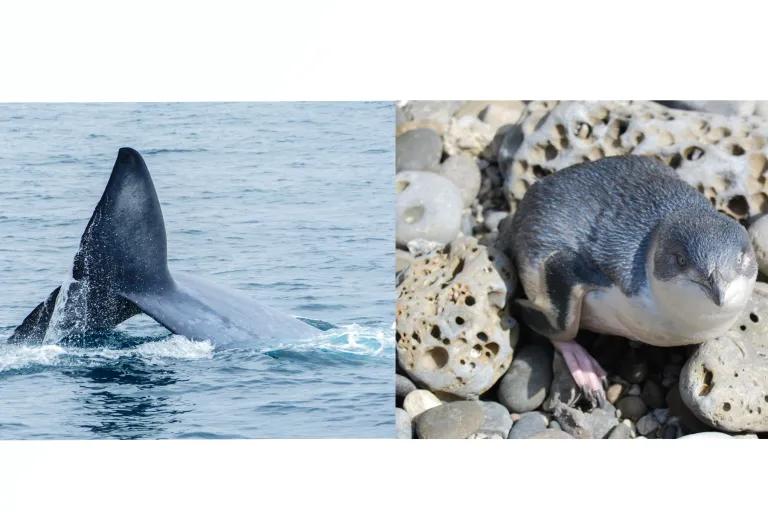
The expert panel found seabed mining could cause serious harm to marine ecosystems and threatened species, including pygmy blue whales and penguins. Photo/Department of Conservation
"This win today is a powerful validation of what iwi and the communities of Taranaki and Aotearoa have been saying for years, seabed mining is simply too destructive to go ahead," Lee said.
Voices from across the Pacific have also spoken out strongly against seabed mining. Louisa Castledine, a Cook Islands activist and spokesperson for the Ocean Ancestors collective, said the movement opposing seabed extraction was growing and rooted in Indigenous rights.
"Right now, global superpowers like the U.S. are vying for control of deep-sea minerals throughout the Pacific, in an attempt to assert their military might," Castledine said during a peaceful protest in Rarotonga in October.
"Seabed mining will lead to the destruction of our home environments and put our Indigenous rights, cultural ways of living, and wellbeing at risk. … As Indigenous Peoples and custodians of the ocean, we say NO to seabed mining."
She also said Pacific people are awake to threats from the seabed mining industry and must resist exploitation. "We have long endured environmental and political injustices, brought about by colonialism, that forcefully displace and compromise our way of living and survival.
"We are taking a stand against the exploitation of our people and resources," she added.
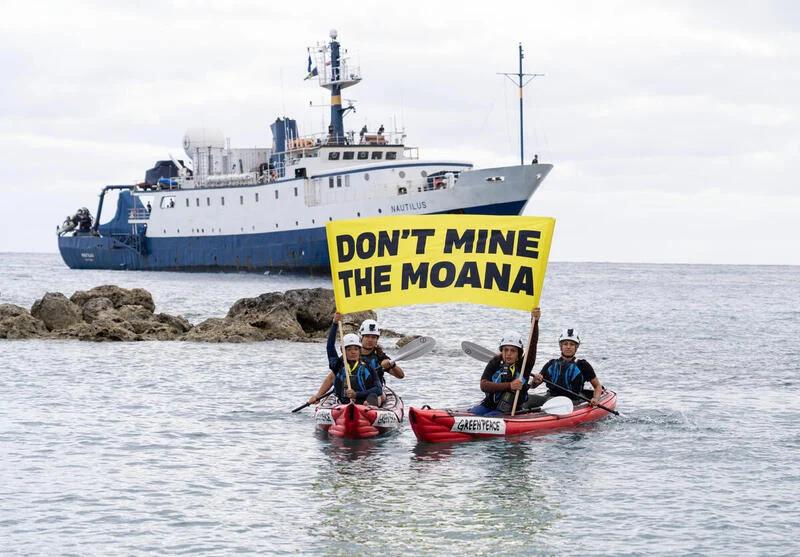
Pacific communities across Te Moananui a Kiwa have spoken out against seabed mining, saying it threatens Indigenous rights, culture and the health of the ocean. Photo/Greenpeace
Campaigners are now urging the New Zealand Government to take stronger action by banning seabed mining altogether.
Greenpeace says nearly 60,000 people across Aotearoa have signed petitions calling for an outright ban.
"Now the New Zealand government must listen," Lee said. "Nearly 60,000 people around Aotearoa signed petitions calling for an outright ban on seabed mining in Aotearoa.
"As we head into an election year, government officials should remember that this is who they represent and commit to taking bold action to protect the moana by banning seabed mining," she said.
Greenpeace has taken part in several high-profile protests against Trans Tasman Resources, including actions alongside Ngāti Ruanui and Pacific allies.
Activists occupied the offices of mining industry lobby group Straterra in September 2024 and later disrupted the annual general meeting in Sydney of Manuka Resources, the Australian parent company of Trans Tasman Resources.
Lee said the decision shows what collective action can achieve. "Iwi, the local community, and tens of thousands of New Zealanders have stopped Taranaki from being carved up for sale.
"To prevent this happening again, we must ban seabed mining outright for the waters of Aotearoa, and ensure the moana is never pillaged to line mining industry pockets."