
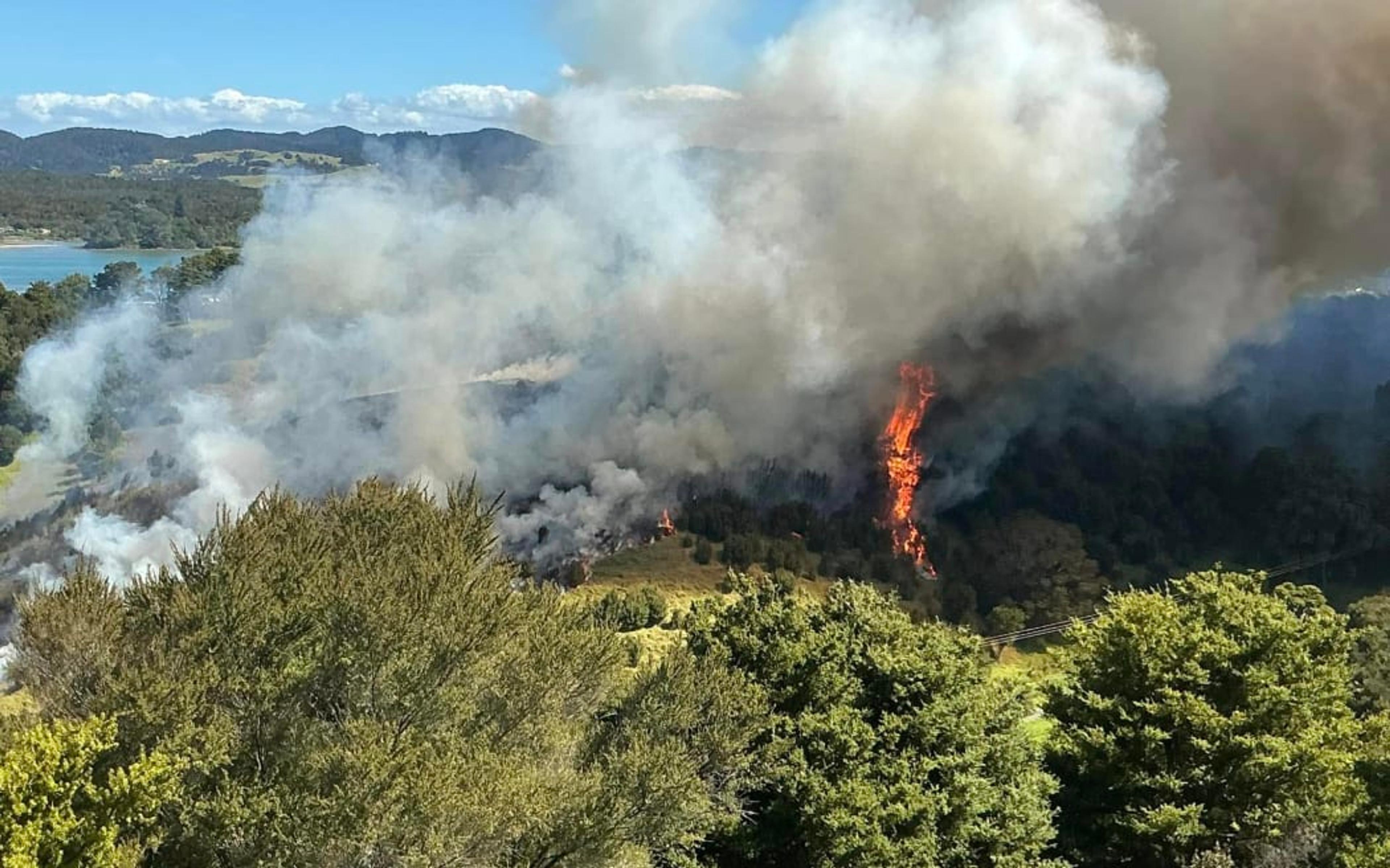
Dry conditions across parts of New Zealand have increased the risk of wildfires as hot, windy weather returns this weekend.
Photo/Supplied/Ann Austin/RNZ
Environment
Fire danger rises across New Zealand as hot and dry weather returns
People are urged to take extreme care this weekend as high temperatures, strong winds, and low humidity raise the risk of wildfires.

PMN News
Published
08 January 2026, 6:26pm
Share
Copy Link
Top stories

‘I made my own door’: The pro footballer who turned stigma into a global sock brand
Atutahi Potaka-DewesTue, 22 Sep

‘We’re so blessed’: Penrhyn community welcomes NZDF crews
Thomas Tarurongo WynneMon, 21 Sep

Treaty row grows after leaked message links funding and PM's no-confidence motion
Christine RovoiMon, 21 Sep
Top stories
‘I made my own door’: The pro footballer who turned stigma into a global sock brand
Atutahi Potaka-DewesTue, 22 Sep
‘We’re so blessed’: Penrhyn community welcomes NZDF crews
Thomas Tarurongo WynneMon, 21 Sep
Treaty row grows after leaked message links funding and PM's no-confidence motion
Christine RovoiMon, 21 Sep
After weeks of wet holiday weather, summer heat is returning to Aotearoa New Zealand and fire officials are warning the public to be on high alert.
Fire and Emergency New Zealand (FENZ) says many parts of the country will face elevated fire danger over the coming days, with some areas expecting temperatures above 30 degrees, strong wind gusts and very low humidity.
Experts are warning of extreme heat and a high fire risk on Friday, with temperatures forecast to reach the low to mid-30s in places such as Whakatāne, Napier, Hastings, Motueka, Blenheim, and Kaikōura, potentially breaking last month’s record highs.
Outdoor fires are now banned in the northernmost part of Aotearoa, as Fire and Emergency New Zealand has placed the Muri Whenua Fire Zone in Northland into a Prohibited Fire Season from midday Tuesday, 30 December 2025, due to dry conditions, strong winds, and a high risk of fires spreading rapidly.
Nick Pyatt, FENZ's Deputy Chief Executive, Prevention, says these conditions create a serious wildfire risk.
“This weekend, many parts of the country will be experiencing elevated fire danger conditions,” he says in a statement. “These conditions are what we call a perfect storm for wildfire risk.”
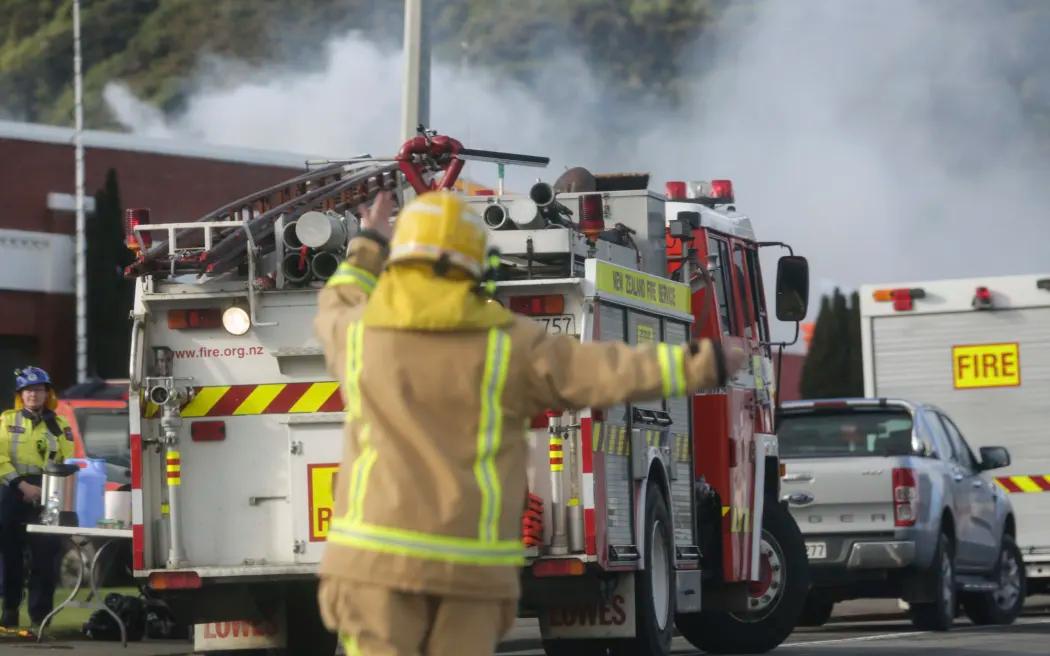
Firefighters are urging the public to take extra care, warning that even a single spark can quickly start a wildfire in dry, windy conditions. Photo/RNZ/Richard Tindiller
The highest risk areas include Canterbury, Marlborough, Wairarapa, Hawke’s Bay, Tairāwhiti, and Northland, which have big rural populations and strong Pacific communities, including many seasonal workers living in shared accommodation near farms and orchards.
Pacific families are being urged to take extra care with outdoor cooking, cultural gatherings and household activities that could cause sparks, especially in dry or windy conditions.
Pyatt says nearly all wildfires in New Zealand are started by people. “About 97 per cent of wildfires in Aotearoa are caused by human activity,” he says. “We can’t control the weather, but we can control our actions.”
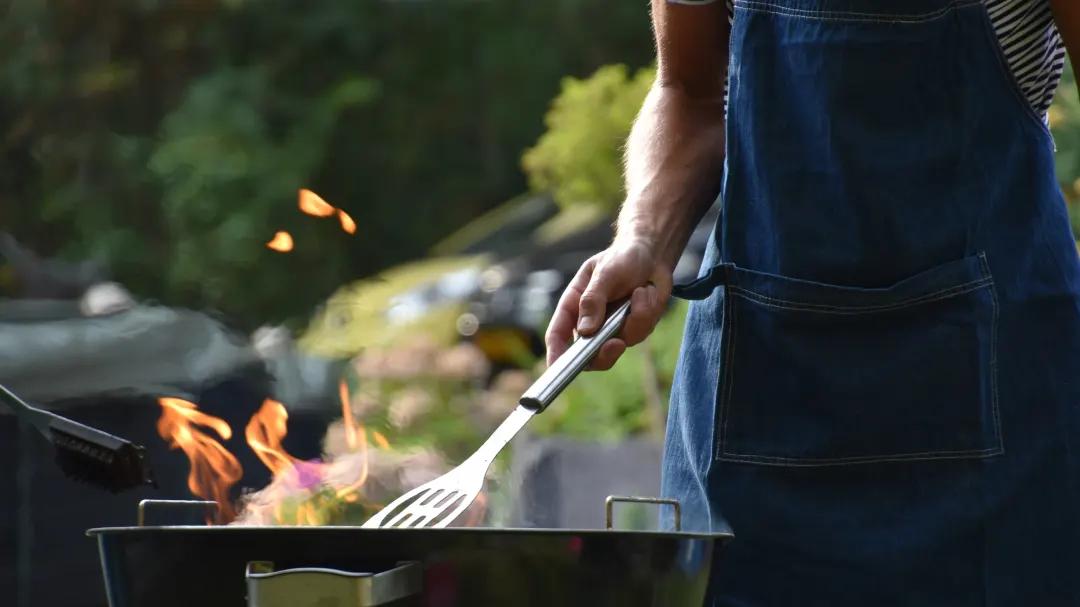
Fire and Emergency says everyday activities such as cooking bbq, mowing lawns or using power tools can spark fires during periods of high fire danger. Photo/Unsplash
Fire and Emergency is asking people to check whether fire restrictions are in place in their area before lighting any outdoor fires. This includes burn piles, rubbish fires and cooking fires.
People using power tools, mowing lawns or carrying out work that creates heat or sparks are being asked to delay those activities if possible.
Any burn piles from recent weeks should be checked and fully put out, with more water added if there is any doubt.
“In these conditions, all it takes is one spark to start a fire that can quickly get out of control,” Pyatt says.
Kawerau Fire Brigade station manager Carl Moon says communities need to stay alert as temperatures rise.
“People have been really vigilant so far with the heat and fire warnings,” Moon says. “We’re urging everyone to keep that up, because it doesn’t take much for a fire to start in these conditions.”
Fire and Emergency also reminds the public that members of the New Zealand Professional Firefighters Union will hold a one-hour strike on Friday, 19 January, from 12pm to 1pm.
During that time, volunteer firefighters will respond in areas usually covered by paid crews, which may lead to delays.
Fire officials are urging extra caution during this period, given the increased fire risk. People can check local fire restrictions and get safety advice at checkitsalright.nz.
“If you’re still thinking about New Year’s resolutions,” Pyatt says. "Consider making fire safety one of them.”