
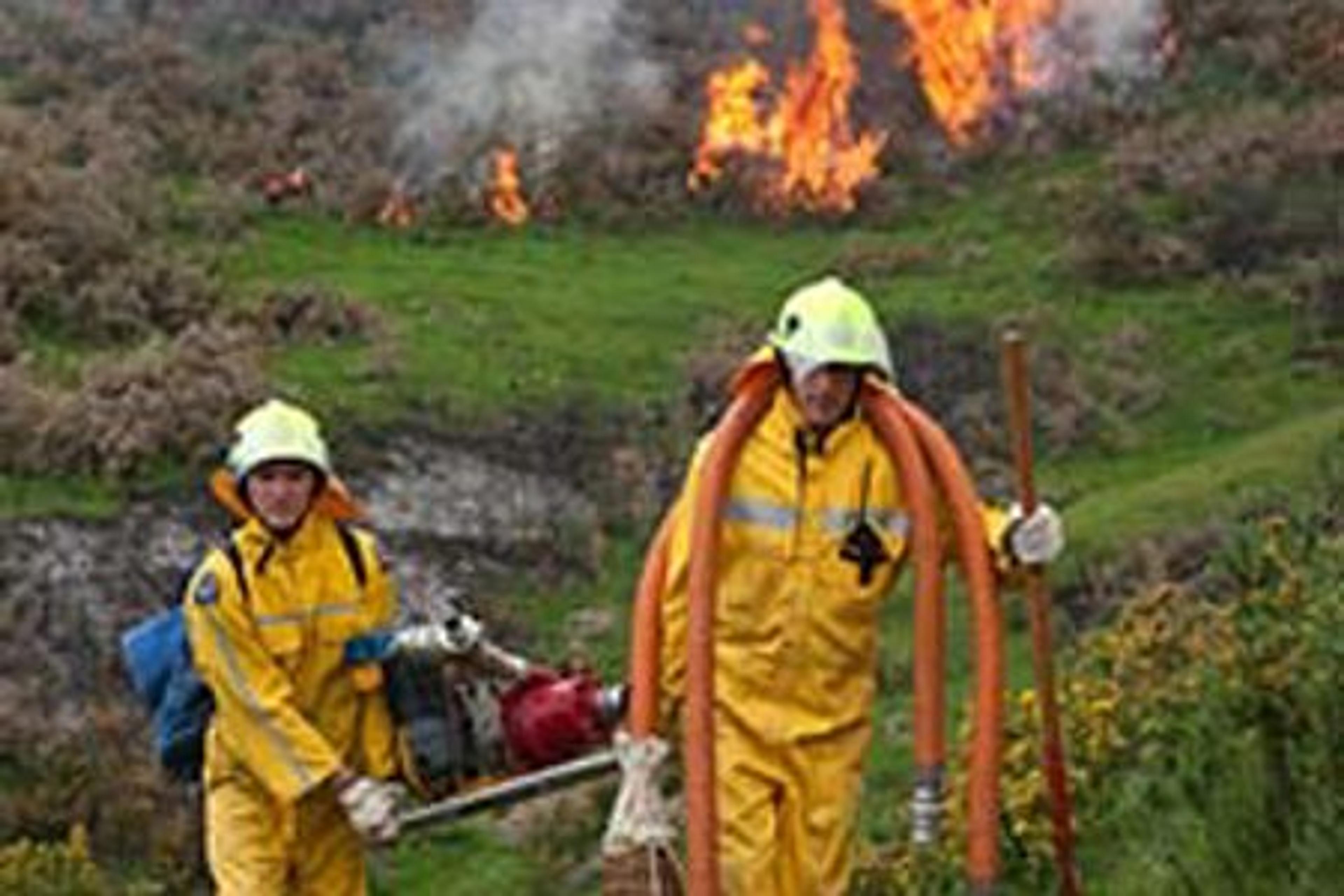
Outdoor fires are now banned across the Muri Whenua Fire Zone as dry conditions and strong winds increase wildfire risk in the Far North.
Photo/nzlogger.co.nz
Environment
Fire ban imposed at top of Aotearoa as risk rises
From midday Tuesday, all outdoor fires across the Far North are banned amid the dry conditions.

PMN News
Published
28 December 2025, 9:58pm
Share
Copy Link
Top stories

‘I made my own door’: The pro footballer who turned stigma into a global sock brand
Atutahi Potaka-DewesTue, 22 Sep

‘We’re so blessed’: Penrhyn community welcomes NZDF crews
Thomas Tarurongo WynneMon, 21 Sep

Treaty row grows after leaked message links funding and PM's no-confidence motion
Christine RovoiMon, 21 Sep
Top stories
‘I made my own door’: The pro footballer who turned stigma into a global sock brand
Atutahi Potaka-DewesTue, 22 Sep
‘We’re so blessed’: Penrhyn community welcomes NZDF crews
Thomas Tarurongo WynneMon, 21 Sep
Treaty row grows after leaked message links funding and PM's no-confidence motion
Christine RovoiMon, 21 Sep
Outdoor fires are now banned across the northernmost part of Aotearoa, with Fire and Emergency New Zealand placing the Muri Whenua Fire Zone into a Prohibited Fire Season from midday Tuesday.
The ban, which applies to the far north of Northland, comes amid ongoing dry conditions, strong winds and an increased risk of fires spreading quickly.
The Prohibited Fire Season will remain in place until further notice.
Fire and Emergency New Zealand District Manager Wipari Henwood says the decision was a preventative step to protect communities, whenua and taonga in the region.
“We have had an extended period with high winds and very little rainfall in this area, so there is a much higher risk than normal that fires will escape,” Henwood says.
“If they do escape, it will be harder for firefighters to contain them and stop them spreading.”
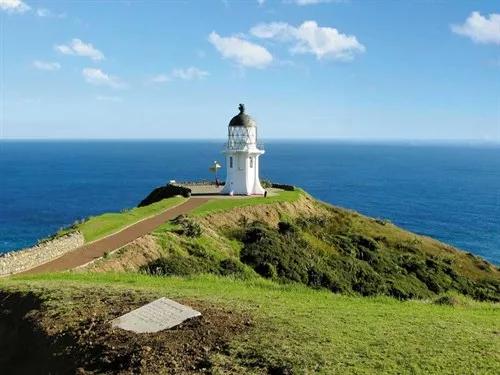
Fire and Emergency New Zealand says the Prohibited Fire Season in the Far North is a preventative step to protect communities, whenua and taonga from fast-spreading fires. Photo/Venture New Zealand
Under the Prohibited Fire Season, all outdoor fires are banned, and any fire permits already issued for the Muri Whenua Fire Zone are now suspended.
The far north is home to many Māori and Pacific communities, where fire plays an important role in cultural practices and food preparation.
Fire and Emergency New Zealand says some cultural cooking fires, including hangi and umu, may still be allowed but only if strict safety conditions are met.
Henwood says people must be especially cautious and closely monitor weather conditions before lighting any cultural cooking fires.
“We are asking people to follow the weather forecast very carefully and only light cultural cooking fires in calm conditions,” he says. “Winds over 15km/hr make it much more likely that a fire will escape.”
Fire and Emergency advises anyone considering a cultural cooking fire to check conditions on its Check It’s Alright website and to consult the MetService for up-to-date wind information.
If there is any uncertainty about safety, people are urged not to light a fire.
The ban reflects growing concerns about fire risk across parts of the country as climate patterns bring longer dry spells and more frequent high-wind events.
Fire and Emergency New Zealand has repeatedly warned that even a small, unattended fire can quickly become dangerous under these conditions.
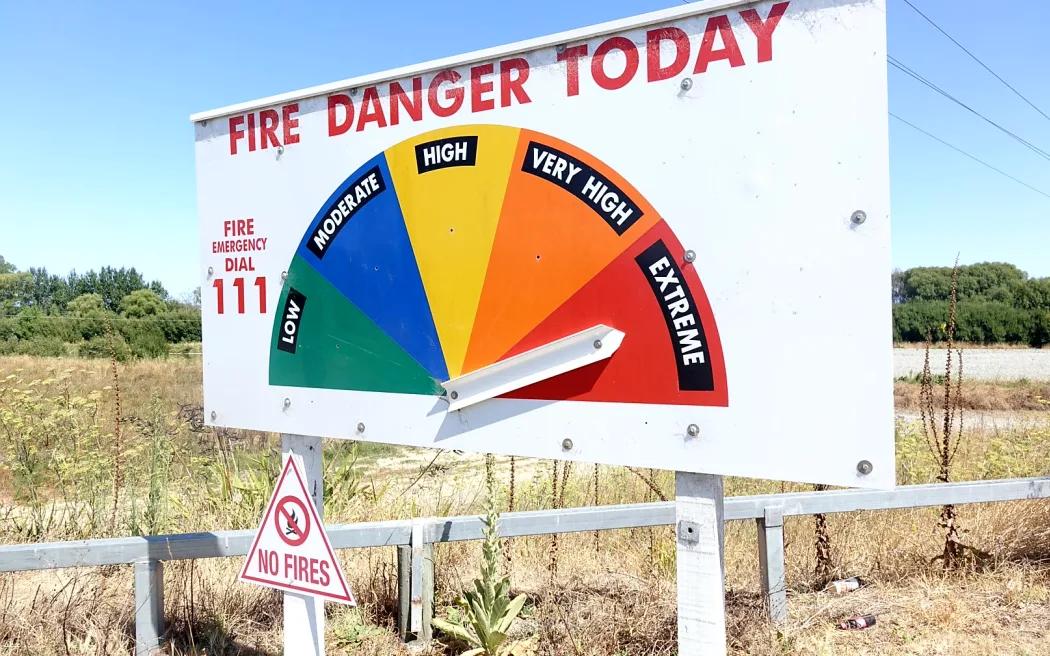
Photo/RNZ/Tracy Neal/file
Henwood says community cooperation was essential to keeping people safe.
“This is about protecting lives, homes, and the environment. We appreciate people doing the right thing and helping us prevent fires before they start.”
Fire and Emergency New Zealand encourages residents and visitors in the region to stay informed, plan, and report any signs of fire immediately by calling 111.
More information about fire seasons, permits, and safety advice is available at www.checkitsalright.nz.