
Jaxon Evans: Bathurst’s final lap will decide it all
Elton Lonaratha JnrFri, 09 Oct
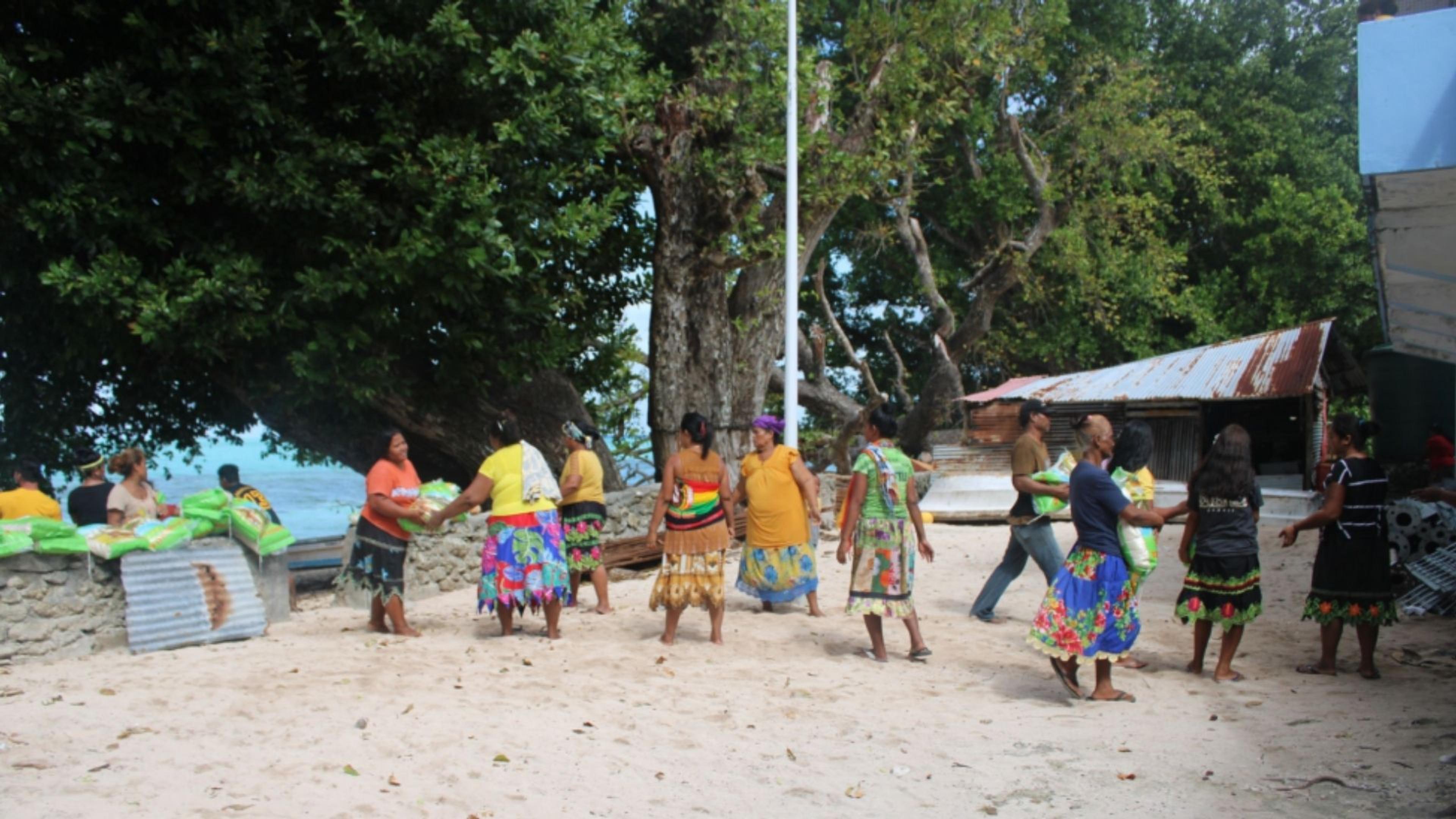
El Niño is strengthening across the Pacific, bringing hotter, drier conditions and putting pressure on crops, water supplies and communities.
Photo/International Organizaton for Migration (IOM)/file
Fiji warns of tougher water restrictions while Port Moresby prepares for a partial shutdown as dry conditions spread across the region.




Pacific communities are already feeling the effects of a strengthening El Niño - a natural Pacific climate pattern that can bring hotter temperatures, below-normal rainfall and drought to parts of the region.
Water supplies under pressure in Fiji and Papua New Guinea and farmers are being warned to prepare for worsening dry conditions.
The Fijian authorities are warning that the country may have to take “drastic measures” if rainfall continues to fall.
In Papua New Guinea, residents are preparing for a partial water shutdown in Port Moresby this week to repair an aging pipeline that is leaking millions of litres a day.
The developments come as forecasters warn a strong to very strong El Niño is developing across the Pacific with the driest conditions expected in some parts of the region in the months ahead.
Fiji's Minister for Public Works, Meteorological Services and Transport, Ro Filipe Tuisawau, says rainfall is expected to remain below normal through the end of the year with October to December forecast to be the driest period.

Fiji’s Public Works Minister Ro Filipe Tuisawau says the country must prepare for tougher conditions as El Niño puts growing pressure on water supplies. Photo/The Fiji Times/Jonacani Lalakobau/file
“We as a nation have to be ready for drastic measures as the dry weather continues,” Tuisawau told the Fiji Sun.
The Water Authority of Fiji (WAF) has activated dry-weather contingency plans across all three regions.
The department is monitoring 44 main water sources, most of which are producing less water than the treatment plants need to operate at normal levels.
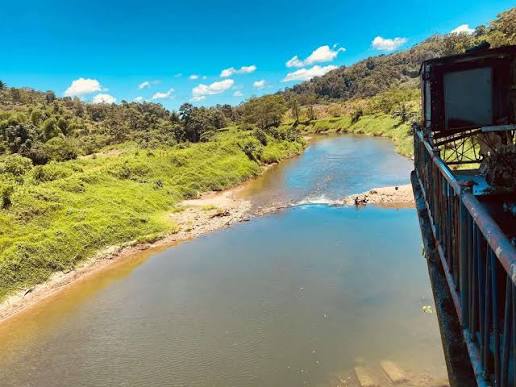
Fiji’s water sources are coming under increasing pressure as below-normal rainfall and dry conditions linked to El Niño continue. Photo/Supplied
WAF is using extra pumping, temporary pump stations, managed water flows and water carting to keep supplies going.
Some communities could face lower water pressure or intermittent supply as the authority manages stressed systems.
“Small, sensible changes now will help stretch available supply through the months ahead,” Tuisawau said.
People have been urged to conserve water by taking shorter showers, fixing leaks, avoiding washing cars and driveways with running hoses, and limiting garden watering.
The pressure is also reaching Fiji's farms.
Agriculture and Waterways Permanent Secretary, Andrew Tukana, told the Sun the ministry was continuing to monitor conditions instead of introducing specific support for farmers at this stage.
“We'll just have to continue to monitor,” Tukana said. “Then if there comes such a time when there will be a need, then we would analyse it, look into it.”
He said the western division and other traditionally dry areas were likely to be most exposed, with crops particularly vulnerable when soil moisture runs low during key stages of growth.
“You might have to revert to other things like irrigation to support water,” Tukana said.
He is urging farmers to harvest and store rainwater while it is still available.
“Besides the cold, farmers need to be able to use water wisely as well as to store water when there's rain.”
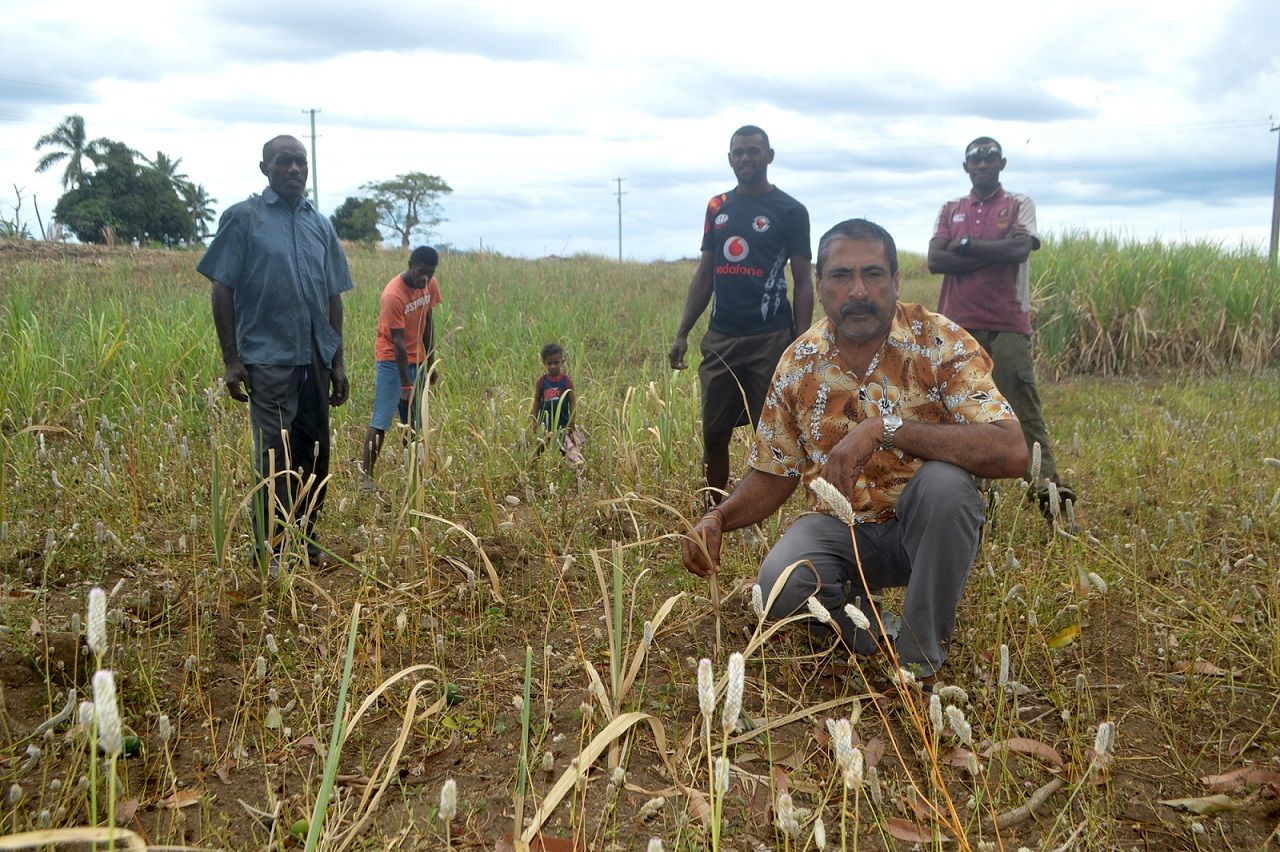
Farmers are being urged to prepare for El Niño as dry conditions threaten soil moisture, crops and food production. Photo/The Fiji Times/Reinal Chand/file
In Papua New Guinea, the impact is being felt in the capital's water network.
Water PNG will partially shut down Port Moresby's water supply from 14 to 16 August to repair a more than 60-year-old pipeline carrying about half the city's raw water.
The pipeline is leaking around 10 million litres a day, according to Water PNG chief executive James Young.
“The people and businesses of the National Capital District and Central must have certainty so they can be ready for the partial shutdown,” Young said, in The National.
“This repair is about preventing something far worse,” he said. “The pipeline is more than sixty years old and it is failing.
"A short, planned, partial shutdown now is how we avoid an uncontrolled burst later, one that could cut more than half of the city's water not for a weekend, but for weeks or months, because no spare pipe of this size is held in the country.”
The shutdown will be managed across four zones after the National Court ordered landowners not to interfere with access to the Rouna 1/3 raw water pipeline.
The pressure on water supplies is closely linked to food security.
The Pacific Community (SPC) says rainfall is already decreasing in parts of the region, soil moisture is falling and crops are slowing as El Niño strengthens.
Dr Rohit Lal, an SPC soil scientist, says prolonged dry conditions can also leave soils more vulnerable when heavy rain eventually returns.
“Drought conditions contribute to soil degradation by reducing vegetation cover [and] exposing soils to erosion when heavy rainfall eventually occurs,” Lal said in an SPC report.
The impacts will not be the same everywhere.

Pacific Community soil scientist Dr Rohit Lal says drought can damage soil by reducing vegetation cover and leaving it exposed to erosion. Photo/Pacific Community
For low-lying atoll countries such as Kiribati and Tuvalu, drought can shrink freshwater supplies and allow saltwater to move into groundwater and damage crops.
Women and girls can also face a heavier burden as water sources recede and more time is needed to secure water and food for households.
But Pacific communities have their own knowledge and practices for dealing with dry periods: from planting hardy traditional crops to preserving breadfruit, taro and cassava.
Karen Mapusua, SPC's Land Resources Division Director, says those practices remain important alongside modern climate planning.
“There is no downside to these 'no regrets' strategies," she said in the SPC report.
"Farmers benefit from these practices no matter what the weather conditions, but they are especially critical during extreme events like a severe El Niño.”

SPC Land Resources Division director Karen Mapusua says farmers can strengthen their resilience by taking practical steps to prepare for extreme weather. Photo/Pacific Community
Rainwater harvesting, mulching, composting, cover crops and better water management can all help farmers protect food production.
The warning now being repeated across the region is to prepare before conditions become critical.
El Niño may start in the ocean but its effects are already being felt where Pacific families live, officials say, in their gardens, water sources and household taps.