
Savea joins Blues for ‘last dance’ after Super Rugby's tug-of-war
Patrick McKendry, RNZFri, 02 Oct
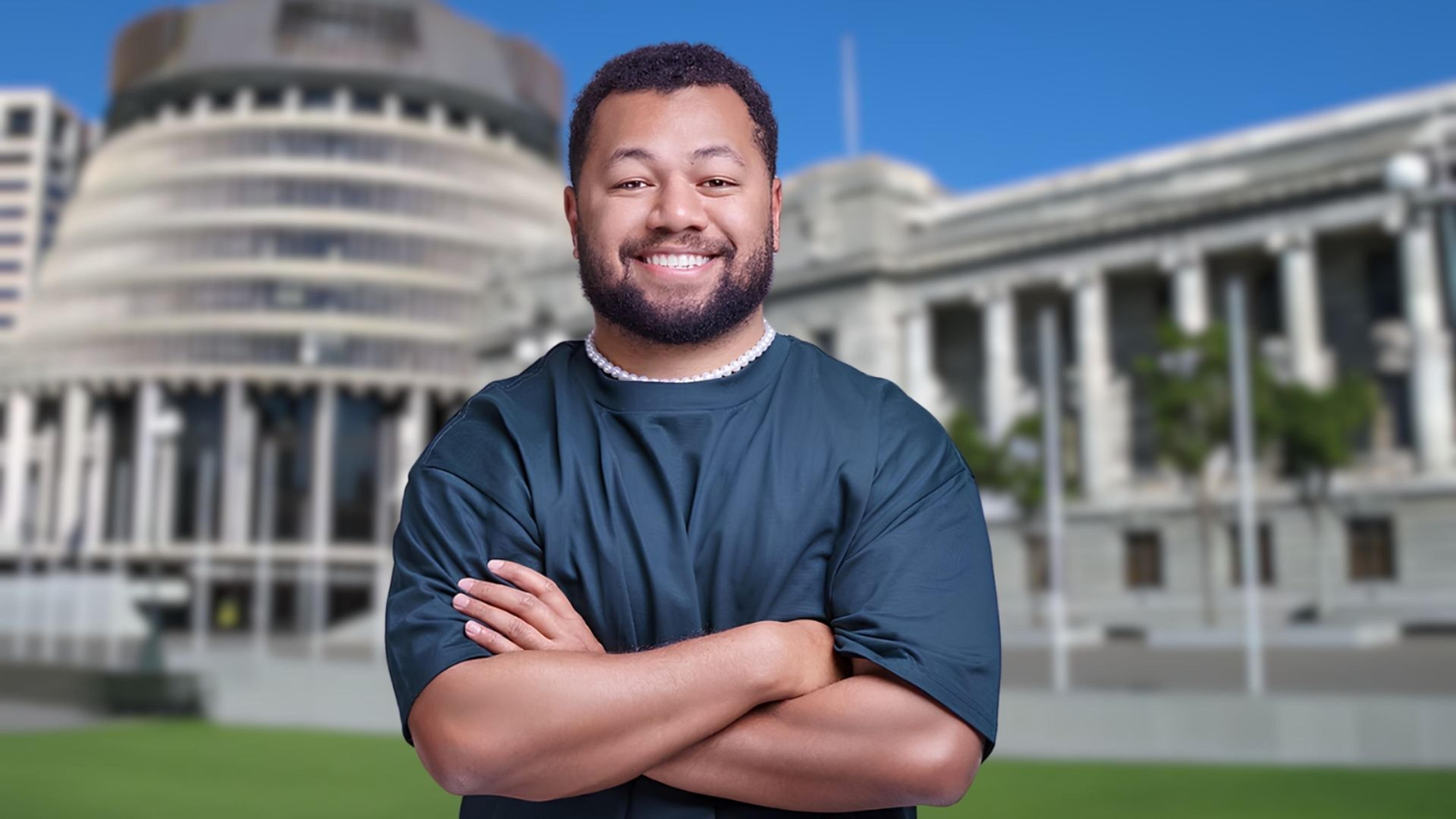
Joe Daymond and other New Zealand comedians are using humour to explore politics, identity, and everyday life during this year’s New Zealand International Comedy Festival.
Photo/NZ International Comedy Festival/PMN Composite
From social media clips to sold-out shows, a new wave of NZ comedians is using humour to talk about politics, identity, and everyday life. But they say it comes with pressure, risk, and a need to be heard.

The New Zealand International Comedy Festival is back, bringing its usual mix of local and international acts. But alongside the jokes and packed-out shows, a new generation of comedians says political tension at home and abroad is shaping what ends up on stage.
From protests over local policies to global uncertainty, some performers say audiences are looking to comedy not just for laughs, but for ways to make sense of the world.
Comedian Joe Daymond says political humour in Aotearoa opens up space for difficult conversations.
“I think political comedy in New Zealand plays a part in expressing how we feel in a way that we’re comfortable discussing openly,” he says. “I think it invites a lot of conversations that in ways can be difficult within our culture.”
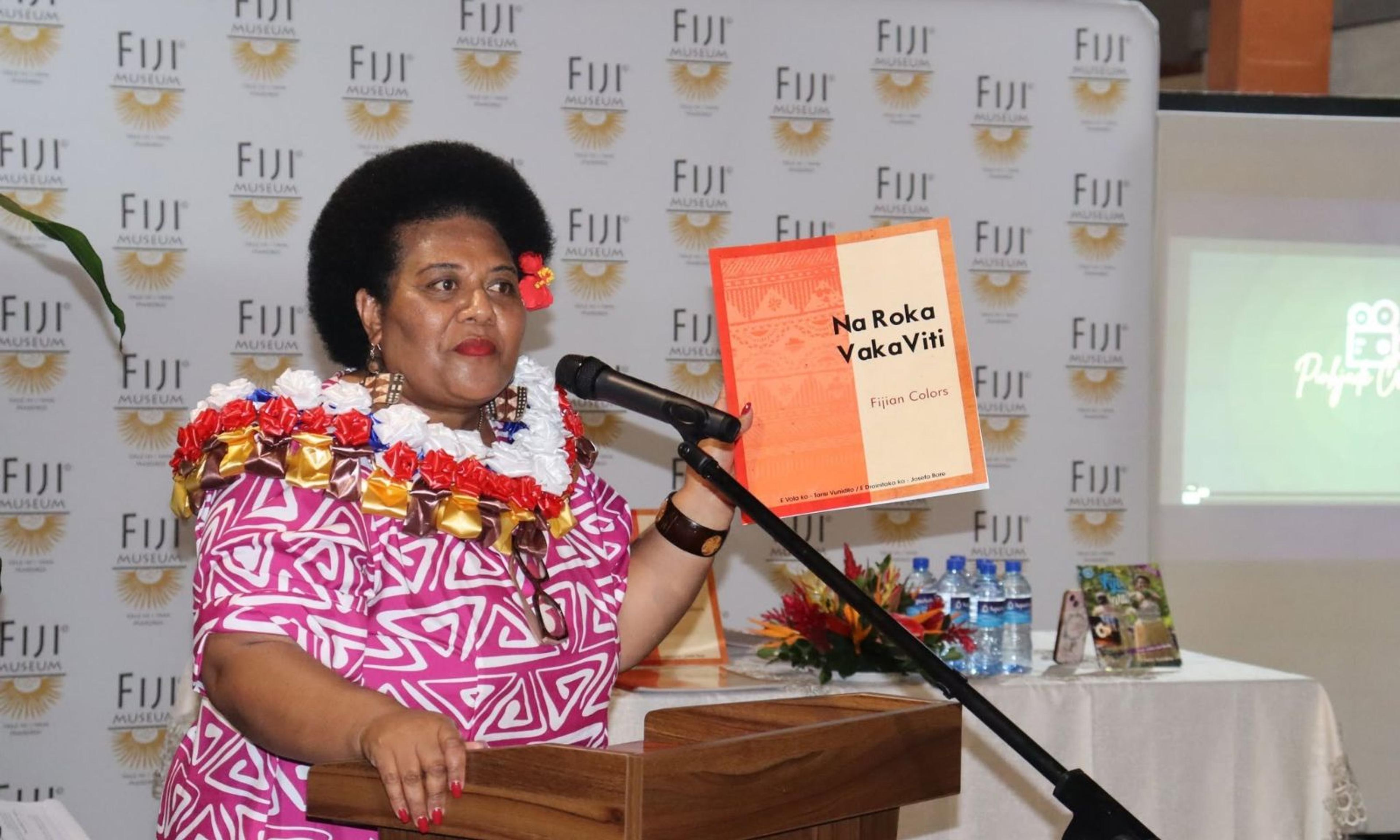
Courtney Dawson, whose viral 7 Days moment with Minister for Youth James Meager gained attention online, says comedy can be a way in for serious topics.
“Jesters privilege is real - comedy can be such a gorgeous little Trojan horse to get people thinking, talking about and debating important issues,” she says.

Courtney Dawson says political comedy is helping audiences open up conversations about serious issues in a more relatable way. Photo/NZ International Comedy Festival
Comedian Janaye Henry says political comedy can also help audiences feel less alone in what they are seeing in the world.
“As an audience member, when I listen to political comedy, it keeps the fire burning in me and helps me feel more united in the things that I am noticing or pushing against,” she says.
“Politics shape how we move through the world, how we learn, work, survive, love… it’s also an accessible way in, it cuts through the exclusionary, academic bullshit and you can really just highlight the main parts.”
But comedians also say the pressure is growing, as news and opinion travel faster than ever online.
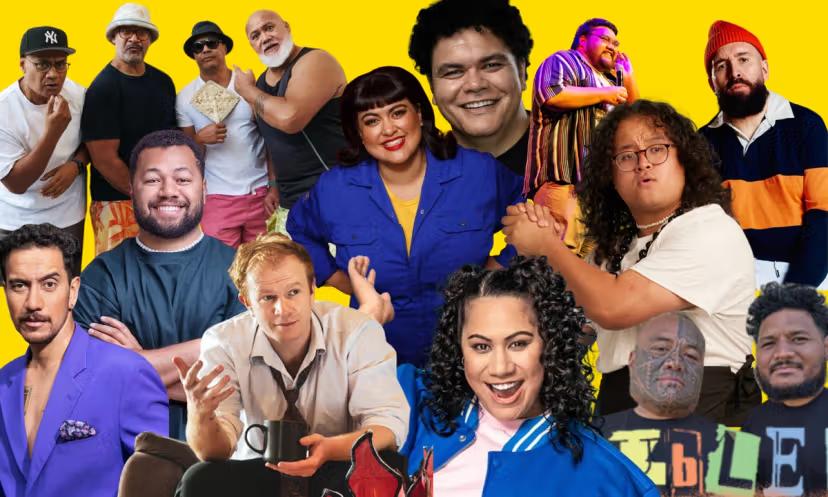
Social media and live shows are giving Pacific and Māori comedians new platforms to reach wider audiences without traditional gatekeepers. Photo/NZICF/PMN Composite
Hoani Hotene, winner of the 2025 Billy T James Award, says comedy can help people process difficult headlines.
“Watching a comic find a way to talk about the news and what’s going in the world can have such a grounding effect,” he says.
Still, he warns comedians should not replace journalism.
“If it’s a jumping off point which gets someone interested in a topic and they then look into it more, then that’s great. But there’s a lot of news which is important but tough to then make ‘funny’.”
Others agree that comedy works best as a starting point, not a full explanation.

Hoani Hotene says comedy is becoming a way for audiences to process news, politics and daily pressures in a fast-changing world. Photo/NZICF
“I reckon don’t get all of it from comedians,” Henry says. “But it’s a pretty awesome way to hear about something and spur you to read further or ask around about it.”
“Shit’s real heavy right now, man,” Dawson adds. “If people can get a little hehe-haha with their daily dose of dread then we on.”
Wellington-based comedian Orin Ruaine-Prattley says there are risks if audiences rely too heavily on comedians for information.
“If people are increasingly relying on comedians for their news, that makes me concerned about the state of our media landscape,” he says.
The rise of social media has also changed how comedy is made and shared. Daymond says it has removed barriers, but increased noise.

From sold-out shows to viral clips, Kiwi comedians are finding new ways to balance humour with hard conversations. Photo/NZICF/PMN Composite
“I think the internet is so complex and news comes from all sorts of sources so I don’t look down on people getting their news from comedians,” he says.
Henry says it has also created new opportunities for Pacific and Māori voices.
“Technology has allowed me to access audiences I never would otherwise on an international playing field,” she says. “It also has removed the barrier of having to impress specific producers… and allows me to talk about the stuff I want to talk about.”
But Ruaine-Prattley says the shift also changes how comedians work.
“At the moment, it feels far more valuable to engage with an audience on social media first rather than doing lots of stand-up around the city.”
Despite different approaches, many say the goal is still the same connection.
“I think we have a responsibility to speak for those that cannot speak for themselves,” Daymond says.
As Henry puts it: “to make it a smidge better for whoever’s next”.
In a world full of headlines and hot takes, these comedians say laughter is still one of the clearest ways to tell the truth.
A New Zealander of Sāmoan and Welsh heritage, James Nokise is a podcaster, writer, sports reporter, stand-up comedian, performer, and poet and has even tried his hand at puppetry.