

Dr Charmaine 'Ilaiū Talei says owning a home should not erase our Pacific cultural expectations.
Photo/Supplied
Election
Rent-to-buy could help Pacific families into home ownership, but challenges remain
Labour's proposed scheme could give some Pacific families a pathway to buying a home and generational wealth, but a housing researcher questions how it will be rolled out.

Khalia Strong
Published
06 November 2026, 12:54pm
Share
Copy Link
Top stories


Pacific vote in focus as parties make final pitch before election day
Christine RovoiFri, 06 Nov
Top stories
Pacific vote in focus as parties make final pitch before election day
Christine RovoiFri, 06 Nov
A housing researcher says Labour's proposed rent-to-buy scheme could help more Pacific families into home ownership, but warns that saving a deposit is only part of the challenge.
If elected, Labour is proposing a rent-to-buy scheme for eligible Kāinga Ora and participating community housing tenants, with $100 a week credited towards a deposit.
Tenants would have the opportunity to purchase their home using a five per cent deposit.
Kāinga Ora's 2025/26 annual report shows 23 per cent of its social housing tenancies included Pasifika tenants, equivalent to about 16,900 tenancies.
Dr Charmaine 'Ilaiū Talei, an Auckland University senior lecturer in Architecture and Planning, says Pacific families should not have to abandon cultural responsibilities to achieve their financial goals.
"We can't stop being Pacific, right?" she told William Terite on Pacific Mornings. "We cannot stop our fa'alavelave, our soli, our kavenga. That's who we are as people. We're community people. We're generous people. We help each other."
Watch Dr Charmaine 'Ilaiū Talei's full interview below.
Labour leader Chris Hipkins says the policy aims to address the difficulty of saving for a deposit while paying rent and meeting everyday living costs.
"The problem isn't always being able to afford a mortgage. It's having money for a deposit while paying rent.”
Talei says the proposal could help Pacific families build intergenerational wealth while giving them greater freedom over how they use their houses.
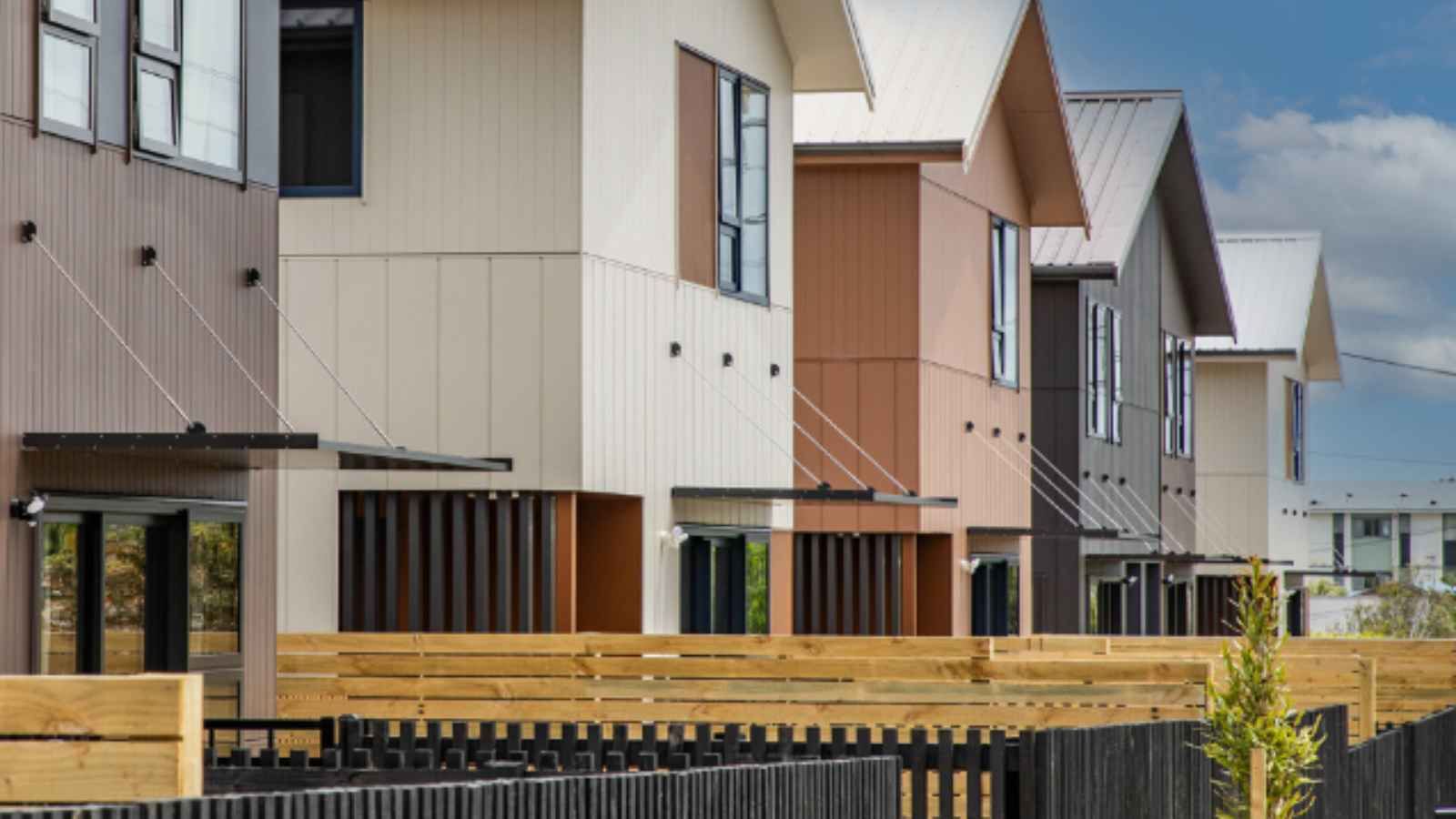
Some standard housing designs do not factor in multi-generational housing needs. Photo/File
"Multi-generational housing is something we've lived for millennia. It's not a new thing; it's how we live. We live collectively; we care for each other collectively."
Talei says the deposit is only one part of the challenge for Pacific families, asking how people service a loan in years to come.”
Her research across Māngere, Glen Innes, Ōtara and Porirua found many Pacific families in social housing wanted to own their homes while remaining in the communities where they had established connections through churches, schools and sporting clubs.
She says owning a home would also allow families to alter their properties to better suit their living arrangements, rather than being restricted by tenancy rules.

Economist Filipo Katavake-McGrath says wages have not kept up with inflation for Pacific families. Photo/File
However, Talei says Pacific families renting privately or living outside the social housing system could miss out on the proposed scheme.
The policy has drawn comparisons with the former Family Benefit, which allowed families to take an advance lump sum off their weekly payments and use it towards buying a first home.
Filipo Katavake-McGrath, who is an economist, says the benefit helped Pacific families who could not otherwise save enough for a deposit.
"The scheme was praised in the community for enabling families to afford a house deposit, where their weekly regular pay was insufficient," he told PMN News.
“The big thing to remember, however, was that the houses were being built for subsidised prices and the Housing Corporation mortgages both had lower interest rates and fixed repayments.”
Listen below to PMN's Home ownership series: Locked Out below.
Katavake-McGrath says Labour's proposal is different because it is limited to Kāinga Ora and community housing tenants, meaning a smaller pool of people could benefit.
He argues that rising house prices and wages that have failed to keep pace have been major factors in the decline of Pacific home ownership, particularly for workers on lower incomes who also support family in the Pacific region.
While the proposed scheme may help families overcome the deposit barrier, both experts believe home ownership could be a key factor in creating generational wealth and improving family outcomes.