

Teachers play a central role in classrooms across Aotearoa New Zealand. And the Teaching Council’s governance issues have raised concerns about standards and trust in the profession.
Photo/PathwaysNZ
Education
Investigation into NZ Teaching Council reveals 'serious and repeated failures'
The damning report raises questions about the Teaching Council's oversight, trust, and public sector standards.

PMN News
Published
17 February 2026, 3:02pm
Share
Copy Link
Top stories


World Vision warns children will pay for aid cuts beyond the Pacific
Thomas Tarurongo WynneMon, 12 Oct
Top stories
World Vision warns children will pay for aid cuts beyond the Pacific
Thomas Tarurongo WynneMon, 12 Oct
The head of New Zealand's public service has released a damning report into the Teaching Council of Aotearoa New Zealand.
The report found "serious and repeated failures" in procurement and conflict of interest management over several years.
The Teaching Council of Aotearoa New Zealand (Matatū Aotearoa) is the independent professional body for over 150,000 registered teachers across early childhood, primary, and secondary sectors.
Established under the Education and Training Act 2020, its primary purpose is to ensure safe, high-quality teaching by setting standards for registration, practising certificates, and ethical conduct.
Public Service Commissioner Sir Brian Roche made the findings public on Tuesday after an investigation was carried out following an anonymous complaint to the Minister of Education in June 2025.
Pacific communities rely on strong, trusted education systems, with many Pacific learners and teachers across early childhood, primary, and secondary schools.
The Teaching Council of Aotearoa New Zealand is under scrutiny after an investigation found serious and repeated failures in procurement and conflict of interest management. Photo/Teaching Council of Aotearoa New Zealand/file
According to recent Education Counts data, there are over 3700 Pacific teachers in New Zealand state and state-integrated schools. This includes 1709 in secondary schools and 2083 in primary schools.
Pasifika teachers represent about three per cent of the total teaching workforce, with numbers increasing in early childhood and school sectors.
Governance failures at the Teaching Council have real consequences, potentially affecting standards, professional support, and confidence in the teachers shaping Pacific children’s education.
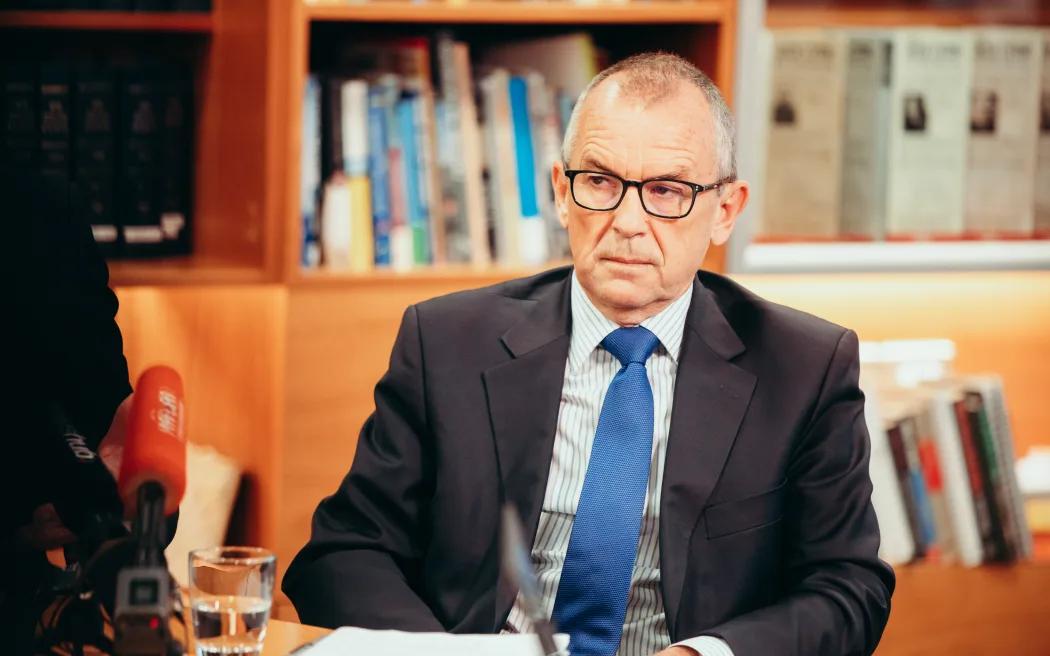
Public Service Commissioner Sir Brian Roche has released the investigation findings following a complaint made to the Minister of Education in 2025. Photo/RNZ/Dom Thomas
The complaint raised concerns about procurement practices, conflict of interest management, and wider organisational conduct involving the council’s chief executive and other senior leaders.
The minister asked Commissioner Roche to investigate. The inquiry examined contracts linked to advertising firm Clemenger UnLtd, digital engagement services, and te reo Māori instruction, translation, and Māori cultural advice.
The investigation found that between late 2018 and early 2025, the Teaching Council failed to follow its own procurement policies and did not meet wider public sector expectations.
Among the key findings:
Procurement processes did not comply with the council’s own rules.
A significant conflict of interest involving the chief executive was not properly identified, recorded, or managed.
Required competitive procurement processes did not take place in some cases.
Exemptions were not properly approved.
Conflict management systems were described as “low-maturity”, with poor oversight and what the report calls a weak “tone from the top”.
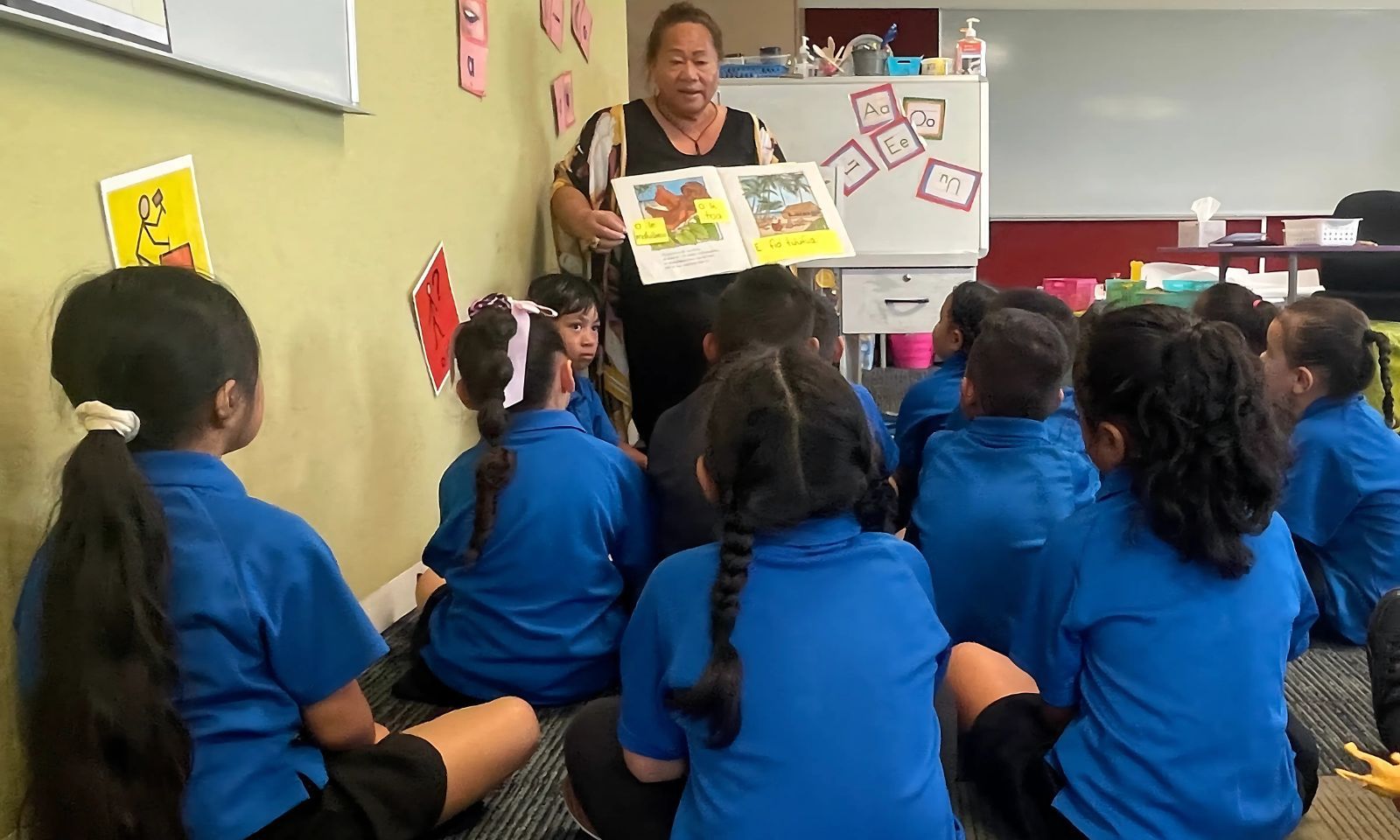
The Teaching Council sets professional standards for teachers across early childhood, primary and secondary classrooms in New Zealand. Photo/Supplied
Roche said the findings were concerning. “The Council is responsible for upholding high professional standards for teachers,” he said in a statement.
“It must also meet the highest standards itself. In this case, basic public sector expectations were not met, and in some areas the Council fell well short.
“These shortcomings created avoidable organisational and reputational risks and have the potential to undermine trust in the Teaching Council.”
The council plays a key role in setting standards for teachers across Aotearoa New Zealand, including many Pacific educators and schools serving Pacific communities.
Any loss of public trust in its governance has wider implications for confidence in the education system.
The report clarified the failures were not minor or technical errors. Instead, they reflected weak organisational controls, especially around identifying and managing conflicts of interest.
The findings have now been referred to the Chair of the Governing Council of the Teaching Council, who will decide what action to take.
The release of the report comes at a time when public sector accountability is under scrutiny, with growing expectations that agencies handling public funds demonstrate transparency and strong governance.
For Pacific communities, where education remains a key pathway to opportunity and mobility, confidence in institutions that regulate teachers is critical.
The next steps now rest with the Teaching Council’s leadership, as questions remain over accountability and how trust will be rebuilt.