Online vault aims to return Pacific research to the community
Aui'a Vaimaila Leatinu'uWed, 21 Oct
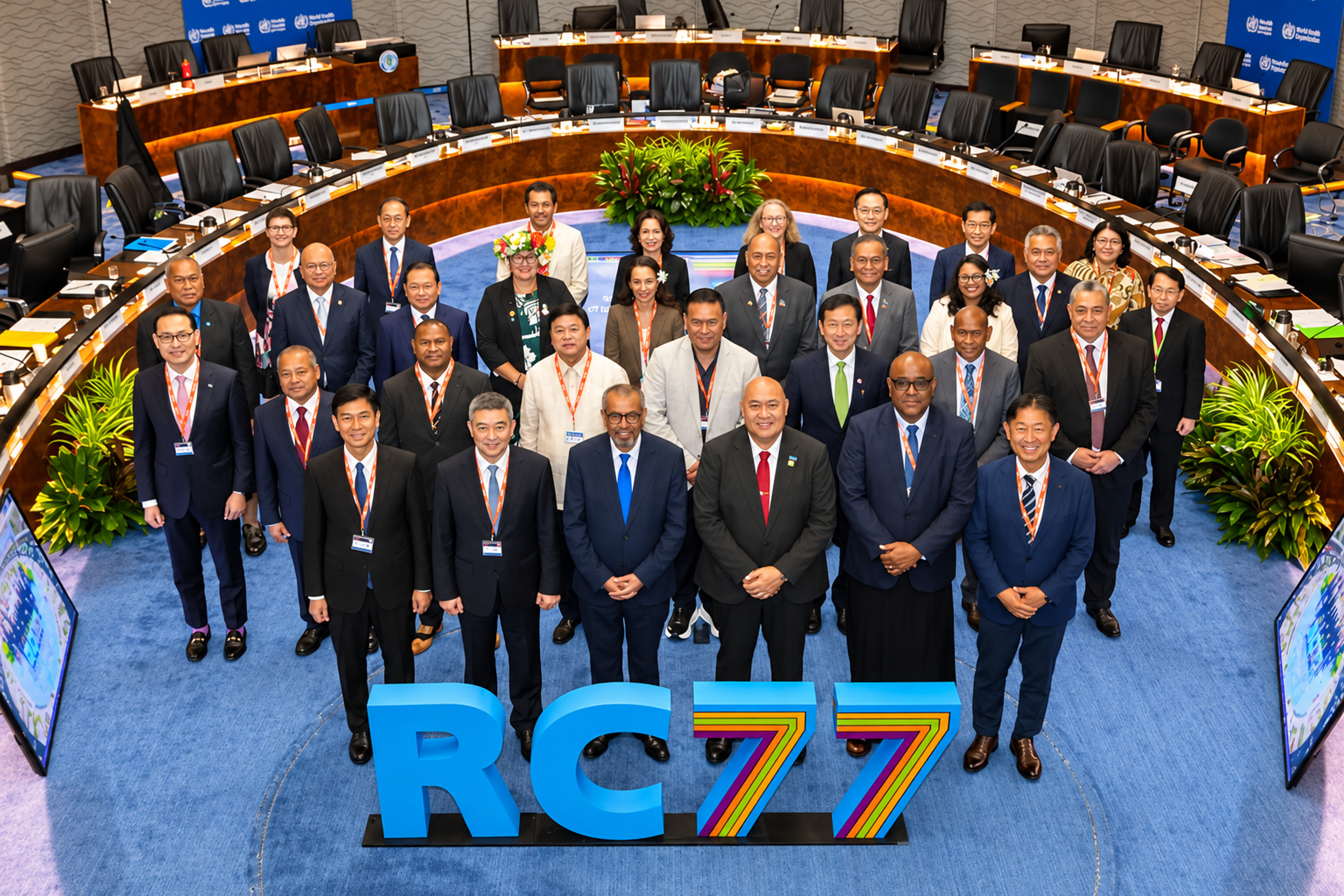
Health ministers and senior health officials attend the 77th Session of the WHO Regional Committee for the Western Pacific (RC77) in Manila, Philippines.
Photo/WHO/John Kelly Halili, Edison Alcabasa and Alan Siegfrid Esquillon.
Remote communities, staff shortages and changing diets are making high blood pressure prevention and treatment increasingly difficult.

High blood pressure, also known as hypertension, is a silent killer, and the Solomon Islands is calling for stronger action to address the growing health issue.
Without early detection and proper treatment, high blood pressure can lead to heart disease, stroke and premature death.
Dr George Malefoasi, Solomon Islands National Referral Hospital Chief Executive Officer, made the call for more action during the 77th World Health Organization Regional Committee meeting for the Western Pacific, held in Manila, Philippines.
He said their draft regional plan during the meeting provides an opportunity to move beyond small-scale community initiatives towards a more coordinated national response.
"Solomon Islands welcomes and supports the regional plan.
"We know that hypertension is a major public health concern and a significant contributor to heart disease, stroke, disability and premature death."
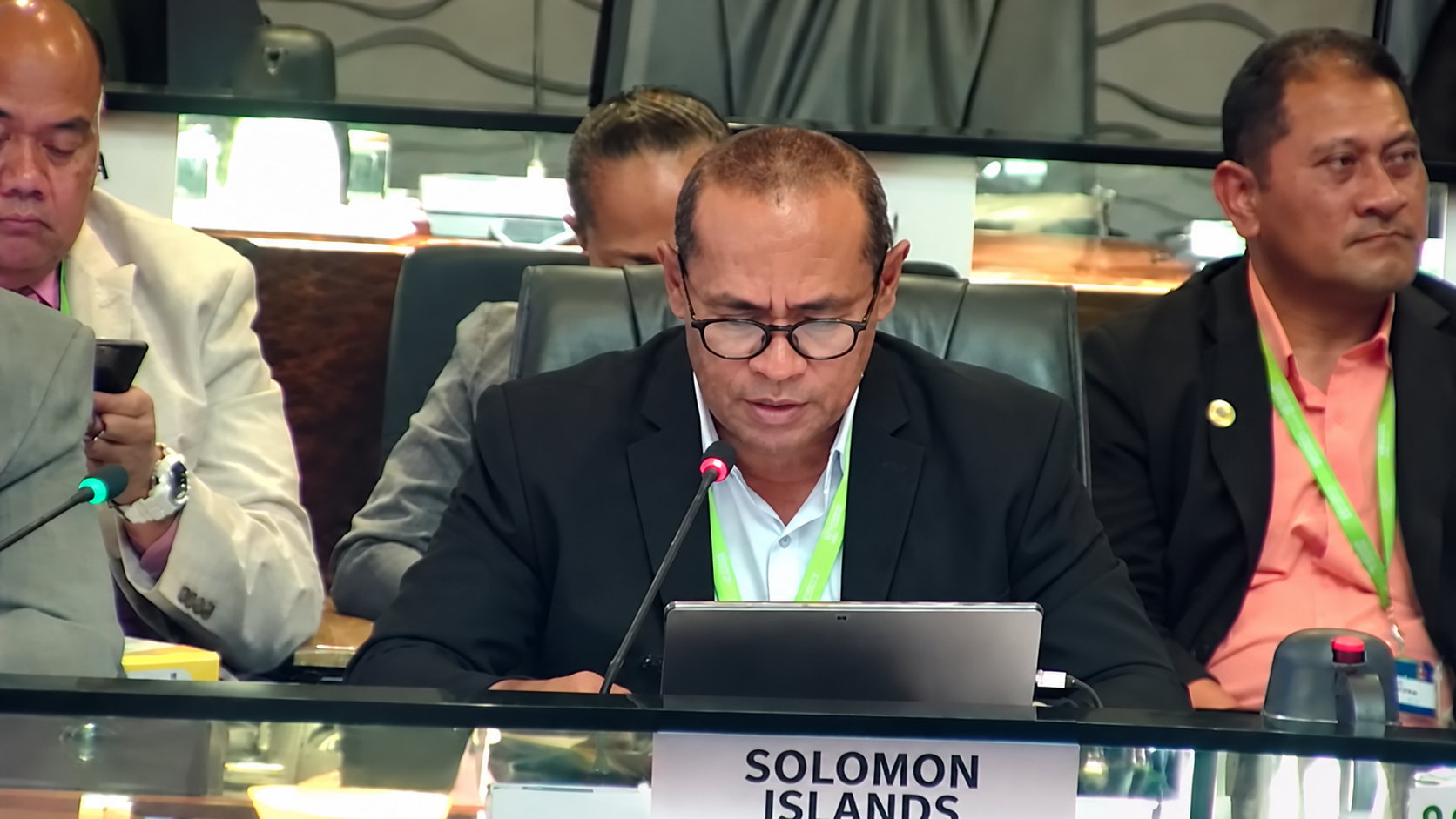
National Referral Hospital Chief Executive Officer Dr George Malefoasi says Solomon Islands supports a regional plan to accelerate action on hypertension across the Western Pacific region. Photo/WHO RC77/
Dr Malefoasi said tackling high blood pressure remains challenging in the Solomon Islands.
He said remote communities, limited resources and shortages in the health workforce continue to affect access to screening, treatment and long-term care.
"The Solomon Islands has implemented several measures involving communities, the Ministry, and the World Health Organization to prevent and control non-communicable diseases."
These include community health initiatives such as the 10,000 Toes Campaign.
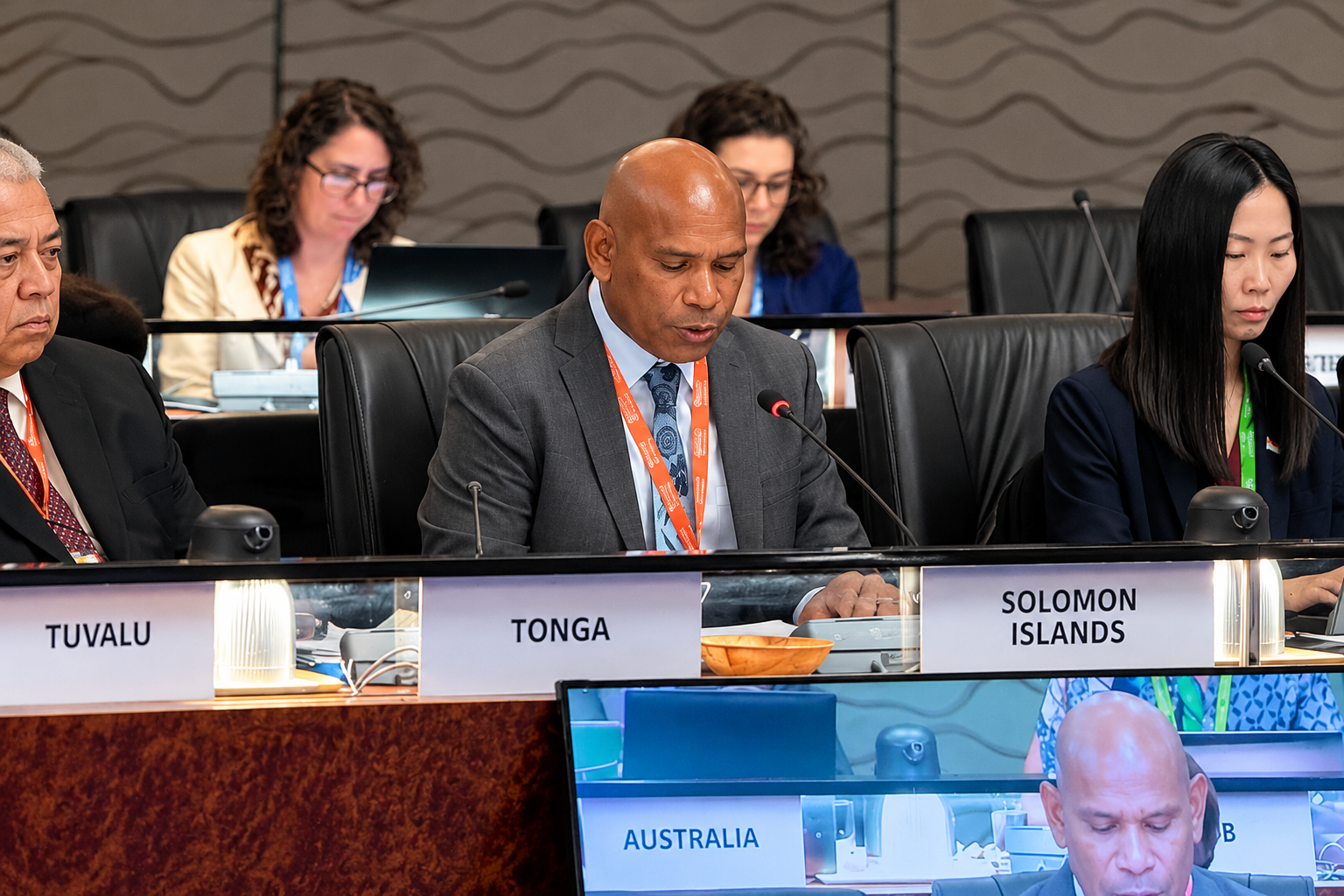
Delegates from Tuvalu, Tonga and Solomon Islands take part in a roundtable discussion during the 77th Session of the WHO Regional Committee for the Western Pacific (RC77) in Manila, Philippines. Photo/WHO/John Kelly Halili, Edison Alcabasa and Alan Siegfrid Esquillon.
The 10,000 toes programme involves checking people with their health statuses.
There’s also another program called Solomon Islands Package of Essential Noncommunicable Disease Interventions (SolPEN).
Dr Malefoasi said they conduct workplace screenings and promote healthy lifestyles through inter-ministry sporting events and physical activity programmes, as well.
He added that the Solomon Islands Prime Minister Mathew Wale has called on the Ministry to strengthen prevention, screening, diagnosis, treatment, rehabilitation and recovery services.
"Our priority is to expand community-based prevention and screening activities and integrate them into mainstream health services.”
"Volunteers will be trained, supervised and equipped with the necessary tools.
"The draft plan provides an opportunity to move beyond small-scale community interventions towards a more coordinated national response."
Meanwhile, former Solomon Islands Chief Surgeon and Regional Ambassador for the 10,000 Toes Campaign Dr Chester Kuma said changing diets across the Pacific have contributed significantly to the rise of diseases.
Speaking in an interview with Adventist Hope Radio, Dr Kuma said lifestyle-related diseases had become a major public health concern across the region.
"Since our diet has changed right across the Pacific, lifestyle diseases have become a major killer.”
However, he says Pacific people have an alternative through healthier eating habits, particularly eating more plant-based foods.
"I am talking about taro, sweet potatoes and green vegetables because these foods can protect us from many of the lifestyle diseases that we see in the South Pacific today."
The Regional Committee is WHO's annual governing body meeting for the Western Pacific Region. It brings together health ministers and senior officials from 30 countries and areas to review progress, set regional health priorities, and make decisions that guide WHO's work in supporting countries to improve people's health.
Lachlan Eddie,a journalism student at Wintec, is currently completing a six-week internship at PMN News.