High blood pressure a silent killer, Solomon Islands calls for stronger action
Lachlan EddieFri, 23 Oct
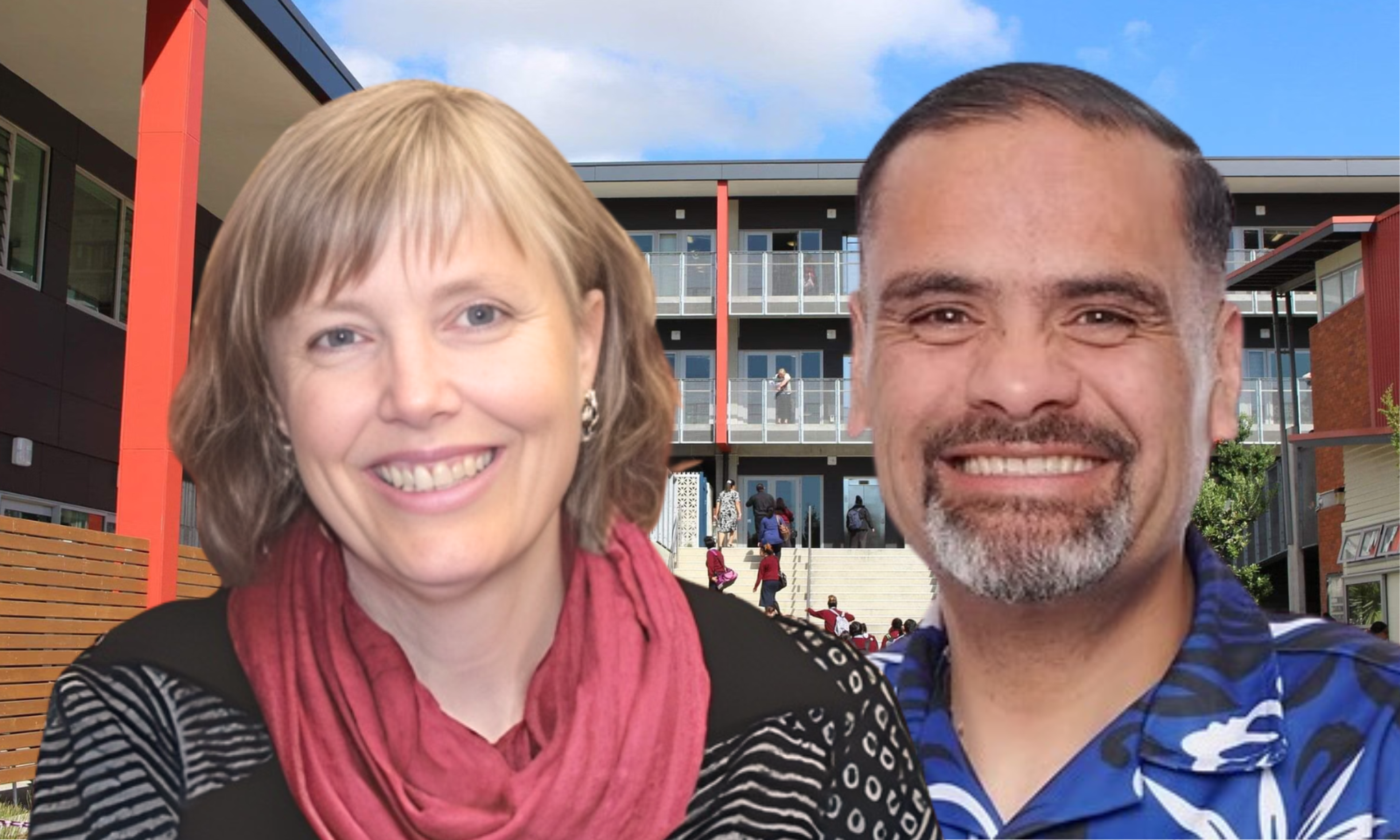
Principals Ragne Maxwell and Karl Vasau discuss efforts to support Pacific achievement.
Photo/PPTA/Tautai o le Moana
New NZQA data shows 15,000 senior students failed to meet literacy and numeracy requirements in 2025.


Fresh figures showing thousands of students failing to meet literacy and numeracy standards have prompted warnings that Pacific and Māori learners could be pushed out of education under the revised assessment system.
New data from the New Zealand Qualifications Authority (NZQA) shows 15,000 senior students did not meet the standards in 2025.
The figures have raised renewed concerns about equity and access. The data also shows nine per cent of Year 13 students and 15 per cent of Year 12 students failed to meet the literacy requirement last year.
This comes after changes to the NCEA assessments were introduced in 2024. Ragne Maxwell, Principal of Porirua College in Wellington, says the updated criteria have created barriers for students who are already literate and numerate.
She says this is particularly evident in those for whom English is not their strongest subject.
“In the past, students could gain literacy credits across a wide range of subjects,” Maxwell told William Terite on Pacific Mornings.
Listen to Ragne Maxwell's full interview below.
“That gave a fair way of measuring whether you were literate or numerate, even if English wasn’t your strength.”
Under the revised system, literacy and numeracy are increasingly assessed through online, exam-style tests held twice a year.
Maxwell says the format itself disadvantages some learners. “They’re trying incredibly hard,” she says.
Photo/File
“However, many of them have got tripped up, particularly because maths demands quite a lot of literacy to understand it, which actually isn’t measuring numeracy at all. If you aren’t confident in an exam situation and everything’s highly dependent on that one assessment, you’re going to fail, even if you are numerate.”
Porirua College has a predominantly Māori and Pacific student roll. Maxwell says schools are doing what they can to support learners, including hiring staff for one-on-one literacy and numeracy tuition.
But she says the assessment model does not suit all students. “We’re very aware that performance is often better within group or team situations. These very individualised assessments don’t work so well for them.”
She warns the changes risk disengagement with more students leaving school without qualifications.“If we’re going back to large numbers of people failing, we’re just writing people off. NCEA has been amazing because it has allowed people to achieve in the areas where their strengths are. We need a broad range of strengths to build our society.”
Concerns about equity were raised during earlier trial assessments, which showed students from lower socio-economic backgrounds were less likely to pass, and reinforced fears that Pacific and Māori learners would be disproportionately affected.
Some educators point to alternative pathways. Craig Dyason, a careers adviser at Albany Senior High School in Auckland, told RNZ polytechnics and university foundation programmes can provide options. “There absolutely is wiggle room, especially for students who get their results and they aren’t quite what they’d hope for,” he says.
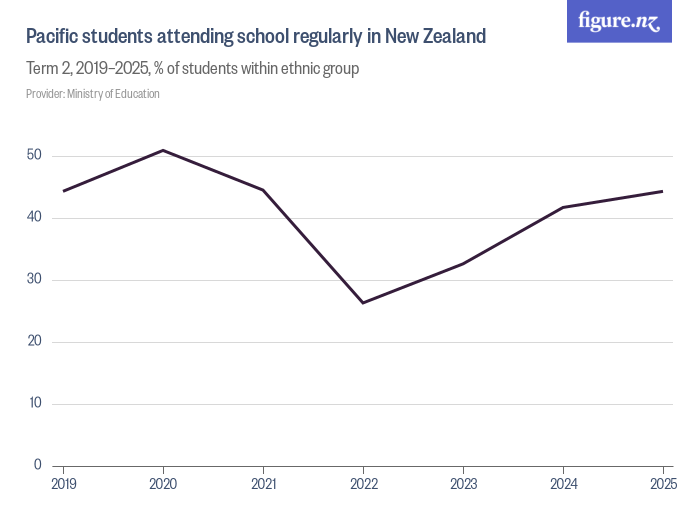
School attendance for Pacific students 2019-2025, including a drop after the pandemic. Image/Figure.nz
Presence and support
As students return to classrooms this year, Pacific education leaders emphasise attendance and parental engagement.
Karl Vasau, Principal of Rowandale School in Auckland, says missing school disrupts learning and assessment readiness.
“When children miss school, it breaks up their learning,” he said on Talanoa Ako. “Especially in secondary school, you need to know what assessments are coming up and how time away will affect that.”
Provisional Term 4 figures show only 39.5 per cent of Pacific students attended school more than 90 per cent of the time.
Vasau encourages parents to stay involved. “Be visible for your baby. You turn up. Sometimes they may look at you like, ‘Oh my gosh, why are you here?’ But honestly, deep down inside, they’ll love it.”
Watch Karl Vasau and Oliana Eniata's Talanoa Ako episode below.