High blood pressure a silent killer, Solomon Islands calls for stronger action
Lachlan EddieFri, 23 Oct
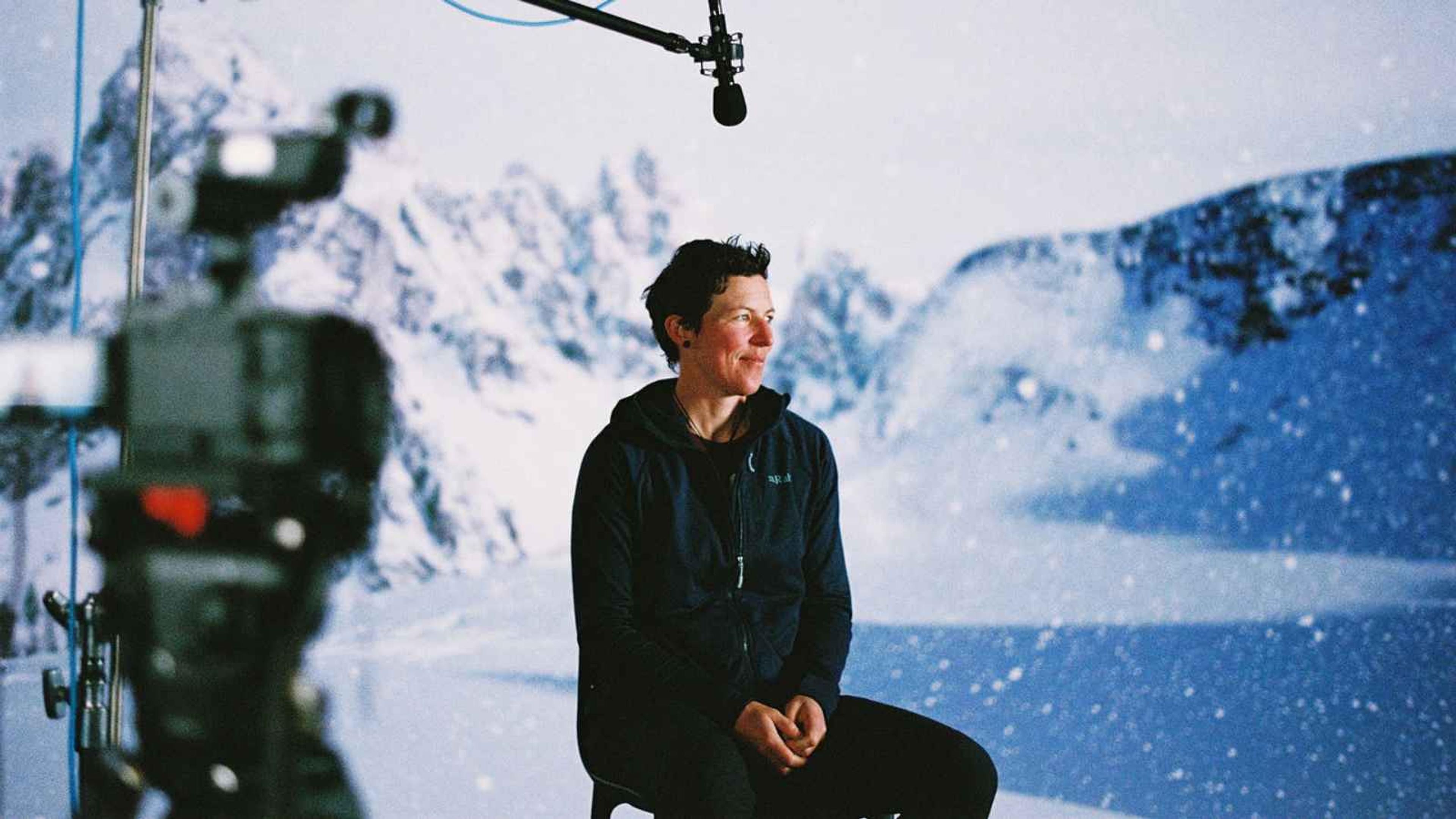
The University of Canterbury’s new Media Innovation Lab provides two 12-week journalist residencies annually.
Photo/University of Canterbury
A Tuvaluan-Pākehā journalism academic says Pacific storytellers could use the residency to explore new ways of reaching audiences.



A new University of Canterbury (UC) media laboratory is giving journalists something many newsrooms struggle to find: time to step away from daily deadlines and work on ideas that could change how stories are told.
The Media Innovation Lab, officially launching next week, will offer two 12-week journalist residencies annually, with funding and technical support to develop public-interest storytelling projects.
The programme is backed by a NZ$50,000 contribution from the Acland Foundation.
UC says the lab is the first of its kind in New Zealand.
Dr Tara Ross, a Tuvaluan-Pākehā Senior Lecturer at UC, says the opportunity could also open doors for Pacific journalists and communities in the South Island.
“There aren't large Pacific media down here in the South Island, but we know that we've got strong communities down in Southland, Oamaru, here in Christchurch and Nelson,” Tara says.
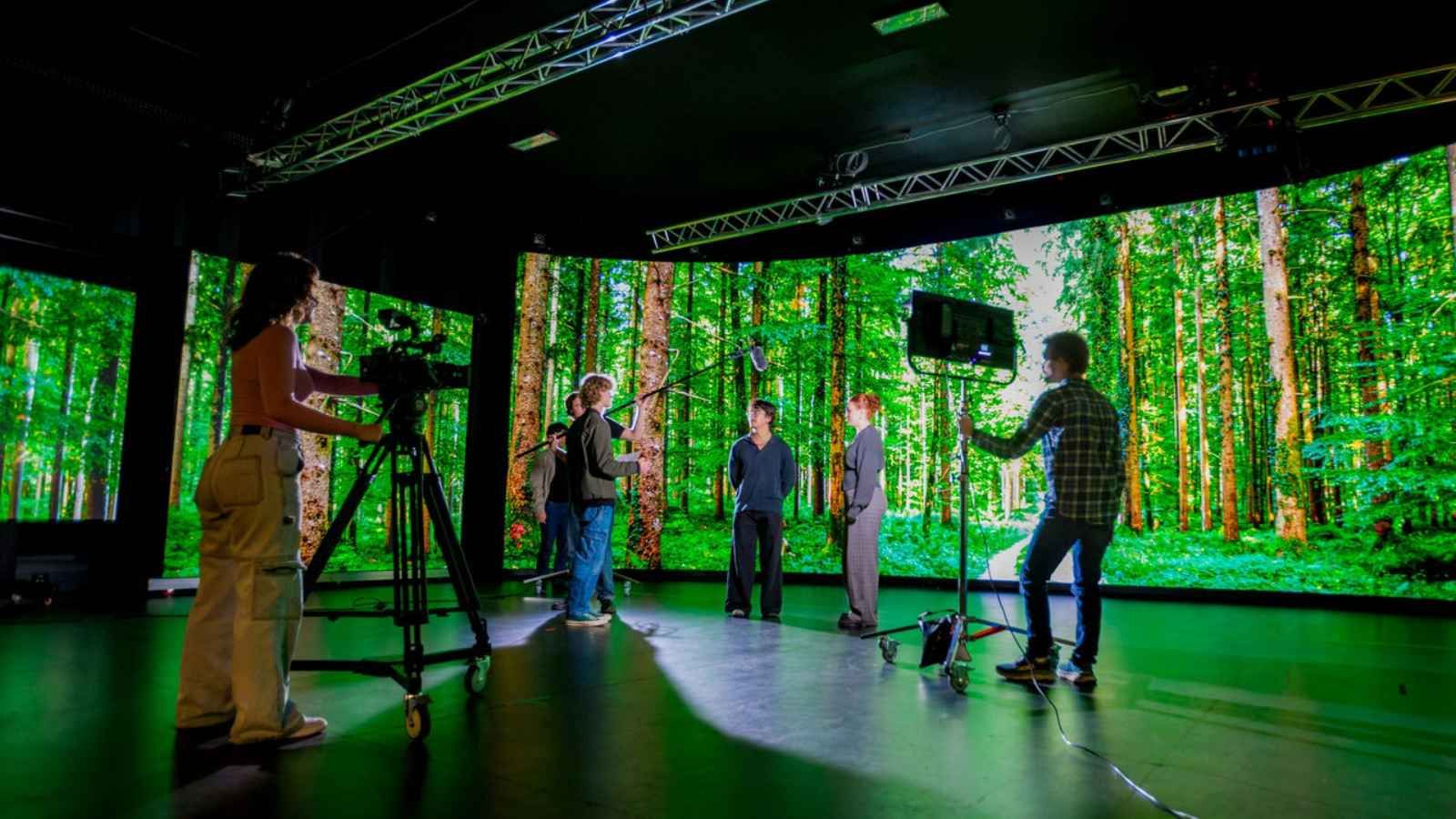
The Acland foundation has backed the lab with a NZ$50,000 contribution. Photo/University of Canterbury
Ross says journalists are often among the first to feel the impact of new technology including social media and artificial intelligence (AI).
“How do we connect them up? How do we connect them through storytelling? It's going to be through social media. It's going to be through those digital platforms.”
She says digital platforms have also helped connect Pacific communities across the diaspora.
Listen to Dr Tara Ross’s full interview below.
“The likes of Twitter and TikTok and new tools have actually been really vital in the Pacific diaspora connecting from all around the world.”
“The key is keeping the human at the centre. We have to stand strongly in our values of relationship and that communication is always about the people in the mix.”
The lab has already begun its first residencies with Charlie Mitchell, Senior Journalist at The Press, developing a digital publication about Te Waihora Lake Ellesmere.
Mitchell says he wants to move beyond simple conflict-based reporting.
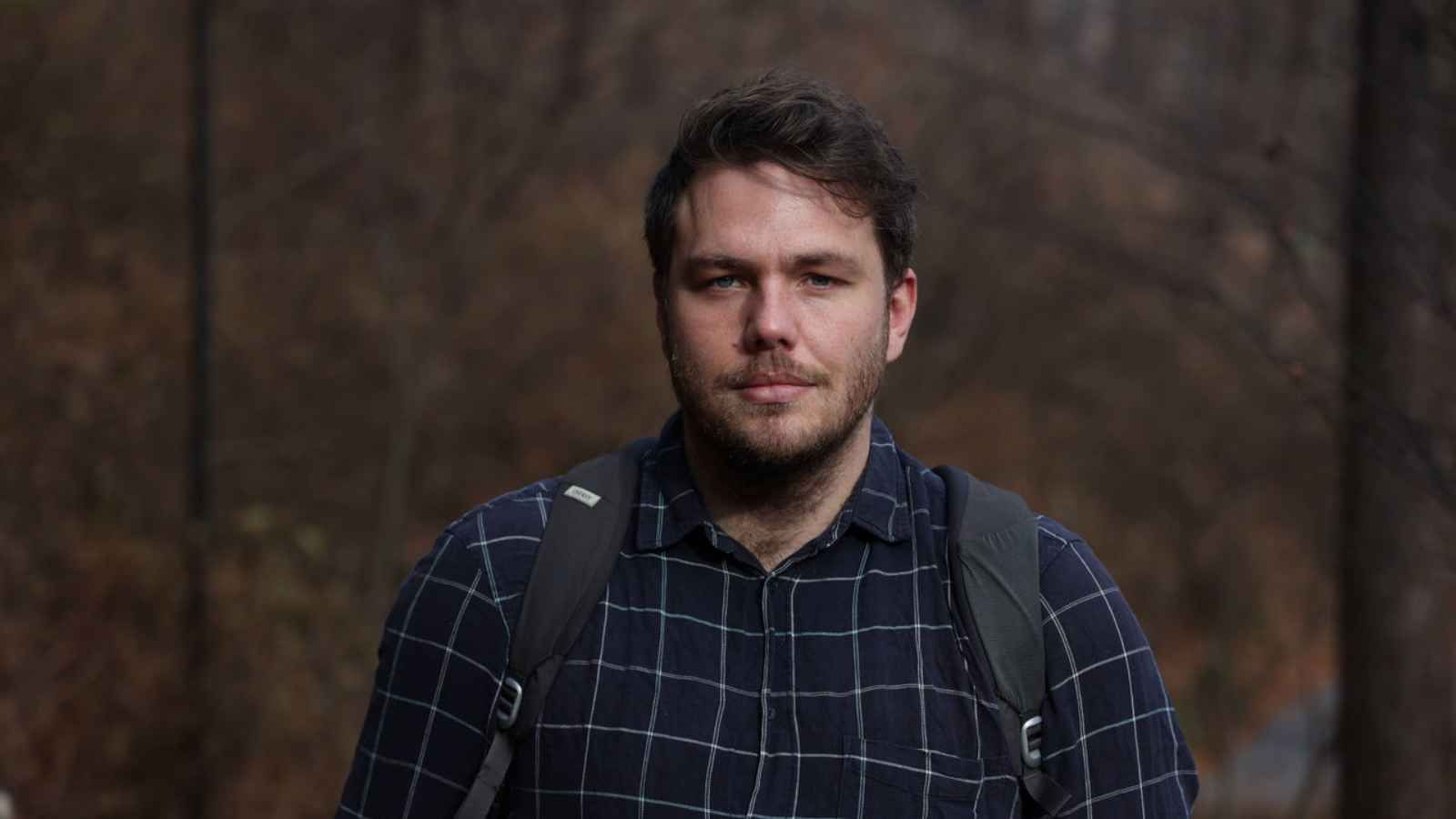
Charlie Mitchell, Senior Journalist at The Press. Photo/University of Canterbury
“I want to create generally useful storytelling that doesn't really cast heroes and villains but tries to get into some of the complexity of the issues,” Mitchell says.
The lab's co-founder, Media and Communication Professor Donald Matheson, says journalists often lack the time and resources to explore new approaches to storytelling.
UC says the lab will work alongside newsrooms and support experimental storytelling, technology for social good and stronger connections with communities.
Ross says that connection will be important as the media industry faces changing technology, limited resources and declining trust.

Dr Tara Ross says the rapidly shifting media landscapes requires more collaboration in how journalists tell stories. Photo/Unsplash
“For the journalists, trust is only going to grow when we're working better with our communities. But that also means that there's a challenge there for communities to maybe step up and support your journalists a little bit more,” Ross says.
“Think about who you're clicking on and who you're listening to. Where are you giving your attention? Because we live in a world of competition for attention, clicks, eyeballs and ears.
“As viewers and listeners, we have a responsibility to think harder about where we put our attention and who we're supporting.”
Ross says the residency could provide space to develop stories in their communities while experimenting with the digital tools needed to reach audiences at home and across the diaspora.
For more information on the Media Innovation Lab, click here.