El Niño tightens grip on Pacific as authorities warn of drought and extreme weather
Lachlan EddieFri, 23 Oct
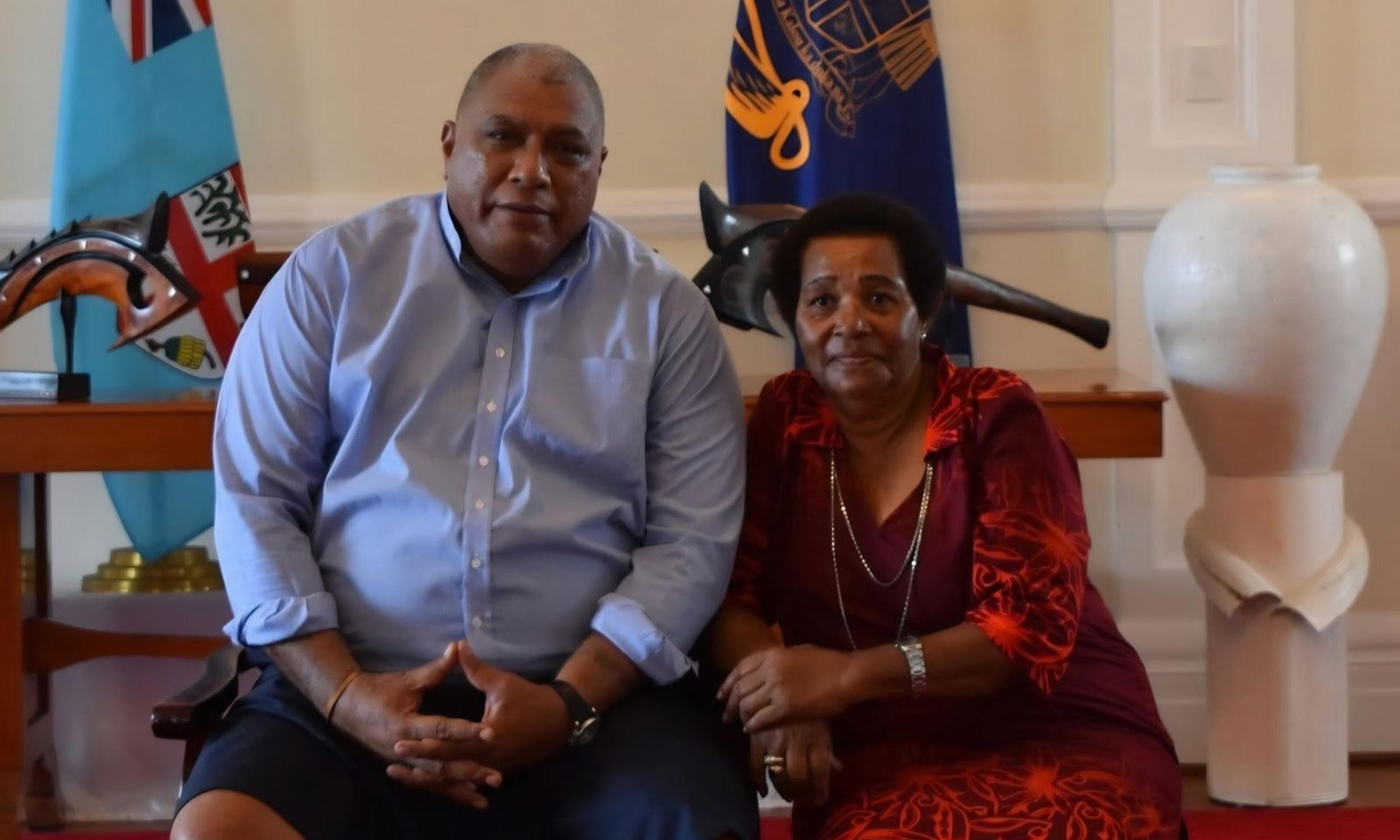
Cema Bolabola with Former Fiji President Ratu Wiliame Katonivere at the State House.
Photo/Fiji Government
Now in her 70s, the Fijian civil society leader is using decades of experience to support older people, rural women and communities facing climate change.

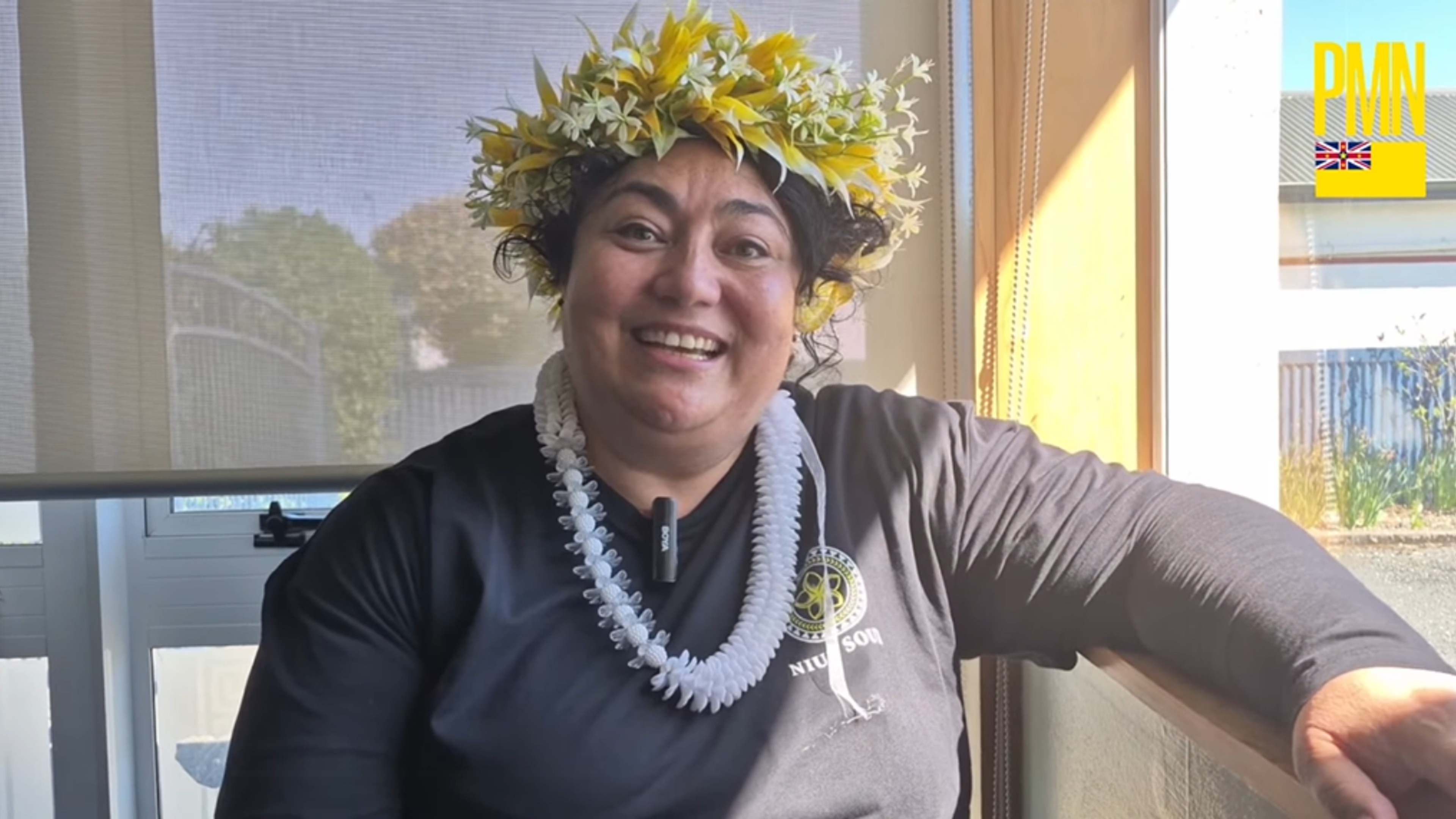
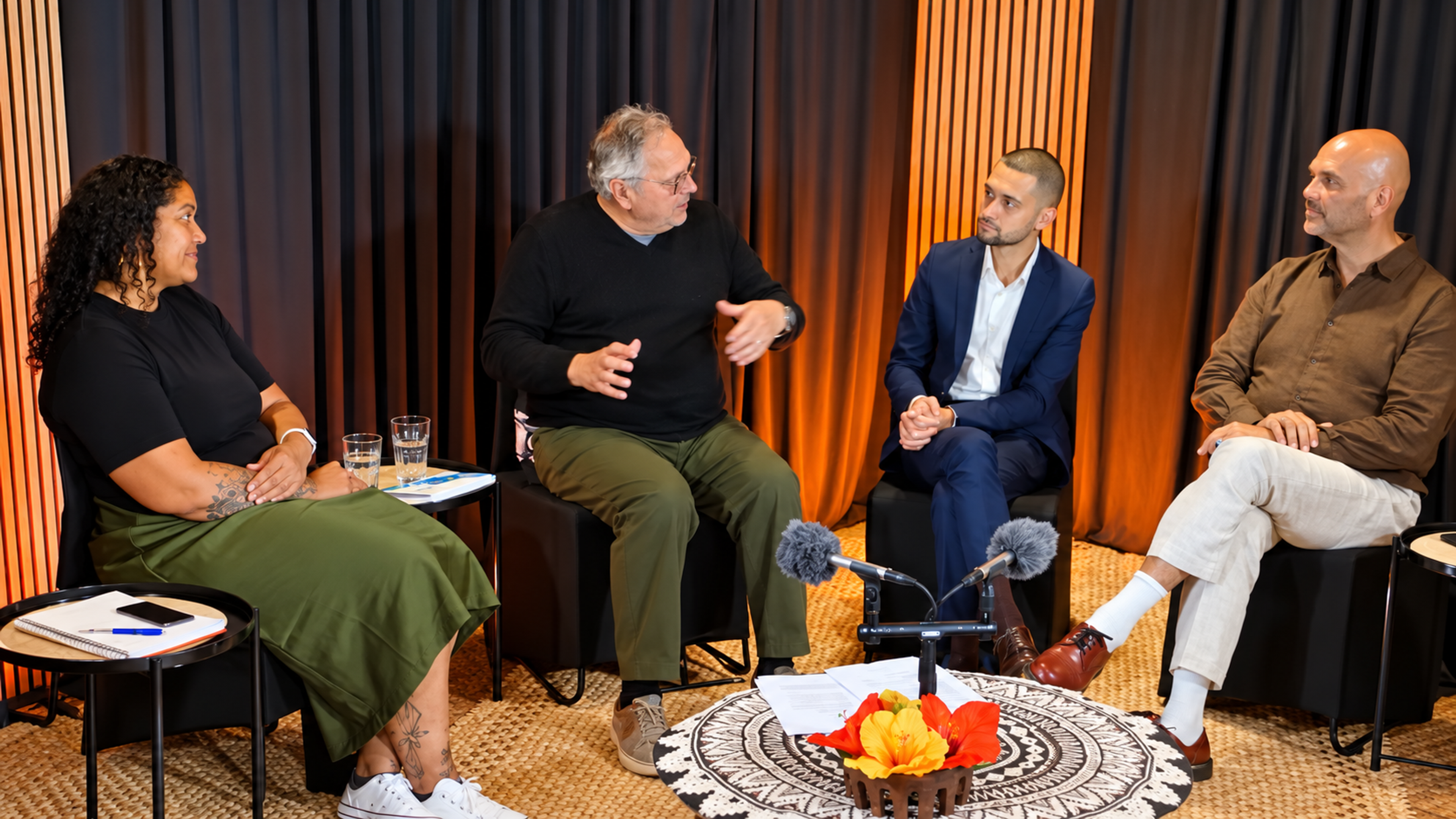
For Cema Bolabola, retirement has never meant stepping away from community service.
Now in her 70s, the veteran Fiji civil society leader continues to support some of the country’s most vulnerable communities, drawing on decades of experience across Fiji and the Pacific.
“I think this is the thing that motivates me - I have something to offer! And, the NGO community in Fiji appreciates that I actually have something that could be of support to the civil society community in Fiji,” Bolabola told PMN’s Pacific Days.
Her commitment to service started as a student at the University of the South Pacific (USP), where she became involved with the Young Women’s Christian Association (YWCA).
She later became Vice President of the Fiji YWCA, establishing the foundation for a career focused on civil society and community development.
Following a 20-year career at USP, Bolabola went on to lead the Pacific Islands Association of Non-Governmental Organisations (PIANGO), advocating for civil society across Pacific Island nations and territories.
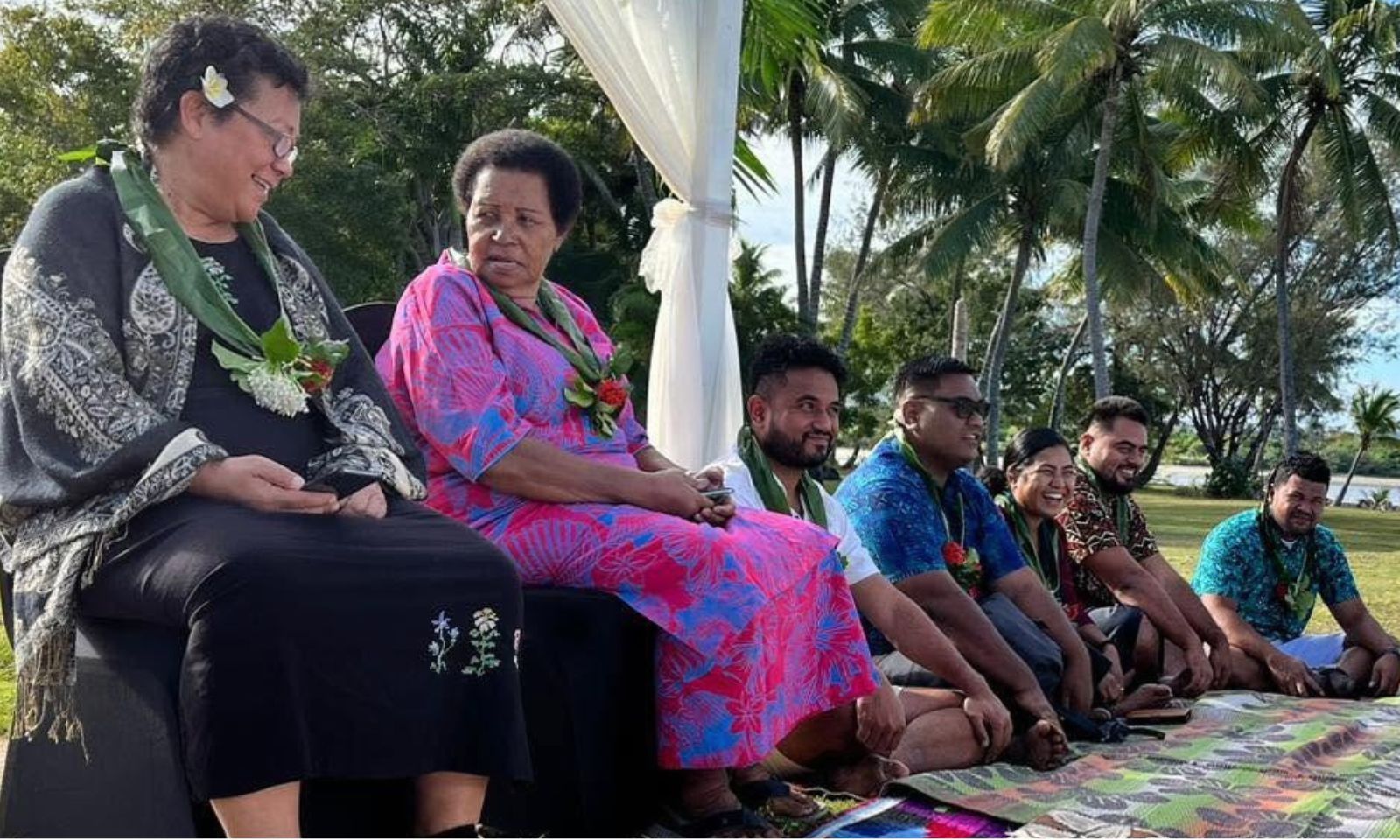
After 20 years at USP, Cema Bolabola (2nd from left) took up the leadership reigns at the Pacific Islands Association of Non-Governmental Organisations (PIANGO). Photo/Facebook
She later worked with UN Women and UNDP, where she helped design the Markets for Change programme, which focused on the economic empowerment of market vendors, around 80 to 90 per cent of whom are women.
While officially retired, Bolabola remains active across several areas of community work. She is an interim trustee for the Fiji Council of Social Services (FCOSS), works with Climate Talk Fiji, and sits on the National Council of Older Persons under Fiji’s Ministry of Women, Children, and Social Protection.
“Service..it's fulfilling, and I think it is an opportunity to meet others and contribute to society, and this is all that I love to do.”
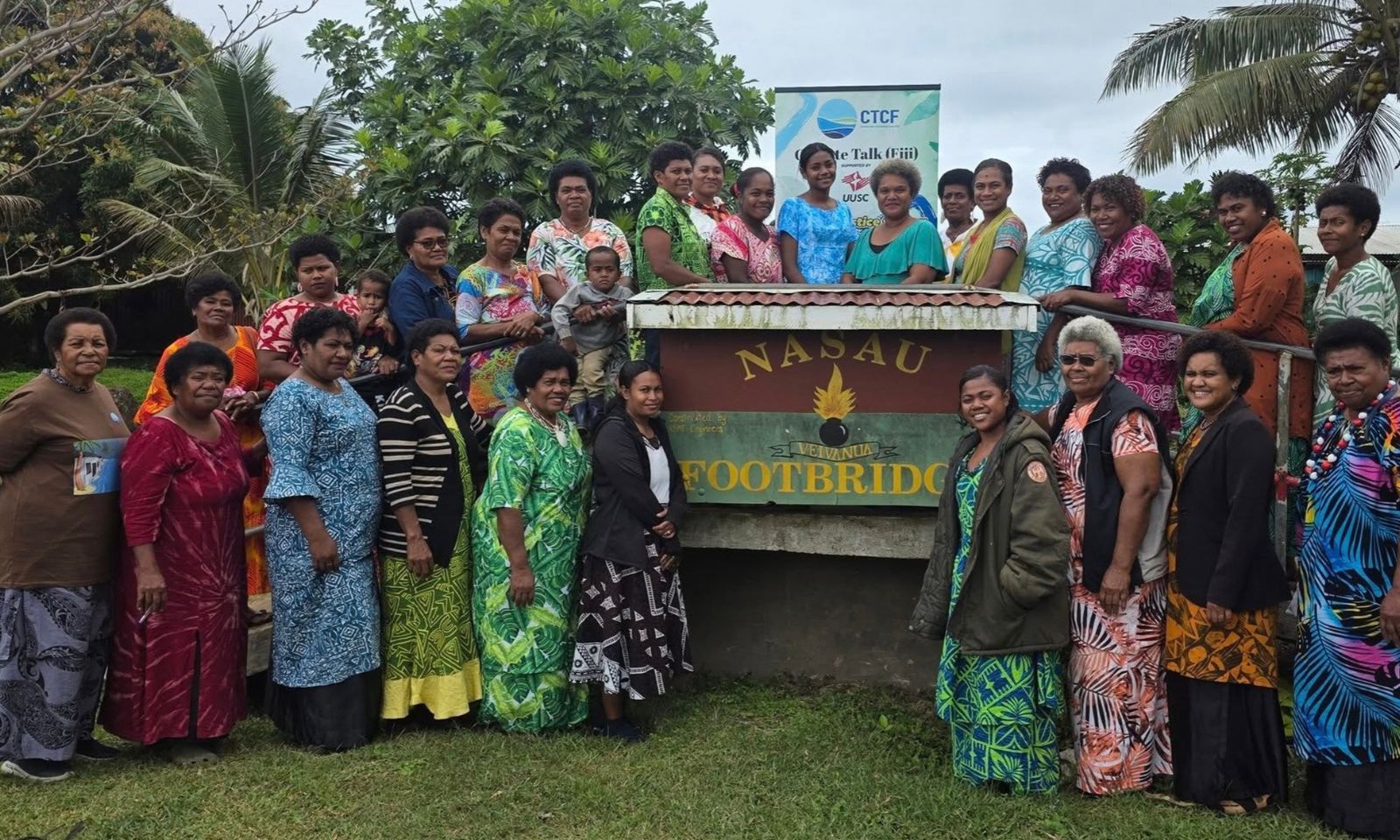
Though retired, Cema Bolabola ( far left) remains active across several areas of community work. Photo/Climate Talk Fiji
Much of her work now focuses on people who can easily be overlooked, particularly older women.
"The most disadvantaged person is an older woman - already because of our sex, and then of our age."
Bolabola says older people can face violence, abuse and financial exploitation including having their pensions taken by relatives.
“They face violence, they face abuse, and they've been tricked off their pensions and everything by relatives or children, that's the sad part.”
She also wants stronger connections between generations and more family-based care for older people, particularly as urbanisation can leave some isolated from their communities.
Climate change is another area where Bolabola says older people have an important role to play.
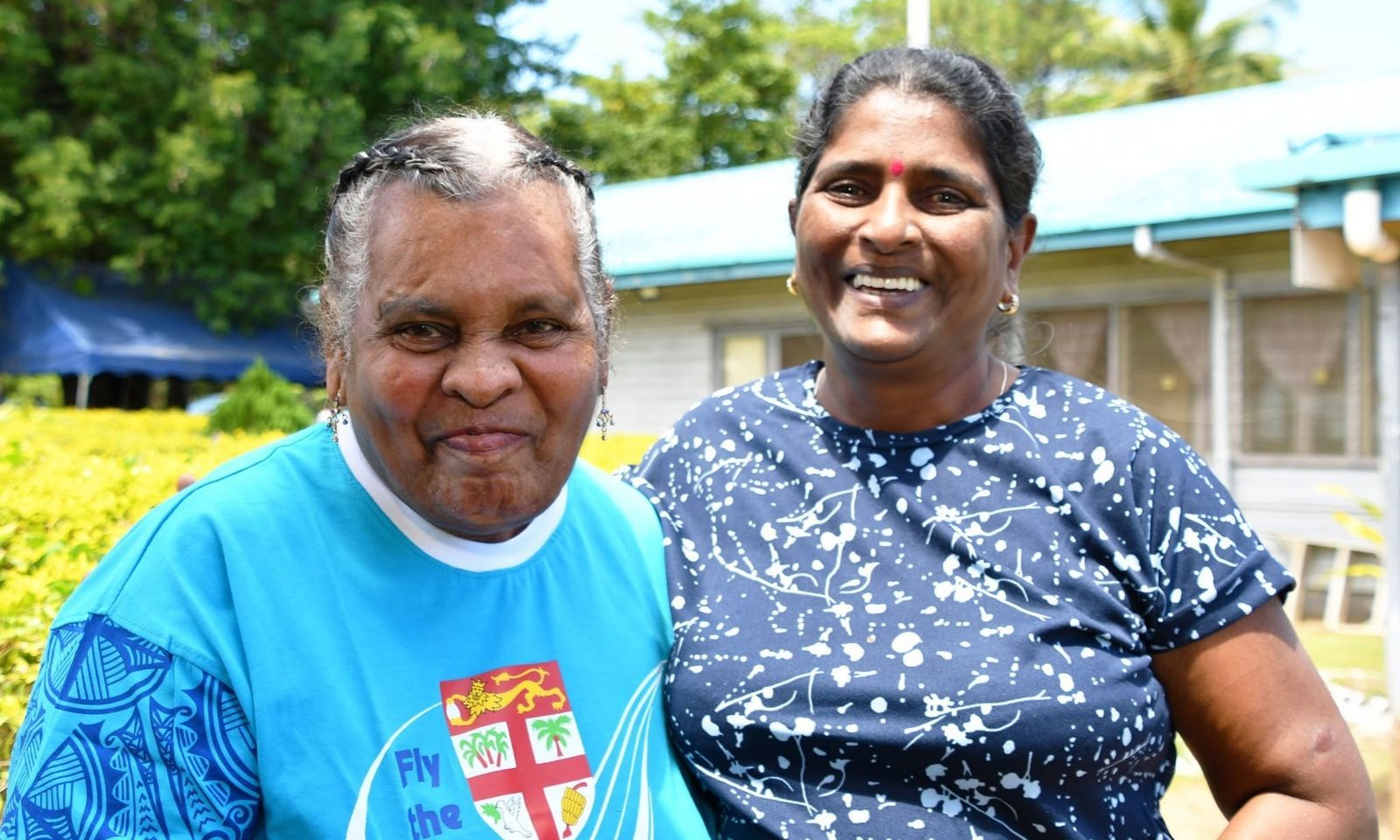
Much of Cema Bolabola's work now focuses on people who can easily be overlooked, particularly older women. Photo/Fiji Government
"Traditionally, there were always ways of early warning systems to warn people of changing weather patterns,” she says. “Only the older people know about it.”
Bolabola says traditional knowledge needs to be valued alongside modern approaches, particularly as coastal communities face the risk of relocation.
Her work also continues to focus on rural women and their place in decision-making.
“The biggest challenge for rural women is their strategic needs; they're not participating in village leadership, or decision-making in villages.”
Born and raised in a rural village on Koro, Bolabola says education gave her opportunities to build a career in service, with support from the New Zealand Government helping fund her schooling from secondary school through university.
Now, her message to other people in retirement is simple: stay active, keep learning and find ways to contribute.
Watch Cema Bolabola's interview on Pacific Days below.
"For any person who's retired in the Pacific, we need to have our brain somersaulting, so to speak,” she said. “If you don't use it, you lose it… and volunteer work is the one that gives you a lot of satisfaction."
For Bolabola, the work continues because she still believes she has something to give.
"I enjoy this work. It's fulfilling, and it's rewarding. Service is rewarding."
Bolabola says she has no plans to stop contributing, with service continuing to give her a sense of fulfilment and purpose.