

Pacific families in Auckland face rising property prices and limited space.
Photo/healthyfamiliessouthauckland.nz
Community
Space costs: Pacific families feel pressure as New Zealand property market moves carefully
New data shows prices dip slightly in 2026, but regional hotspots and new homes still leave Pacific families facing housing crisis.

PMN News
Published
11 February 2026, 12:30pm
Share
Copy Link
Top stories



Top stories
It may be the year of the horse, but New Zealand’s property market is taking a measured canter rather than a full sprint.
Early 2026 figures show modest rises in listings and stock, regional price highs, and strong premiums for homes with extra bedrooms and bathrooms.
But for Pacific families in Aotearoa, finding suitable and affordable homes remains a daily challenge.
Latest data from realestate.co.nz shows total new listings in January rose 1.3 per cent year‑on‑year to 9019, while national stock levels hit 33,149. This is the first January above 33,000 since 2014.
Despite this, the national average asking price fell 1.5 per cent from January 2025 to $856,730.
Vanessa Williams, spokesperson for realestate.co.nz, says the market is steadying rather than surging. “Overall, it’s a patchy but promising start to the year for New Zealand’s property market.
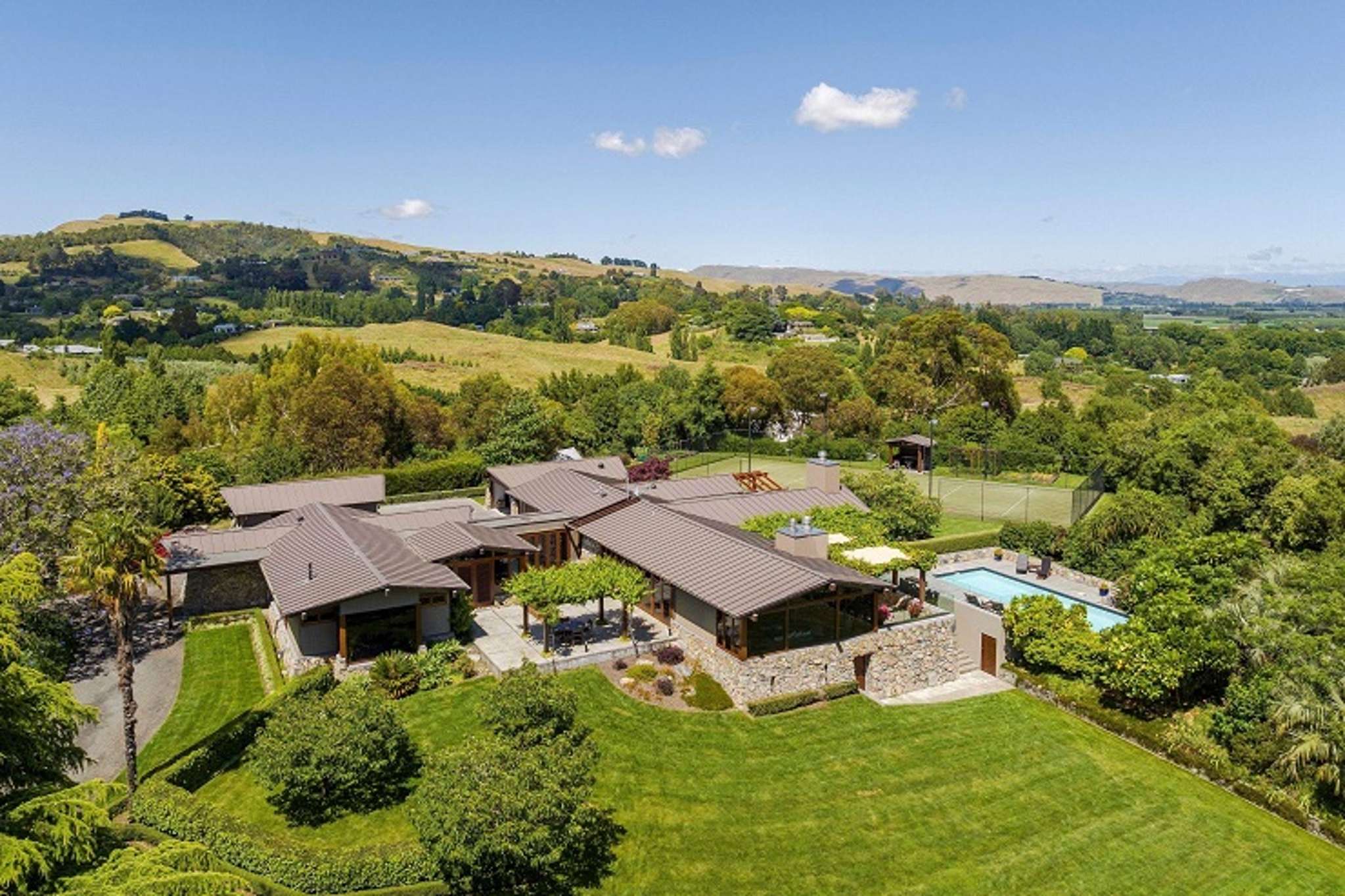
West Coast homes hit record asking prices, reflecting strong regional demand. Photo/oneroof.co.nz
"More of a steady jump from the gates than a full‑blown sprint. Some regions are showing strong momentum, while others are still finding their stride.”
Regional patterns highlight the differences families will feel on the ground. The West Coast reached an all‑time asking price high of $585,881, up 17.4 per cent, while Gisborne recorded a 45.1 per cent increase in new listings.
Marlborough, on the other hand, saw the steepest drop, dipping below $700,000 for the first time since 2021.

Extra bedrooms and bathrooms can push property values up by hundreds of thousands. Photo/bathroomrenovationhamilton.co.nz
Homes with extra space drive strong premiums
Homes that deliver extra space continue to command a premium, a trend particularly relevant to Pacific households, many of whom live in multigenerational homes.
In 2025, a three‑bed, two‑bath home had an average asking price of $987,608. Add a third bathroom and that rose almost 40 per cent to $1,376,229.
Then a four‑bed, two‑bath property jumped from $1,173,682 to nearly $1.69 million with a third bathroom, a difference of more than half a million dollars.
“Kiwis are still attracted to more space and see value in that, whether it’s to accommodate a growing family, work-from-home flexibility, or future-proofing an investment,” Williams said.
“Not all renovations are created equal, as buyers are drawn to homes that suit their lifestyle. We always encourage homeowners to think about who they’re renovating for: themselves or future buyers.”
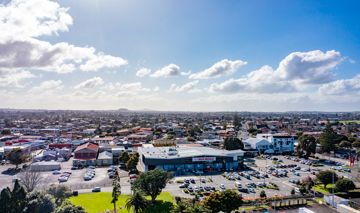
Auckland led the nation with over half of new home consents in 2025, boosting supply. Photo/Auckland Council
Pacific families face housing pressure
Nearly 40 per cent of Pasifika in New Zealand live in homes that are too small for the number of occupants, well above the national average.
Overcrowding affects health, education, and wellbeing, with Tongan, Tokelauan, and Sāmoan households most impacted.
Community initiatives are emerging to help. Porirua’s Our Whare Our Fale programme aims to deliver up to 300 affordable homes designed for Pacific families, featuring shared equity schemes and multigenerational layouts.
“These homes are more than buildings, they are places where children will grow, where parents can plan for the future, and where communities will thrive,” Gerardine Clifford‑Lidstone, Secretary for Pacific Peoples, said in the Porirua News.
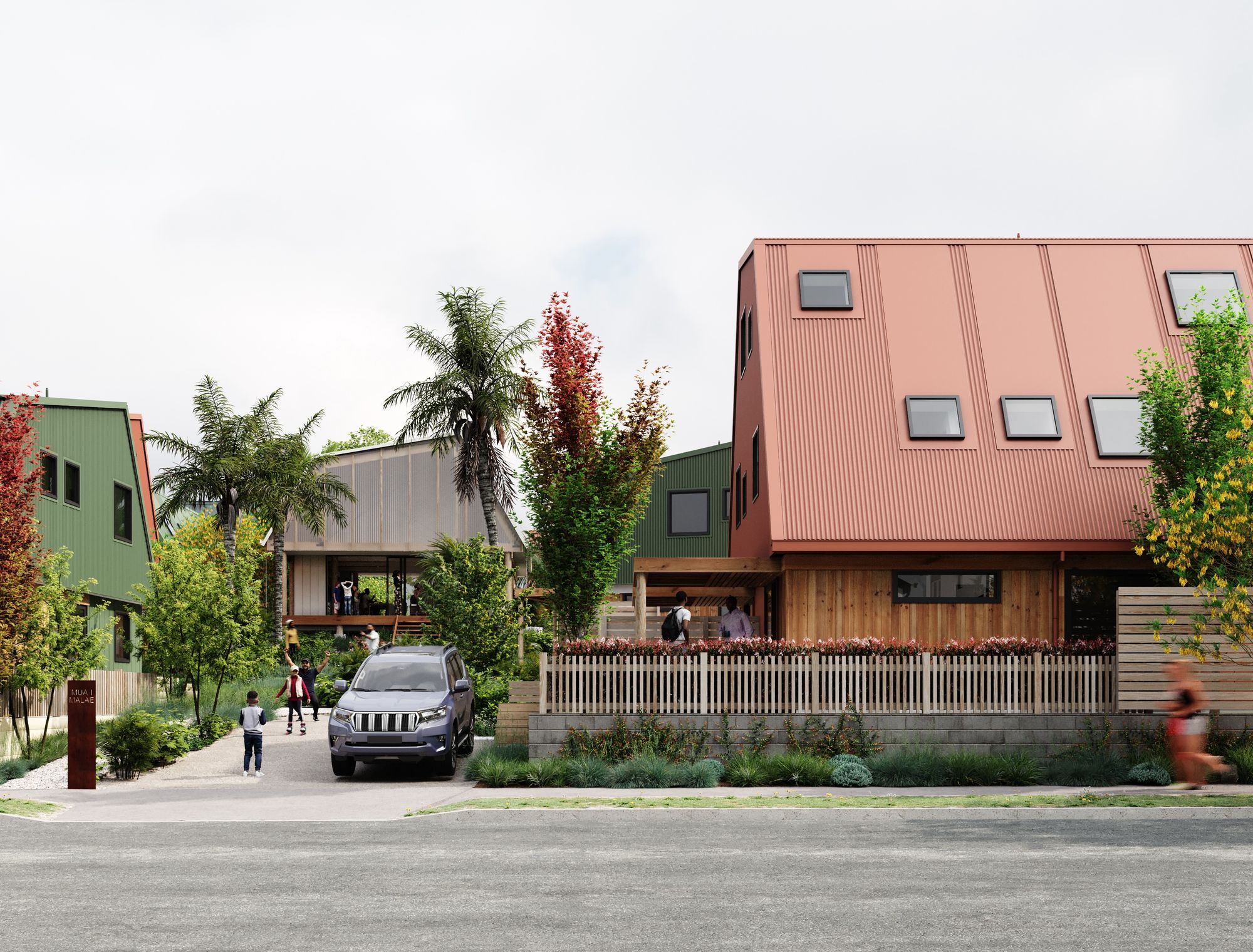
Our Whare Our Fale aims to provide affordable, culturally appropriate homes for Pacific families. Photo/Our Whare Our Fale
Supply rises, but affordability remains a challenge
Stats NZ reports that 36,619 new homes were consented in the year ended December 2025, a nine per cent increase on 2024.
Auckland led with 15,617 consents, more than half of the national increase, followed by Canterbury, Waikato, Otago, and Wellington.
While encouraging, rising supply has yet to resolve affordability or overcrowding for Pacific communities.
Despite cautious buyers, transactions remain solid. REINZ data shows 6628 properties sold in December 2025, up from 5511 in December 2024, signalling that while the national market may be steady rather than sprinting, sales are happening.
As New Zealand’s property market moves tentatively into 2026, the message for Pacific families is clear: regional hotspots and well‑planned homes offer opportunity.
But larger systemic challenges like supply, affordability, and culturally appropriate housing remain central to achieving secure, healthy homes.