El Niño tightens grip on Pacific as authorities warn of drought and extreme weather
Lachlan EddieFri, 23 Oct
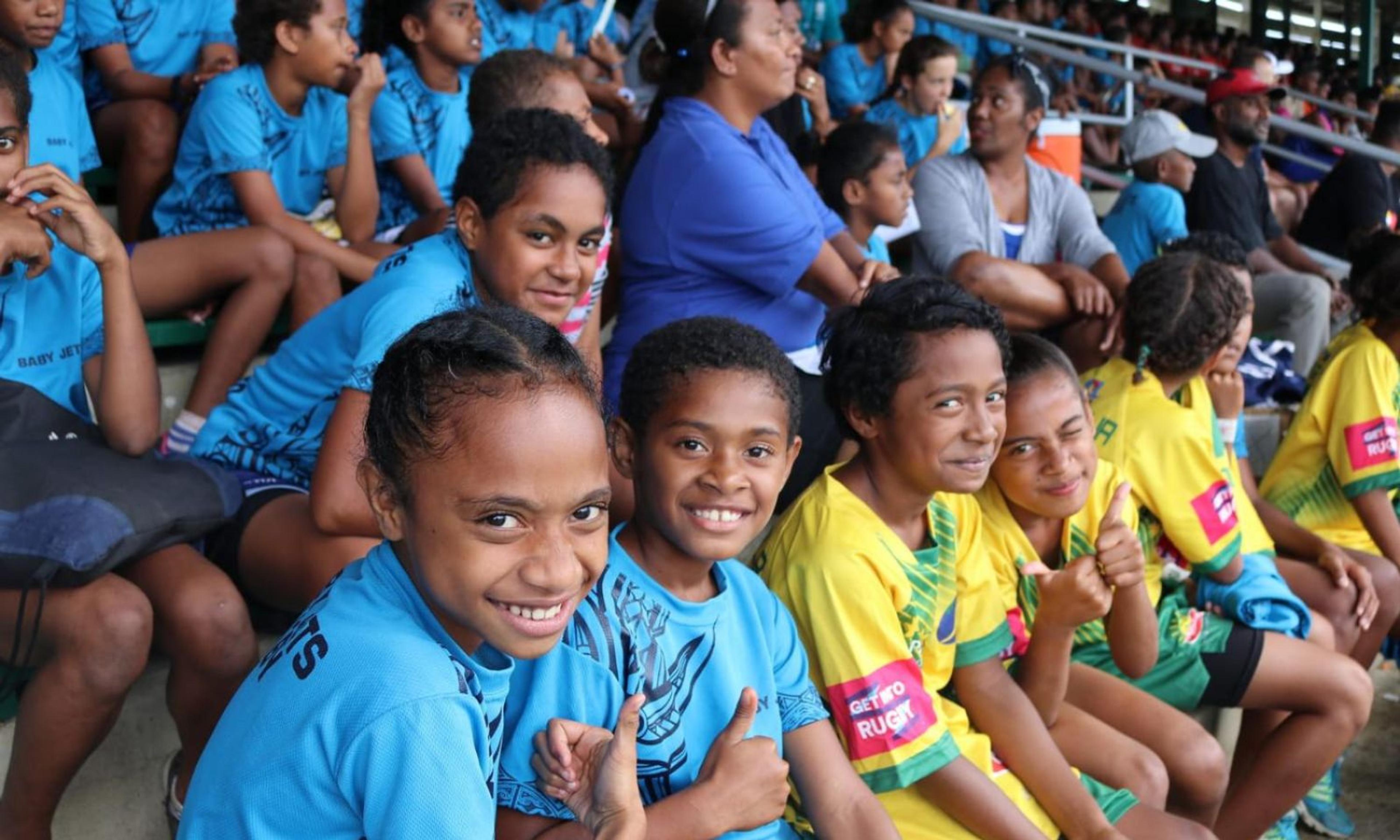
Children at a rugby festival in Fiji. Researchers and Pacific leaders say boys and men must be part of the conversation on gender equality.
Photo/UN Women
Research shows gender programmes in the Pacific are overlooking how boys are shaped by harmful norms from an early age and regional examples show boys can be key to change.

Efforts to tackle gender‑based violence in the Pacific are gaining momentum, with regional governments and partners investing in programmes to protect women and girls.
But experts warn a crucial piece is missing: how boys are socialised into the very norms that later fuel inequality and violence.
In her latest research, published this week, Priyam Singh-Maharaj says current approaches often focus almost exclusively on women and girls, leaving a “structural blind spot” when it comes to boys and men.
“Boys are an overlooked part of the gender story in the Pacific,” she writes for the Lowy Institute, arguing that understanding boys’ experiences is essential to changing gender norms.
Singh‑Maharaj explains that expectations on boys from early childhood influence how they handle conflict, express emotion, and understand responsibility as adults.
She says all these factors are linked to patterns of violence and inequality later in life.
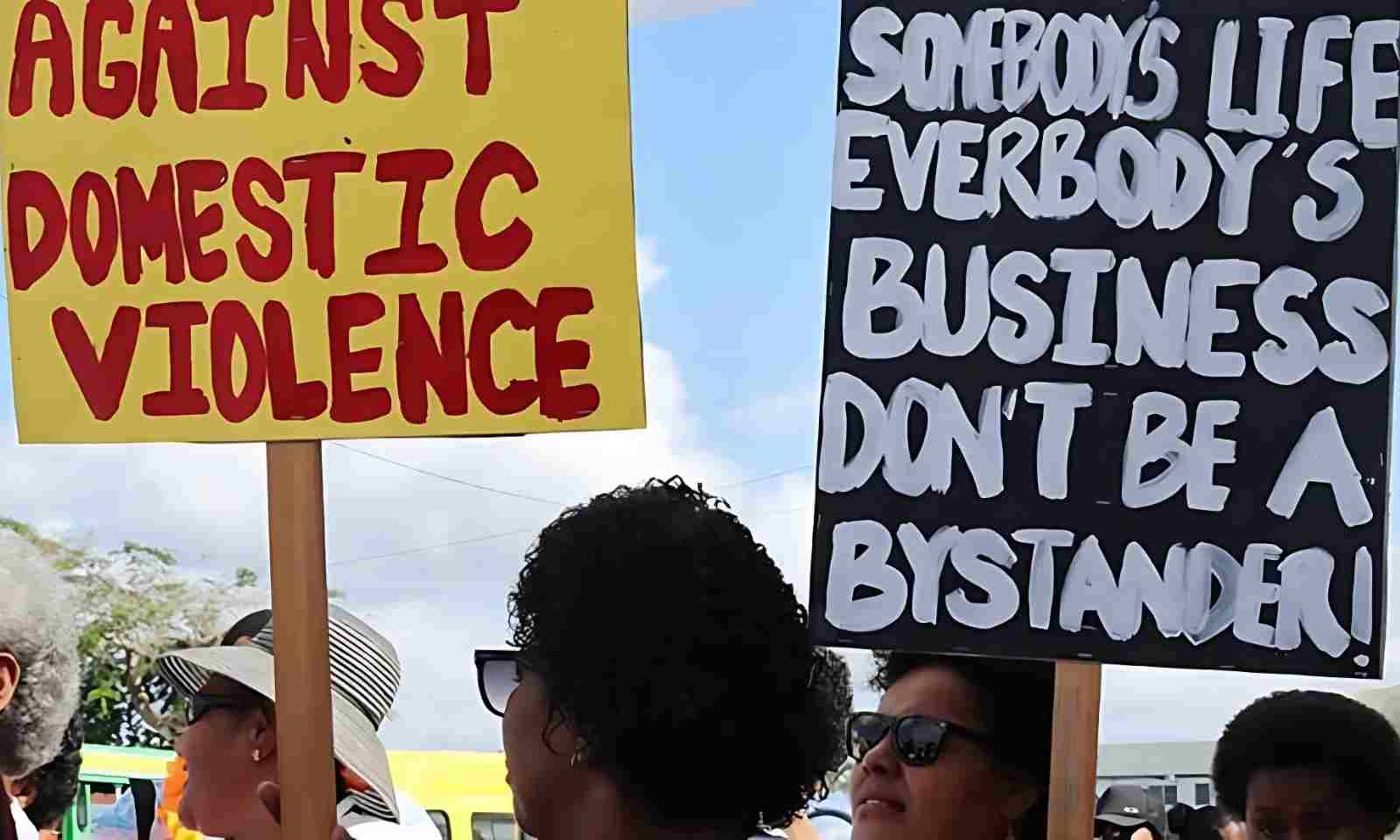
Many boys in Fijian schools described witnessing domestic violence and feeling pressure to hide emotions.
In classrooms, she says, boys are often labelled “soft” and told to “suck it up and keep moving” because emotion is seen as feminine.
These early lessons shape how boys become men and how they treat others.

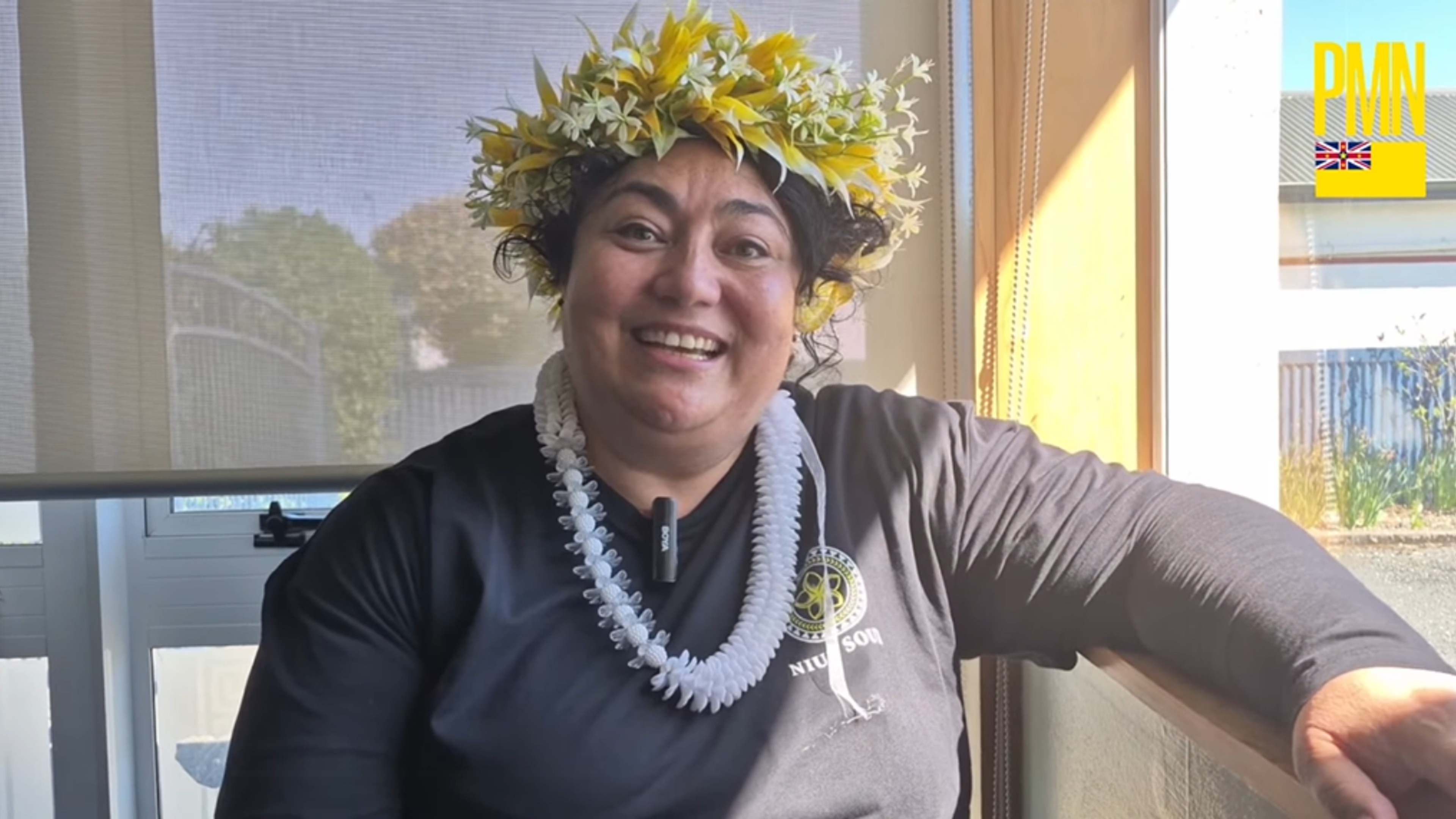
Researcher Priyam Singh-Maharaj warns that gender programmes focusing only on women and girls risk missing how boys are socialised into harmful norms. Photo/LinkedIn
Without addressing these foundations, gender work may be treating only the symptoms of a deeper problem.
Leading voices in the Pacific are already taking steps to change how boys are engaged.
In a region‑wide initiative, the Pacific Community and UNICEF have expanded gender programmes to include boys as active participants and advocates.
“Programmes are far more effective when boys are engaged as allies, helping challenge gender stereotypes and support girls’ leadership and rights,” the Pacific Girl programme in partnership with UNICEF says in a report, reflecting a shift towards more inclusive approaches.
UNICEF has also launched the Young Pasifika Wayfinders, a Pacific Adolescent Boys Advisory Group bringing together boys from across 11 Pacific countries to help design and lead initiatives on gender equality, online safety and healthy relationships.
In Vanuatu, community‑level engagement shows how men and boys can become active agents of change.

Boys and men are key to ending gender-based violence in the Pacific, say researchers and regional programmes including Pacific Girl and Vanuatu community initiatives.”
Through CARE Vanuatu’s Vois Blo Mi project, male facilitators have created safe spaces for boys to reflect on gender biases and their impact.
This work has already led to meaningful shifts. One adolescent participant in Vanuatu told project officials that boys now understand the importance of supporting girls in school, even helping with menstrual hygiene, showing how early reflection can change behaviour.
These efforts align with broader regional commitments to gender equality and inclusion.
The Pacific Islands Forum’s revitalised Gender Equality Declaration recognises the shared responsibility of women, girls, boys and men to build inclusive societies.
Singh‑Maharaj stresses that involving boys and men is not a diversion from gender equality, but an essential part of it.
“Working with boys and men is not a diversion from gender equality. It is essential for building the kinds of relationships and communities needed for long‑term social and development outcomes,” she writes.
Pacific leaders and development partners agree that violence prevention and social change require whole‑of‑community approaches.
Engaging boys early, in culturally grounded and locally driven ways, is increasingly seen as a key component of effective gender policy across the Blue Pacific.
Priyam Singh-Maharaj is a Pacific-focused gender researcher and academic. She recently completed her PhD at the University of Otago, where her doctoral study examined how boys in Fiji navigate masculinity, schooling and social worlds. She has also worked as an independent research consultant in the areas of women’s leadership, politics and civil society.