
Tofiga Fepulea’i brings the laughs while taking top honours at Arts Pasifika Awards
Aui'a Vaimaila Leatinu'uFri, 23 Oct
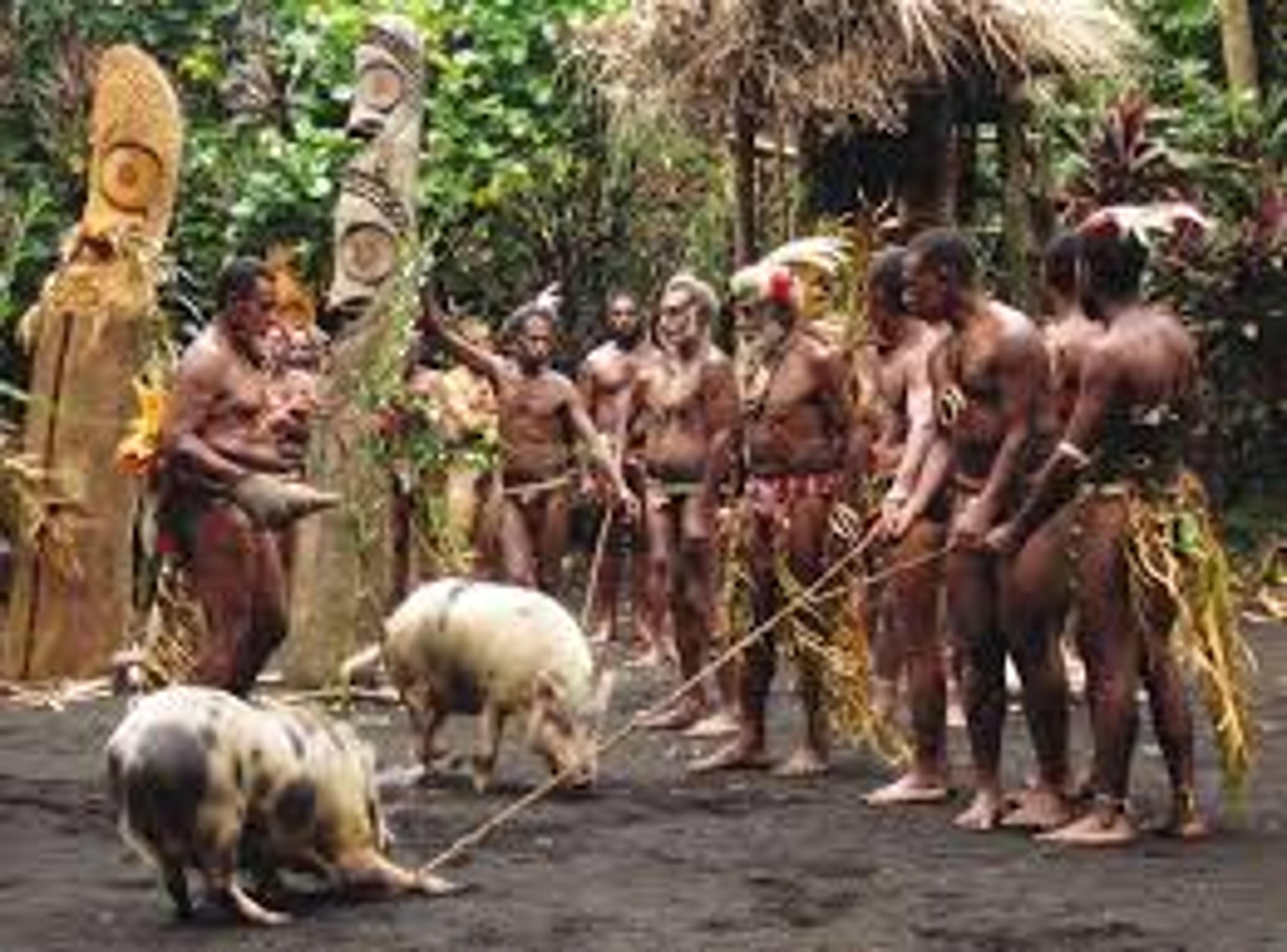
Pigs have travelled with Pacific people for thousands of years, shaping island culture, food systems, and environments across the region.
Photo/UNESCO
A study traces the movement of pigs and how generations of island communities transported, traded, and released pigs over thousands of years.

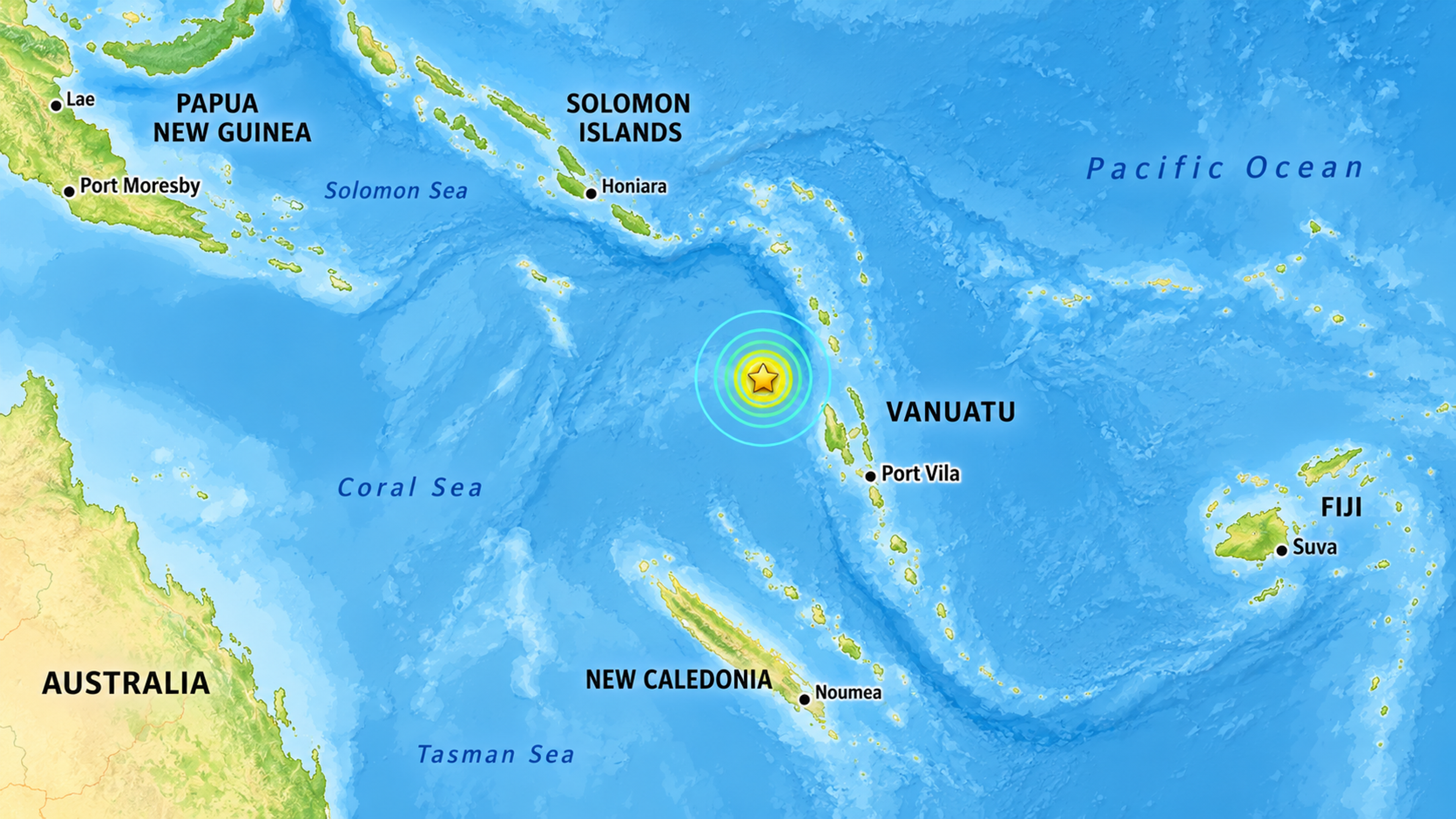


A major genetic study has revealed how Pacific people helped move pigs across the ocean for thousands of years, shaping island life, culture, and ecosystems from Southeast Asia to Polynesia.
The study, published in the journal Science, looked at the DNA of more than 700 pigs, including living animals and archaeological remains.
By comparing their genomes, researchers were able to track where pigs came from, when they arrived on different islands, and how they mixed with local pig species.
The research was led by Professor Laurent Frantz from Queen Mary University of London and Ludwig Maximilians University of Munich, Dr David Stanton from Cardiff University, and Professor Greger Larson from the University of Oxford.
Scientists from Indonesia, the Philippines, and Vanuatu were also part of the team.
For a long time, scientists believed many animals could not cross a major natural divide known as the Wallace Line, which separates Asian wildlife from Australasian species.
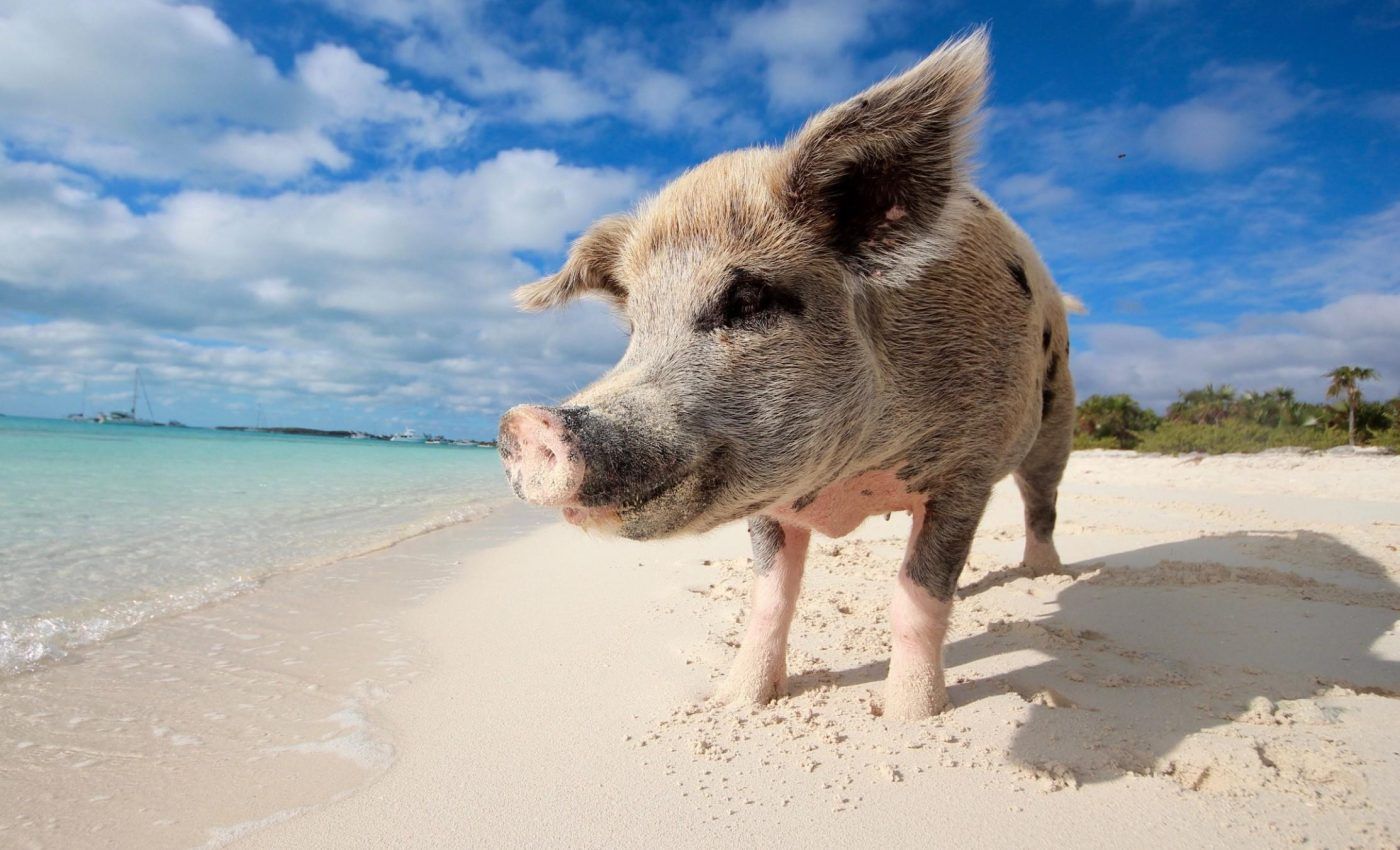
Today, pigs raise complex conservation questions, as they are both culturally important and damaging to some island ecosystems. Photo/earth.com
While animals such as monkeys and leopards remained on the Asian side, pigs were found on both sides of the boundary.
The new study shows this did not happen naturally. Instead, people carried pigs with them as they travelled and settled across islands.
The earliest movements may have happened as far back as 50,000 years ago when people living in Sulawesi, known for some of the world’s oldest cave art, moved warty pigs to nearby islands such as Timor.
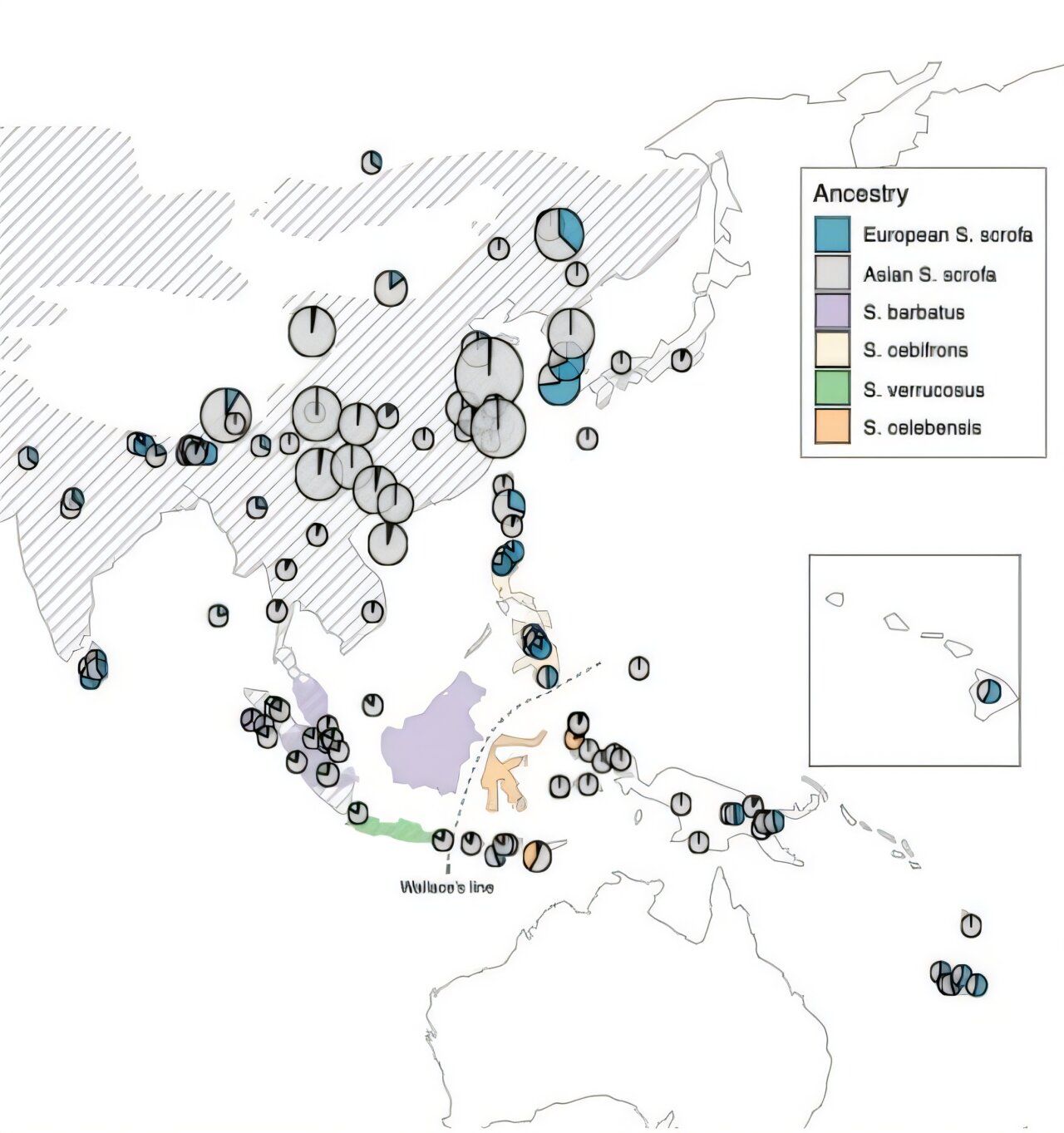
Researchers say Pacific ancestors moved across the ocean with animals and food systems, not just people. Photo/science.org
The pigs may have been taken along to provide food for future hunting. Around 4000 years ago, pig movements increased quickly as early farming communities expanded into the Pacific.
From a Polynesian archaeology perspective, the findings support long-held knowledge that Pacific voyagers travelled with food systems, not just people, and that pigs reflect careful planning and adaptation as communities settled new islands.
Researchers say these journeys started from Taiwan, moved through the Philippines and eastern Indonesia, and continued into Papua New Guinea, Vanuatu, and remote Polynesia.
Researchers at the Vanuatu Cultural Centre say pigs hold deep cultural value there and were intentionally brought by ancestors than arriving by chance as invasive animals.
Stanton, the lead author, says the research shows how human movement across the Pacific reshaped animal populations over time.
“This research reveals what happens when people transport animals enormous distances, across one of the world’s most fundamental natural boundaries,” he says. “These movements led to pigs with a melting pot of ancestries.”
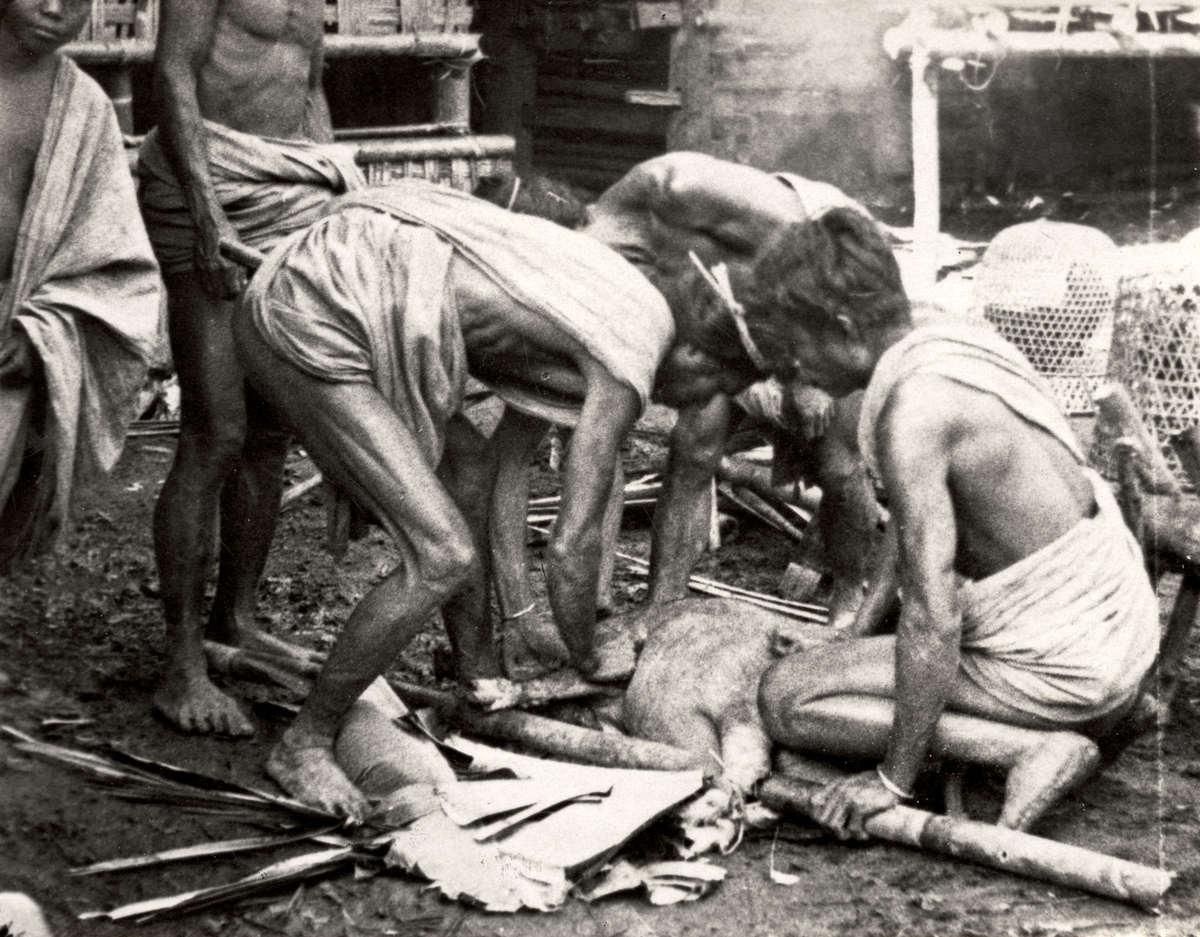
In many Pacific communities, pigs remain central to ceremony, status and kastom, rather than being seen simply as pests. Photo/geheugen.delpher.nl
The study also found that many pigs escaped or were released and became wild.
In some places like the Komodo Islands, pigs introduced in different periods interbred. These hybrid pigs are now an important food source for the endangered Komodo dragon.
European pigs were also introduced during the colonial period, adding another layer to the region's complex history.
Larson says pigs were ready to spread once people helped them reach new islands. “When people have lent a hand, pigs were all too willing to spread out on newly colonised islands in South East Asia and into the Pacific,” he says.
“By sequencing the genomes of ancient and more recent populations, we’ve been able to link those movements to specific human populations in both space and time.”
The findings raise difficult questions for conservation. Today, pigs are seen very differently across the Pacific.
In some places, they are sacred, spiritually important or central to culture. In others, they are pests, while in some islands, pigs have been present for so long that they are treated almost as native species.
Pacific scholars say the findings question Western ideas of what is considered “native”, showing that animals present for thousands of years are now part of Pacific landscapes and history.
Frantz says the research helps uncover layers of human activity across the region and challenges simple conservation labels.
“It is very exciting that we can use ancient DNA from pigs to peel back layers of human activity across this megabiodiverse region,” he says.
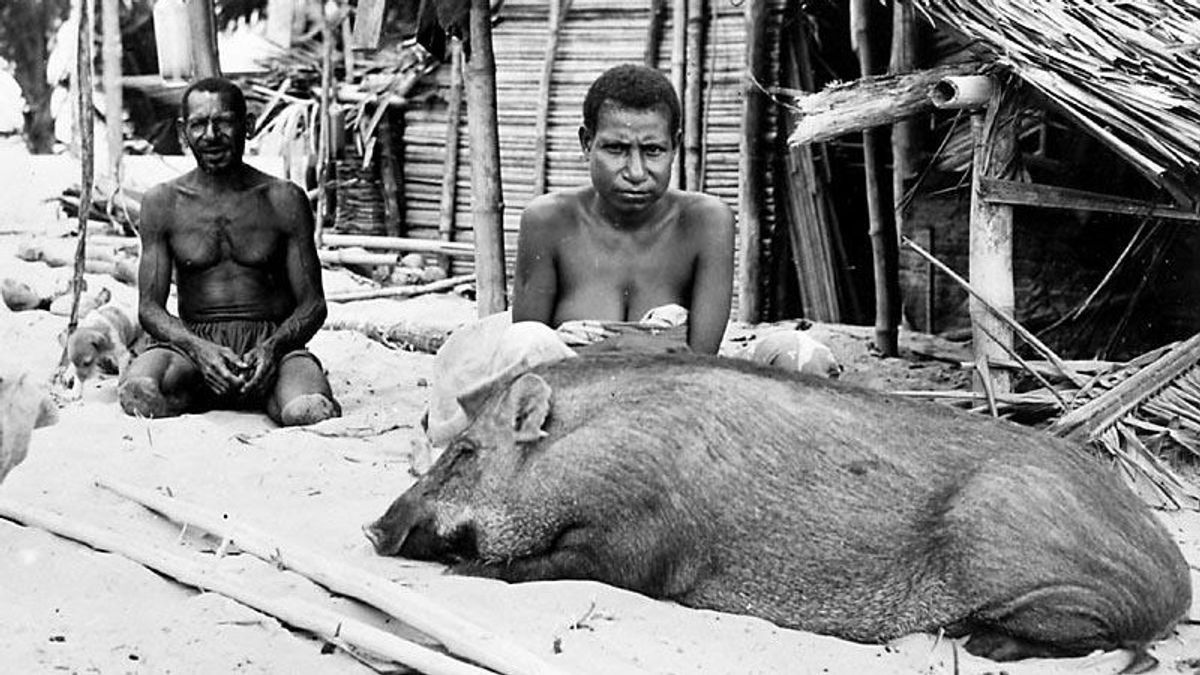
The study analysed DNA from more than 700 pigs, including ancient remains, to trace how they moved across the Pacific. Photo/geheugen.delpher.nl
“The big question now is, at what point do we consider something native? What if people introduced species tens of thousands of years ago? Are these worth conservation efforts?”
Pacific conservation practitioners say pigs highlight ongoing challenges in the region, where their cultural importance must be balanced against real environmental damage.
The researchers say future conservation efforts in the Pacific will need to respect culture, history, and community knowledge instead of relying only on traditional definitions of “native and invasive species.