
Tofiga Fepulea’i brings the laughs while taking top honours at Arts Pasifika Awards
Aui'a Vaimaila Leatinu'uFri, 23 Oct
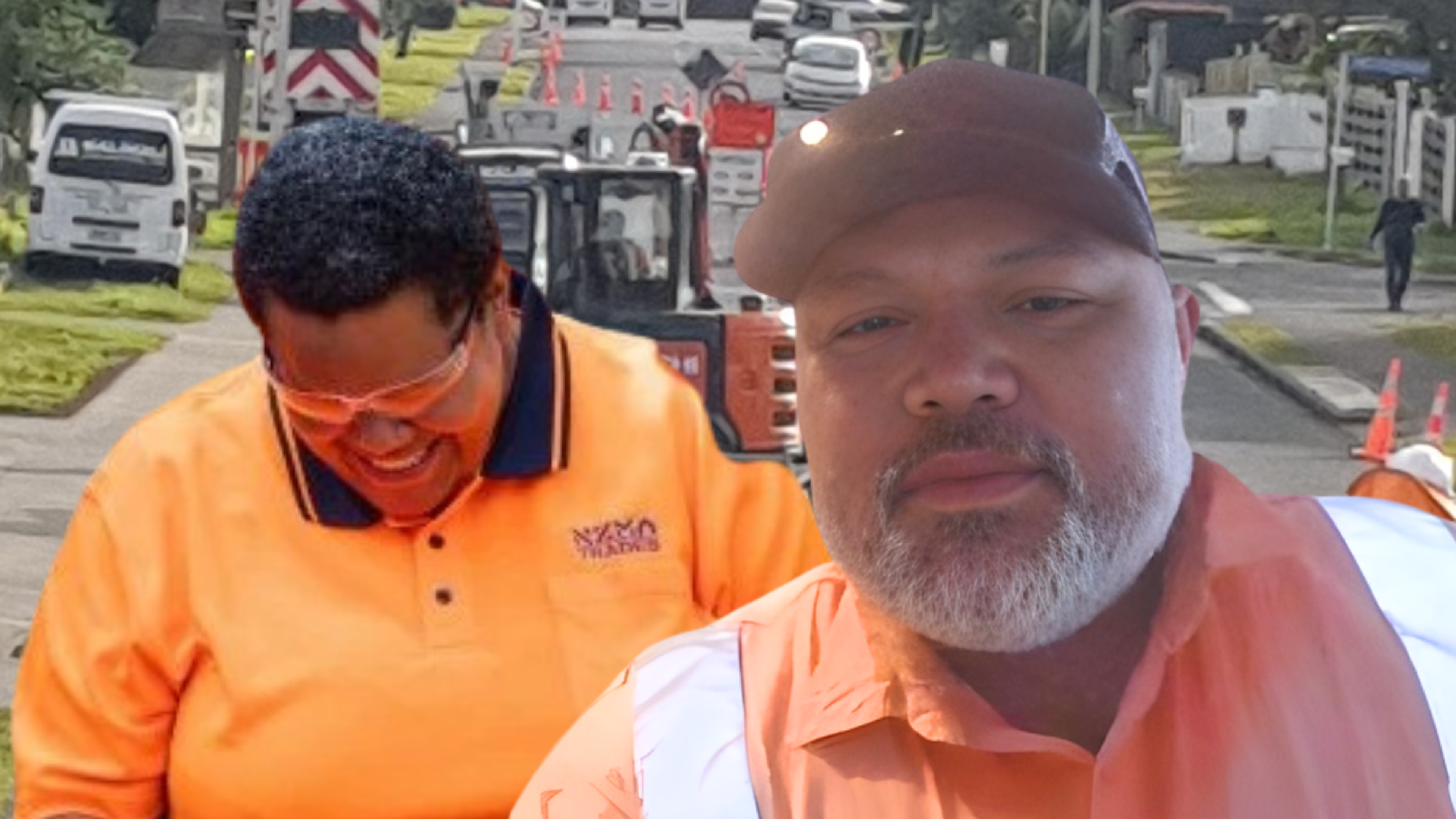
Elenoa Tabudravu and Simione Malimali share their experiences in a growing industry.
Photo/Malimali Contractors/Supplied
Forget talk about robots. In 2026, the real power is in the hands of those on the tools like truck drivers, machine operators, and construction workers.




As artificial intelligence changes office jobs, some of the fastest-growing work in New Zealand is still done on the ground - behind the wheel, on building sites, and in workshops.
New Seek data shows demand for truck drivers has jumped 126.1 per cent between September 2025 and February 2026, compared with the same time last year.
Other in-demand roles include roofers, crane operators, excavator operators and project managers, showing strong growth across construction and logistics.
The Building and Construction Industry Training Organisation (BCITO) says the pressure is being driven by housing needs, major infrastructure projects, and ongoing labour shortages.
Waihanga Ara Rau estimates the sector will need more than 150,000 extra workers by 2027.
For many Pacific communities, these jobs are not new, but demand is now growing faster than ever.
In Taupō, Elenoa Tabudravu, a maintenance plumber and drain layer, says the work is already visible.
Tabudravu, who is Fijian and Māori, is close to finishing her apprenticeship in a male-dominated trade.
“I’m flat out. I’ve just left an Air BnB, doing some maintenance on the toilet there. I love the diversity of the work here, old homes through to new homes,” she tells PMN News.
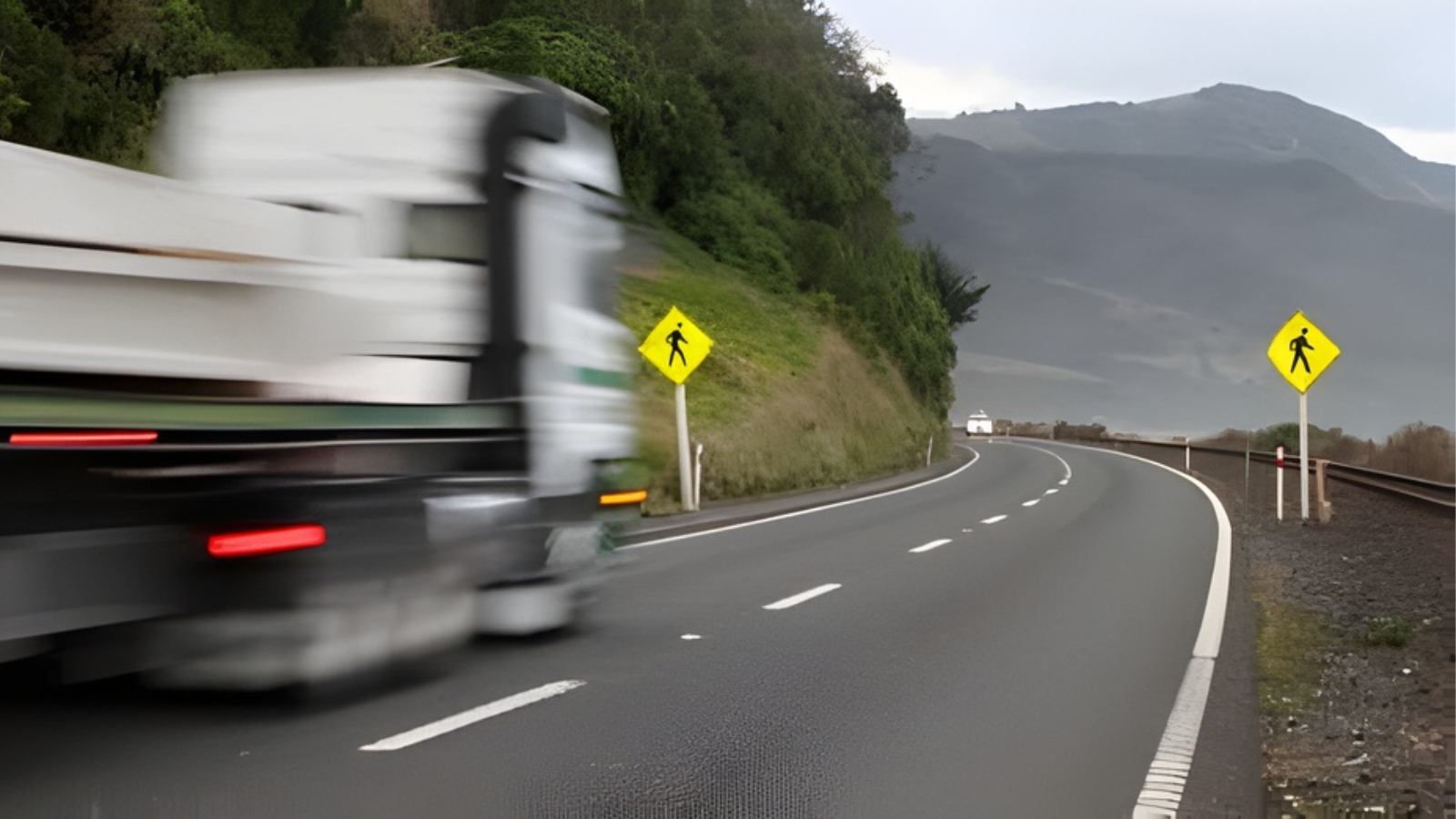
Job listings for truck drivers have more than doubled in the past year. Photo/Workers First Union
“I passed my drain laying registration in October and just finished my last two plumbing papers.
“I am the first woman of Fijian descent to hold this qualification in the country’s history. When I started, there was maybe only one other woman that I knew of who was Māori, so there’s still a little way to go.”
Simione Malimali, a West Auckland civil contractor, says demand is keeping his team busy across roading and excavation work.
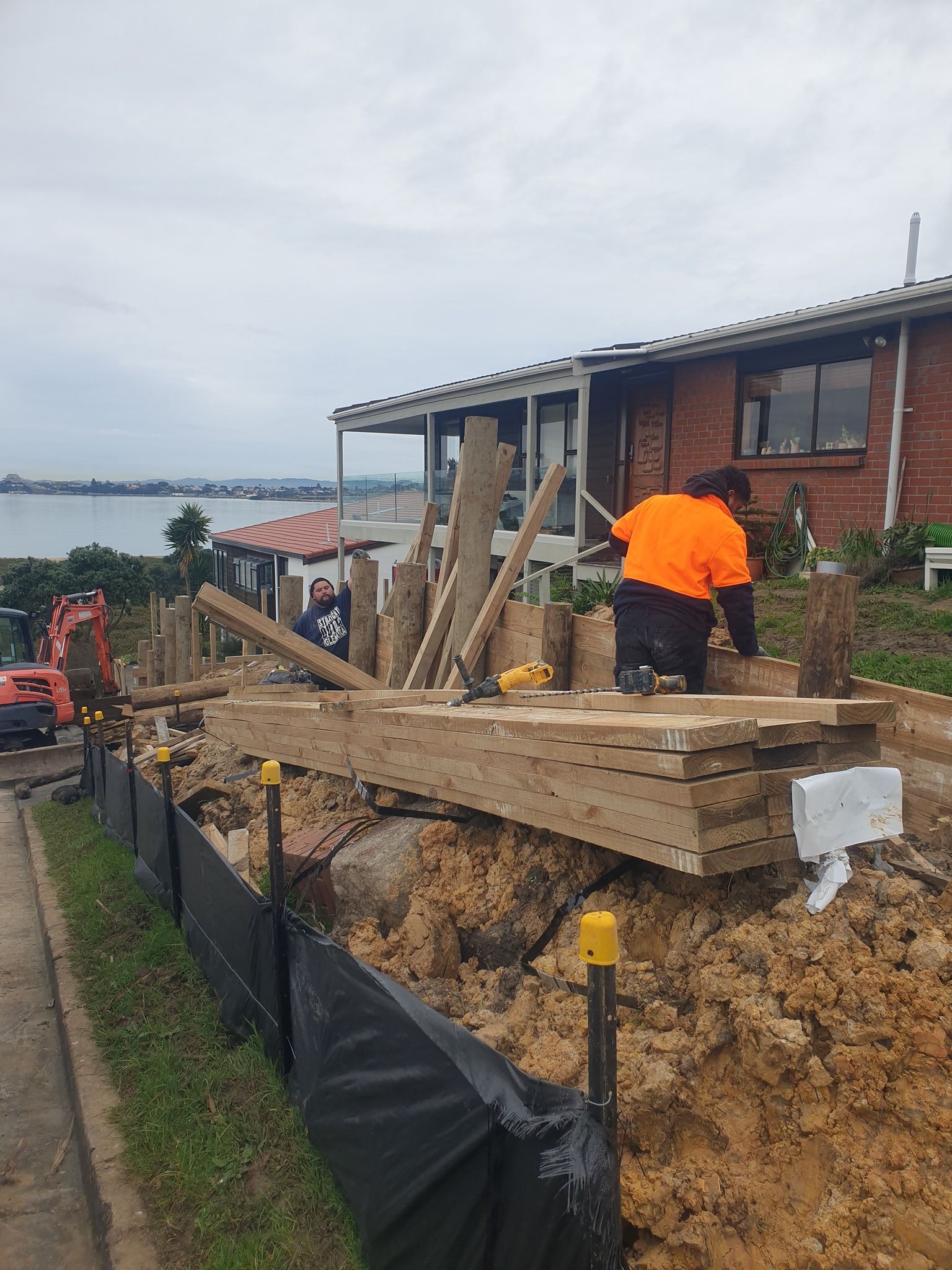
Construction jobs such as excavator operators are in high demand, with job listings on Seek increasing 69.8 per cent. Photo/Malimali Contractors Facebook
He says the job cannot be replaced easily or rushed.
“It’s kind of a skill you have to learn on the job. Everything is different every day. So you’re not going to be just digging one hole every day,” he tells PMN News.
Pacific workers are already a key career path of these industries but unemployment in the Pacific community remains at 11.9 per cent, more than double the national average.
Watch Simione Malimali's full interview below.
Workers First Union national organiser Lance Gush says rising demand is also lifting wages in logistics and transport roles.
“People starting in the industry could be on $34 or $35 an hour, potentially $10 above minimum wage. Forklift driving is now a sought-after skill set, around $28 an hour, or about $34 with reach-truck skills,” he tells PMN News.
He says not everyone will take a university path, but practical work remains essential even as automation grows.
He also says some Pacific and migrant workers still face challenges especially around language and paperwork, but support is improving.
“We’ve got some really good employers that will help translate documentation and training.”
Entry into these roles often requires Class 2–5 licences or trade certifications, which can cost thousands of dollars.

Machine operators and construction project managers are also seeing a surge in demand. Photo/File
Support is available through apprenticeships and Pacific-focused programmes such as BCITO and Tupu Aotearoa.
A Ministry for Pacific Peoples spokesperson says construction and trades remain key pathways for Pacific workers, while Pacific women are still under-represented in the sector.
BCITO currently supports 836 Pasifika apprentices across 16 trades, including 33 Pasifika women.
For Tabudravu, the demand is matched by ambition.
“I would love to eventually get my certifying licence in plumbing and drain laying and run my own business, that’s the goal.”
With demand rising across transport, construction, and infrastructure, these hands-on jobs continue to open real pathways for Pacific communities, not just for work but for long-term careers.