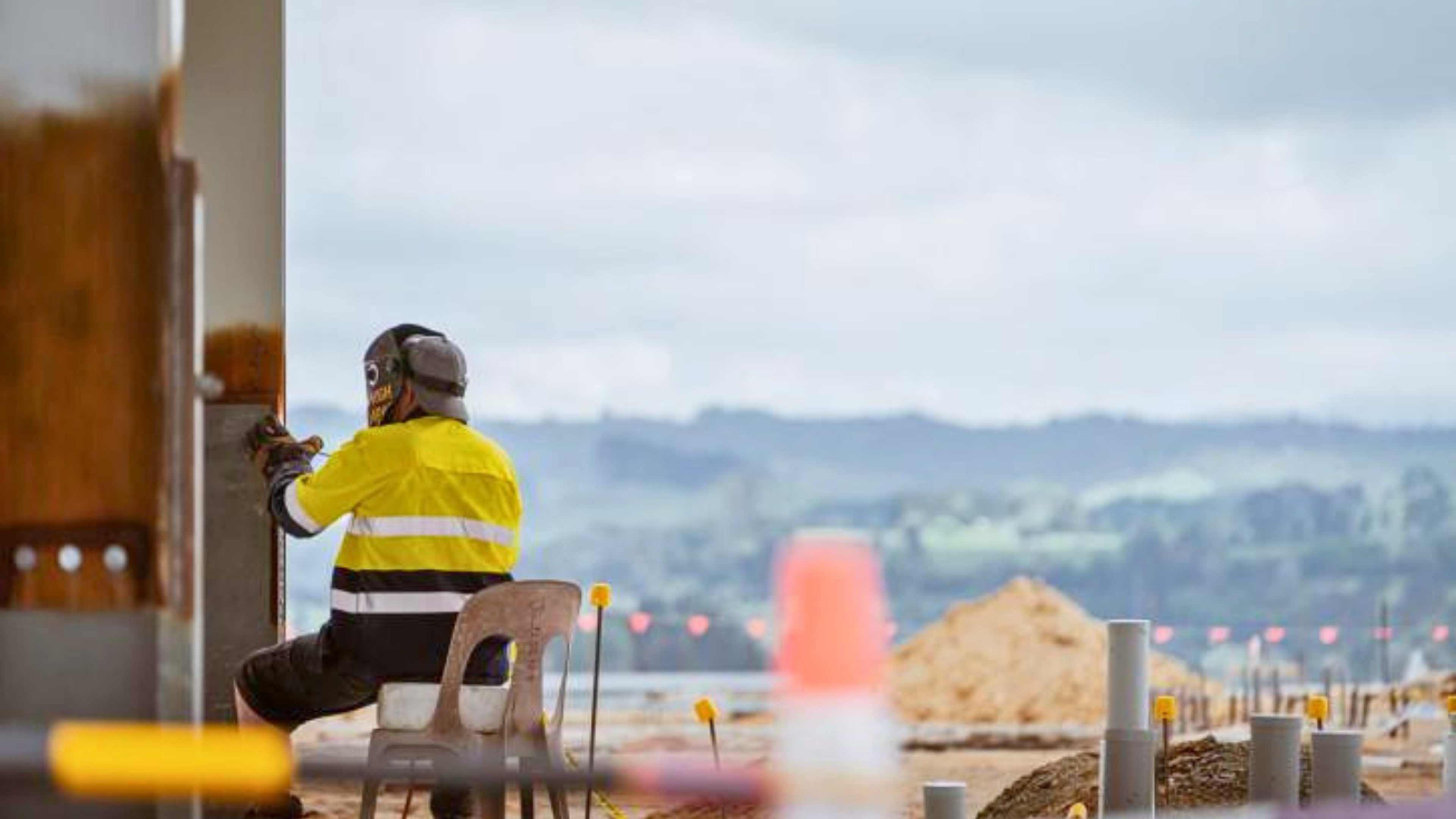
Analysts say the reason Pasifika are feeling the pinch more than others comes down to where they work.
Photo/MBIE
Politics
‘Delayed recovery’: Pasifika job crisis will last until 2027 - expert
While national figures show a drop in unemployment, Māori and Pacific families remain under pressure with their levels still double the country’s average.
Renate Rivers
Published
06 May 2026, 3:27pm
Share
Copy Link
Top stories
From Ōtara, NZ to Los Angeles: David Liti lifts up the next generation
Elton Lonaratha JnrMon, 19 Oct

Washington warnings mount as four Pacific nations risk loss of US aid
Christine RovoiTue, 20 Oct

'Watch out': Silver Ferns issue clear warning to Diamonds ahead of Christchurch clash
Brooke FonotiMon, 19 Oct
Top stories
From Ōtara, NZ to Los Angeles: David Liti lifts up the next generation
Elton Lonaratha JnrMon, 19 Oct
Washington warnings mount as four Pacific nations risk loss of US aid
Christine RovoiTue, 20 Oct
'Watch out': Silver Ferns issue clear warning to Diamonds ahead of Christchurch clash
Brooke FonotiMon, 19 Oct
ASB economist Wesley Tanuvasa warns that Pacific families shouldn't be fooled by a slight dip in national unemployment, as global instability and a construction slump threaten to keep our job seekers under pressure for another year.
Newly released Stats NZ figures for the March 2026 quarter show the number of unemployed Kiwis fell slightly to 163,000, down from 165,000 in December.
But Tanuvasa warns the improvement may be short-lived for Māori and Pasifika, who recently saw unemployment hit a staggering 12.3 per cent - the highest of any ethnic group in Aotearoa.
Speaking with William Terite on Pacific Mornings before the figures were released, Tanuvasa said the latest data are a ‘snapshot in time’ that doesn’t account for the recent escalation in global conflict.
“We have to think about the economy before the Middle East conflict and then the economy looking after it,” he said.
Because of disruptions to global supply chains and energy markets, Tanuvasa warned: “Our forecasts have delayed the recovery…We don’t think there will be a labour market recovery until about early 2027.”
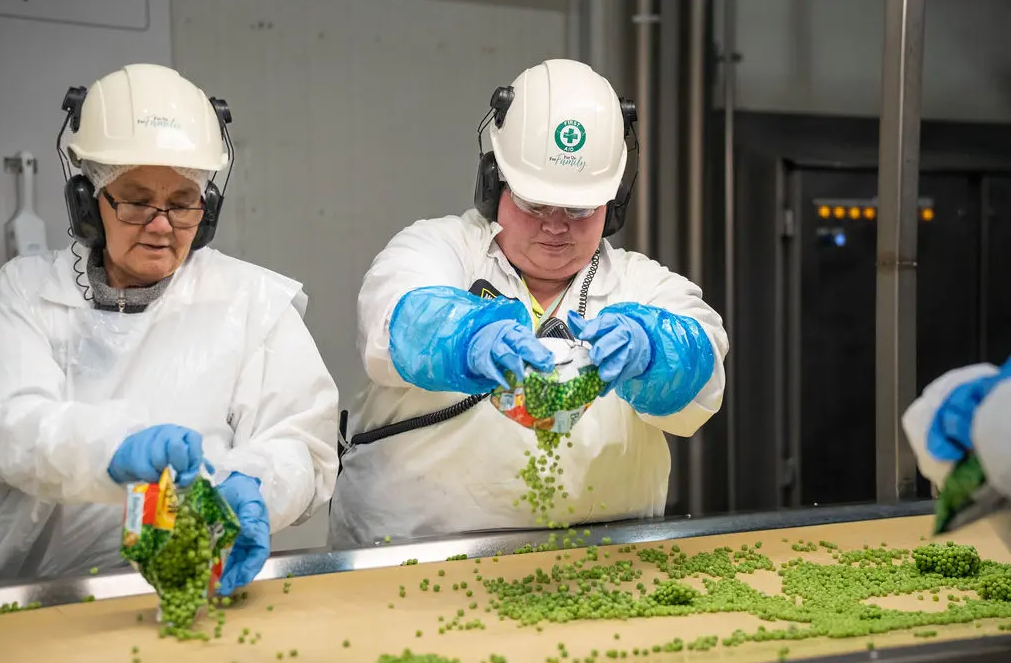
Tanuvasa said construction remained weak, along with manufacturing and other goods-producing industries, while the services sector was more resilient. Photo/McCain NZ.
ASB now expects the national unemployment rate to climb even higher at nearly 5.7 per cent later this year.
He said the reason Pasifika are feeling the pinch more than others comes down to where they work.
Tanuvasa said Pacific workers are concentrated in sectors like construction and goods production, which are currently struggling.
Watch Tanuvasa's Pacific Mornings interview below.
“Mostly, Māori Pasifika hiring is in the construction sector or in goods-production, rather than the services sector,” he said.
Labour finance spokesperson Barbara Edmonds said Māori and Pasifika communities were being hit disproportionately hard, with unemployment rates sitting at more than double the national average.
“In our cities, it’s even worse. Auckland’s unemployment rate at 6.6 per cent is the highest in 12 years. Wellington, at 6.3 per cent, is the worst in almost 11 years,” Edmonds said in a statement.
Green MP Teanau Tuiono says the struggle is "dire" and is forcing many of our people to consider leaving Aotearoa just to survive.
“They want to stay here, but they need good jobs,” Tuiono said. He criticised the government for prioritizing "rich mates" over ordinary workers, warning that "anti-worker legislation" is having a "massive impact for us as Pasifika”.
Earlier this year, Finance Minister Nicola Willis said economic indicators suggested government policies were helping business invest and hire more workers.
Listen to Teanau's comments on Pacific Mornings below.
Tanuvasa said construction remained weak, along with manufacturing and other goods-producing industries, while the services sector was more resilient.
Tanuvasa also pointed to positive signs among young people, especially those aged 15 to 24, returning to education and training.
“So they’re going back to upskill, to educate themselves. More upskilling means a better chance of getting a job.”
Although the latest figures point to tentative improvement, economists warn New Zealand’s labour market remains fragile, with Māori and Pacific communities likely to continue feeling the pressure most acutely.