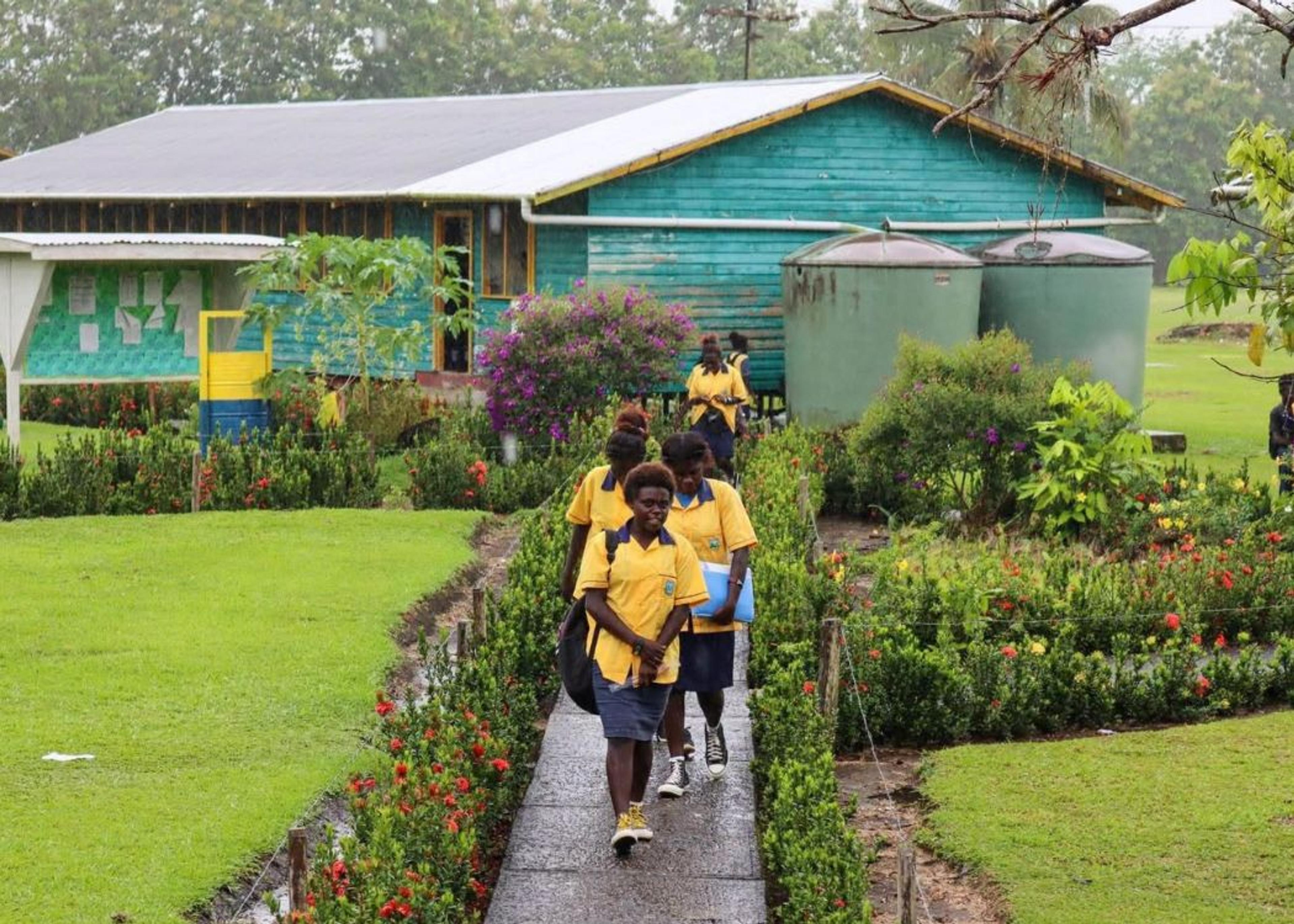

Children could be among those to benefit if pay equity claims were restored, with new analysis estimating 11,000 could be lifted out of material hardship.
Photo/RNZ/file
Business
Pay equity could lift 11,000 children out of hardship, PSA says
New analysis says restoring pay equity could put an average $300 a week into 91,000 families, including 136,000 children.

Christine Rovoi
Published
09 September 2026, 12:23pm
Share
Copy Link
Top stories
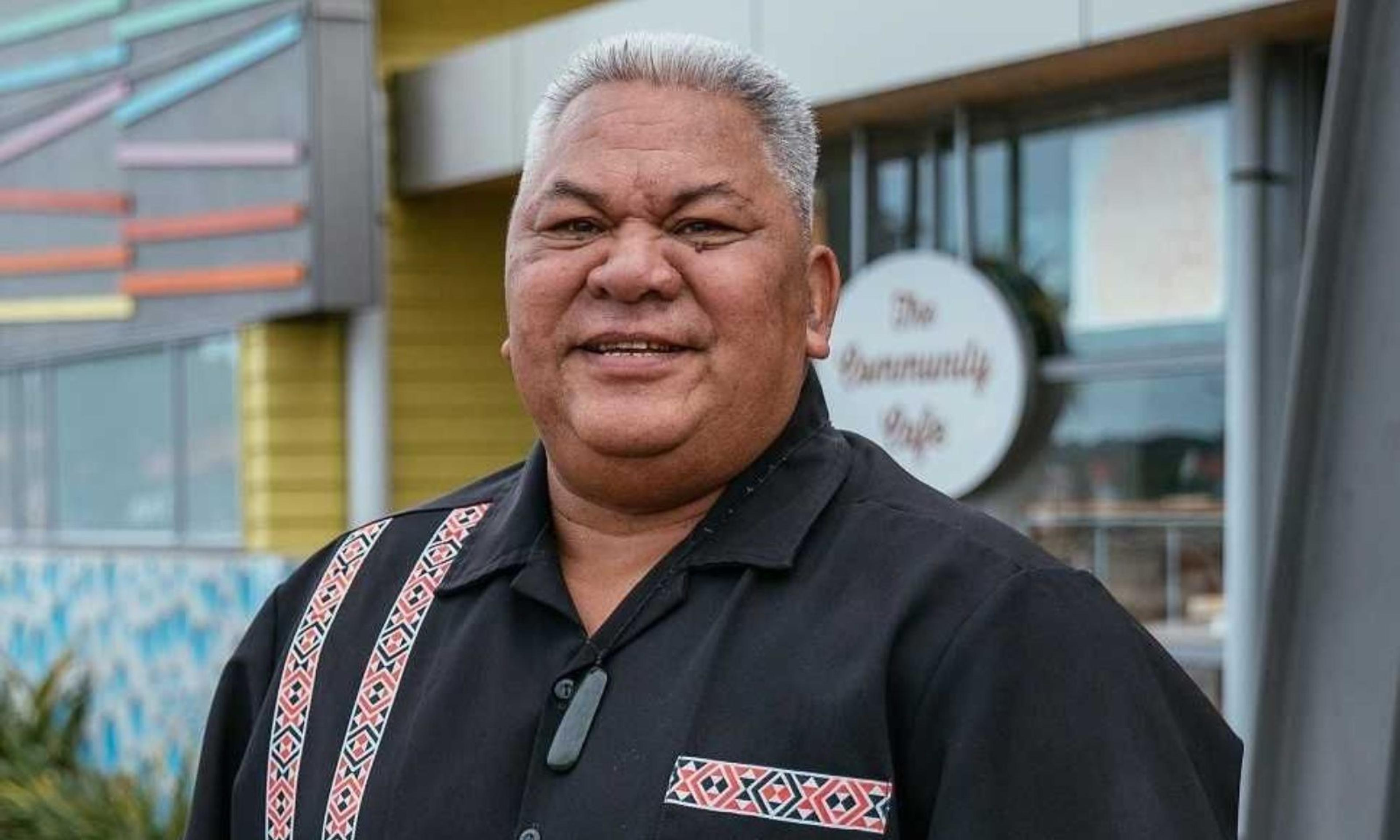
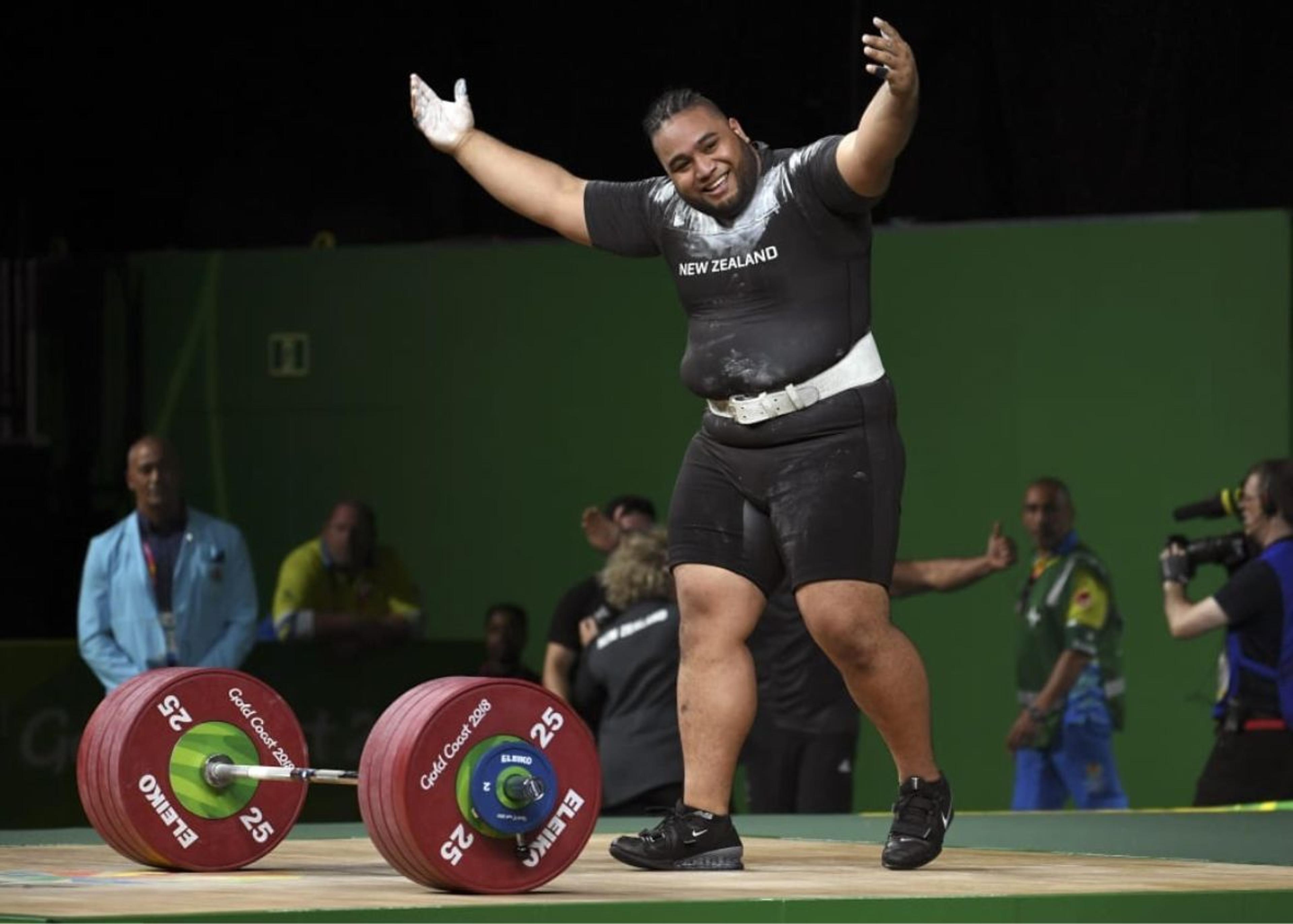
From Ōtara, NZ to Los Angeles: David Liti lifts up the next generation
Elton Lonaratha JnrMon, 19 Oct
Top stories
From Ōtara, NZ to Los Angeles: David Liti lifts up the next generation
Elton Lonaratha JnrMon, 19 Oct
As the cost of living continues to put pressure on families, new analysis says restoring pay equity could put an average $300 a week into the pockets of 91,000 families and lift an estimated 11,000 children out of material hardship.
The analysis by the Public Service Association (PSA), based on Census 2023 data and Treasury figures, estimates 136,000 children would be in families better off if pay equity claims were restored.
That would mean about $195 more a week for each child, with a combined $1.39 billion a year going to families with children, the PSA says.
The union says the figures show the wider impact of the Government's decision to scrap pay equity claims, which it says has taken a major potential pay increase away from some of New Zealand's lowest-paid workers.
"Pay equity for New Zealand women is the right thing to do morally but it also makes fiscal and economic sense," Fleur Fitzsimons, PSA National Secretary, said.
"Every party in Parliament should be committed to ensuring that children do not live in poverty in New Zealand in 2026 and pay equity is an important step to making this a reality."

Pacific workers are among those who could benefit from restoring pay equity, with the latest analysis highlighting the wider impact on families and children. Photo/RNZ Pacific/Lydia Lewis
She said the new figures showed families and children were among those affected by the Government's decision.
"This is who the Government has really hurt - 136,000 children whose families are doing it even tougher in a cost of living crisis because this Government tore up their pay equity claims."
The PSA says the average weekly gain from restoring pay equity would also be more than six times the average FamilyBoost payment.

New analysis says restoring pay equity could put an average $300 a week into the pockets of 91,000 families, including 136,000 children. Photo/HRC
The Government has defended the changes, saying the previous pay equity system needed to be tightened.
Workplace Relations and Safety Minister Brooke van Velden said the Government was still committed to pay equity, but wanted future settlements to focus on differences in pay caused by sex-based discrimination.
“To be clear, I am absolutely committed to pay equity. But we have to be sure that future settlements stick to fixing pay discrepancies between occupations that are based only on sex-based discrimination, and not for other reasons,” van Velden said.
The Government says the changes will make the process of raising and resolving pay equity claims “more robust, workable and sustainable”.
Former Human Rights Commissioner Saunoamaali’i Dr Karanina Sumeo has previously warned the changes could have a serious impact on Pacific women, who continue to face one of New Zealand’s largest pay gaps.
Sumeo, who led the Human Rights Commission’s Pacific Pay Gap Inquiry, said Pacific women earned about 75 cents for every dollar earned by a Pākehā man.
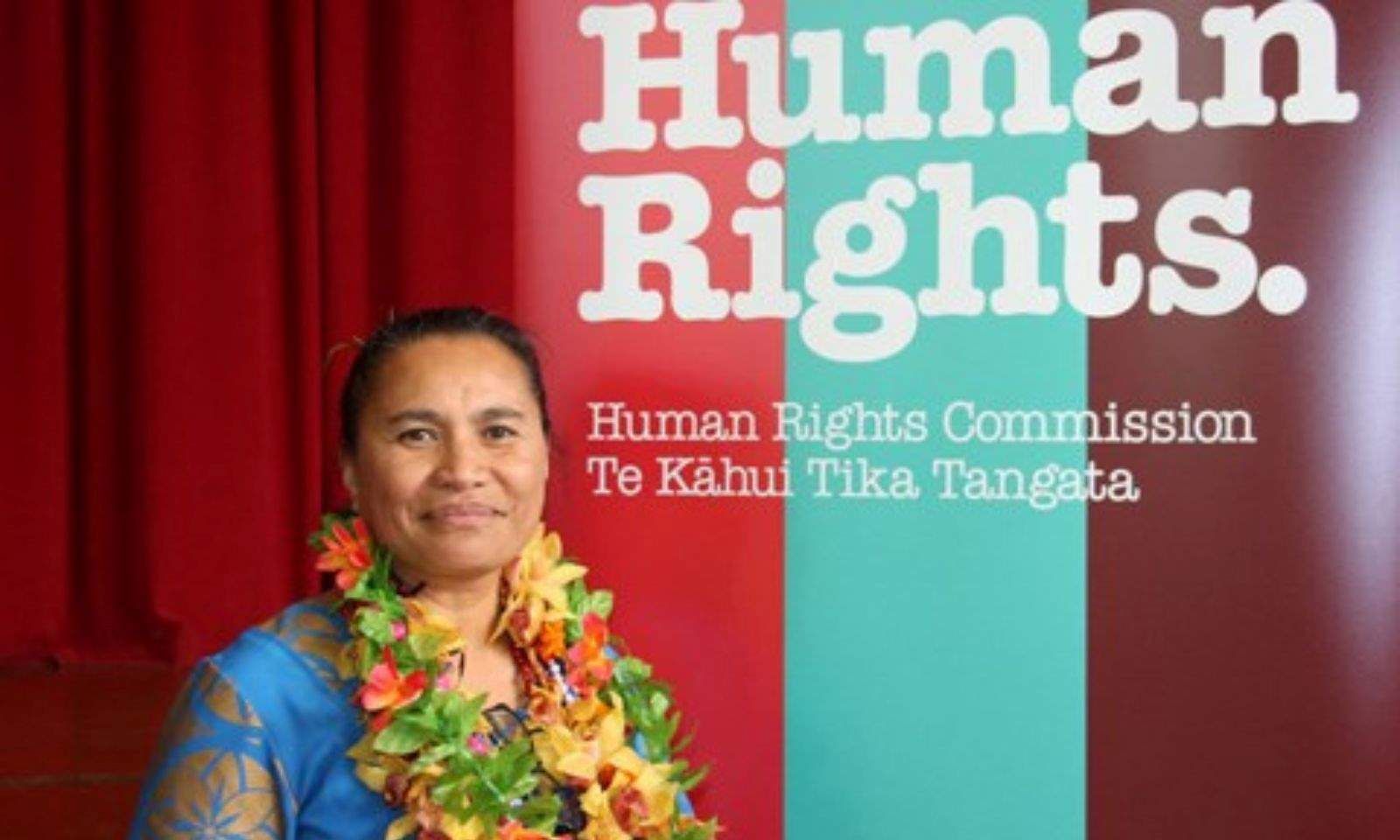
Saunoamaali’i Dr Karanina Sumeo, former Human Rights Commissioner, has warned the Government’s pay equity changes could deepen the economic pressures facing Pacific women and their families. Photo/Human Rights Commission
In an opinion piece published last year, she argued pay equity was not just about wages but about the dignity and economic security of women and their families.
FamilyBoost pays about $47 a week on average to 60,000 families, while fewer than 2000 families receive the maximum $120 a week, according to the PSA.
"It's staggering that this Government spent months trumpeting FamilyBoost as its answer to the cost of living, when pay equity would put more than six times as much into the pockets of families with kids.
"FamilyBoost pays around $47 a week on average to just 60,000 families, and fewer than 2,000 receive the maximum $120 a week."
The union says restoring pay equity would not only increase household incomes but also boost the wider economy.
Earlier PSA analysis, based on Treasury modelling, estimated reinstating pay equity could grow the economy by $13.5 billion and create 13,000 jobs over four years.
Listen to an earlier interview by Fleur Fitzsimons below.
The PSA is now calling on the Government and political parties heading into the election to commit to restoring pay equity.
"We will leave no stone unturned until New Zealand women and their families have pay equity."
The latest analysis comes as the union continues its campaign against the Government's decision to scrap existing pay equity claims.