
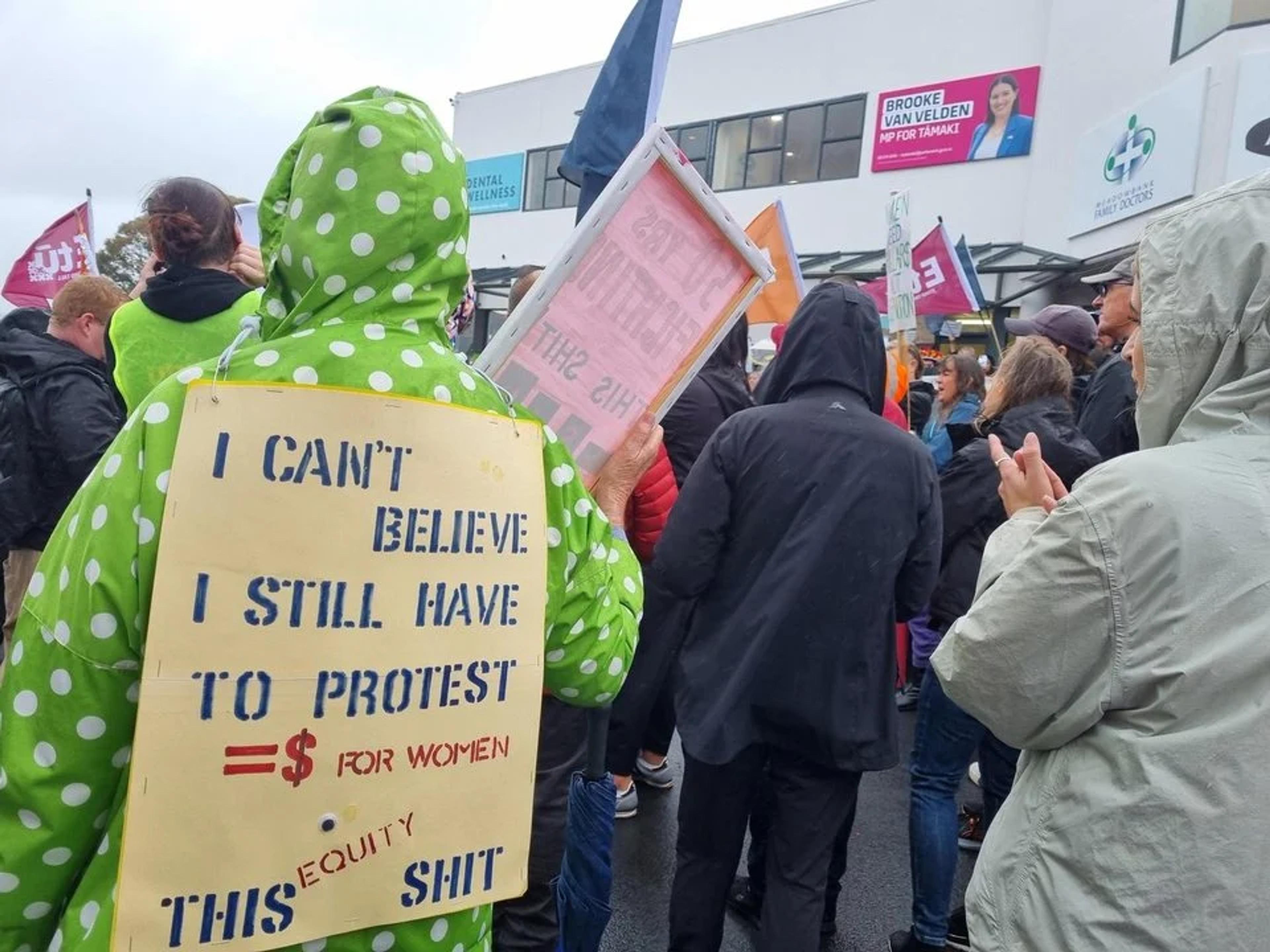
Pacific women say the new Equal Pay Amendment Act 2025 threatens to undo years of progress toward fair and equitable wages.
Photo/RNZ/Rowan Quinn
Business
New pay-equity law will worsen inequality, say Pacific communities
They warn the rushed law will widen racial and gender pay gaps, cancel existing claims, and push many families further into hardship.

PMN News
Published
04 December 2025, 5:08pm
Share
Copy Link
Top stories

From Ōtara, NZ to Los Angeles: David Liti lifts up the next generation
Elton Lonaratha JnrMon, 19 Oct
Top stories
From Ōtara, NZ to Los Angeles: David Liti lifts up the next generation
Elton Lonaratha JnrMon, 19 Oct
Pacific women and community groups say the Government’s new Equal Pay Amendment Act 2025 could push many families deeper into poverty and undo years of progress towards fair pay.
The warning comes after the unofficial People’s Select Committee on Pay Equity reviewed new submissions from Pacific communities.
The submissions show strong anger, frustration, and a sense of being shut out. The law was passed under urgency without a standard select committee process.
For many, that still stings. Saunoamaali'i Karanina Sumeo, former Equal Employment Opportunities Commissioner and Pacific adviser to the committee, says the changes will hit Pacific workers the hardest.
“Pacific workers, who are the backbone of New Zealand's female-dominated essential services workforce, believe the government has signalled that their equity is optional,” Sumeo says in a statement.
She says Pacific women already earn far less than Pākehā men, about 75 cents to every dollar. Sumeo fears the new law will widen that gap.
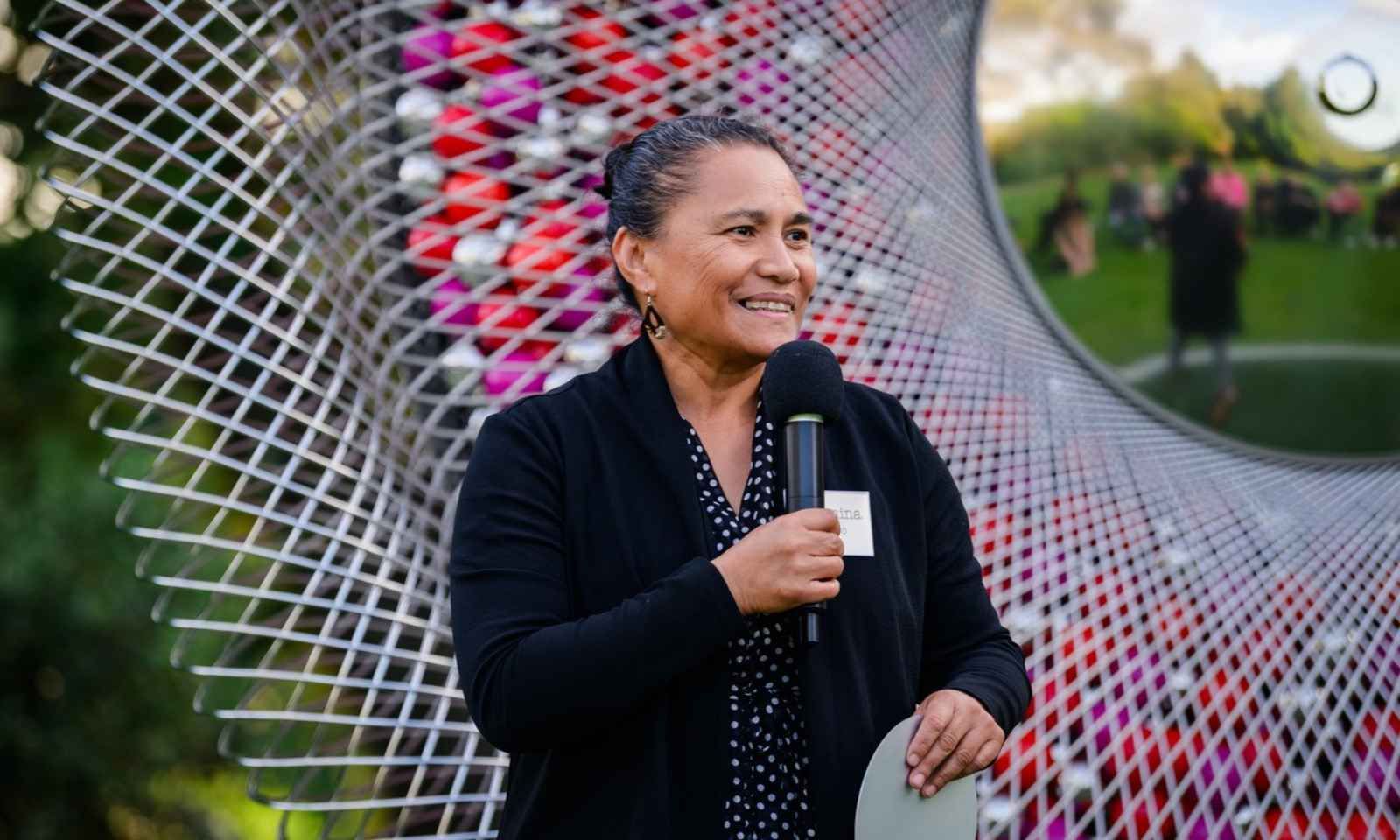
Saunoamaali'i Karanina Sumeo says Pacific essential workers are already among the lowest paid, and the new rules make fair pay even harder to access.
She also warns the Act could breach New Zealand’s commitments under international human-rights agreements such as the International Convention on the Elimination of All Forms of Racial Discrimination (CERD) and the Convention on the Elimination of All Forms of Discrimination Against Women (CEDAW), because it removes ethnicity from pay-equity considerations and creates new barriers for workers to make claims.
The Equal Pay Amendment Act 2025 cancels dozens of existing pay-equity claims and makes it harder to start new ones.
Workers now must prove their occupation has been at least 70 per cent female for at least three years before they can bring a claim. Critics say this shuts out many Pacific and Māori workers in high-turnover key roles.
It also removes review options from earlier settlements, meaning some workers will miss out on adjustments for inflation or changing job demands.
Inequality expected to grow
Unions and community groups say the new law will worsen racial and gender pay gaps.
The New Zealand Council of Trade Unions called the legislation a “damning indictment” of the Government’s commitment to fairness during a cost-of-living crisis.
Sumeo says the message to Pacific women is clear: “This legislation not only ignores the lived experiences of Pacific communities but also creates barriers that make access to pay equity more difficult.”
The Government says the reforms make the pay-equity system “more robust” and stop overly broad or costly claims. But critics say the rushed process avoided proper scrutiny and shut the public out of a critical national conversation.
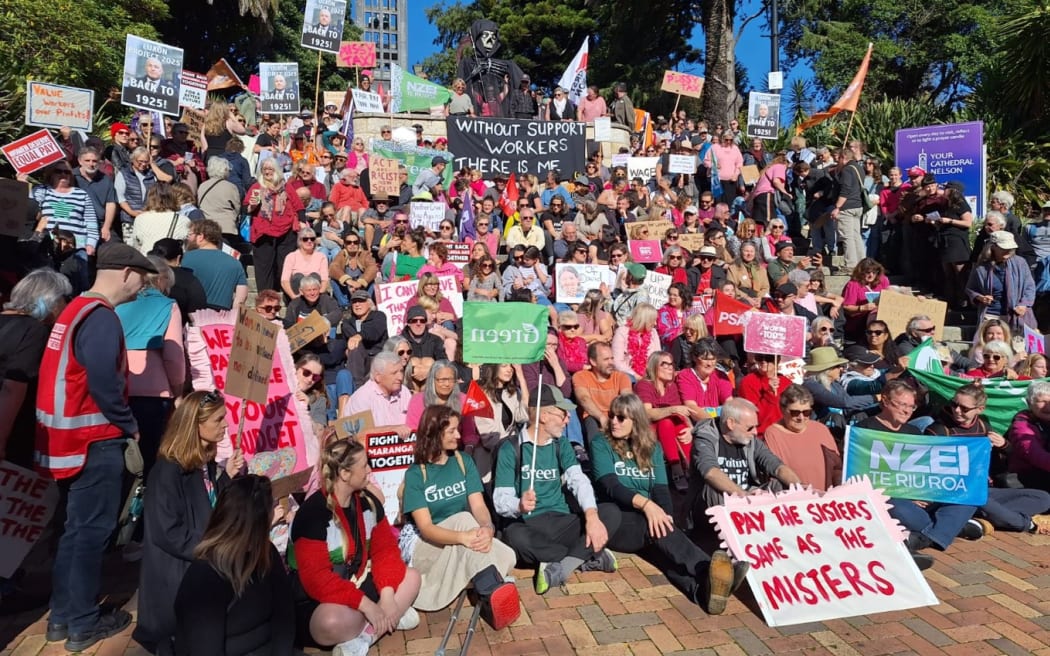
Community groups report deep frustration and fear that the new law will push already struggling families further into poverty. Photo/RNZ
What happens next
Pacific submitters are urging the Government to restore fair thresholds for claims, reinstate ethnicity in pay reporting, and secure stronger Pacific representation in pay-equity decisions.
“The Act was supposed to address pay inequity, but it has exposed deep flaws in the government’s approach,” Sumeo says. “We need a system that truly ensures fairness for all, not one that locks in inequality for another generation.”
The People’s Select Committee on Pay Equity will release its full report in early 2026.