
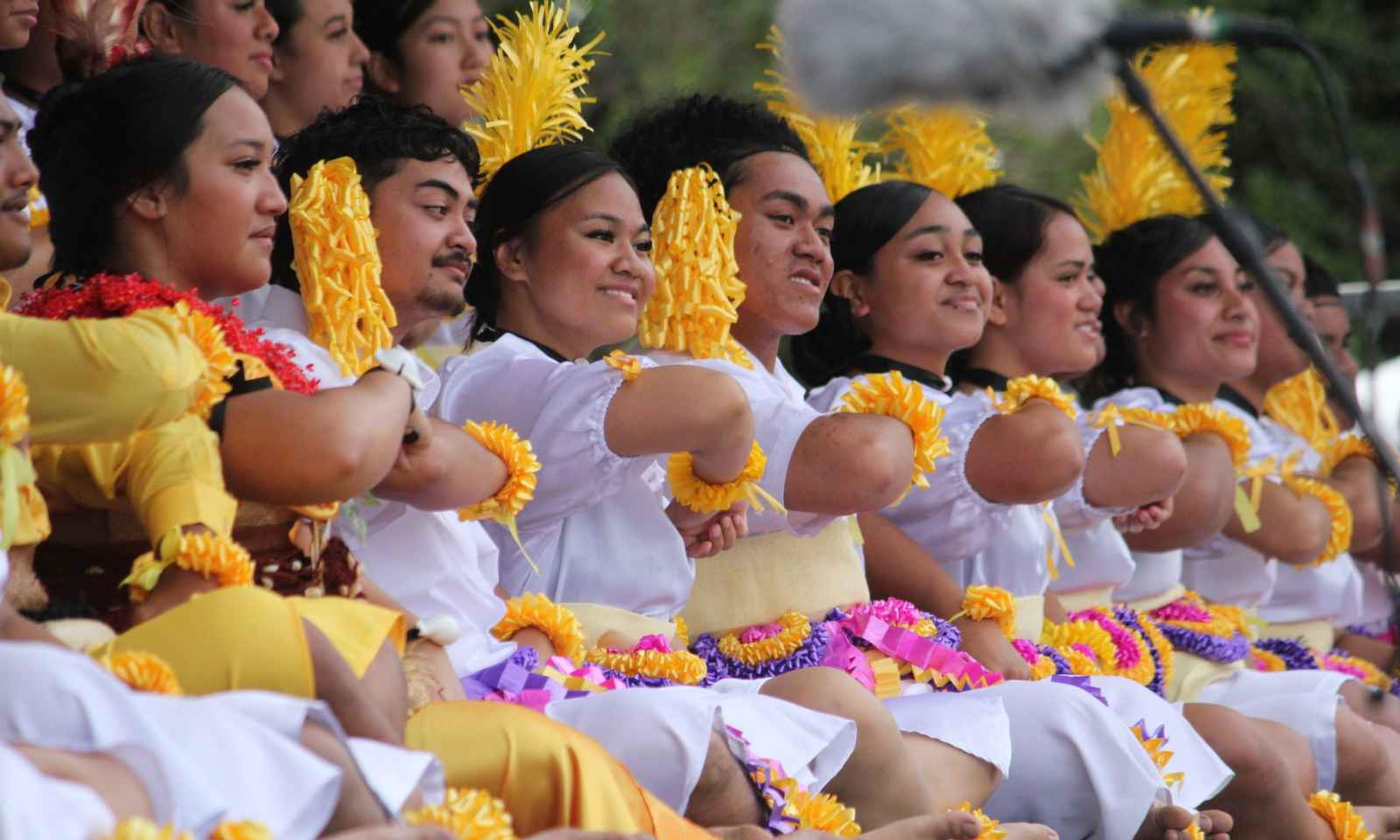
The Government has launched 32 paid youth internships to build leadership and work pathways within Pacific festivals.
Photo/Polyfest 2024/LDR
Arts
Training the next generation of Pacific festival leaders as funding tightens
A new 16-week paid programme is building skills and experience while Creative New Zealand says its investment is not being taken from established festival funding.

Khalia Strong
Published
17 September 2026, 3:34pm
Share
Copy Link
A new paid programme designed to train the next generation of Pasifika festival leaders comes as some Pacific events face uncertainty over their own funding.
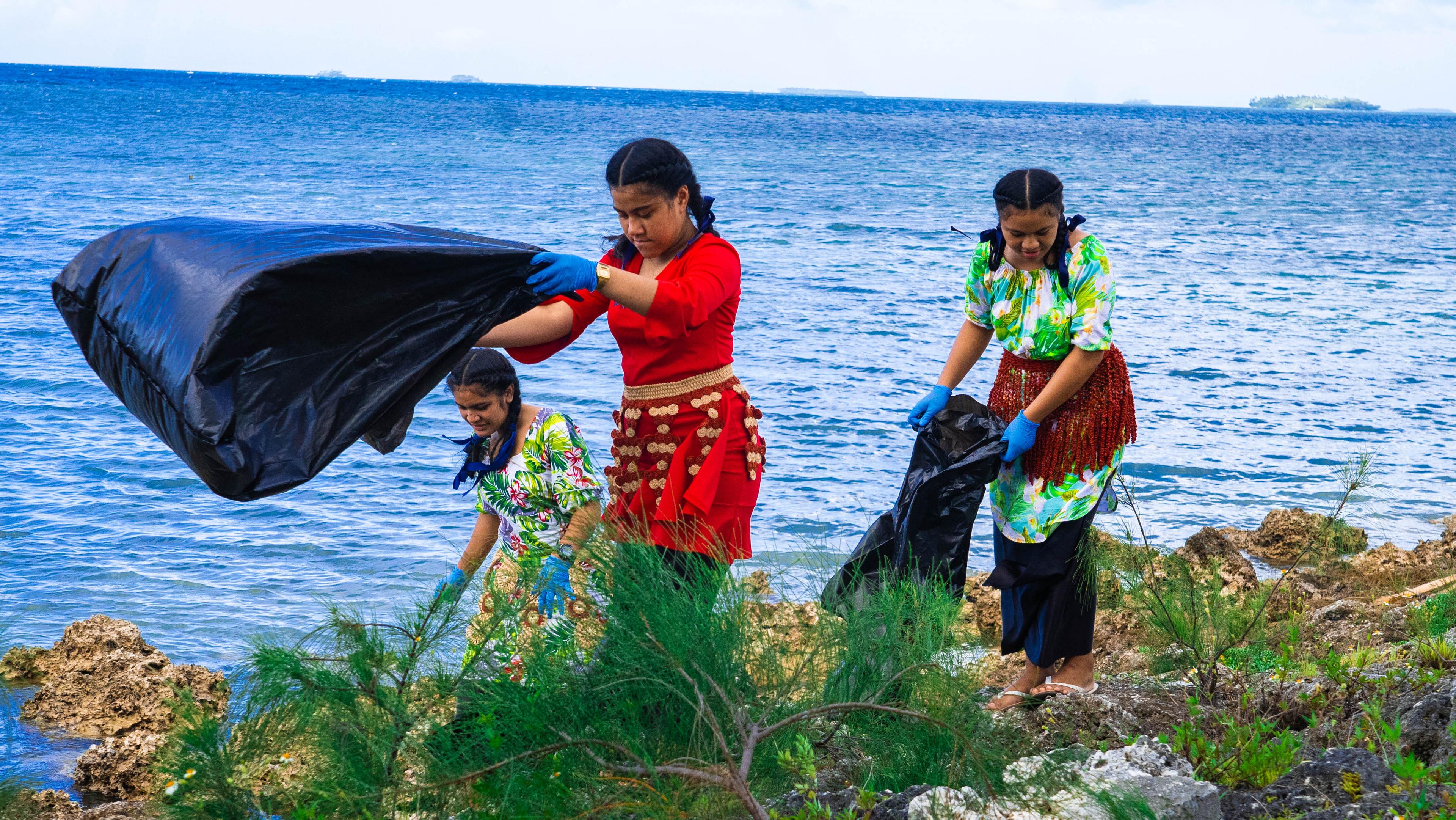
The Pasifika Youth Producers Programme, announced earlier this month, will give 32 young people paid placements, mentoring, leadership workshops and employability training over 16 weeks.
The Government is investing $125,000, with Creative New Zealand matching the funding.
Melanie Cottingham, general manager of Pasifika Festivals Aotearoa, says the programme is about making sure there are people ready to take over from today’s festival leaders.
“It's like a succession plan for the event directors that are in those positions now,” she told PMN News.
More than 40 Pasifika festival directors around the country have been involved in discussions about the programme, Cottingham says, with strong interest in giving young people production and leadership experience.
Listen to Melanie Cottingham's full interview below.
The programme has two pathways. Older participants will take part in paid festival placements, while the younger group will focus on leadership skills and positive engagement in education.
Cottingham says participants will be able to build experience in their own regions while also being exposed to opportunities across the country.
But the programme is only a pilot for now. “It's a programme that we can start to jiggle around with and see what works and see what doesn't.”
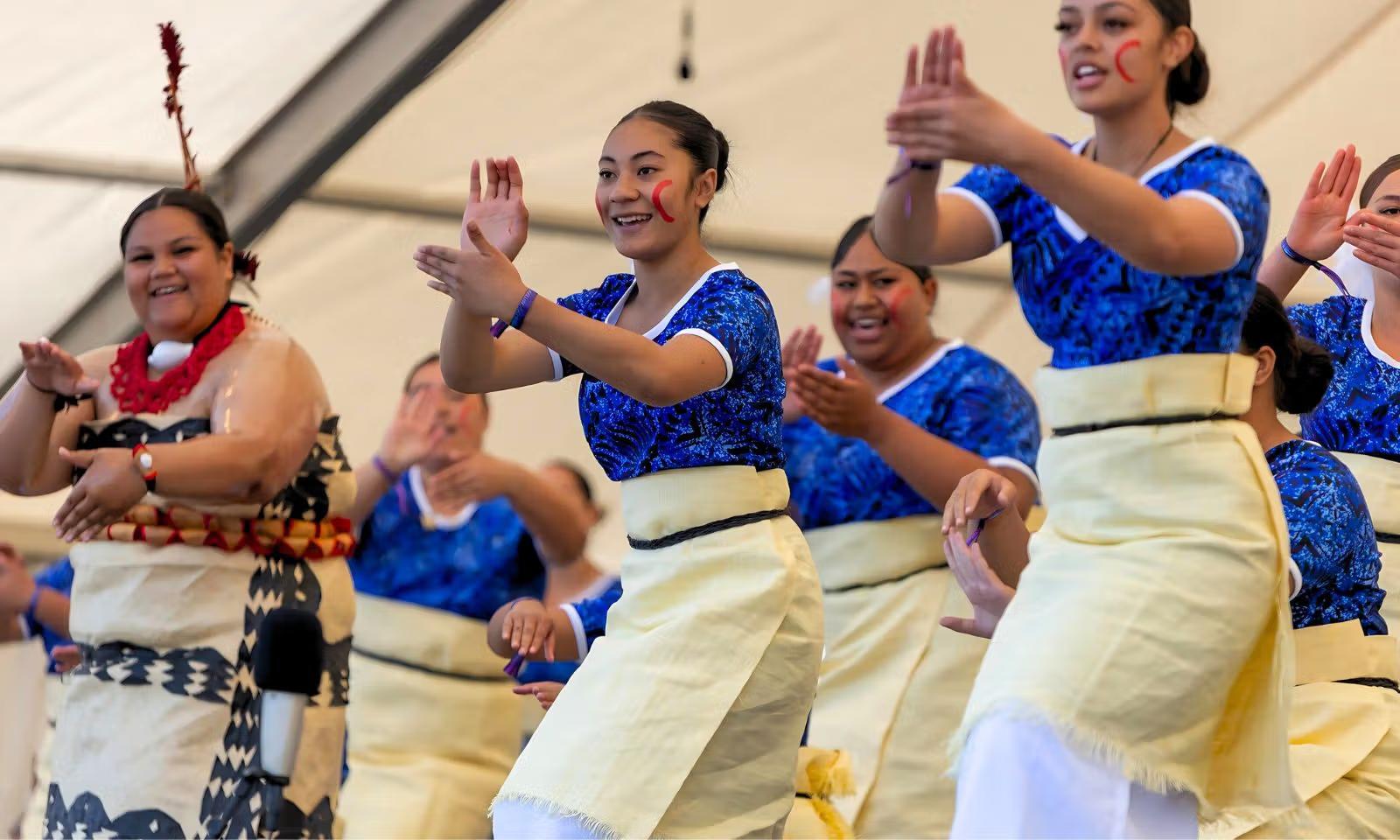
A group performs a Tongan dance at Canterbury Polyfest in 2025. Photo/File
Cottingham also wants the programme to help address low pay in an industry that depends heavily on volunteers.
“Our aspirations are always to pay people in these positions fairly and also to look at the industry rates and make sure that our people are getting paid back,” she says.
“Pacific youth or Pacific people have paid the least amount of wages in New Zealand, and we would like to see that increase.”
Youth Minister James Meager says the programme will turn festivals into “launchpads for future careers”.
“Participants will gain hands-on experience in areas such as event production, digital media, communications, logistics and entrepreneurship through placements at festivals and events across New Zealand,” he says in a statement.
“Partnerships like this help open doors, create opportunities, and support the next generation of Pasifika leaders to thrive.”
But the new pathway comes at a time when some established Pacific festivals are struggling to secure longer-term funding.
Last month, Otago Polyfest wasunsuccessful in its application for multi-year Creative New Zealand funding, despite the 33-year-old festival going ahead in Dunedin with thousands of young performers.
Co-chair Ange Kiore previously told Local Democracy Reporting (LDR) the decision had created uncertainty for the festival and increased pressure on its team and communities.
That raises a bigger question for the new programme: what happens when young people are being trained for an industry where some of the events they could work in are struggling to secure funding.
Cottingham says she understands why people may ask whether funding for 32 young people could instead have gone towards supporting an entire festival.
“You would have to ask the funders about that decision,” she says.
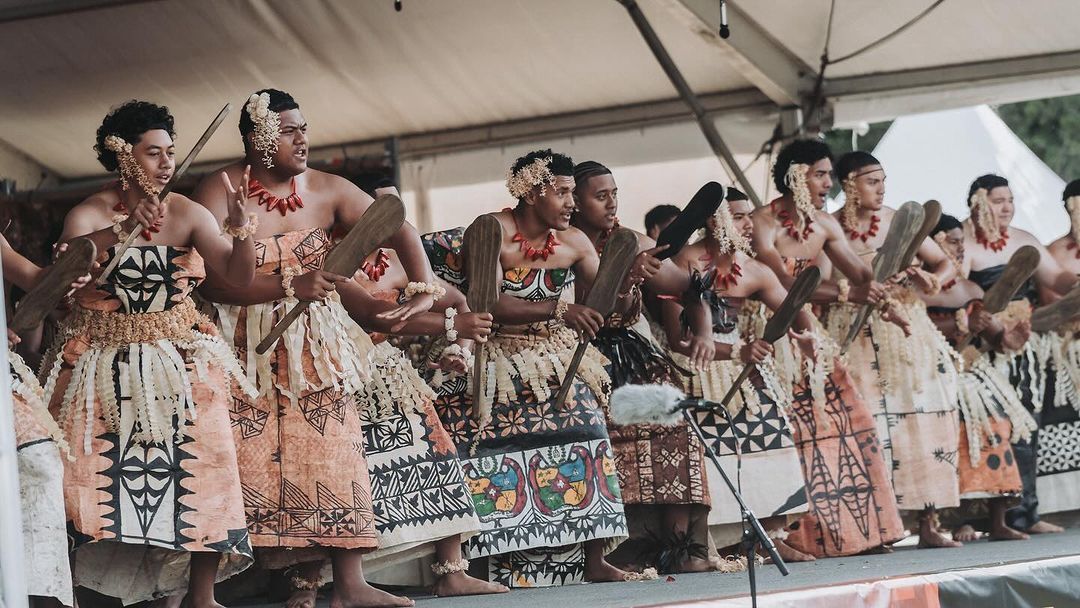
A Fijian group performs at Polyfest 2024 in Auckland. Photo/PMN News/Eroti Navuku
She says the pilot will give organisers a chance to see what works before deciding how it could develop.
Creative New Zealand’s latest funding announcement says 183 organisations have been offered $116 million over three years. Twenty-seven organisations were funded through its Pacific Arts funding pool, while 32 received funding through the Ngā Toi Māori pool.
Creative NZ says many organisations funded through its General Arts pool also contribute to Pacific arts.
It says the youth programme and its main contestable funding round serve different purposes, and the $250,000 joint investment was not taken from funding for established Pacific festivals.
A Creative NZ spokesperson says the programme is a strategic partnership with the Ministry of Youth aimed at building a stronger pipeline of Pacific creative leaders.
“The decision to match funding for the Youth Producers Programme reflects our commitment to the partnership and to strengthening the pipeline of Pacific creative leadership,” the spokesperson says.
Watch Otago Polyfest General Manager Pip Laufiso's full interview below.
“It should not be interpreted as funding being redirected from, or prioritised over, established Pacific festivals that have applied through the AOG funding opportunity.”
But Creative NZalso acknowledges that funding across the arts sector is tight.
“Creative New Zealand is operating within tight financial constraints, and as a result we have had to make difficult decisions about what we can support and where our investment can have the greatest impact across the sector,” the spokesperson says.
Of the 42 Pacific arts applications received across the four funding tiers, 27 were approved, receiving a combined $4.48 million for 2026/27.
The agency says it will continue working with groups that missed out, while changes planned from 2027 will see regional providers play a bigger role in distributing support.
It says the youth programme is intended to work alongside existing festivals, rather than replace support for them.
“We see this as complementary to, rather than separate from, the sustainability of existing Pacific festivals and cultural events,” the spokesperson says.
“Strong and sustainable festivals need a pipeline of people with the skills and experience to lead, produce and grow them into the future.”
For Pasifika festival leaders, the hope is that the new programme will give young people the skills and experience to step into the industry.
But the longer-term question will be whether there are enough stable opportunities for them when they get there.