‘Soul resuscitation’: Pioneering Vagahau Niue and cultural connection down South
Atutahi Potaka-DewesFri, 23 Oct

Pacific screen voices Stallone Vaiaoga-Ioasa and Kerry Warkia are raising concerns about the long-term impact of the NZ Film Commission ending core funding for screen sector organisations.
Photo/Big Screen Symposium/Instagram
The Pacific Islands Screen Artists says the impact may not be immediate but losing core support could make it harder to build and sustain the Pacific talent needed to get more stories made.




The loss of core funding for screen industry organisations could eventually mean fewer Pacific practitioners and fewer stories making it to audiences, the Pacific Islands Screen Artists (PISA) says.
The New Zealand Film Commission (NZFC) announced last week that its Core Funding Programme will end when existing contracts expire on 30 June 2027.
The programme has provided just over $1 million a year to 10 screen organisations and guilds for more than two decades.
Stallone Vaiaoga-Ioasa, PISA general manager and Sāmoan-Kiwi filmmaker, says the immediate impact will be on the organisation's ability to support Pacific screen practitioners.
“What it means for us is that we really have to re-evaluate our capacity in terms of all the support we provide to our Pacific screen practitioners,” he told William Terite on Pacific Mornings.
That includes workshops, advocacy, working with other guilds, and engaging with government agencies and the wider industry.
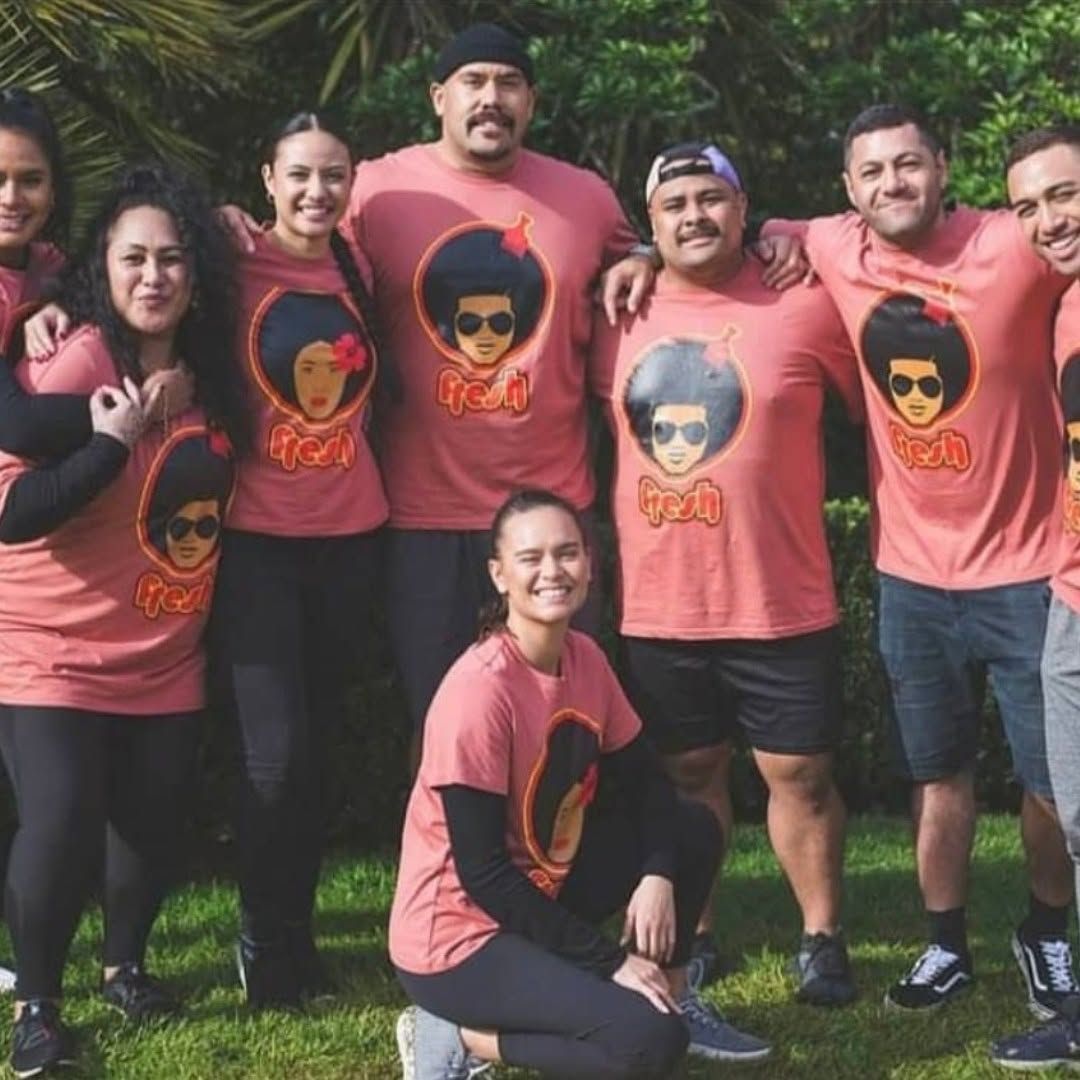
Pacific filmmakers and screen practitioners are working to strengthen opportunities for Pacific stories and talent in Aotearoa’s screen industry. Photo/Facebook/PISA
Vaiaoga-Ioasa says the funding also supports a wider network of organisations that rely on each other.
“You know, each guild doesn't work by itself,” he said. “And that's the key thing, like, you know, any particular guild that steps away means, you know, someone else has to step in to try and cover a particular area of work or representation.”
The biggest concern for Pacific audiences may not be felt straight away. “Short term, we probably won't see an immediate change,” Vaiaoga-Ioasa said.
Listen to Stallone Vaiaoga-Ioasa's full interview below.
He says the longer-term question is whether there will continue to be enough Pacific practitioners coming through the industry to tell Pacific stories.
“Those Pacific stories require Pacific practitioners who are industry ready and ready to go, who are supported throughout the process.”
His concern is that fewer practitioners could eventually mean fewer stories reaching the funding stage and getting made.
“So that's, I guess, our long-term concern is less practitioners means less stories.”
Kerry Warkia, a Papua New Guinea-Scottish film producer, says the loss of core funding could also create new barriers for emerging filmmakers.
She says core funding gives guilds stability in an industry where projects and income can already be uncertain.
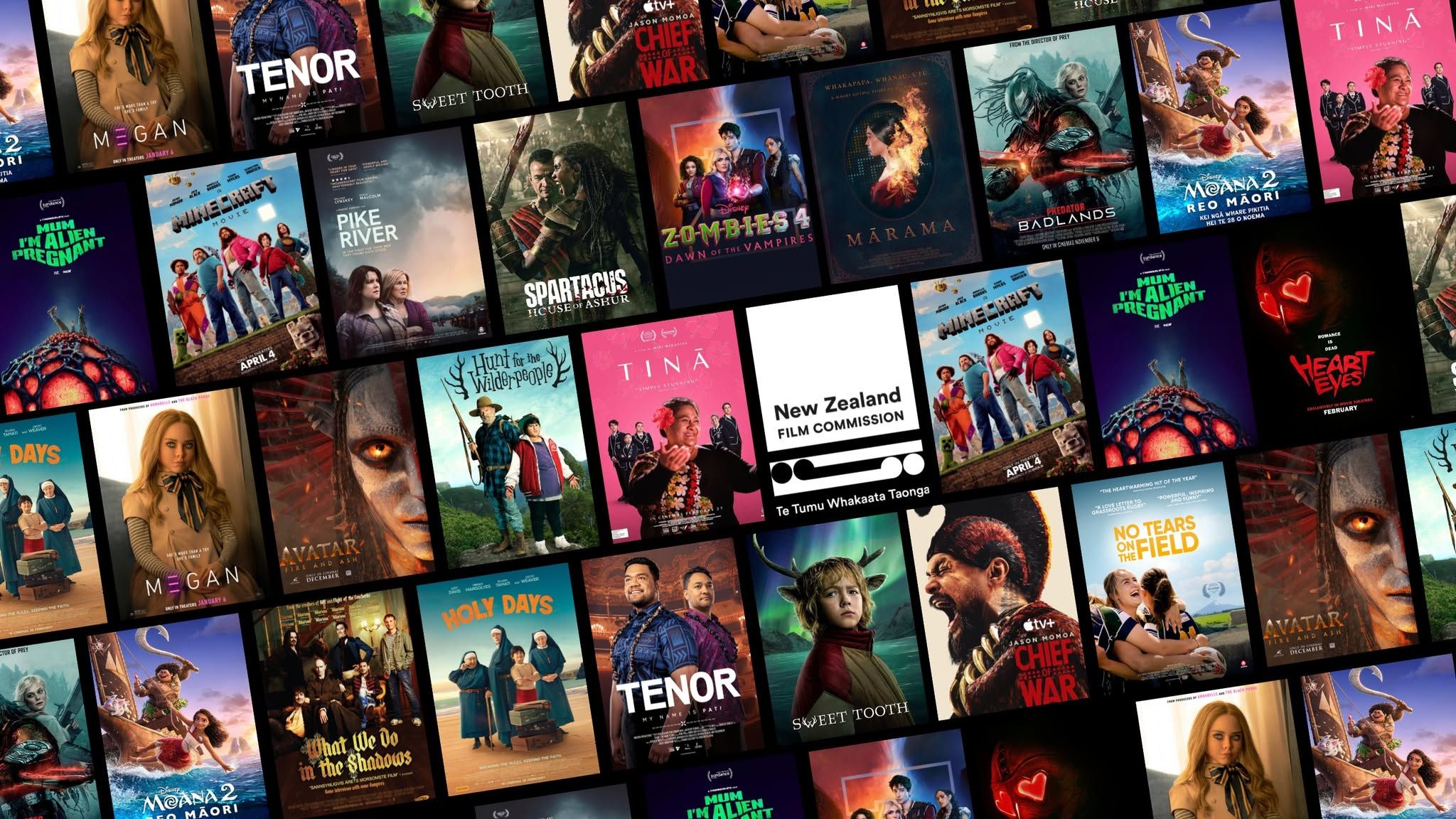
The NZ Film Commission’s decision to end its core funding programme has raised questions about the future support available to screen industry organisations. Photo/Facebook/NZ Film Commission
“And to me, that cost going to be passed on into membership fees, right?” Warkia told Terite.
“Because then I think that creates a barrier for emerging practitioners, for contractors who kind of go, okay, well, we're facing this crisis of the cost of living and so that might be one of the things that we can't afford.”
Warkia says that could particularly affect people from marginalised and diverse communities who rely on guilds for support and advocacy.
She also describes the wider screen industry as being in a difficult period with projects harder to finance and less work available.
“It's difficult to finance projects,” she said. “It seems like everybody's going through a lull at the moment.”
The Film Commission says the decision will allow it to focus public funding on fewer, higher-impact investments, stronger capability development and clearer pathways for filmmakers.
Listen to Kerry Warkia's full interview below.
It says current recipients will remain eligible to apply for targeted funding for qualifying projects and initiatives.
Vaiaoga-Ioasa says the next step is finding ways to keep supporting PISA members.
“We are filmmakers and screen practitioners first, and so these types of situations aren't uncommon.
“You know, we've always had to do a lot for our art and for our people with a lot less.
“So regardless of these cuts, yeah, we'll find a way to ensure we keep supporting our members.”
He says the challenge now will be finding ways to keep Pacific talent supported and in the pipeline so the stories of Pacific communities continue to make their way from the screen sector to audiences.