
Fiji reviews suspected cyber breach at Suva regional organisation
Christine RovoiThu, 15 Oct
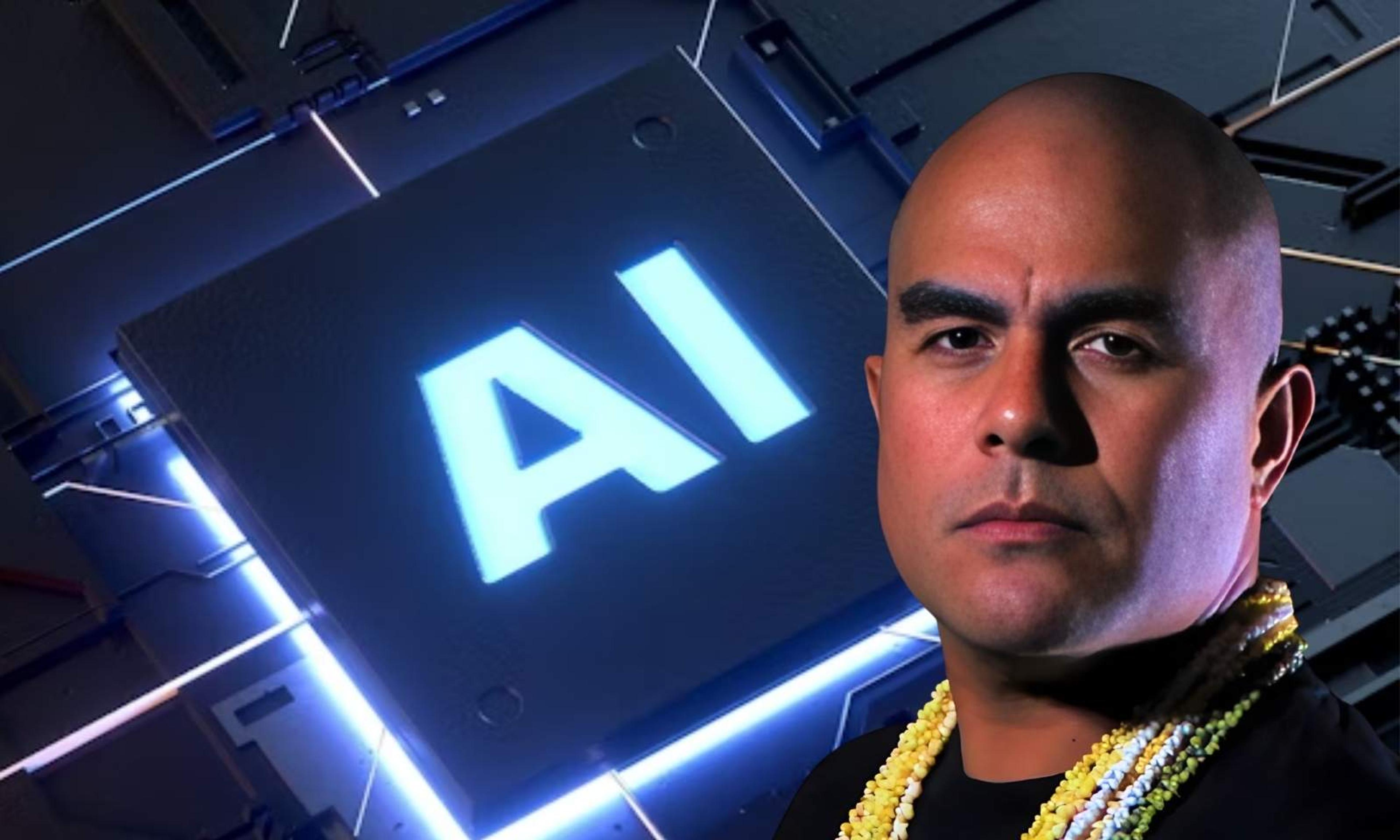
Niuean producer and musician Glen Jackson says Pacific artists must slow down and use AI with care to protect language, culture, and the soul of Pacific music.
Photo/Facebook/Unsplash
Pacific artists like Niuean producer Glen Jackson are calling for care, warn language, culture, and identity are at risk if creators rush the technology.


When artificial intelligence first entered the music studio, it felt like magic. Songs could be made faster. Vocals could sound perfect.
For some Pacific artists, “it felt like a shortcut past long hours in the booth”. One Pasifika producer and musician, Glen Jackson, says the excitement is fading and it is time for a serious rethink.
Raised in Ōtara and active in the music scene since the 1990s, Glen Jackson is a respected figure in Pacific arts. The Niuean musician and producer was part of the group, Island Pride, and later produced
The Factory, recognised as the first Pacific musical in New Zealand.
Now he is speaking out about what he sees as a growing risk to Pacific languages and sounds.
“Five months ago, I already started playing with AI. The excitement in the first 24 hours was, ‘awesome, I don't have to record myself in the studio anymore, I can just let AI do it,” Jackson says.
“I'll teach AI how to pronounce the vagahau [Niuean language] properly, and I'll release some new songs. Then I had to step back. I should be utilising those tools, my voice as a tool, my studio as a tool, until the day I cannot.
Niuean music producer Glen Jackson is speaking out about what he sees as a growing risk to Pacific languages and sounds. Photo/File
“So it was finding the space to pull back the excitement, and then slow down a little bit and be like, ‘okay, how do I make this work’? Our songs, to be honest, never get the finished quality that they should to match other music that's on the mainstream.”
Jackson says he realised how quickly AI-generated Pacific songs were being shared online, mostly without care for language or meaning.
He has seen Niuean and Sāmoan tracks where words are mispronounced or broken apart, but still promoted as authentic.
Watch Glen Jackson’s November 2025 Island Time interview below:
“Everyone is starting to hear these really cool songs and I get it. Because you're hearing a beautiful song, but the language is getting shredded into pieces. So what I've been doing is learning how to utilise AI.”
"AI sounds great, but it's just too perfect," Jackson says, noting that the machine-generated voices often lack the soul required for authentic Sāmoan or Niuean music. He argues that if a creator does not take the time to "shape and mould" the software to correct pronunciation, they are essentially teaching the wrong version of the language to the diaspora.
The producer’s concerns mirror a wider crisis in the regional music industry. An APRA AMCOS report found that 82 per cent of music creators fear they can no longer make a living from their work, while 89 per cent of Indigenous creators believe AI will lead to a surge in cultural appropriation.
A UNESCO Global Report on Cultural Policies (2025) also reveals that the market for AI-generated audiovisual content is projected to surge from €6 billion (over NZ$12.1 billion) in 2023 to €48b (NZ$97.3b) by 2028. It estimates 23 per cent of music creator revenue in the Trans-Tasman region is at risk due to generative AI.
A further report by the UNESCO Independent Expert Group identifies "algorithmic homogenization" as a core threat, where monocultures are fostered through unbalanced training data that reproduces stereotypes
In the Pacific, while no Island country has a published strategy yet, Fiji and Papua New Guinea are currently the furthest along in developing theirs. Jackson points out the risk of "accidental learning" being particularly high for children in New Zealand or the United States who may not have fluent speakers at home.
Artificial intelligence is changing how music is made, but Pacific artists warn the technology must be used with care to protect language, culture and identity. Photo/File
This concern is also being shared by Sāmoan artists. Speaking with the Sāmoa Observer, Musician Umu Bourne warns AI-generated music is spreading rapidly across the region. Bourne says that when words come out "awkward, flat, or mispronounced," it breaks the emotional connection to the culture.
Bourne warns that when AI reduces the language to basic sounds or inaccurate patterns, it strips away layers of history and identity, effectively turning a rich, living heritage into something shallow and careless.
Jackson says that while AI is a powerful tool to make a producer’s job "lighter and better," creators have a moral responsibility to do their due diligence.
“I'm not allowing AI to produce everything as a song because the vocals are still mine. When you listen to my new songs, my vocals are still mine. That's the authenticity part from me. AI is a tool, just like anything.
“I cannot and will not stop anyone from giving AI a try and releasing their own songs. So I can't be that person, I have to accept it and be like, ‘okay, how can I also be in the same space and not allow AI to totally take all my music’?”
For Pacific communities, the message is clear: the future of music must not come at the cost of language, identity, and soul.