
Tongan workers in line for jobs as FIFA-backed soccer turf takes shape
Elton Lonaratha JnrThu, 08 Oct
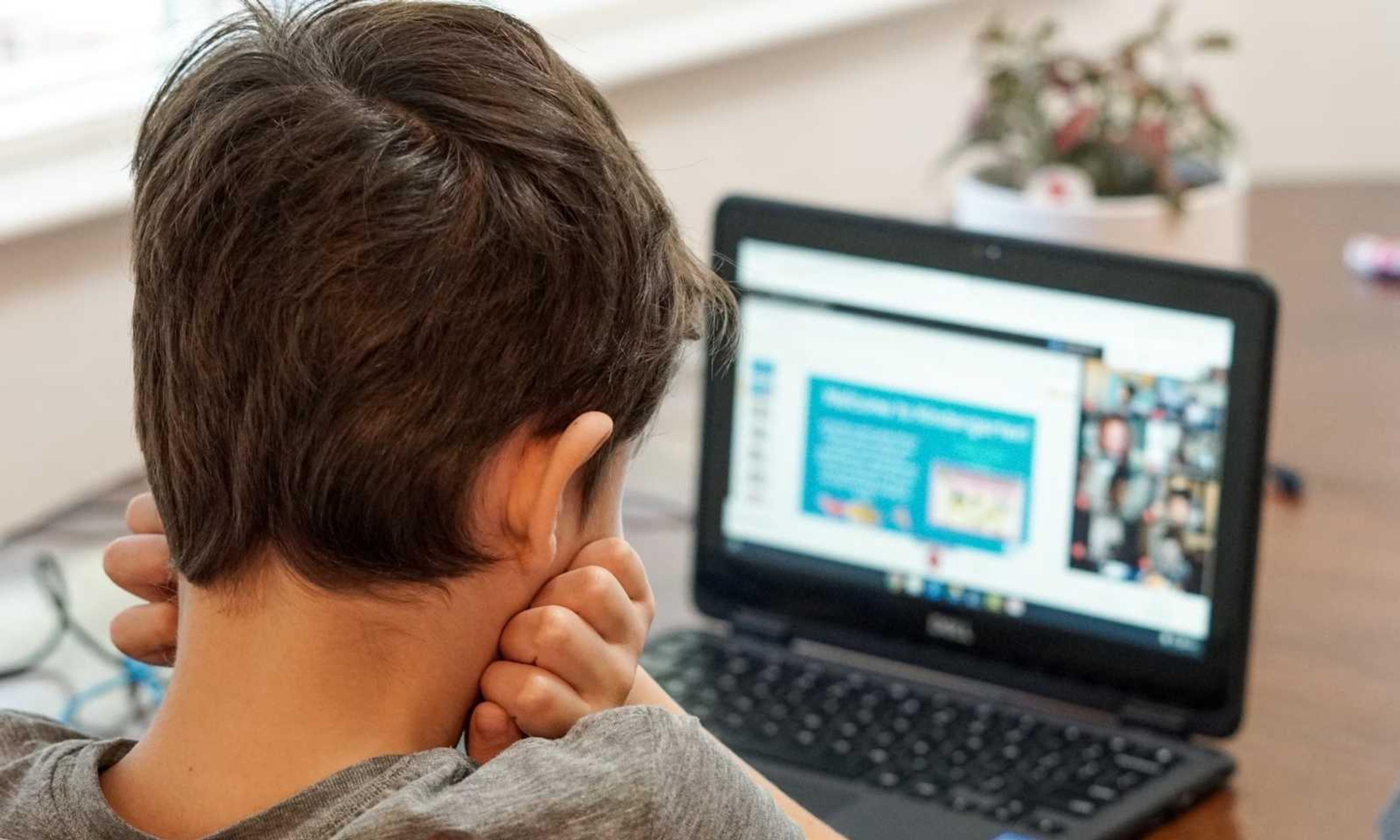
The Government is moving ahead with legislation to restrict social media access for under-16s, but a researcher says the ban could also affect how Pacific youth stay connected with family and community.
Photo/nintex.com
As Aotearoa moves to restrict social media for under-16s, Leah Damm says a ban could create new barriers for young people without addressing what makes online spaces unsafe.


A proposed ban on social media for under-16s could leave some Pacific young people cut off from family, community and support, a University of Auckland researcher says.
The Government is due to introduce its legislation on Monday, putting the responsibility on social media companies to stop u16s from accessing their platforms.
But Leah Damm, a doctoral candidate, says the bigger question is whether the ban will actually make young people safer.
“It's a step in the right direction," she tells William Terite on Pacific Mornings.
"One, we do want the government to be placing the responsibility of the safety of social media onto the platforms themselves, so that's a step in the right direction.
“But what this means for Pacific youth, ultimately, that really depends on if the ban is effective or not.”

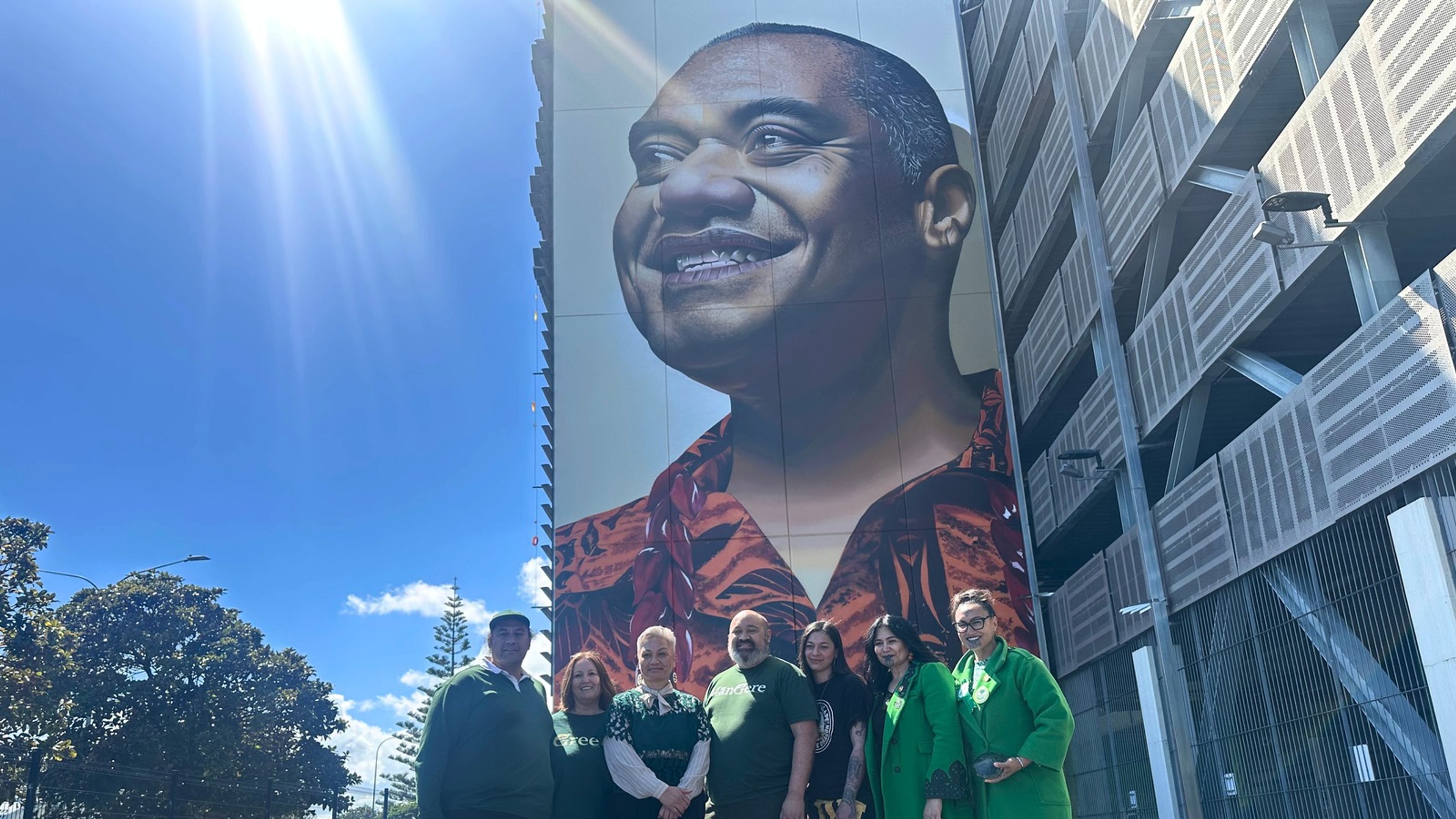
University of Auckland doctoral candidate Leah Damm says a social media ban could create new barriers for some Pacific young people, particularly those who rely on online spaces for support, information and connection. Photo/Leah Damm
Australia is already enforcing a similar ban but Damm says early evidence raises questions about how effective it is.
“The only example that we have is Australia, and a recent study showed that 85 per cent of Australian kids are still on social media.
"So the outlook as far as whether this ban will work or not, as intended, is not looking promising.”
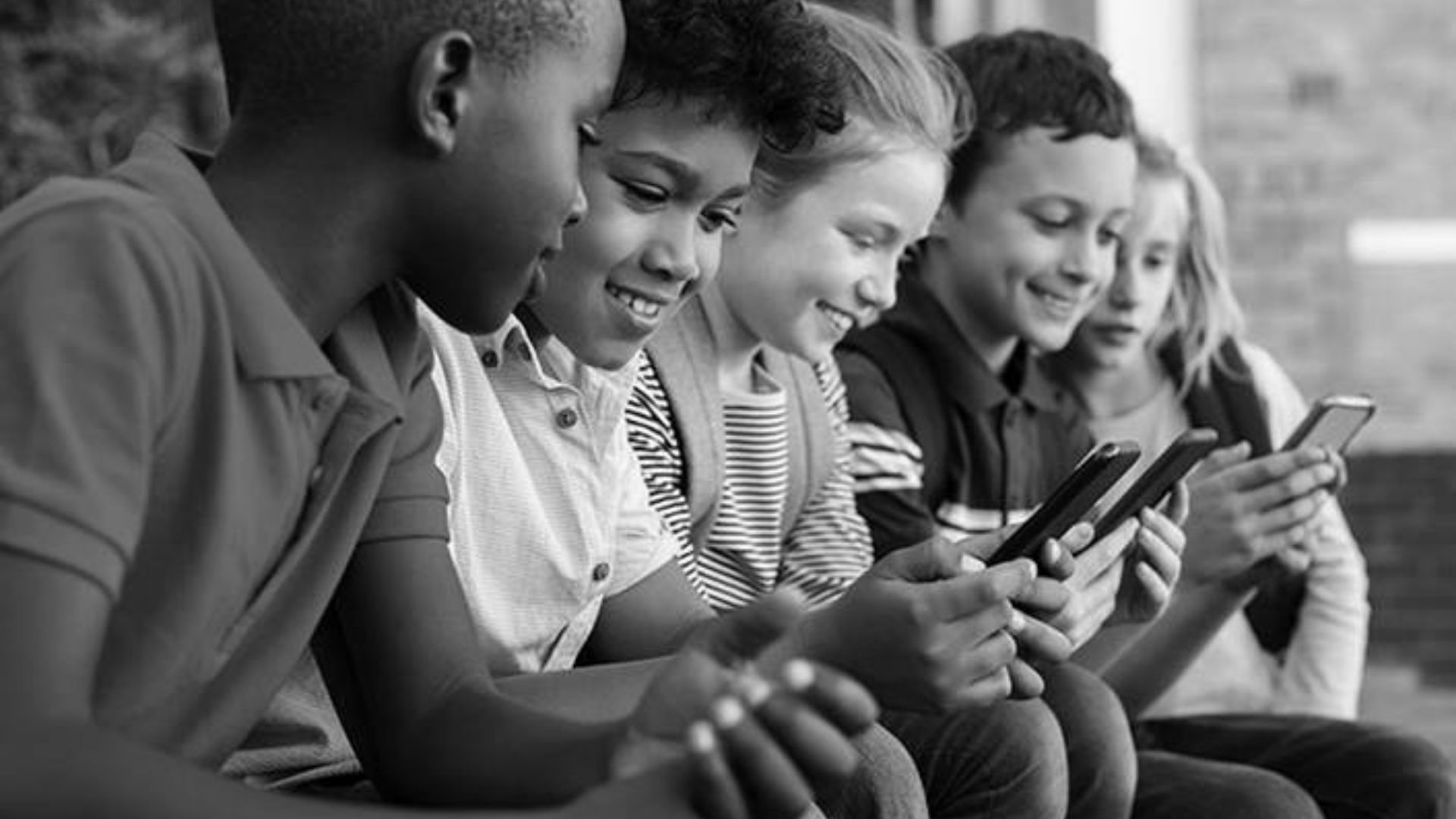
Australia introduced its under-16 social media restrictions in Decem/ber 2025, but research has found about 85 per cent of teenagers surveyed were still using social media three months after the ban came into effect. Photo/mumbrella.com.au
She says Aotearoa's proposed law would require platforms to keep under-16s off their services and carry out regular risk assessments.
But Damm says the legislation does not appear to require companies to act on problems those assessments uncover.
“So ultimately, there's nothing in this bill that makes the platforms themselves safer.”
For Pacific communities, the impact could go beyond young people simply losing access to social media.
Damm says social media can be an important way for young people to stay connected with family overseas, find support, and access information they may not be able to get elsewhere.
“That's probably going to be one of the biggest ones,” she says of the impact on family connections.
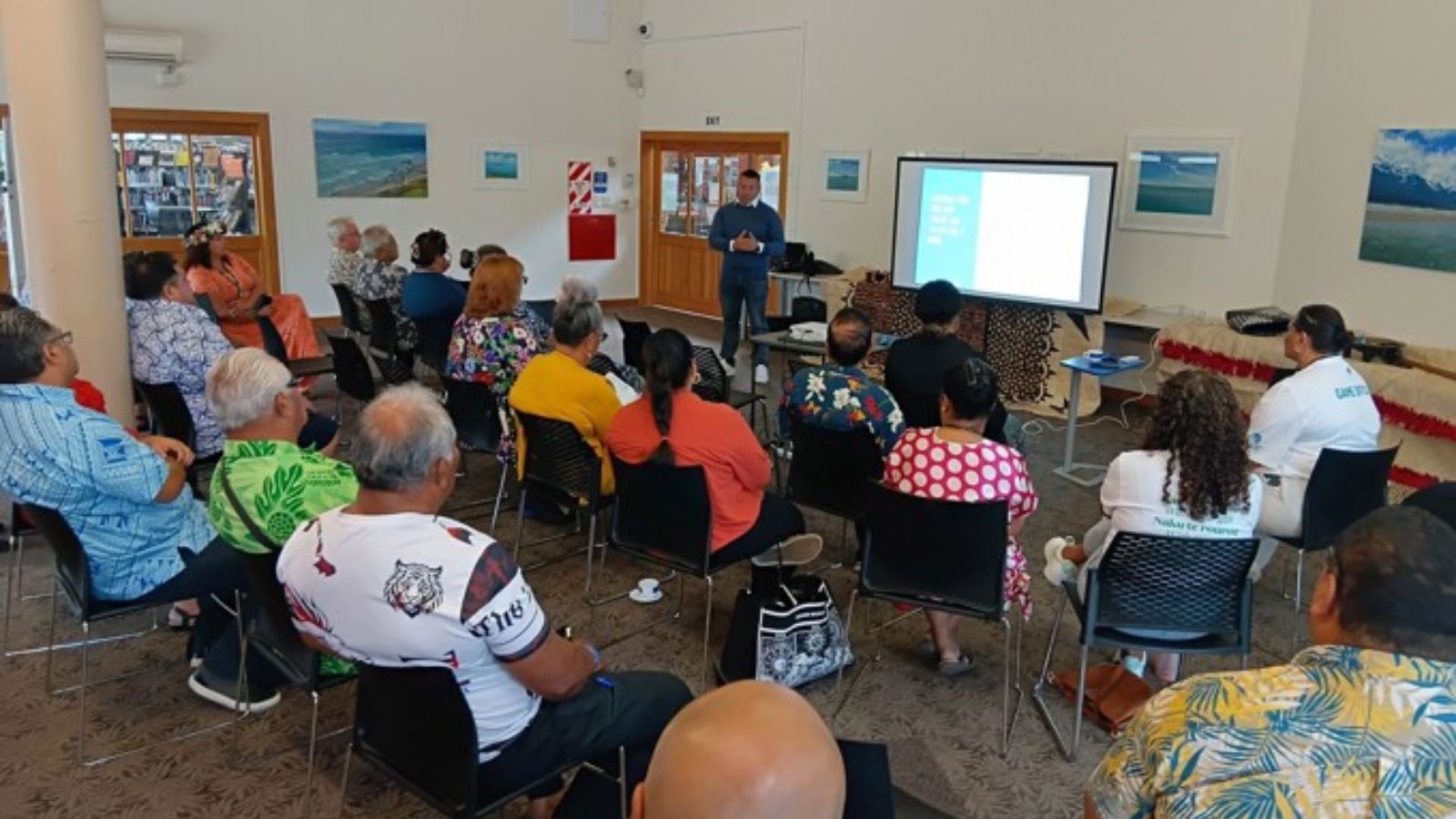
Social media is also used by Pacific families to stay connected across Aotearoa and overseas. A proposed under-16 ban could change how some young people keep in touch with family and community. Photo/Auckland Council
A similar concern has been raised in Australia, where a Fijian academic says social media has become an important way for Pacific young people to stay connected to family and culture.
Professor Jioji Ravulo at the University of Sydney has said that young people have used social media to build community and learn about their cultural identity.
“They've utilised social media as a way to connect, create community and even understand their own cultural perspectives and practices.”
Damm is also concerned a ban could make it harder for some Pacific children to ask for help if they experience harm online.
“What would be quite concerning is whether a ban may actually be a deterrent for Pacific children in coming forward when they do experience online harm.
“We know that children, when they've done something that they know they're not supposed to do, and if something bad happens, then, you know, that fear of getting in trouble can prevent them from seeking help.”
Damm says social media can also provide an important sense of community for young people who may not have a supportive home environment or easy access to frontline services.
“Some studies do show that especially for marginalised communities and vulnerable communities, such as rainbow youth and disabled communities, social media can be a really important source of support and community and also information, especially around sensitive information, so reproductive health and things like that.
“A social media ban in that sort of scenario could potentially be more of a barrier than an improvement to their wellbeing.”
The Government says the legislation is designed to make social media companies responsible for protecting young users and not to punish children or their parents.
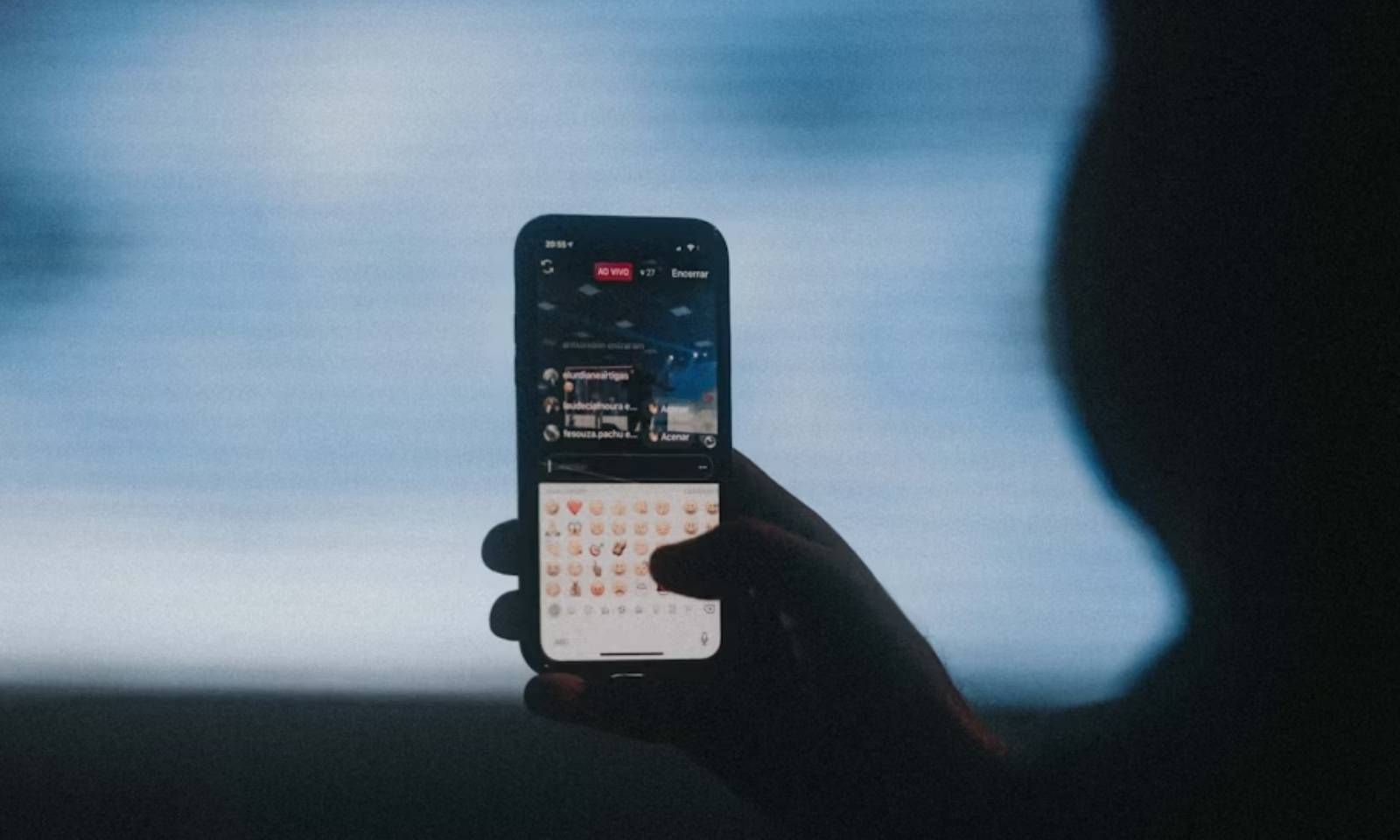
The Government is moving ahead with plans to restrict social media access for under-16s in New Zealand. Photo/Unsplash
Education Minister Erica Stanford says the Bill will require platforms to meet legal obligations and assess the risks they create for children.
“The Bill places legal obligations on platforms. No penalties are proposed for children, their parents or caregivers,” Stanford said in a statement.
“It doesn’t just introduce a minimum age requirement. It creates an enduring framework that can evolve alongside technology and holds platforms responsible for understanding and reducing the risks they create for children."
Prime Minister Christopher Luxon says the Government does not expect the policy to keep every under-16 off social media.
“But early evidence from Australia shows minimum age requirements are already changing behaviour," his statement read.
Listen to Leah Damm's full interview below.
"This is about making a meaningful difference now and changing the norm for future generations.”
But Damm says instead of focusing only on keeping young people off social media, the Government should make platforms safer by regulating how they are designed.
“If they really wanted to crack down on platforms and put the responsibility on platforms is to regulate the design of the platforms themselves.”
She says that could include features such as infinite scrolling and recommendation algorithms, with companies required to put users' safety and wellbeing ahead of keeping them online.
The debate is now about more than an age limit. It is also about whether young people are being protected from harm, without cutting them off from the people and communities they rely on.