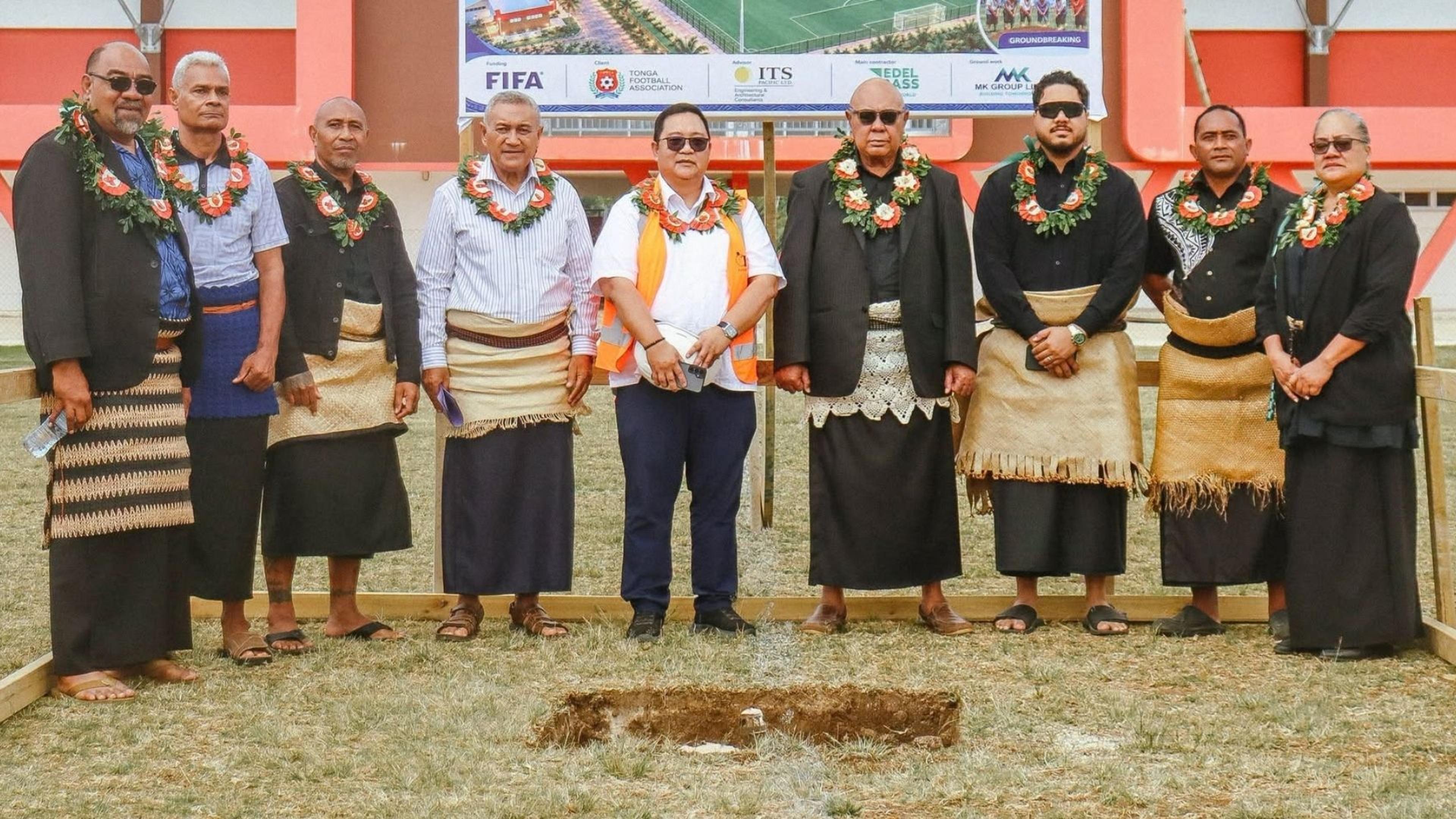
Tongan workers in line for jobs as FIFA-backed soccer turf takes shape
Elton Lonaratha JnrThu, 08 Oct
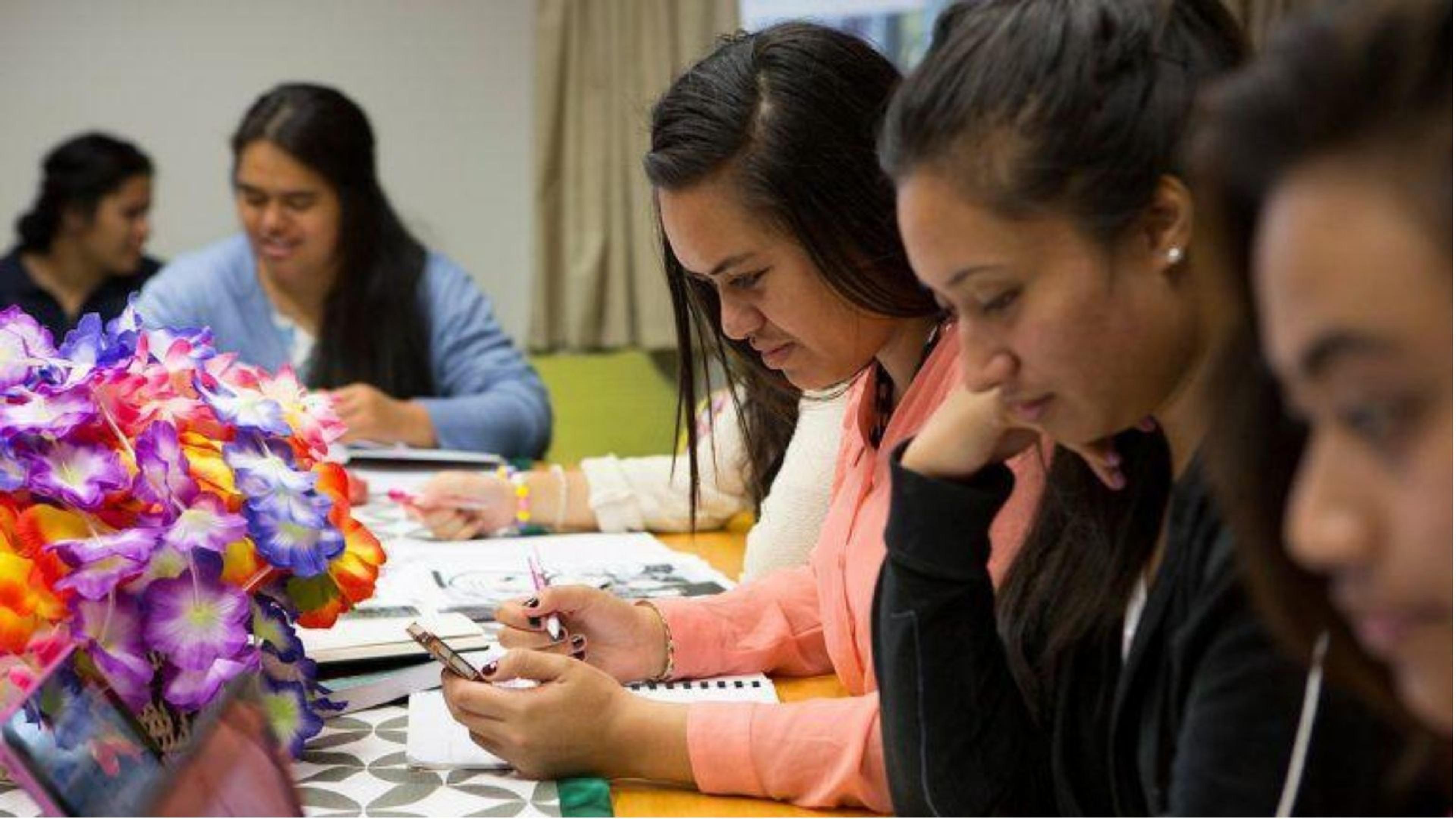
Pacific audiences are increasingly turning to digital platforms to watch and share content, with new NZ On Air research showing YouTube reaches nearly three-quarters of Pasifika every day.
Photo/Supplied
New NZ On Air research shows Pacific audiences are firmly digital-first with Lisa Taouma calling for more support for young Pasifika creators making content where their communities are watching.

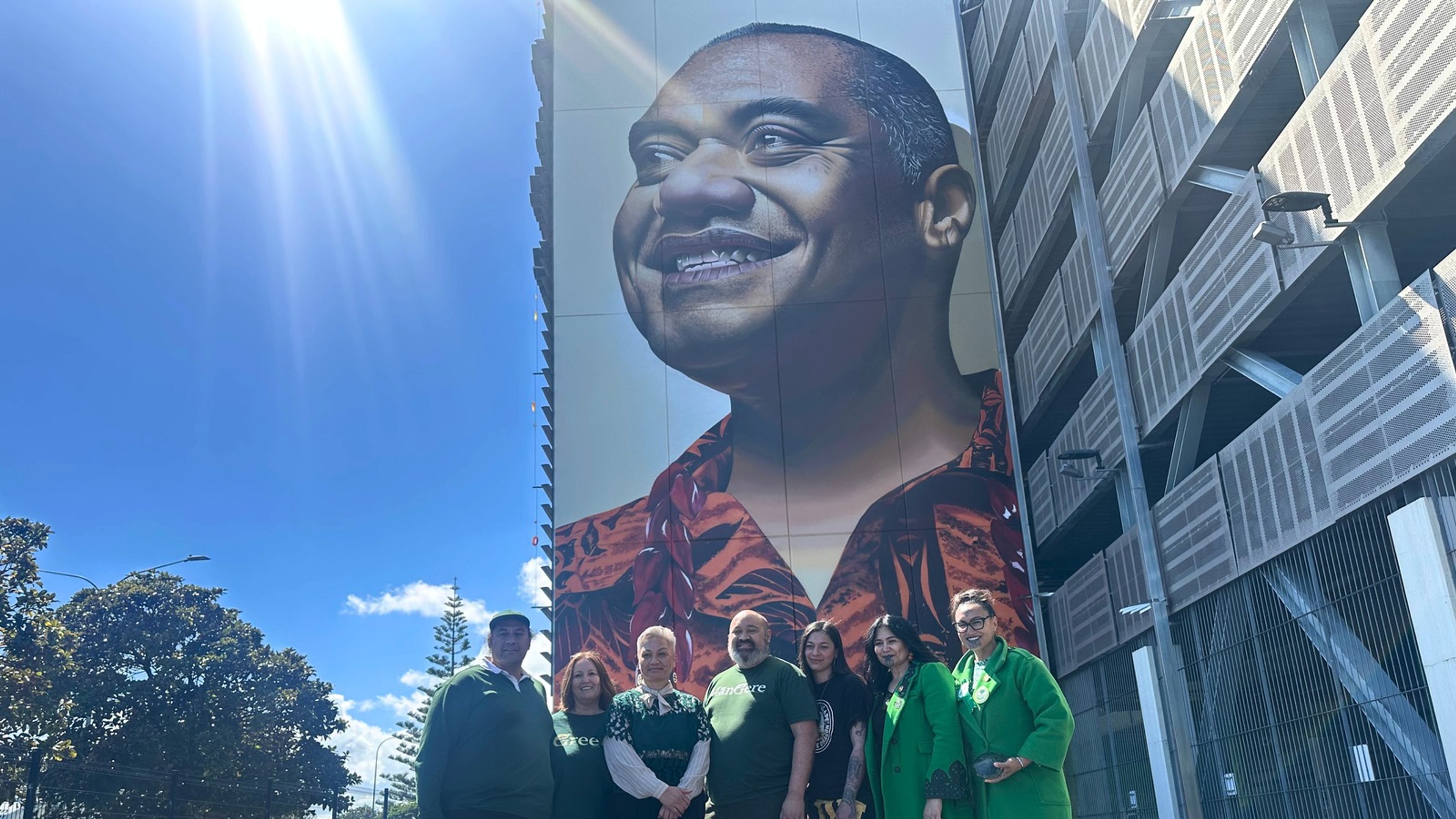


Pacific audiences have made it clear where they want to watch their stories. And increasingly, it is on their phones.
New NZ On Air Irirangi te Motu research shows global video-sharing platforms such as YouTube are reaching nearly three-quarters of Pasifika every day, compared with 38 per cent for linear television.
Papali'i Lisa Taouma, renowned Pasifika creative and The Coconet TV executive producer, says the findings are no surprise.
“No, I'm not surprised at all. We've known this for a long time," she tells William Terite on Pacific Mornings.
Taouma says the research confirms what Pacific content makers have been seeing for years, particularly among younger audiences.
“We've known because that's clearly why platforms like The Coconet have been so successful because we've matched the viewing behaviour of the audience, who are us, ourselves, that we've known for a very long time.”
Watch Lisa Taouma's full interview below.
She says the challenge now is making sure funding and opportunities keep pace with that change.
Taouma says NZ On Air has already started shifting its approach including workshops and new pathways for creators to make content directly for platforms such as YouTube and TikTok.
“I think there's been a lot of targeted workshops and attempts to connect the industry with YouTube, you know, endless YouTube workshops, really good YouTube workshops, by the way.”
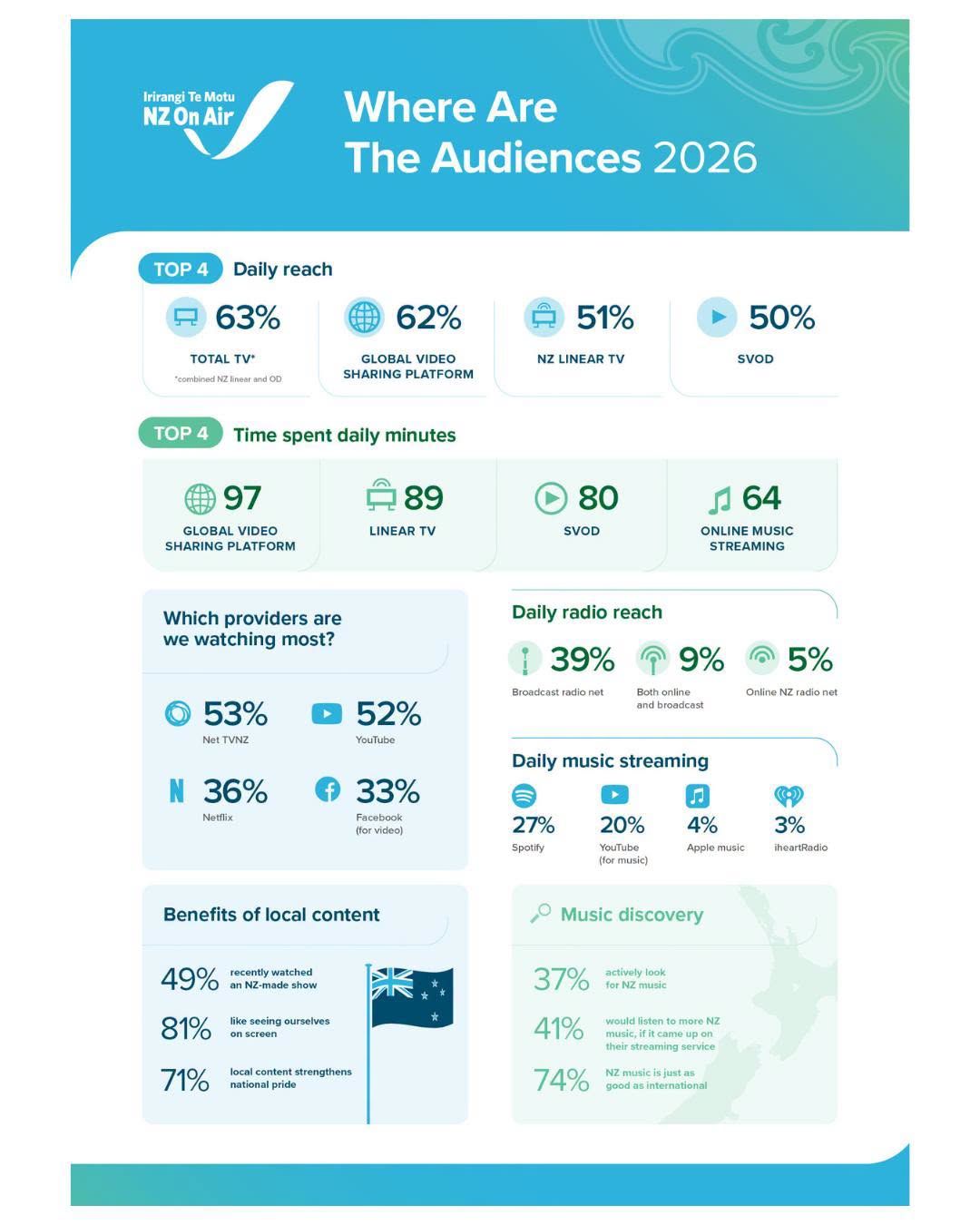
NZ On Air's latest Where Are The Audiences? research looks at how Māori, Pacific, Asian and younger audiences are consuming media and where they are finding content. Photo/NZ On Air
She says the changes are particularly important for young Pasifika creators who are already building audiences online.
“Our biggest communities are under 23. They are on the apps. That's where they behave and live. And so the big thing is really the battle of the apps.”
Taouma says direct digital funding gives young brown creatives a better chance to reach their own audiences without having to rely on traditional broadcast.
“So I'm really, really happy that NZ On Air has started funding direct pathways that let young brown creatives make stuff straight to their YouTube channels.”
Allanah Kalafatelis, NZ On Air's Head of Communications and Research, says the research is intended to help the agency understand where different audiences are spending their time so public funding can better reach them.
She says the latest research shows there are significant differences between Māori, Pacific, Asian and younger audiences, making it important to understand what each group is watching and where they are finding it.
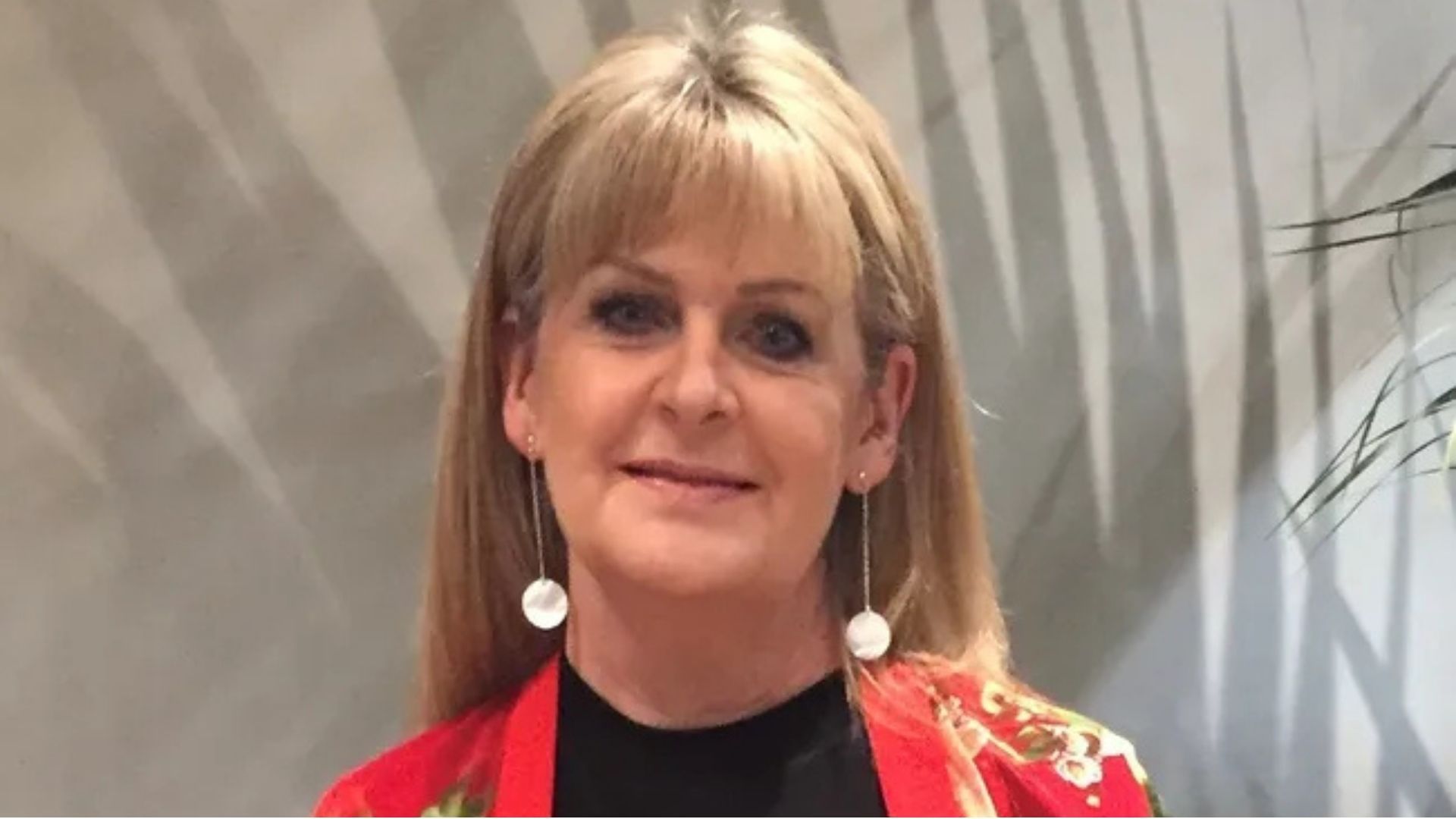
NZ On Air Head of Communications and Research Allanah Kalafatelis says the latest audience research is helping the agency understand where different communities are spending their time.
“The battle for New Zealand audiences is increasingly being fought on global digital platforms,” Kalafatelis told Waatea News.
But Taouma says Pacific production companies still need mainstream broadcasters to help finance larger projects.
Coconet is currently producing AIGA, a series about intergenerational sporting families, for Sky. Taouma says that kind of support shows some broadcasters are recognising the value of the Pacific audience.
“And I think this is why research like this is important, because it's a good prompter that we exist as a sizeable audience.”
The NZ on Air research also found 90 per cent of Pasifika want to see local faces on screen while relatability and truth are more important measures of quality than expensive production.
Taouma says that reflects how audiences already use social media.
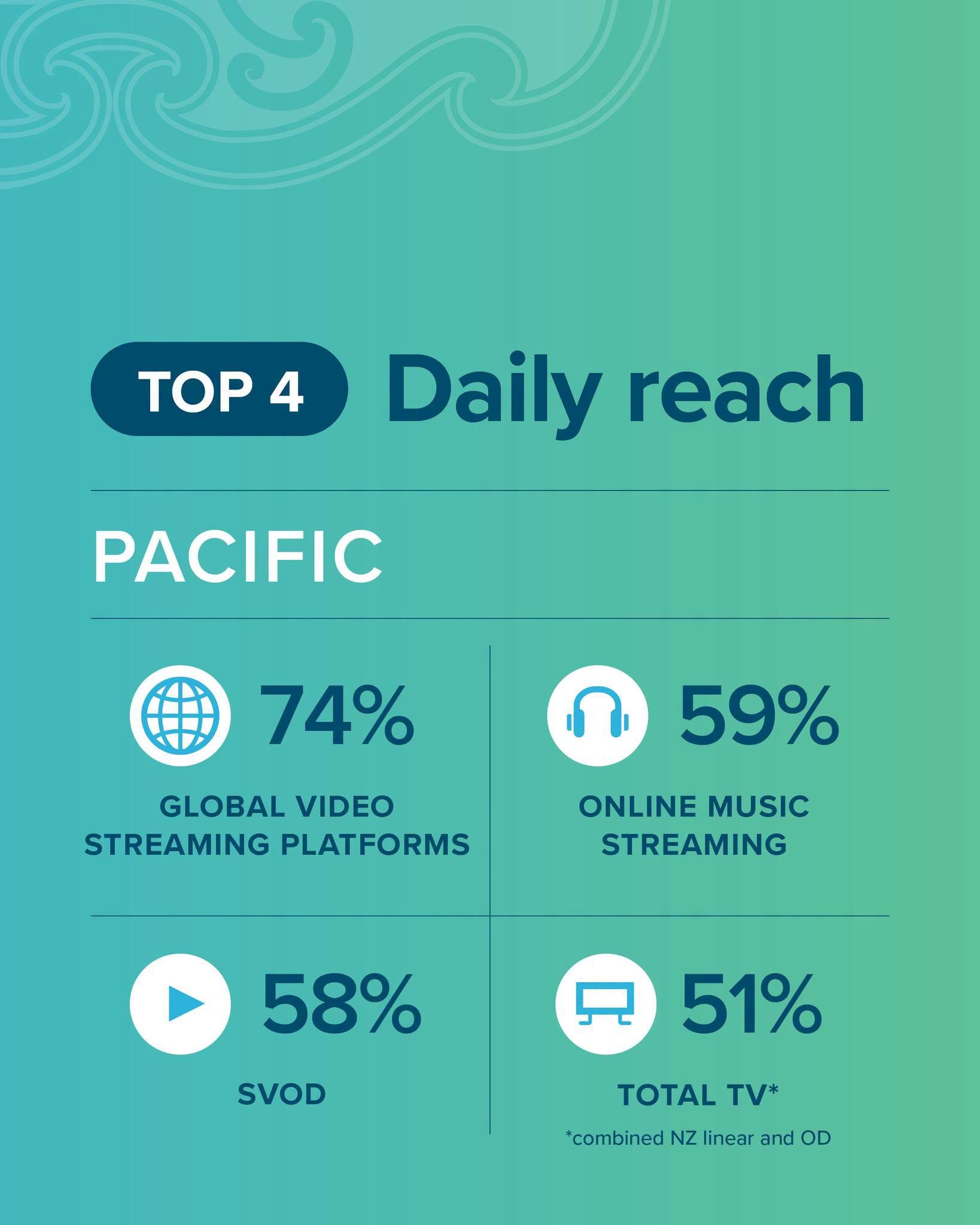
Photo/NZ On Air
“People want to see or they just want to see real things, you know, and the absolute beauty of what people are doing on all those apps. People want to follow real people making a cup of tea.”
She says the media sector also needs to invest in the next generation of Pacific creators.
“Invest in young people, invest in young people, invest in all the young guys, all those people, kids who are doing TikTok transitions on their phones. They're the new HODs of graphics and editing.”
Taouma's message from the research is simple: Pacific audiences are already online. The next step is making sure Pasifika creators have the resources and pathways to meet them there.