
Seymour targets office karakia as Aupito warns of a ‘culture war’
Thomas Tarurongo WynneFri, 23 Oct
Summer parenting tips for surviving the holidays,
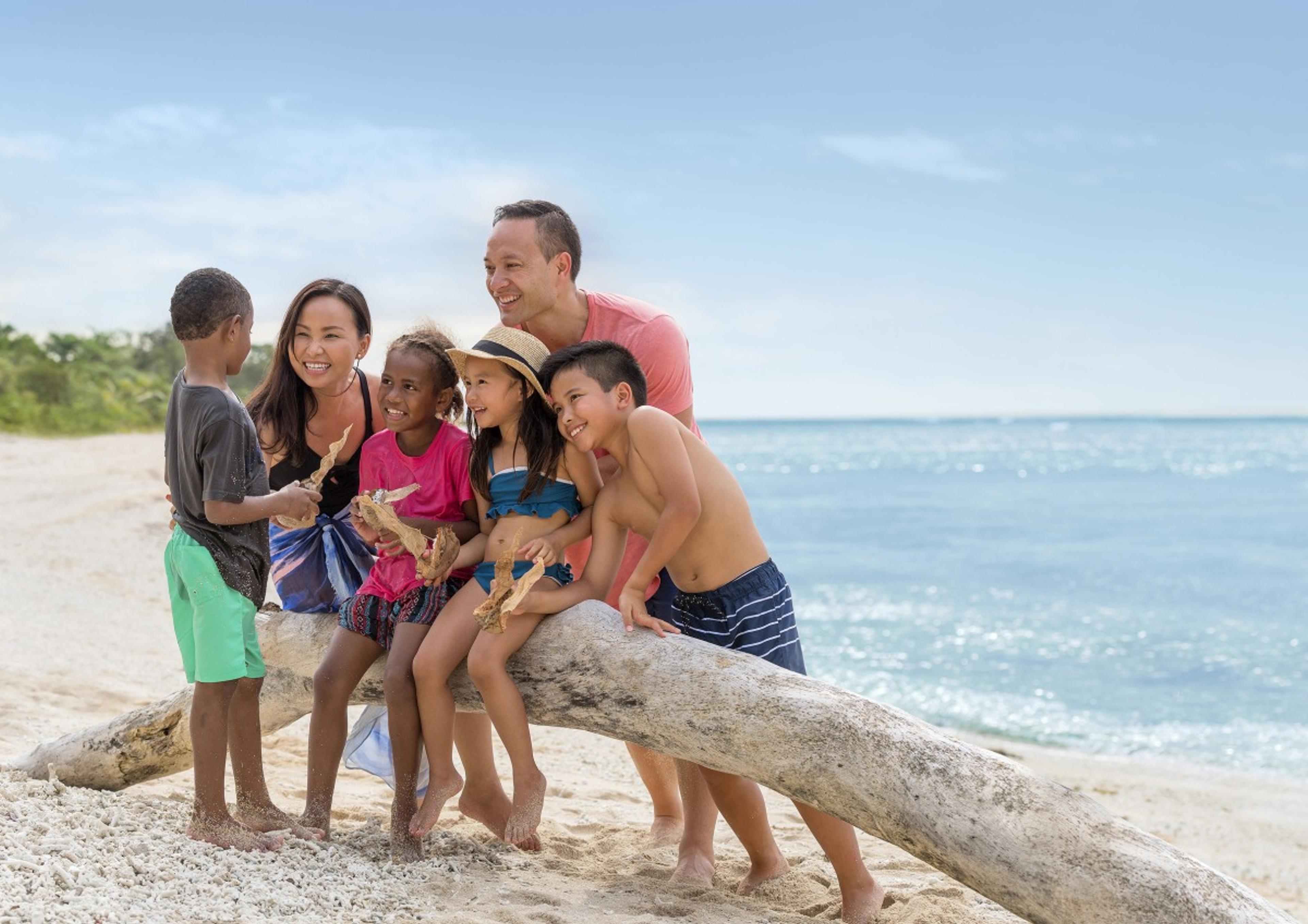
Photo/Pacific Tourism Organisation
A Pacific parenting specialist shares simple routines, low-cost activities, and safety advice to help families enjoy a stress-free holiday.

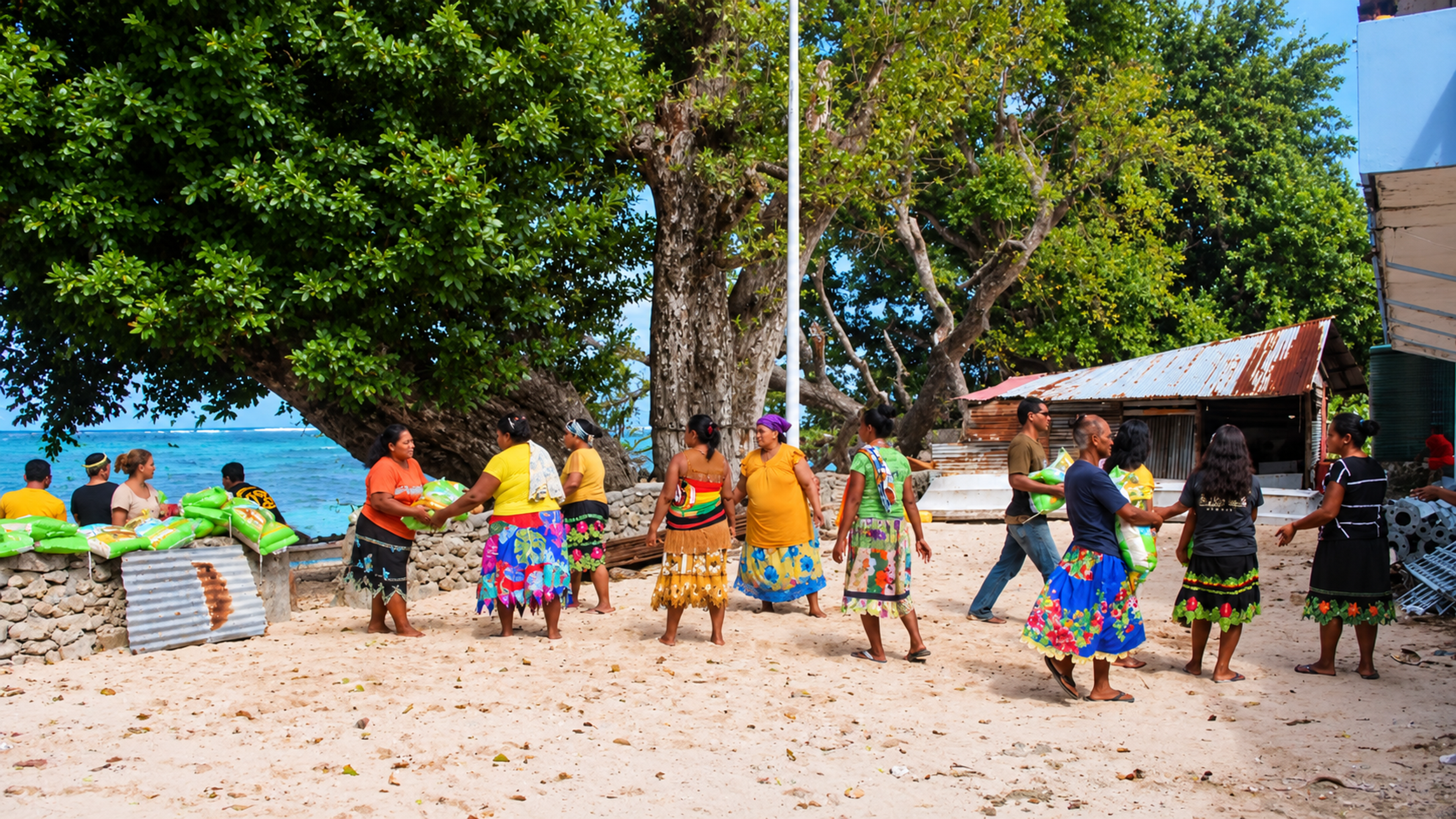

Summer is officially underway. This year's calendar has something for everyone - from sports, art, music, faith, and food to families and friends enjoying a fun day out and creating lasting memories.
Long school holidays can test both patience and budgets, but a Pacific parenting expert says families already have everything they need to survive summer, and enjoy it, without spending a fortune.
Suvania Mann-Tufuga, Whānau Resilience Community Enabler with Vaka Tautua, says that with little planning, simple routines, and low-cost activities, parents can ease the pressure while giving children a summer full of fun, exploration, and creativity.
She says summer is a time to explore, laugh, and let the kids’ imaginations run wild. She encourages families to make the most of free outings, such as parks and gardens, as well as home-based activities.
“For example, the Auckland Botanic Gardens are free to enter, a lovely place for kids to explore and for families to have a picnic, go for a walk.”
Activities at home can include water play, craft days using recycled materials, talent shows, or game nights.

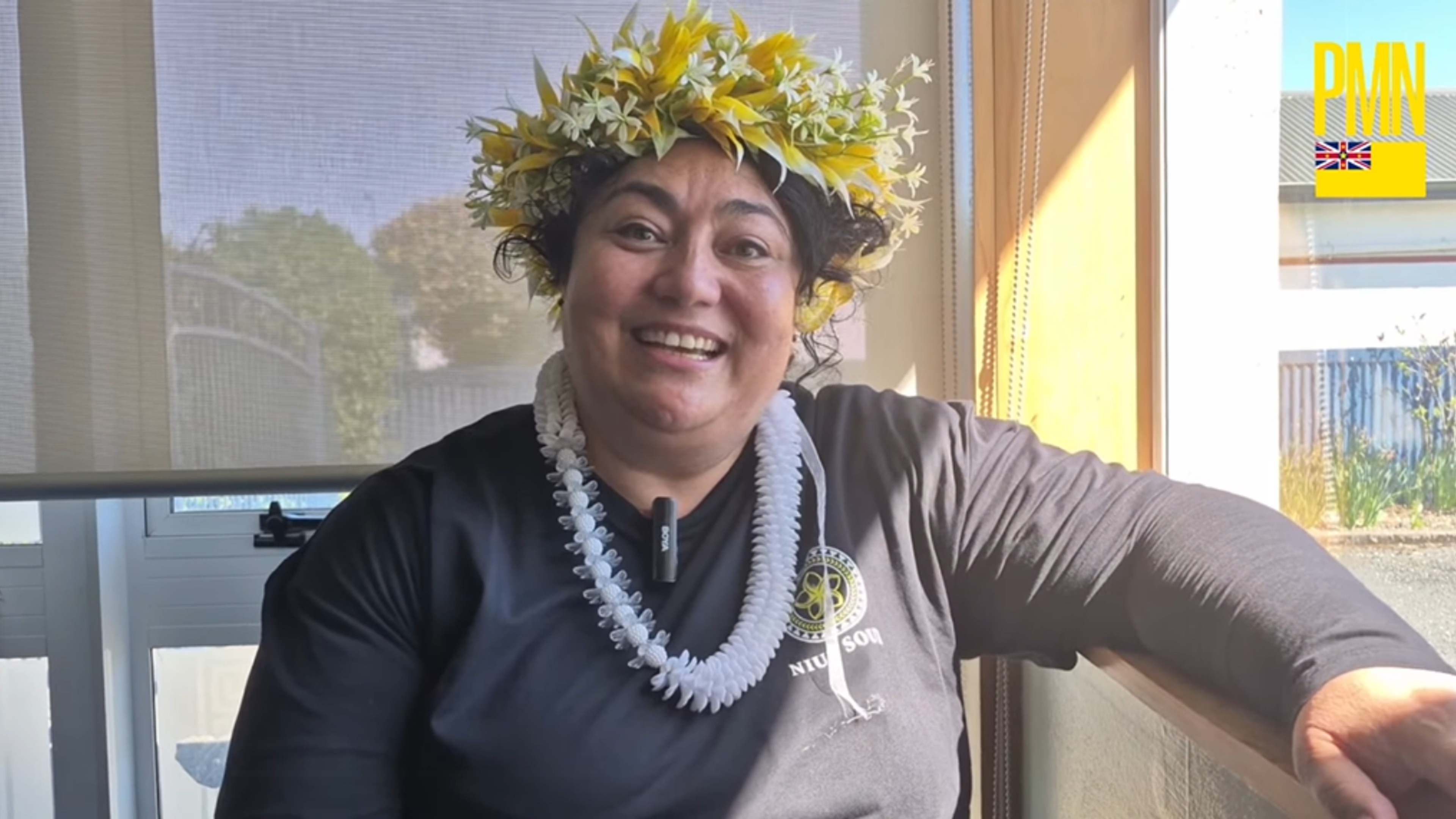
Suvania Mann-Tufuga is a Whanau Resilience Community Enabler at Vaka Tautua. Photo/Supplied
Mann-Tufuga says cooking is a favourite with her daughters, aged 7 and 14. “They love making pancakes and French toast. We do a lot of brownies, cakes and cookies. They enjoy creating something and then seeing it shared and enjoyed by others.”
The biggest holiday challenges
With school out, structure can quickly disappear.“Without structure, children can feel bored and restless, which can lead to mischief,” she says.
“Holidays can raise stakes for behaviour in group family settings, extended family visiting, family dynamics, bigger gatherings, cultural expectations and kids may struggle with transitions or overstimulation.”
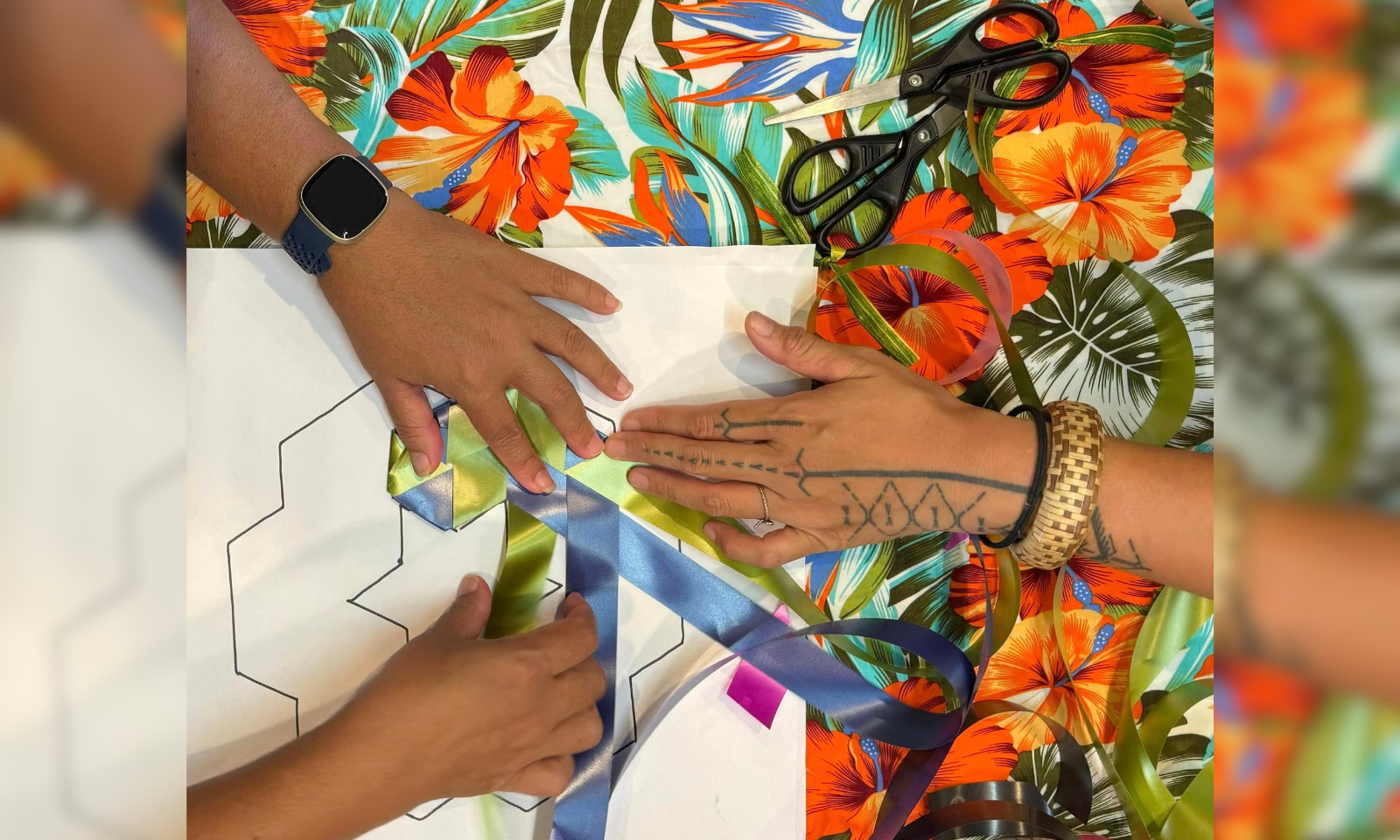
Craft days can be a fun activity, and a tool to pass on your cultural handiwork. Photo/File
Late nights, big gatherings can overwhelm children. Mann-Tufuga says it’s important for the child not to feel pressured.
“If you talk to your child and you're honest with them and you're calm as well, they're more likely to be open with you. It's just making sure that they know where they're going and what's going to happen, and if something does come up, that they can come and talk to us.”
Another challenge is juggling childcare with work. Under the Summary Offences Act 1981, it is an offence to leave a child under 14 years old without reasonable supervision.
Mann-Tufuga says toddlers should never be left alone, and even teenagers need clear safety plans.
“Children need to feel safe, know what to do in an emergency, and be able to contact a trusted adult,” she says. “There are also boundaries, like not using the oven without an adult present.”
The Bus Stop game can become a family favourite.
Mann-Tufuga says Pacific families have unique strengths, and encourages parents to lean into these resources during the summer period.
“You’ve got a whole village behind you, and that comes in very handy. Our Pacific values are so important, and we just need to carry that wherever we go,” she says.
“We have love, we have alofa, we have respect, we have service. When you bring up a child with these values, it teaches them how to be independent and kind people in the community, which is what we need most.”
For those wanting to learn more, Vaka Tautua offers a free six- to eight-week Whānau Resilience Parenting Programme for Pacific families, with various locations available.