
Seymour targets office karakia as Aupito warns of a ‘culture war’
Thomas Tarurongo WynneFri, 23 Oct
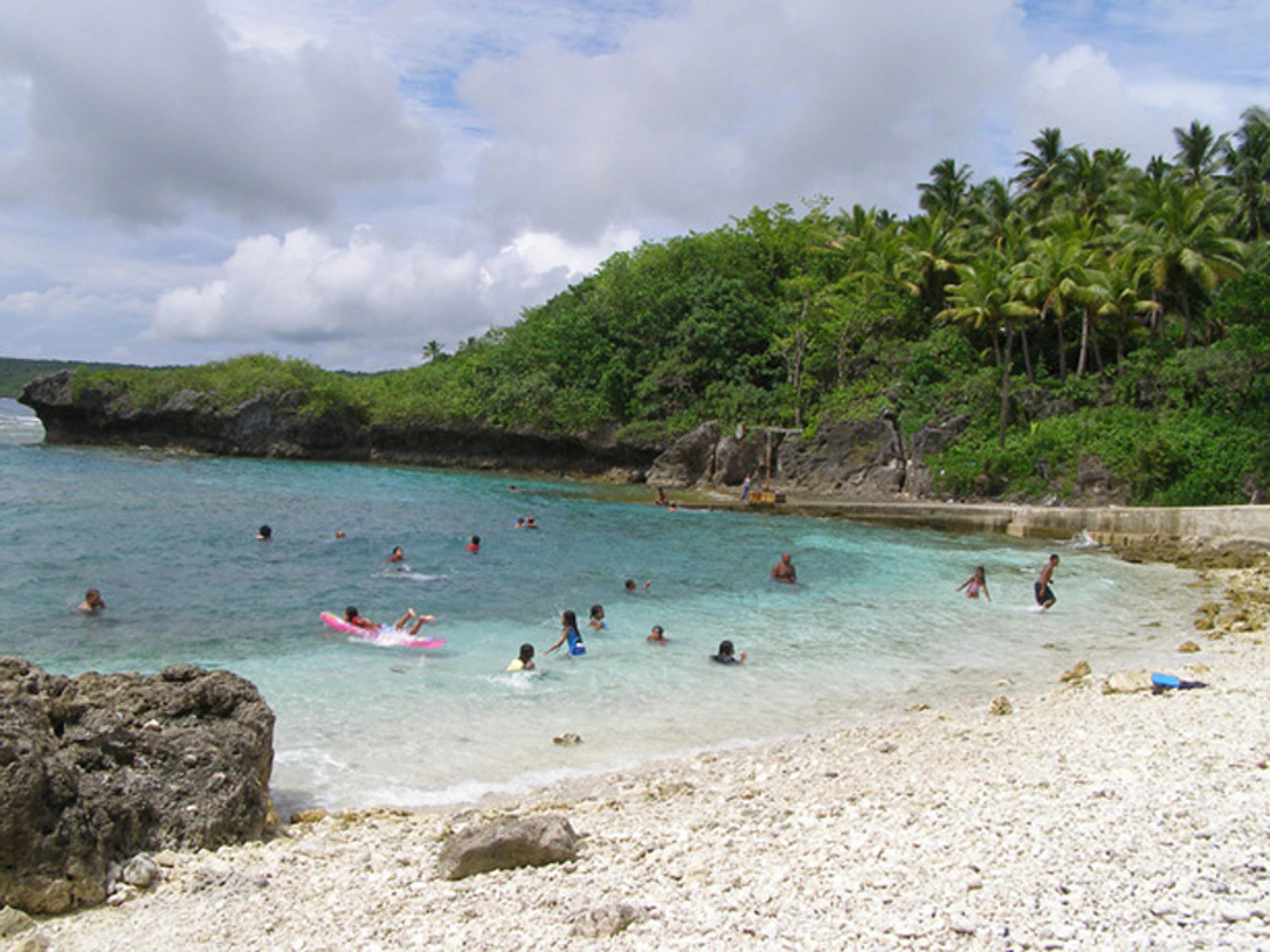
Water safety organisations are urging families to take extra care around beaches, where conditions can change quickly and risks are often underestimated. Photo/wikipedia/Lino Photographs
Photo/Supplied
The experts warn Pasifika are over-represented in local drowning statistics, urging whānau to learn how to float and choose safer waterways this summer.

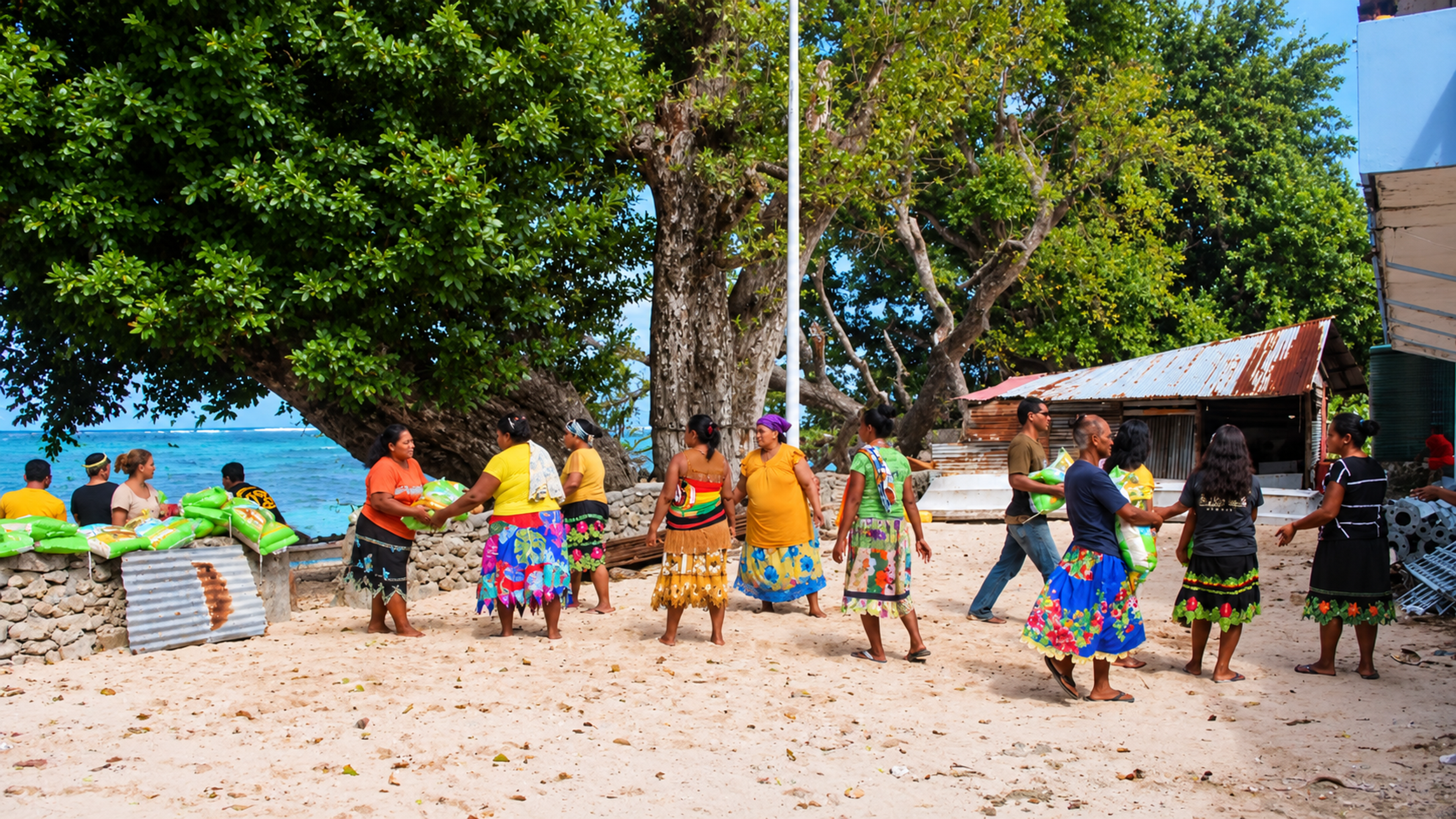

Summer is officially underway. This year's calendar has something for everyone - from sports, art, music, faith, and food to families and friends enjoying a fun day out and creating lasting memories.
Pacific families heading into summer are being urged to prioritise water safety in Auckland, given the drowning risk in Pacific communities.
PMN News spoke with Nicola Keen-Biggelaar, the chief executive of Drowning Prevention Auckland (DPA).
She says simple survival skills can save lives. Pasifika accounts for 13 per cent of drowning incidents in Auckland, which means 13 people have lost their lives over the past five years.
“In the national figures, that is actually seven per cent, so the particular drowning risk for Pacific peoples is higher in Auckland than anywhere else around the country,” Keen-Biggelaar says.
Water Safety New Zealand has also issued a summer warning, with 70 drowning deaths recorded so far this year. This is already higher than the same time last year.
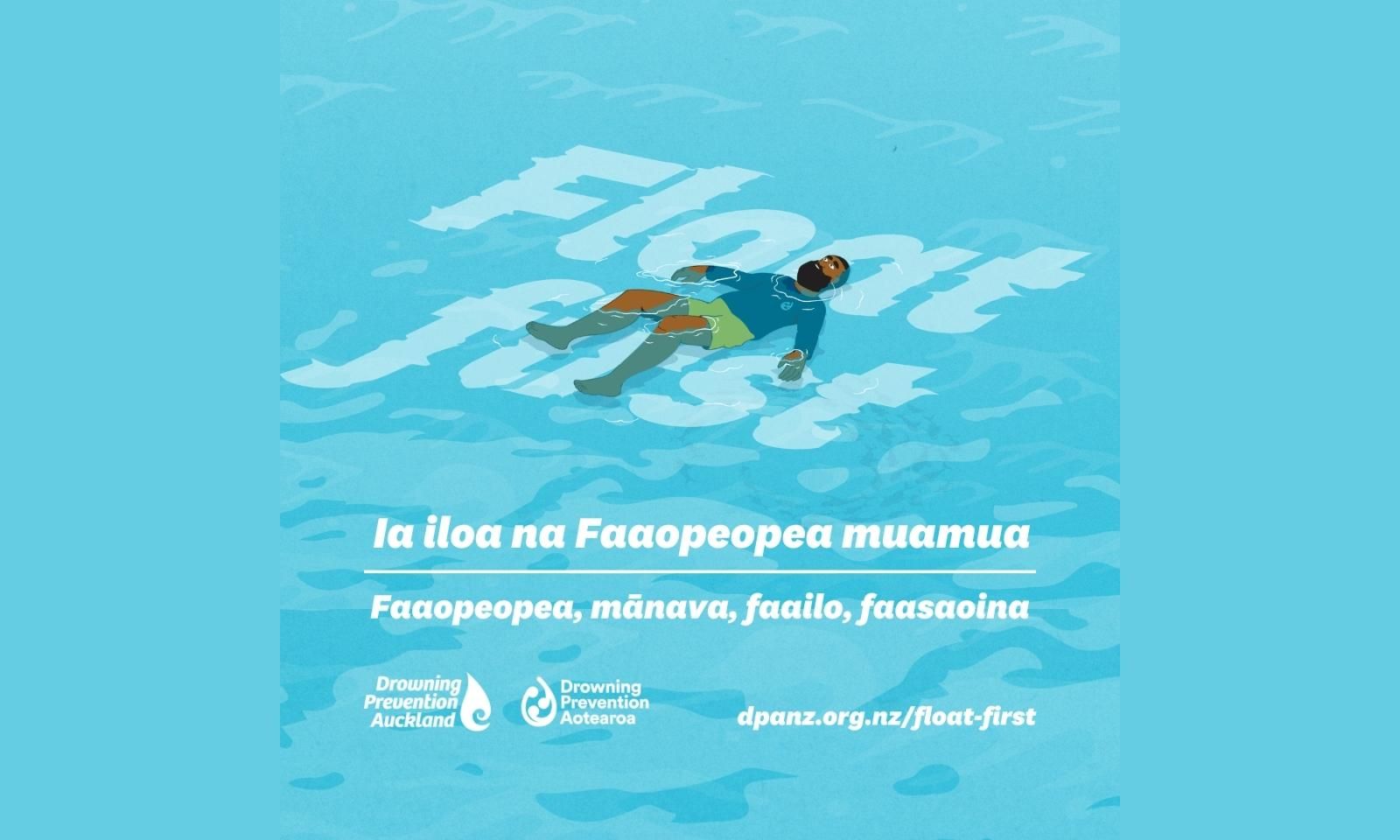
Float first survival steps in Gagana Sāmoa (Sāmoan language). Photo/Supplied
The organisation says men remain most at risk and warns that many drownings happen on calm, sunny days through slips, falls, or fishing accidents, particularly when lifejackets are not worn.
Families are being urged to supervise children closely, avoid unpatrolled beaches, and take extra care around unfamiliar waterways.
“We’re begging Kiwi men to shift away from the ‘it won’t happen to me’ mindset. It can happen to you,” Water Safety NZ boss Glen Scanlon says in a statement.
Understanding Auckland’s waterways
Auckland’s diverse waterways present additional risks for Pacific families travelling during the holiday season.
The city’s west coast beaches, east coast bays, rivers, and waterfalls behave very differently from the calm and predictable lagoons and coastal areas many Pacific communities are accustomed to.
Keen-Biggelaar says this environmental shift can put families at greater risk, and that an environmental disconnect exists because what many Pacific people “know to be absolutely true isn’t necessarily the same in New Zealand”.
She says the key message for this summer is simple: know how to float. Floating is described as the first and most critical survival response in any unexpected immersion, such as slipping from rocks, being swept away while fishing, or falling off a wharf.
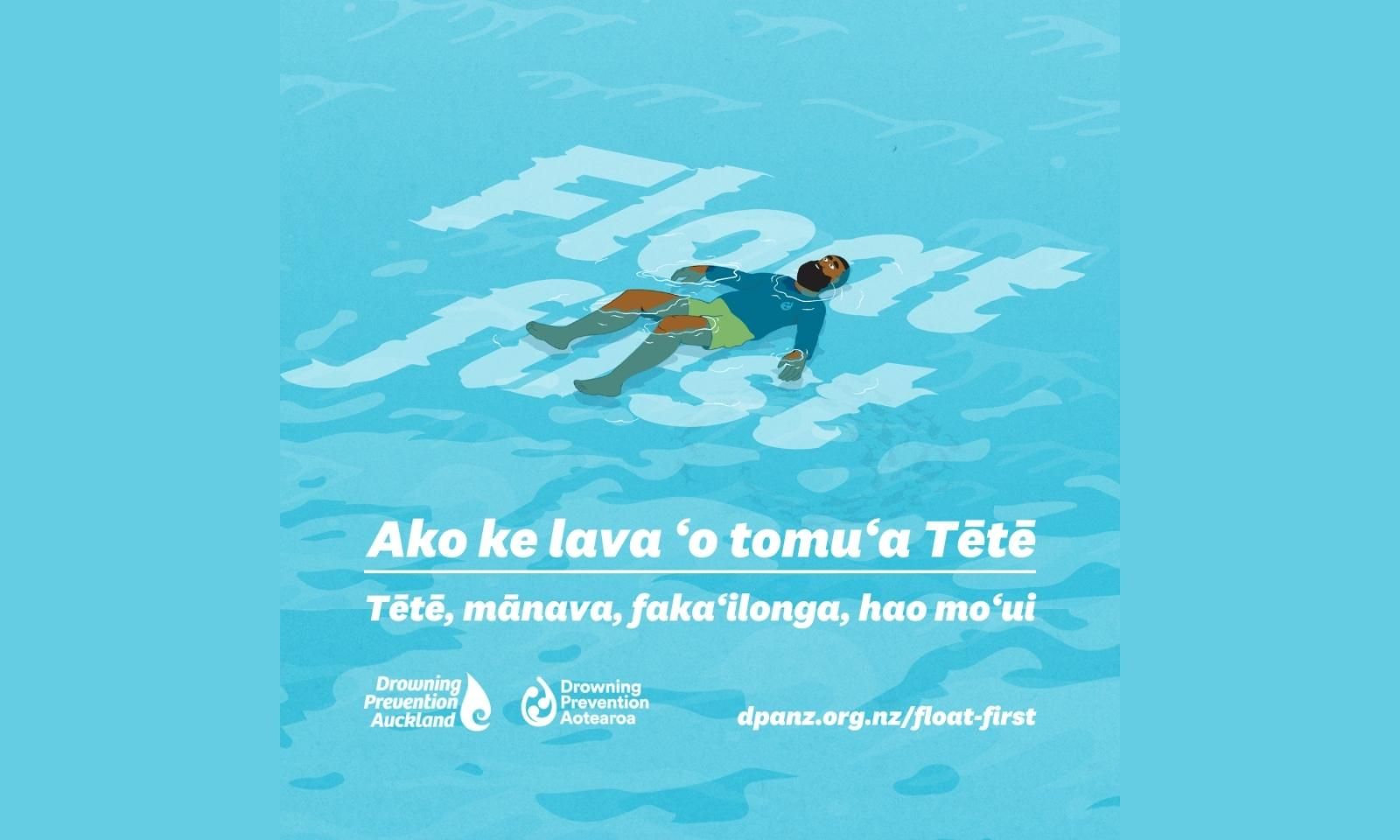
Float-first survival steps in Tongan. Photo/Supplied
Learn to float, learn to swim
Keen-Biggelaar says floating allows a person to relax, avoid swallowing water, regulate their breathing, and assess their surroundings while waiting for help.
She says it also “buys you time for rescue organisations to come in and assist you”.
Keen-Biggelaar also acknowledges the barriers that prevent many Pacific families from accessing swimming lessons, including cost, lack of school pools, transportation challenges, and the reality that swimming was not always a necessary skill in the islands.
“Everyone in New Zealand has the right to know how to swim. I'd love it if we just all knew how to swim. We live in an island nation.
"But unfortunately, that's not the situation at the moment. We definitely need more investment in both swimming lessons and also in water safety and survival lessons.”
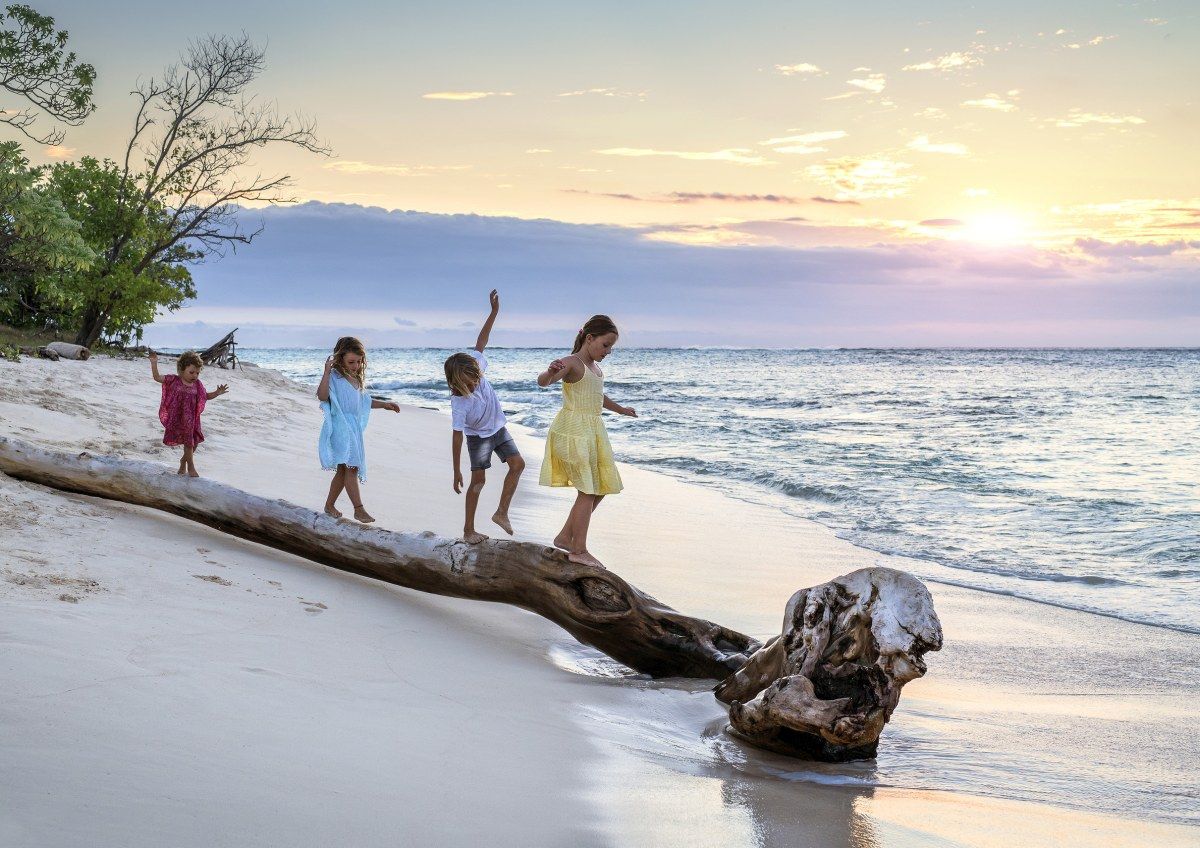
Water safety organisations are reminding parents and caregivers to actively supervise children around all types of water this summer. Photo/Supplied
Fishing trips: make safe choices
Adults are among the highest-risk groups, with many overestimating their ability and underestimating conditions. Keen-Biggelaar warns that adults fall into the trap of “thinking that it won’t happen to me”.
“Not planning effectively, not wearing a life jacket when fishing and just not being aware of the surroundings sufficiently. When it comes to fishing in particular, a lot goes into the planning, getting all your gear together and buying the bait.
“You're really excited. It's an adventure. Getting to your place of fishing and then deciding, ‘after all of that work, we're not going to go fishing today because it's dangerous’, doesn't often happen. We've taken so much effort to get here, we'll take that risk now. These are the elements that start to come into play, particularly with adults.”
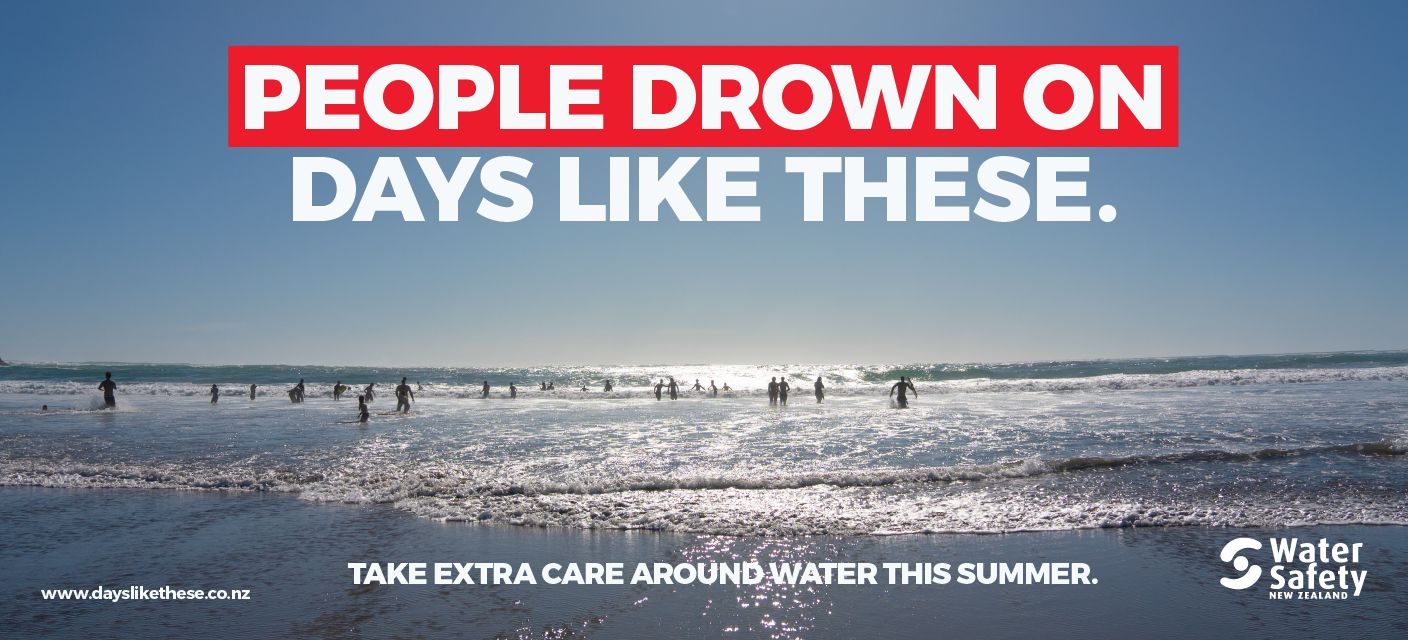
Photo/Water Safety NZ
Practical tips for summer
Keen-Biggelaar’s “single most important” message this summer is learning how to float. She says it is easy to do and the DPA offers programmes where a person can safely test their ability to float in a safe, non-judgemental environment.
“We'd love to see more adults doing that. So, stay safe and enjoy the summer. We've got a lot of beautiful waterways. It's really good for us to recreate in the water, but we do need to do that safely, so we come home at the end of the day.”
Parents are also urged to actively supervise children at all times. The DPA advises choosing patrolled beaches, swimming between flags, and using tools such as the SafeSwim app.
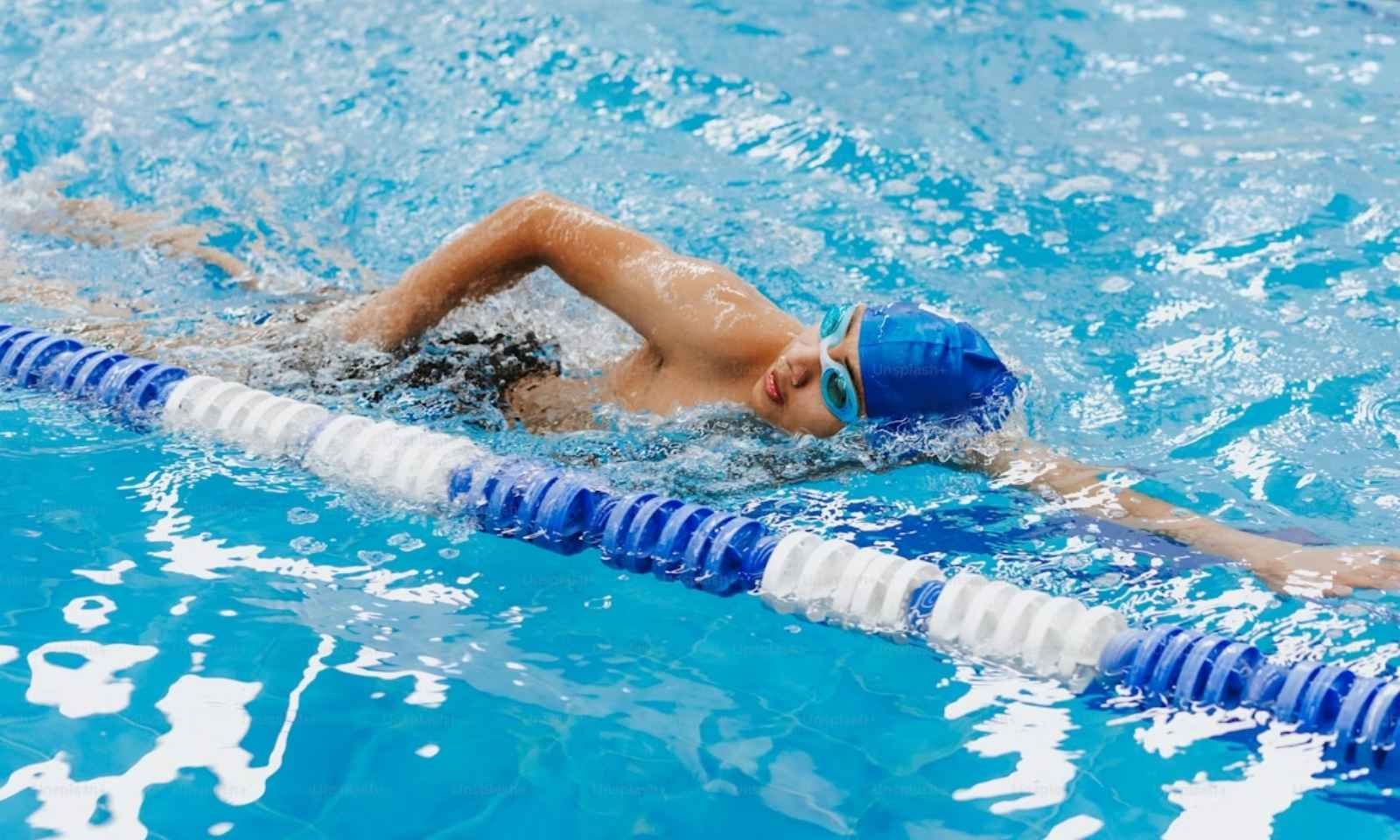
According to Drowning Prevention Auckland, Pacific communities are disproportionately represented in local statistics, with Pacific people making up 13 per cent of Auckland drownings. Photo/Unsplash
The app reminds families that lifeguards are an additional safety layer, not a replacement for close supervision. Keen-Biggelaar advises parents to leave their phones in the car during pool visits to ensure their full attention is on the children.
The "official holiday period" starts at 4pm on Christmas Eve (Wednesday 24 December) and ends at 6am on Monday 5 January. During the 2024 summer holiday period, four drownings occurred.
For more information on summer water safety and high-risk locations, visit watersafetynz.org
Water Safety New Zealand urges all New Zealanders to:
· Wear a lifejacket in every craft, in every place. Always wear a lifejacket when fishing from rocks
· Never dive alone so someone is there to respond when the unexpected happens
· Keep a close eye on young children near all types of water, including inflatable and temporary pools. A designated adult needs to be with every individual child around water
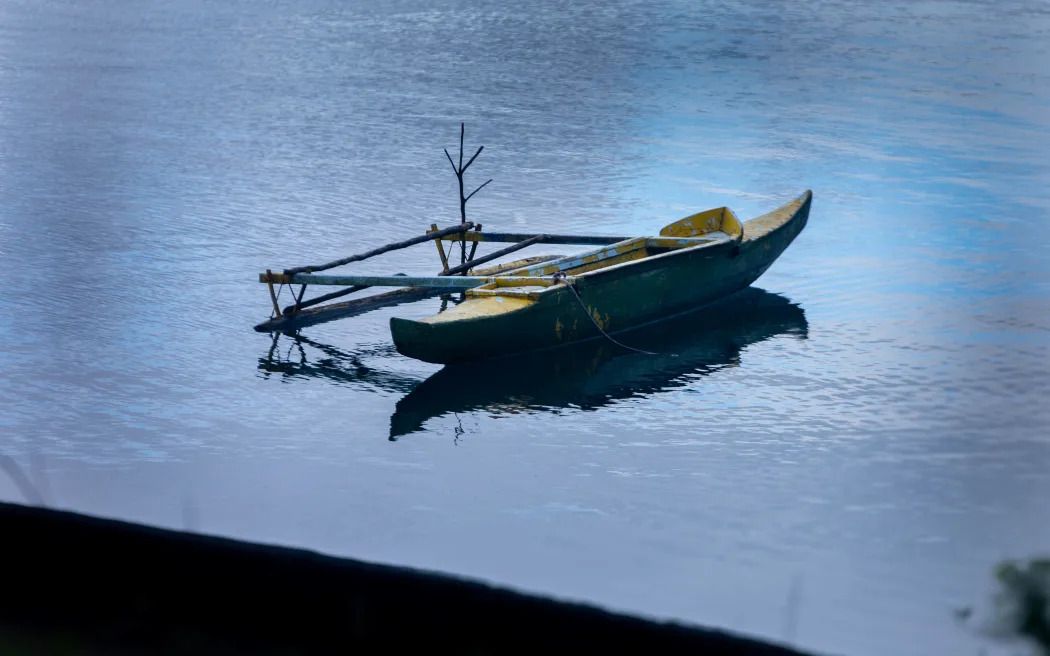
Water safety groups are reminding people to wear lifejackets and understand conditions before heading out this summer. Photo/Supplied
· Be aware of known blackspots and local conditions. In Auckland, 39 per cent of drownings occur at recognised high-risk locations, particularly the West Coast beaches
· Recognise that many drownings happen unexpectedly - slips, falls, and simply being near water can be fatal, even when entering the water was never intended. If you have been drinking alcohol, don’t walk home near water. Look out for your friends, make sure they get home (or back to the tent!) safely
· Avoid swimming at beaches when lifeguards are not on patrol
If the flags aren’t up and you’re unfamiliar with the conditions, please stay out of the water
· Do not swim alone
Always swim between the red and yellow flags
· Understand your own abilities
Look after one another and respect the conditions.