
Petrol prices could climb above $3 in NZ amid Mideast tensions
Andre Fa'aosoFri, 24 Jul
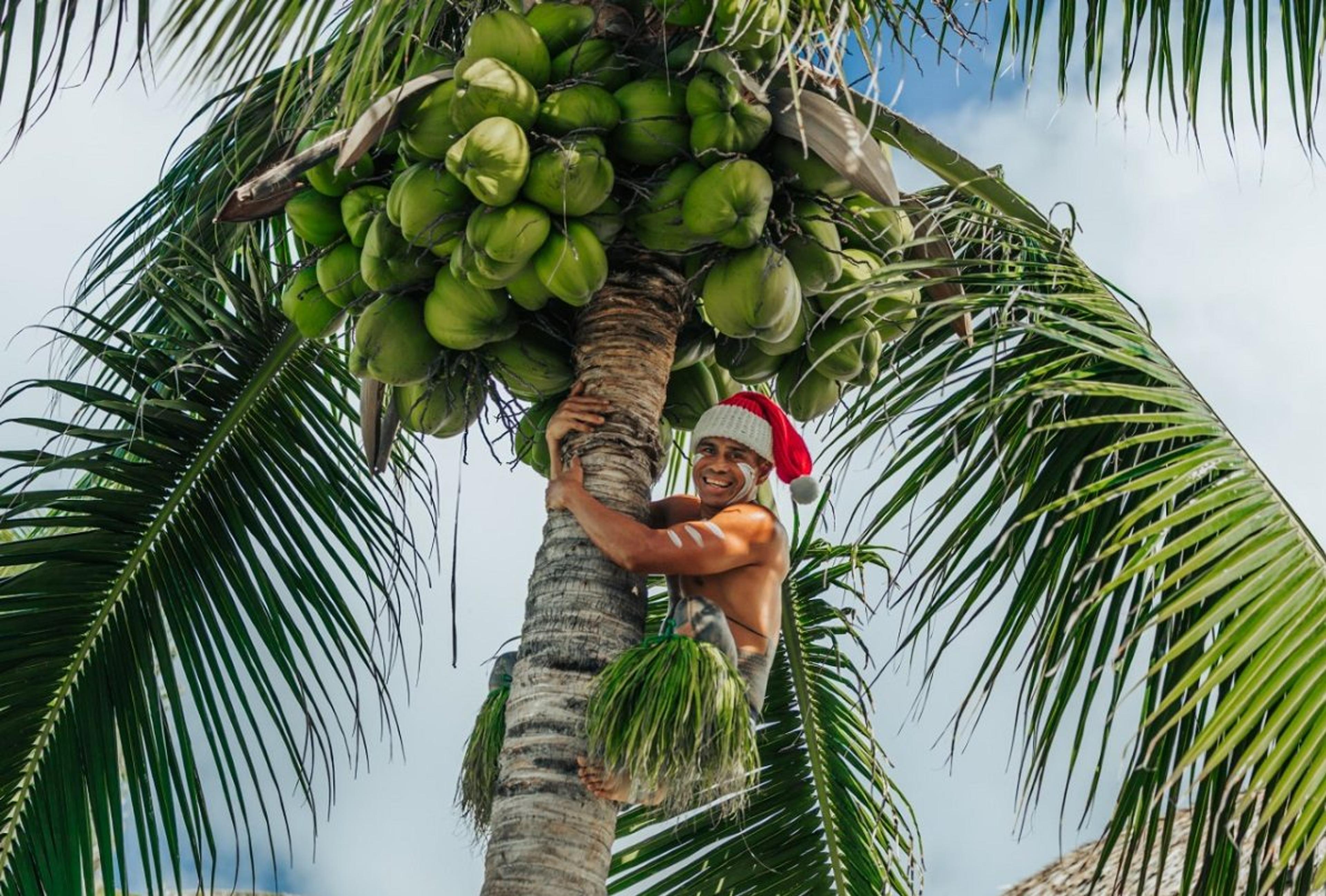
Pacific communities are adjusting holiday celebrations to cope with rising summer temperatures, balancing tradition with safety.
Photo/Polynesia Cultural Center/Creasepaul
From festive feasts to family gatherings, Pacific communities are adapting their holiday traditions to cope with soaring summer temperatures.



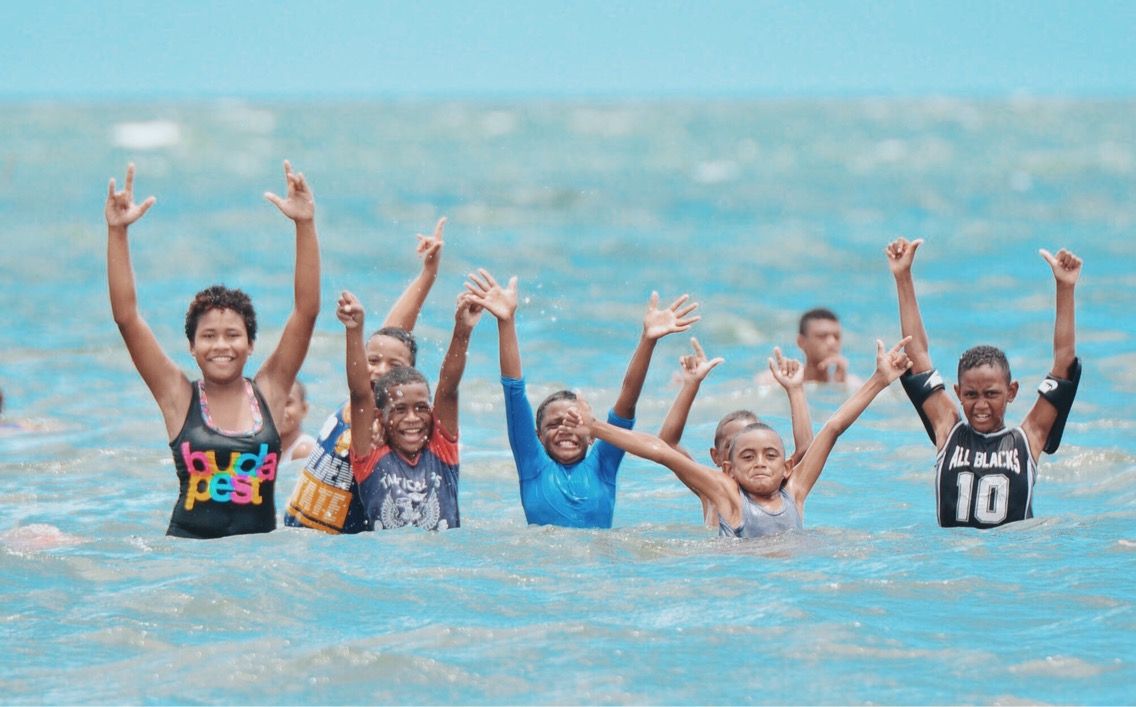
Summer is officially underway. This year's calendar has something for everyone - from sports, art, music, faith, and food to families and friends enjoying a fun day out and creating lasting memories.
Across the Pacific, summers have always meant family, festivals, and festive spirit. But for many, this season now comes with a dangerous guest: extreme heat.
As communities gather for Christmas, holidays, and end-of-year breaks, rising temperatures are forcing serious changes to the way islanders celebrate, work, and play.
According to the World Meteorological Organization (WMO), the South-West Pacific has warmed at twice the global average, with sea-surface temperatures and heatwaves reaching unprecedented highs.
The United Nations children's fund, UNICEF, warns that more than 243 million children across the Pacific and East Asia are now exposed to more frequent, more dangerous heatwaves, and risks that peak during December and January.
At a recent symposium hosted by Te Poutoko Ora a Kiwa, Centre for Pacific and Global Health, director Dr Roannie Ng Shiu says the heat is a “silent killer” for Pacific communities.
Rising summer heat is reshaping daily life in the Pacific, from festive gatherings to essential chores and travel. Photo/Polynesia Cultural Center
“Pacific people are resilient. We’ve been adapting for years, but our adaptation measures can’t keep up with the rate at which the climate is changing,” she says.
Traditionally, the festive season brings long family gatherings, church services, fishing trips, feasts, and outdoor games.
But this year, many islands are shifting celebrations to earlier in the day or cooler evenings. Holiday feasts still happen but often before midday heat peaks.
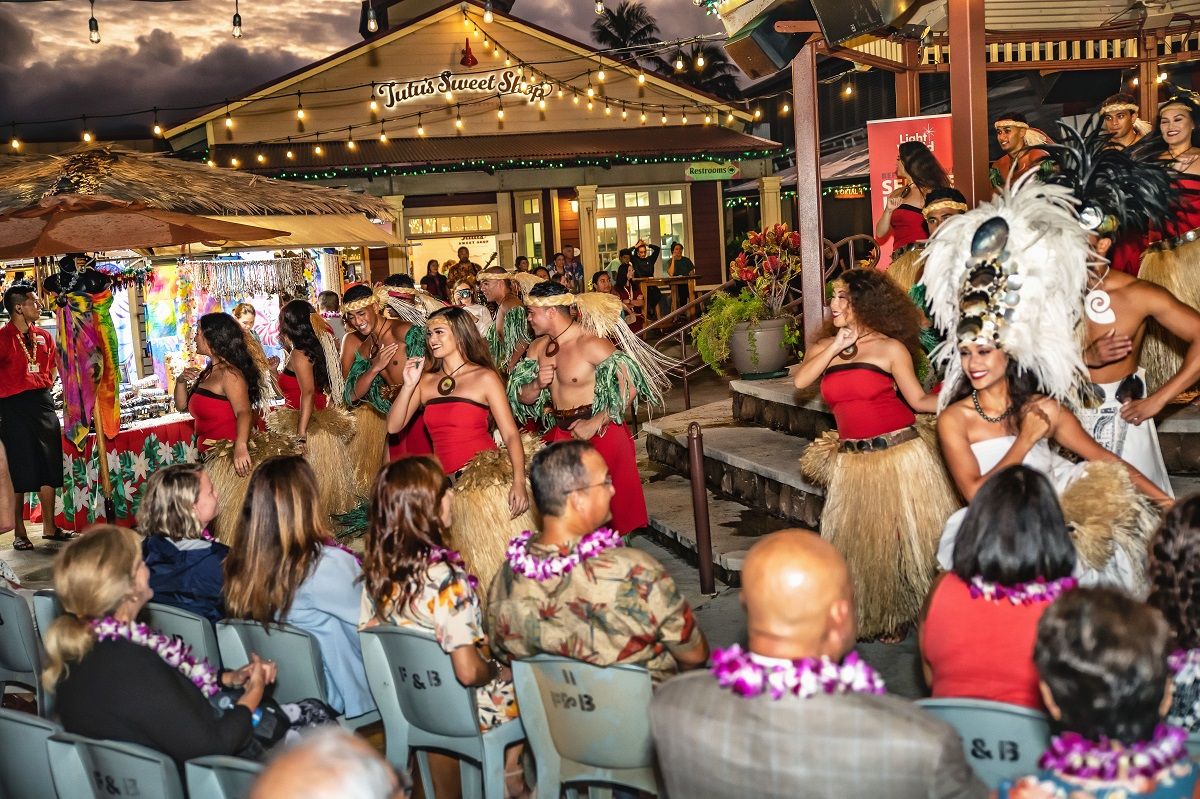
Communities are creating shaded spaces, hosting events in the evenings, and providing water to help families stay safe during extreme summer temperatures. Photo/Polynesia Cultural Center
In some communities, churches and village halls double as informal cooling centres. Fans, shade, and clean water are no longer luxuries, they are critical for keeping children, elders, and outdoor workers safe.
Regional health authorities warn that hotter, wetter weather also increases the risk of mosquito-borne diseases like dengue.
For young islanders, climate change threatens not only comfort, but culture and livelihoods.
Mikaele Finau, a Fijian youth advocate, recently told a regional climate forum. He says some impacts can’t be measured in dollars.
"If climate change continues to affect agriculture and the many families who rely on it for their survival, it would be devastating. Losing our culture and our traditional practices also means losing our identity.”
Finau’s words remind Pacific communities that summer isn’t just about hot weather, it’s about preserving traditions, planning safe celebrations, and protecting the people and practices that define the islands.
Across the Pacific, local adaptation is underway. Villages are improving water access, installing solar-powered fans, creating shaded communal areas, and adjusting holiday schedules to reduce heat exposure.
Farmers, fishermen, and families are learning to time their activities around the cooler parts of the day, and health services are preparing for seasonal spikes in heat-related illnesses.
But experts stress that adaptation alone isn’t enough. Ng Shiu warns that rising temperatures will continue to challenge island communities unless global emissions are reduced.
So, this summer, as the sun beats down on sandy beaches and palm-lined streets, the islands are learning that celebrating Christmas in the Pacific now means balancing tradition with resilience and making space for joy even in the new, hotter reality.
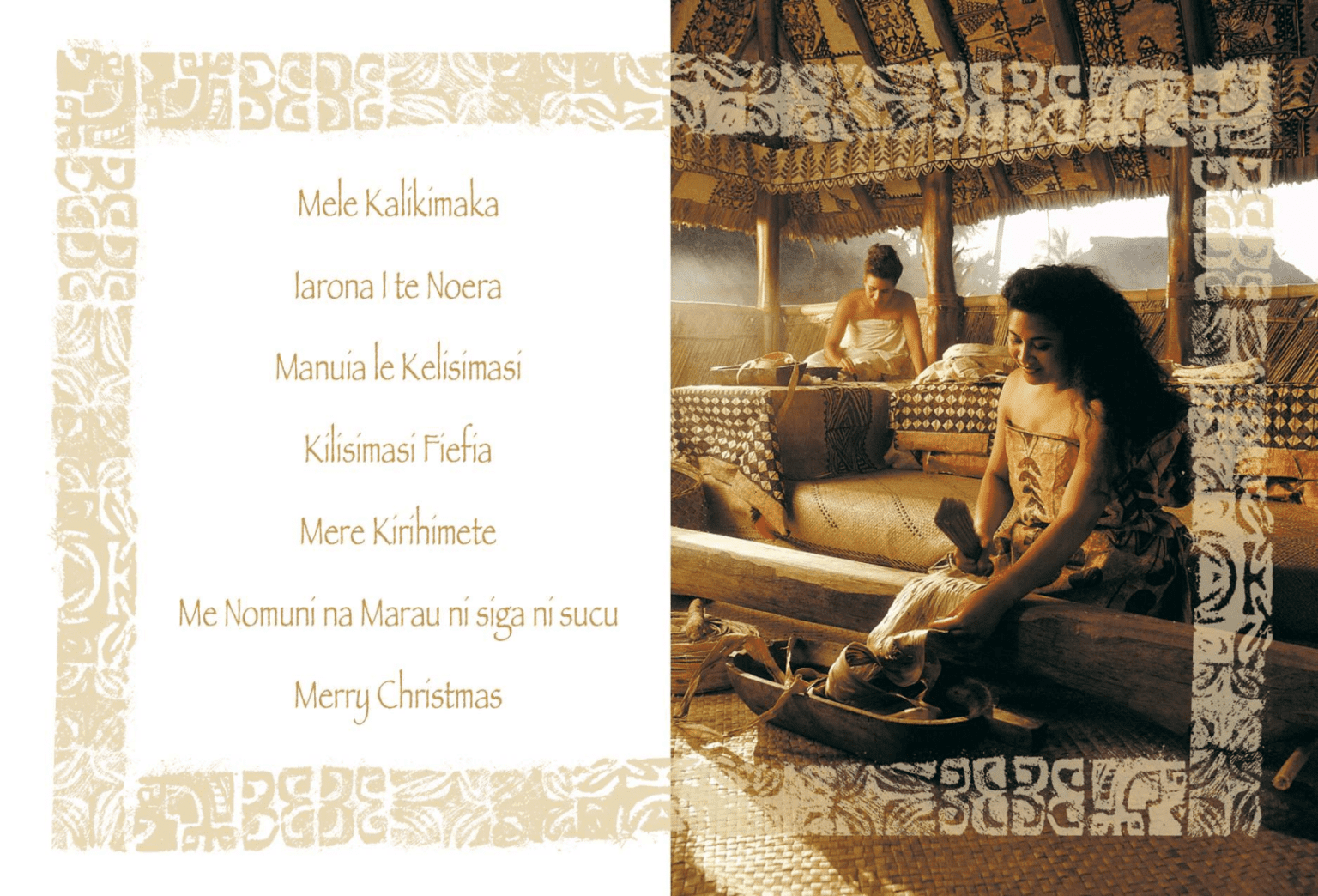
Whether we say “Merry Christmas” in Hawaiian, Tahitian, Sāmoan, Tongan, Maori, or Fijian, it still means best wishes to you and your family this holiday season. Photo/Polynesia Cultural Center