High blood pressure a silent killer, Solomon Islands calls for stronger action
Lachlan EddieFri, 23 Oct
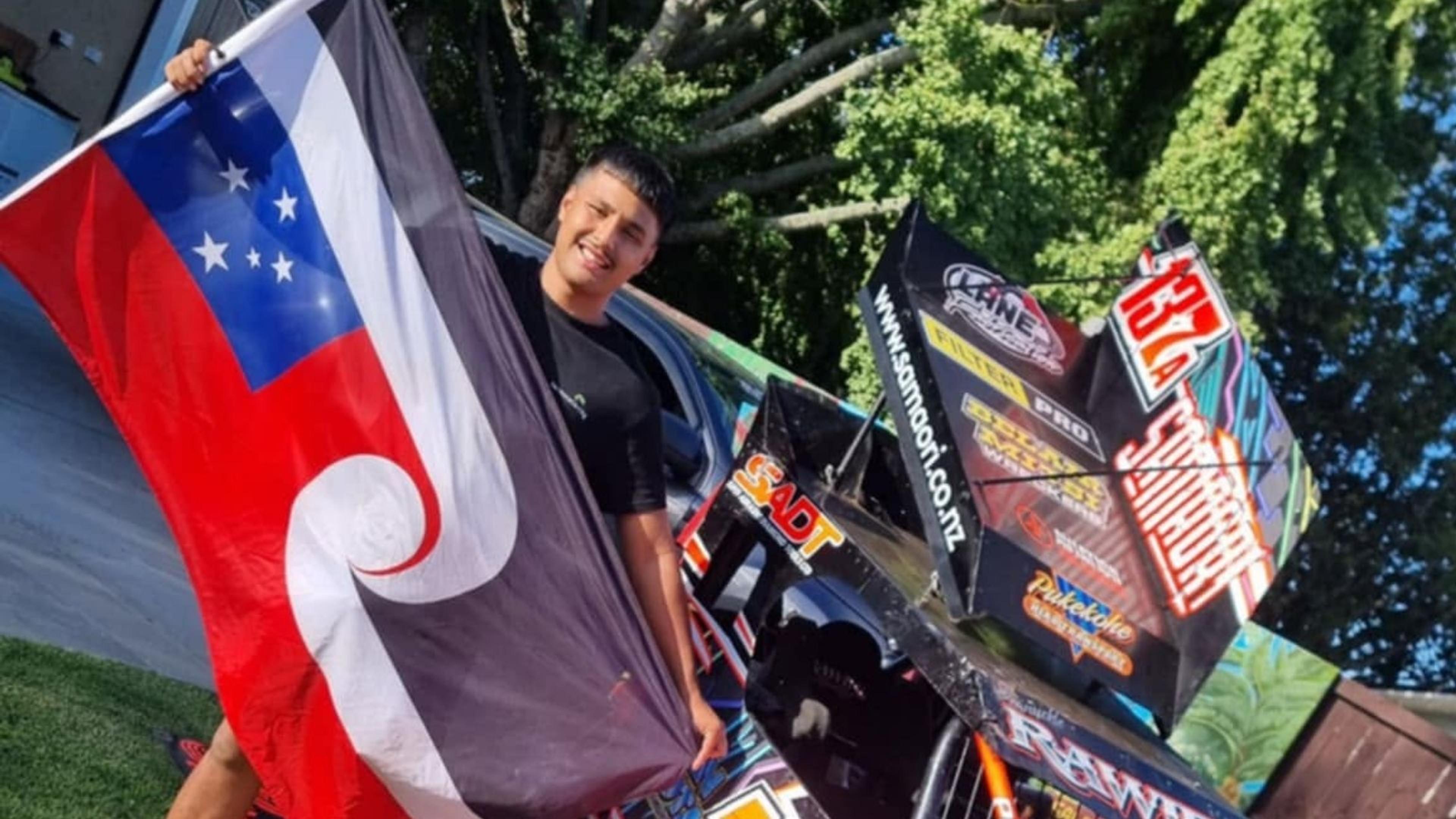
Young Māori-Samoan stock car racer Richael ‘Peanuckle’ Rawiri is chasing a New Zealand title as he steps into the adult ranks of speedway racing.
Photo/Facebook/Rawiri Racing
Richael Rawiri has already won back-to-back Auckland titles. Now he faces his biggest challenge: finding the money to take on New Zealand’s best.


Speedway racing is a family affair for Richael ‘Peanuckle’ Rawiri. But getting to the track has meant working from a young age to help pay for the dream.
The young Māori-Samoan stock car racer has already won back-to-back Auckland championships as a teenager and is now stepping into the adult ranks where the costs and competition are even tougher.
His love for the sport started long before he was old enough to race.
“My dad raced 20 years ago," he told Tuilagi William Leolahi on Pacific Huddle. "I never got to see him race with my uncle and my papa. And yeah, I've just really been brought into it ever since I was little.”
Rawiri grew up going to Palmerston North Team Champs and spending his summers around speedway. But racing has never been cheap.
By the age of 12, he was taking on part-time jobs to help cover the cost of getting on track. “I had a lot of part time jobs when I was only 12. And I just worked hard. I rode my bike on the motorway every morning just to get to work.”
Watch Richael ‘Peanuckle’ Rawiri's full interview below.
He put what he earned back into his racing, helping pay for gloves, licences and other costs while trying to ease the pressure on his parents.
“I just put all my money into my racing, to just to help my parents as much as I could to buy gloves, licences.”
Rawiri's experience reflects the reality of trying to make it in a sport where money, mechanical problems and travel can quickly become barriers.
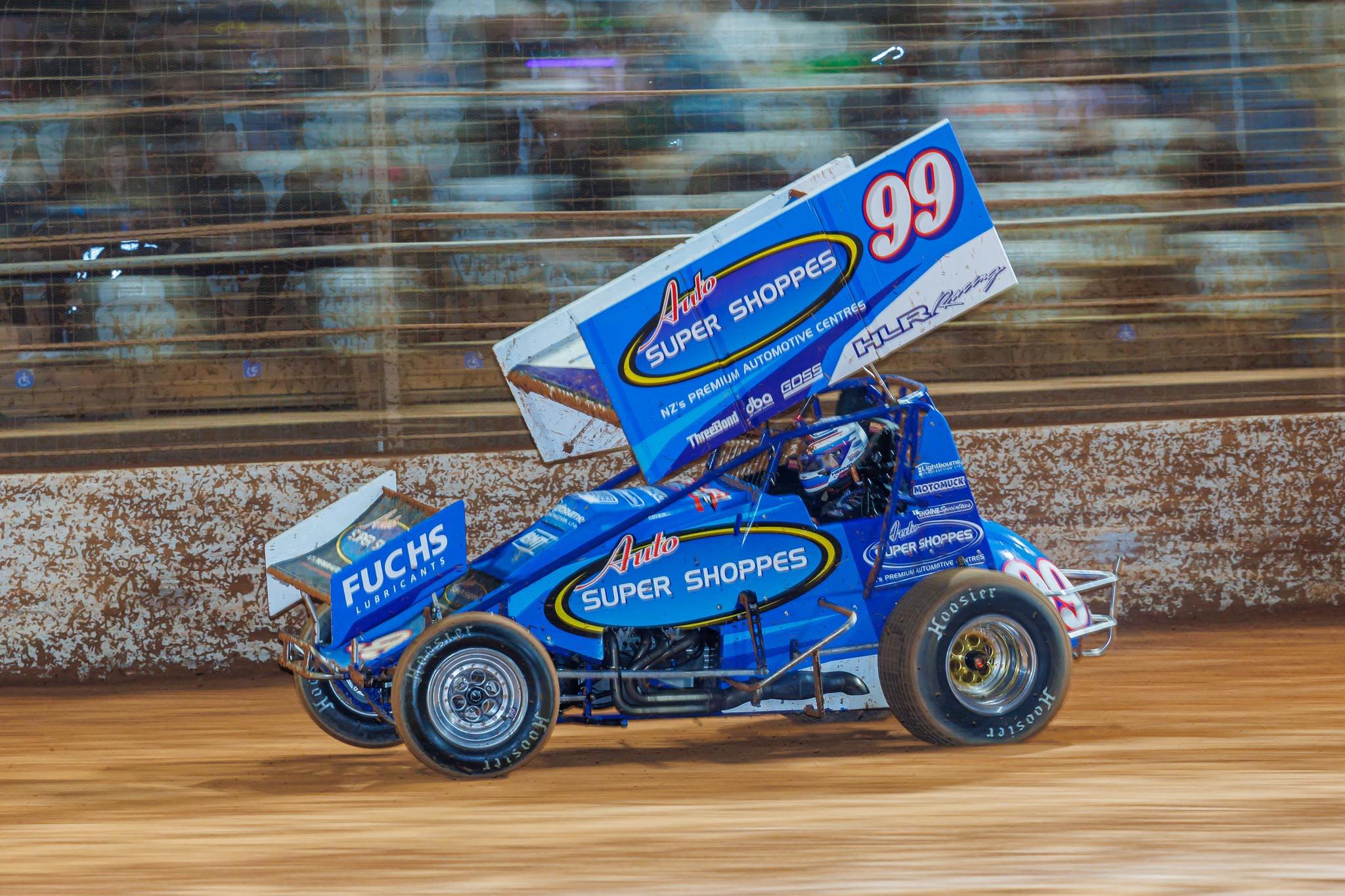
Stock car drivers face the cost, travel and competition that come with chasing national honours. Photo/Facebook/Christian Hermansen Motorsport
Speedway driver Christian Hermansen, who races for HLR Racing, says resilience is a big part of making it in the sport.
“You do have to be incredibly resilient plus you know there’s mechanical failures," Hermansen earlier told Pacific Huddle.
"There’s the crashes and you get rainouts and all that sort of thing. Probably the other one that sticks out for me from that list is kind of the family or the speedway whanau that you kind of develop over the years."
Now the stakes are higher. Rawiri says anyone wanting to become a New Zealand champion needs to travel around the country, compete on different tracks and have the right car and equipment.
In the stock car class, he says the national championship can attract more than 230 cars, with only a handful making it through to the main event.
“To be able to put yourself in a position like that, you'll need good car, good gear, and a lot of experience traveling around the country, versing the different competitors, and sort of getting out of your comfort zone.”
Watch Christian Hermansen's full interview below.
There is also the cost of fuel, accommodation, food and taking time away from work as well as having a team travel with him.
“It takes a lot to be able to be a top competitor in this sport.” But there is something bigger driving Rawiri than chasing trophies.
He has often been one of the few Māori and Pacific drivers at the track and makes a point of taking his culture with him. “I'm a proud Sāmoan-Māori. It's really special to be out there.”
He brings both Sāmoan and Māori flags to the track, something he says makes him stand out.
“I've brought my Sāmoan flags and my Māori flags to the track, like no one really brings their culture like that to the track.”
Rawiri's supporters have taken notice too. He says friends around the country have even carried Sāmoan flags at races to support him, despite not being Sāmoan themselves.
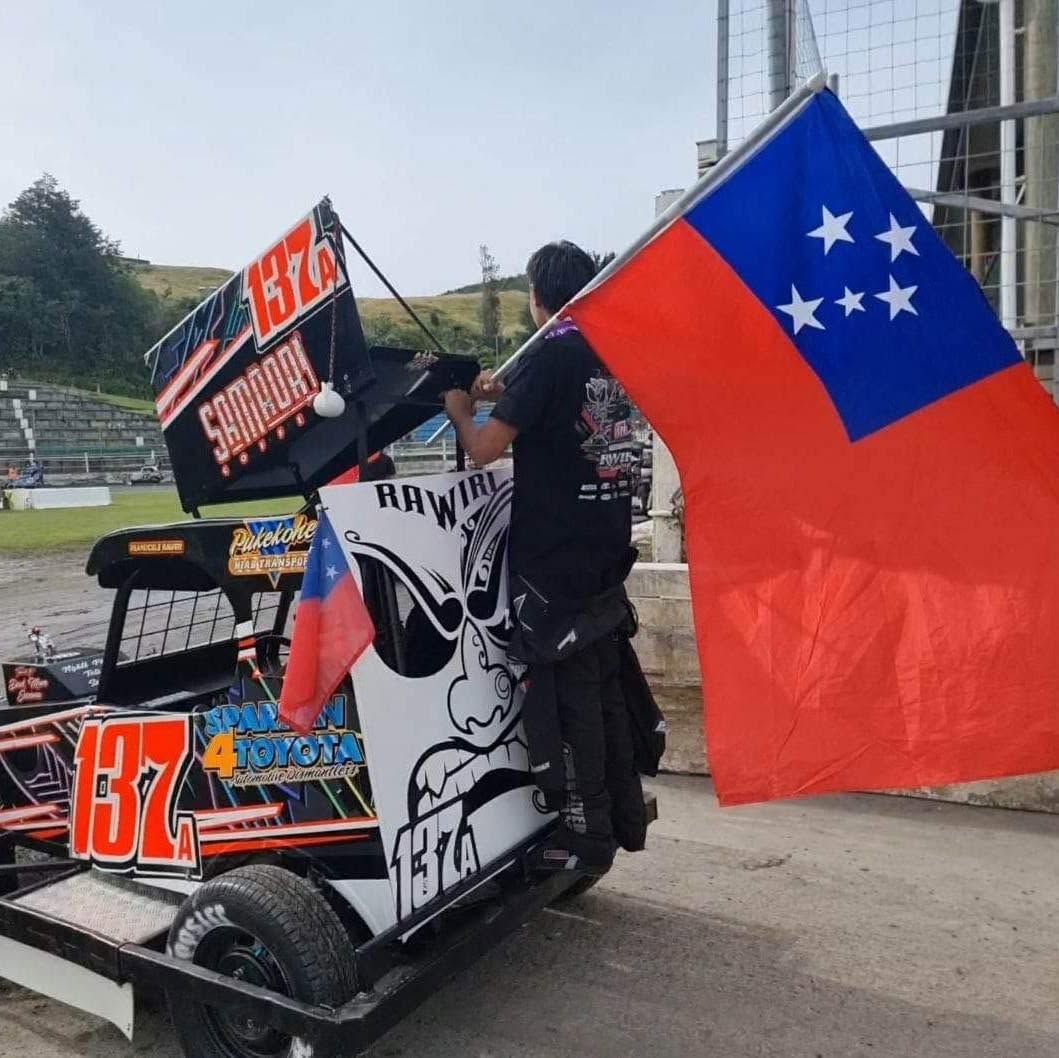
Richael ‘Peanuckle’ Rawiri proudly takes his Sāmoan and Māori flags to the speedway track, representing his culture as he competes around New Zealand. Photo/Facebook/Rawiri Racing
Hermansen says racers like Peanuckle is part of a growing group of young Māori and Pacific drivers coming through the sport.
“There are a few young Māori and Pacific people kind of coming through those grades,” Hermansen said.
Rawiri says racing is also about his wider family. His nana and family in Sāmoa tune in when he races away from home while his wider family turns out when he competes in Auckland.
“It's something we're all proud of,” he told Tuilagi. Now, he is looking for the support that could help him take the next step towards a national title.
Rawiri says sponsorship would help him travel, improve his equipment and compete against the best drivers across the country.
But his goal goes beyond racing. "I just love inspiring people, just being proud of who I am and where I'm from.”
Christian Hermansen winning the NSW title at Parramatta in October 2025. He says Pacific and Māori representation in Speedway remains limited but believes youth pathways are helping open doors for the next generation. Photo/Facebook/Christian Hermansen Motorsport
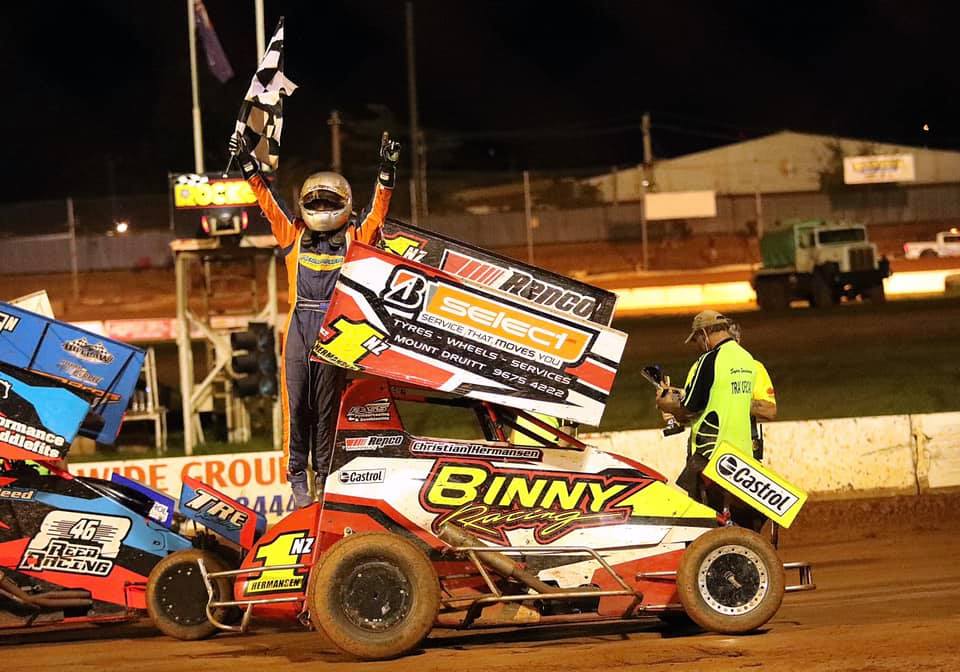
Christian Hermansen winning the NSW title at Parramatta in October 2025. He says Pacific and Māori representation in Speedway remains limited but believes youth pathways are helping open doors for the next generation. Photo/Facebook/Christian Hermansen Motorsport
Peanuckle is not alone in trying to open the door for more Pacific talent in motorsport. New Zealand-born Fijian driver Jaxon Evans became the first driver of Pacific heritage in the Supercars Championship and has spoken about wanting to inspire others to follow.
“Hopefully I can inspire at least one other person to shoot for their dreams and end up doing the same thing as me,” Evans told PMN News in 2024.
Rawiri wants to keep flying his flags and showing young Māori and Pacific people that they can belong on the big stage too.
“It's really just inspiring young people ... everyone and representing the Pacific Islander and Sāmoan and Māori people on the big stages.”
His message to other young people chasing a dream despite money or other barriers is simple.
“Well, anything is possible. You work hard and there's always bright at the end of the tunnel. Just have faith and just keep on doing what you're doing.”
Rawiri says the next race is about more than crossing the finish line.
It is another step towards showing how far a young Māori-Sāmoan racer can go when talent, family, hard work and opportunity come together.