Sāmoa demolish France in record-breaking 78-4 RL World Cup opener
Christine RovoiFri, 16 Oct
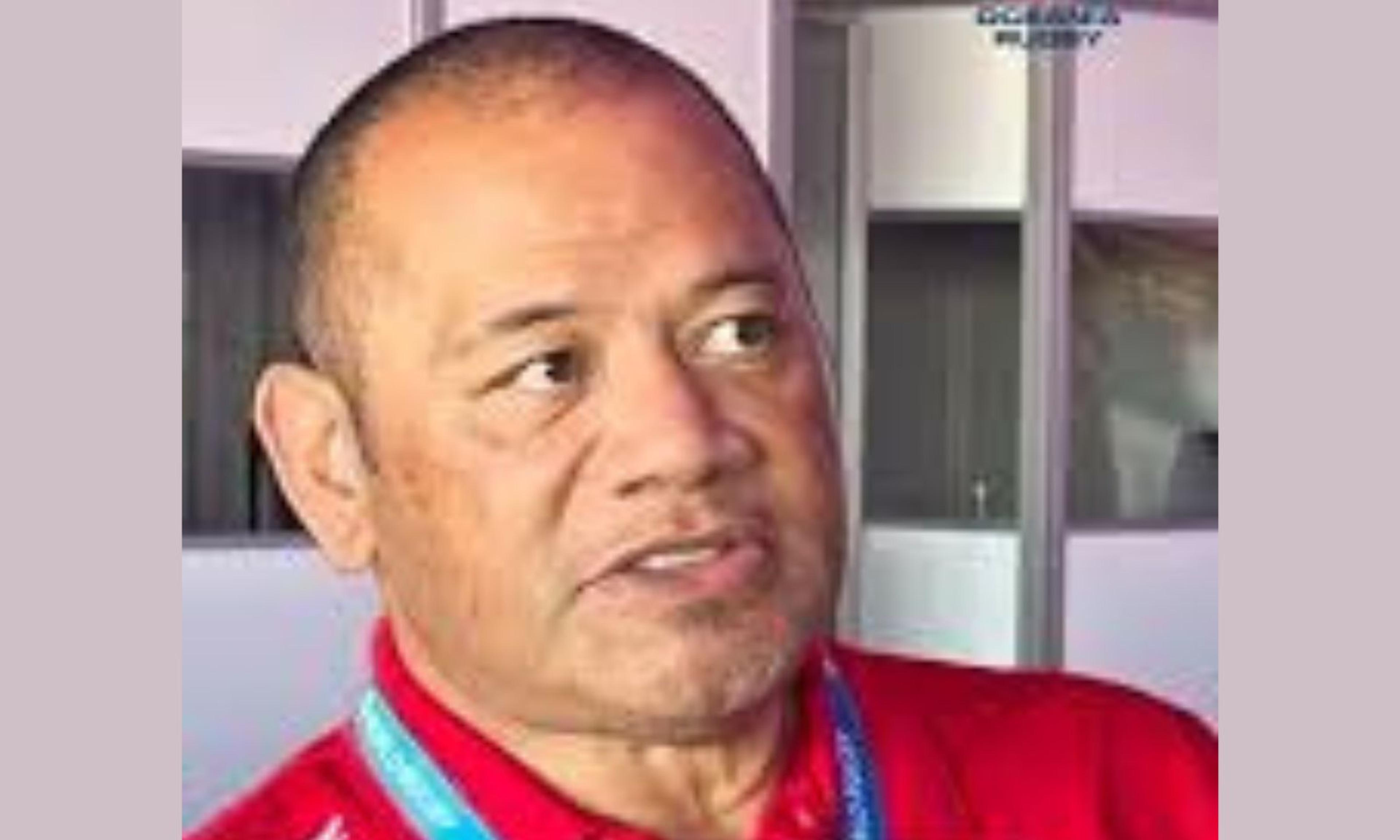
Tonga Rugby Union chief executive Aisea Aholelei says the partnership with Moana Pasifika “is not in perfect harmony” but remains important for player pathways and the kingdom’s rugby future.
Photo/Instagram
Aisea Aholelei says the cancellation of a Super Rugby match in Nuku'alofa highlights funding challenges, player pathways, and the realities of elite rugby in the Pacific.


The cancellation of a Super Rugby match in Tonga next month has reignited debate over funding, player pathways, and the sustainability of elite rugby events in the Pacific.
Tonga Rugby Union chief executive Aisea Aholelei says the partnership with Moana Pasifika, the Auckland-based Pacific franchise, is “not in perfect harmony,” though the relationship remains important for the kingdom’s players.
The planned clash between Moana Pasifika and the Chiefs at Teufaiva Stadium on 11 April was scrapped after financial backing could not be secured.
This is the second year in a row a high-profile fixture in Tonga has been cancelled.
Speaking to Tuilagi William Leolahi on Pacific Huddle, Aholelei said the situation reflected broader challenges in coordinating professional rugby events in smaller Pacific markets.
“I think the main thing is that we work as a partnership, and then we sort of work together on understanding what’s best for each organisation,” he said.
“We don’t have a perfect harmony in our relationship, that’s for sure, but we must understand what’s beneficial for each organisation to survive.”
Aholelei did not elaborate on specific areas of tension but suggested there are a few things “to iron out” in the administration and high-performance areas.
One key focus, he said, is ensuring that when Tongan players enter the Moana Pasifika system, they have a clear understanding of the pathway and expectations once they arrive.
Listen to Aisea Aholelei's full interview below.
The cancellation has landed heavily in Tonga, especially after last year’s scheduled game was also called off.
“The majority of the reaction online was just surprise. For the younger generation here in Tonga, they aspire to become players and see the players of Moana Pasifika play here in Tonga. That’s a big thing for them,” he said.
Hosting Super Rugby matches in Tonga, Aholelei acknowledged, requires significant sponsorship and logistical support.
“We don’t get many events here in Tonga, and when events like Super Rugby don’t come, everyone is disappointed,” he said.
“Everyone counts numbers first before they give out any money. It’s a reality we have to deal with.”
While there are no immediate plans to reschedule the fixture, Aholelei confirmed discussions are continuing around other potential events, including women’s rugby matches later in the year.
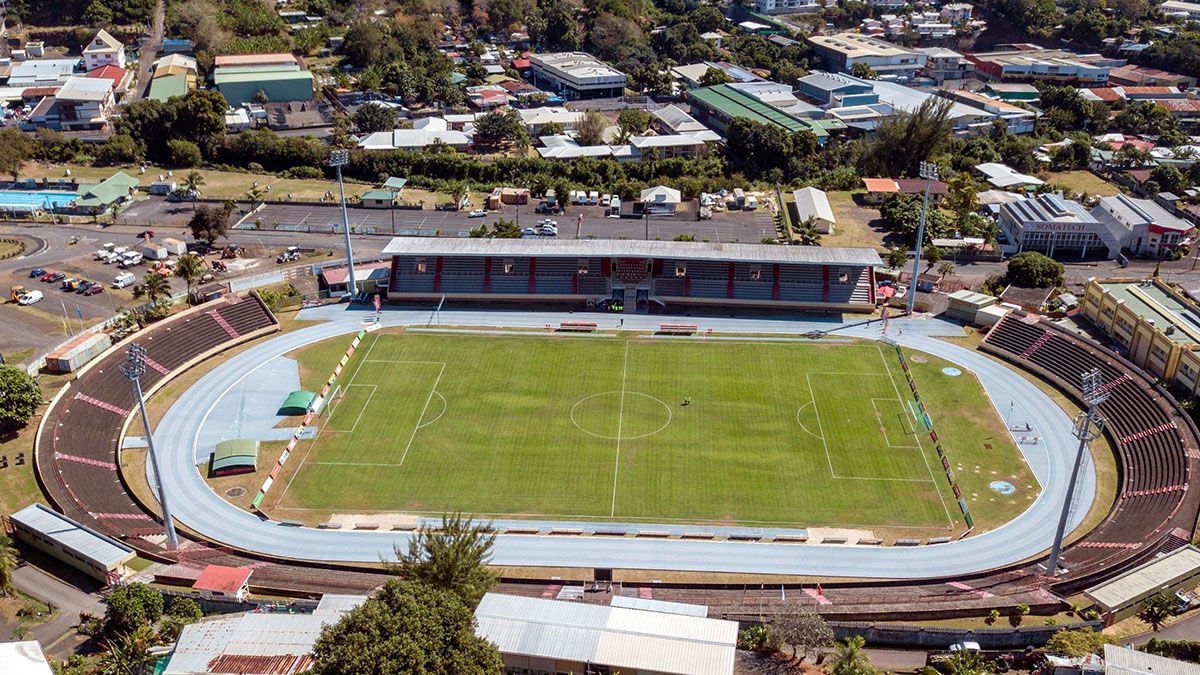
Teufaiva Stadium in Nuku'alofa was set to host Moana Pasifika against the Chiefs on 11 April but the fixture was cancelled due to funding challenges. Photo/austadiums.com
Moana Pasifika chief executive Debbie Sorensen said the franchise explored all options to keep the game in Tonga but could not secure the required funding.
She described the decision as “heartbreaking” for fans in the kingdom and reaffirmed the franchise’s commitment to bringing elite rugby to Tonga in the future.
The episode highlights the complex dynamics of developing professional rugby in the Pacific: balancing commercial realities, nurturing local talent, and providing opportunities for young players to see the game at the highest level on home soil.
For Aholelei, the message is clear: partnerships are vital, but they need alignment, transparency, and support if Tonga is to remain connected to the professional Pacific rugby pathway.