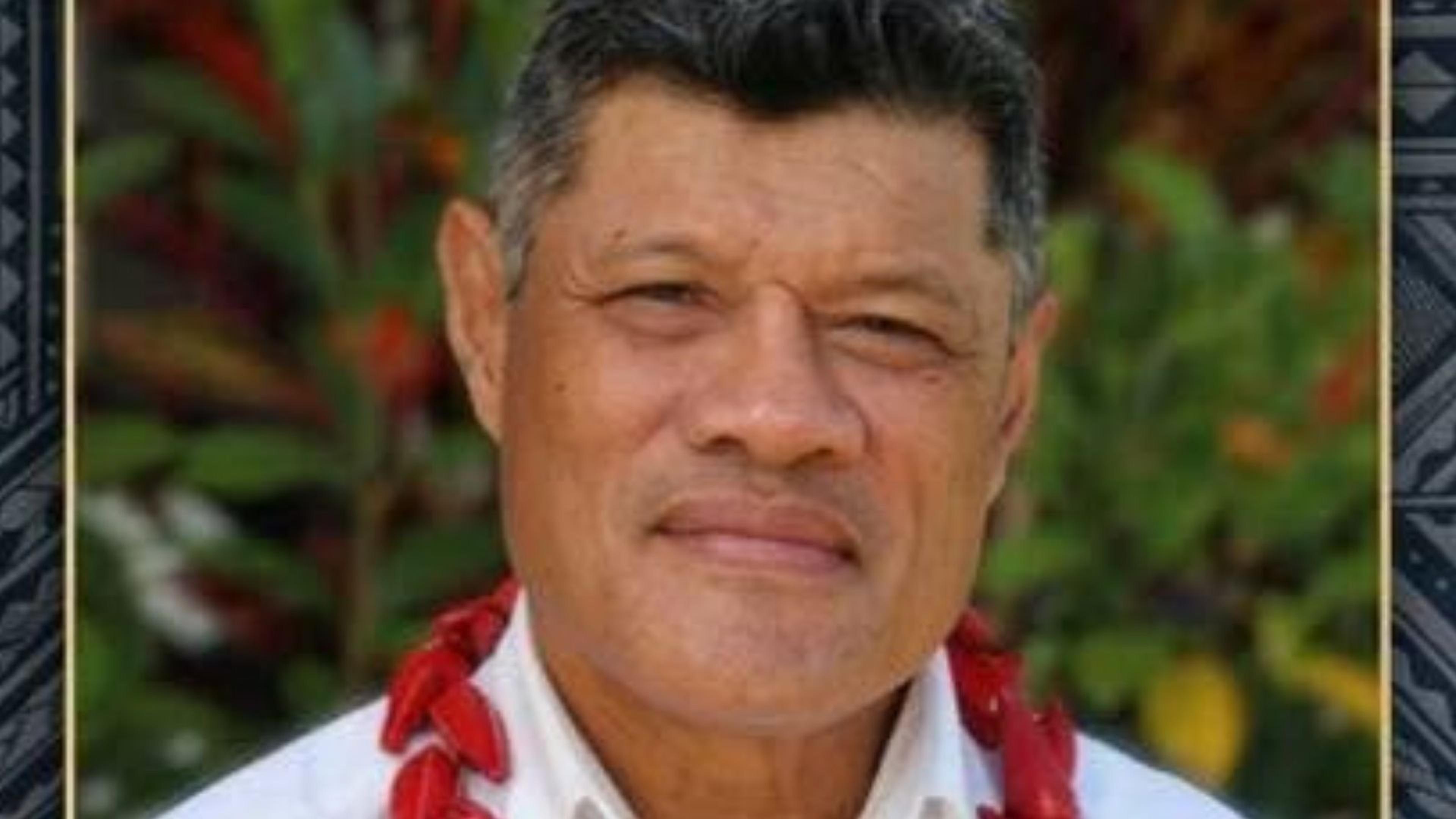
Sāmoa Association of Sports and National Olympic Committee chief executive Tuala Mathew Vaea says easier visa access and stronger partnerships could help Pacific athletes reach the highest level of international sport.
Photo/Facebook/Samoa Association of Sports and National Olympic Committee
Sports
Sāmoa sports chief calls for NZ to open doors for athletes
Tuala Mathew Vaea says New Zealand could help lift Pacific sports by making it easier for athletes to travel, train and compete across the region.

Christine Rovoi
Published
07 September 2026, 10:15am
Share
Copy Link
Top stories
PNG Chiefs win first round against New Zealand Rugby
Christine RovoiSat, 17 Oct
Pacific families must work four days to afford basic food: World Vision
Thomas Tarurongo WynneFri, 16 Oct
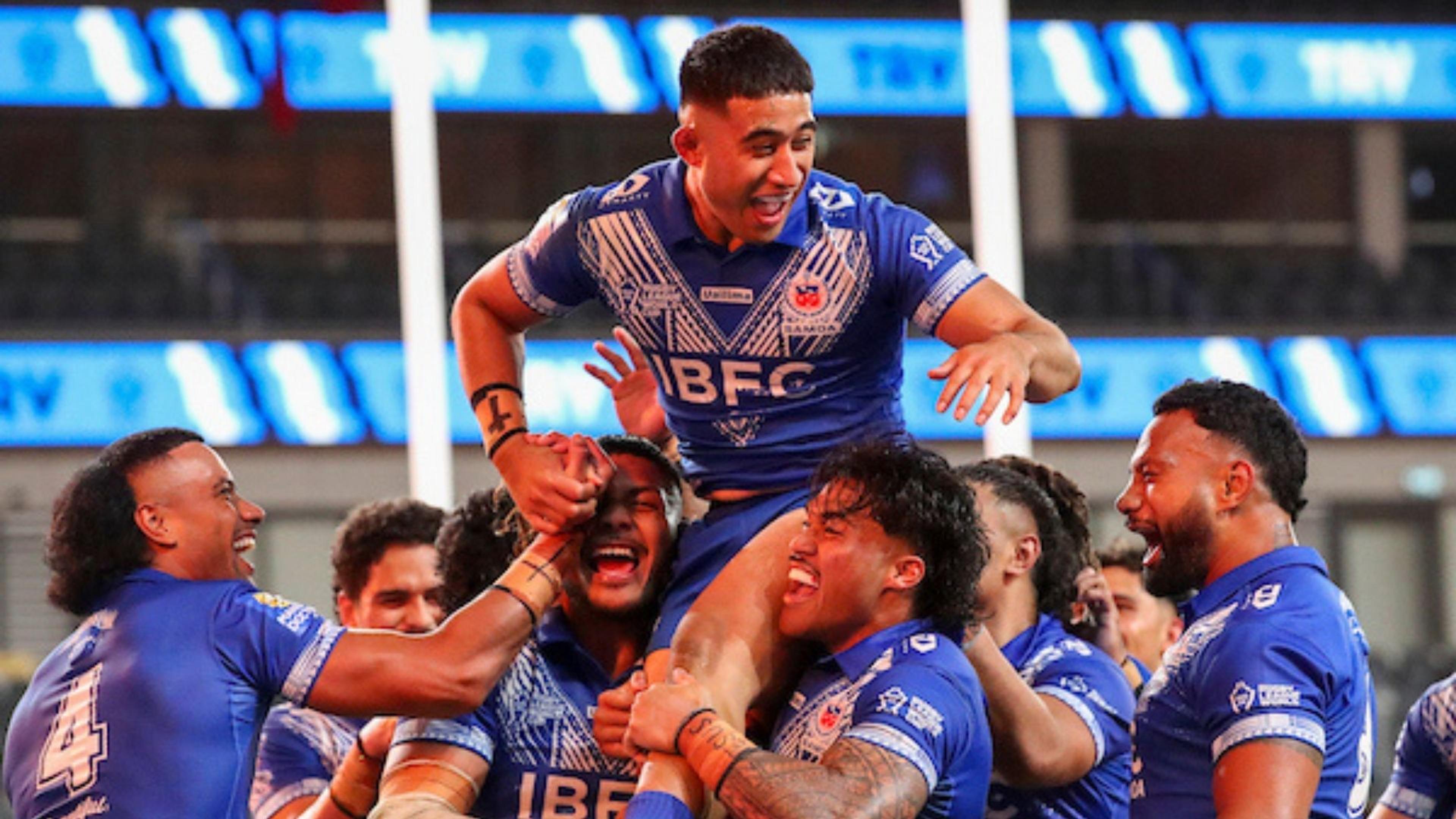
Sāmoa demolish France in record-breaking 78-4 RL World Cup opener
Christine RovoiFri, 16 Oct
Top stories
PNG Chiefs win first round against New Zealand Rugby
Christine RovoiSat, 17 Oct
Pacific families must work four days to afford basic food: World Vision
Thomas Tarurongo WynneFri, 16 Oct
Sāmoa demolish France in record-breaking 78-4 RL World Cup opener
Christine RovoiFri, 16 Oct
New Zealand does not necessarily need to match Australia dollar-for-dollar to make a bigger impact on Pacific sport but it could start by making it easier for athletes to get across the Tasman.
That is the view of Sāmoa’s top sports official after Australia announced a A$15.6 million (NZ$19.01 million) investment over four years to help athletes and officials from 14 Pacific countries access high-performance training and major international competitions.
Australian Prime Minister Anthony Albanese says the investment is aimed at helping the region’s sporting talent reach the next level.
“The Pacific is home to incredible sporting talent. This new partnership will contribute to producing the next generation of successful athletes,” Albanese said in a media release.
Tuala Mathew Vaea, chief executive of the Sāmoa Association of Sports and National Olympic Committee (SASNOC), says the country would welcome a similar long-term partnership with Aotearoa.
Tuala, who was in Fiji for the Oceania National Olympic Committee (ONOC) meeting, believes access could be just as important as money.
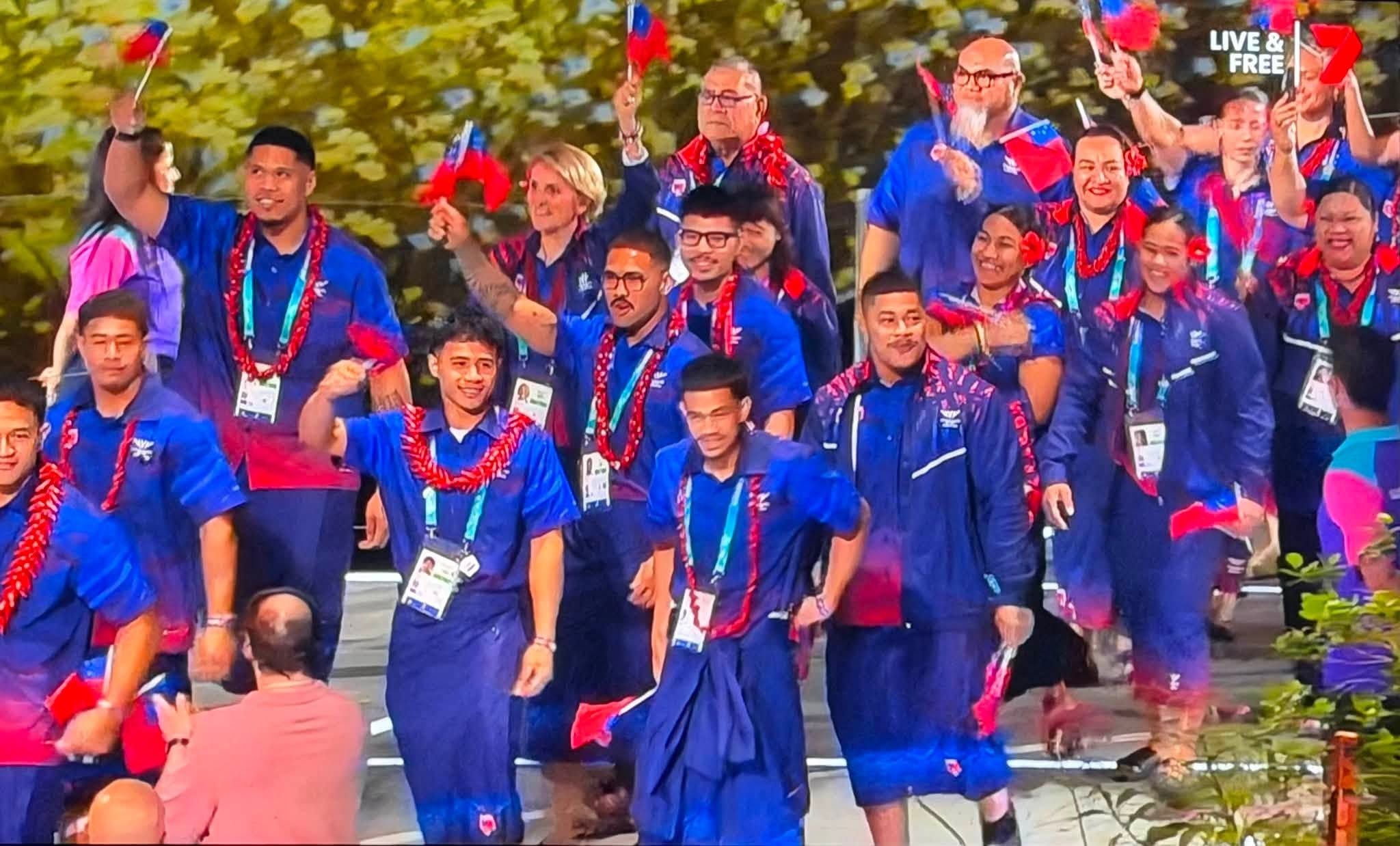
Team Sāmoa at the Glasgow Commonwealth Games: Australia is investing A$15.6 million over four years to help athletes and officials from Pacific countries access high-performance training and qualification opportunities ahead of major international events. Photo/7News/screengrab
“I actually thought about this question and I thought maybe not from a monetary level but maybe some sort of special visa exemptions to allow the back and forth of our athletes,” he told Tuilagi William Leolahi on Pacific Huddle.
He says athletes based in the islands need regular access to the resources and competition available in countries such as Aotearoa and Australia.
“It’s one thing to train in the Pacific Islands but it’s something else to have those strong partnerships with the coach, with your sports science, with your sports medicine,” he says.
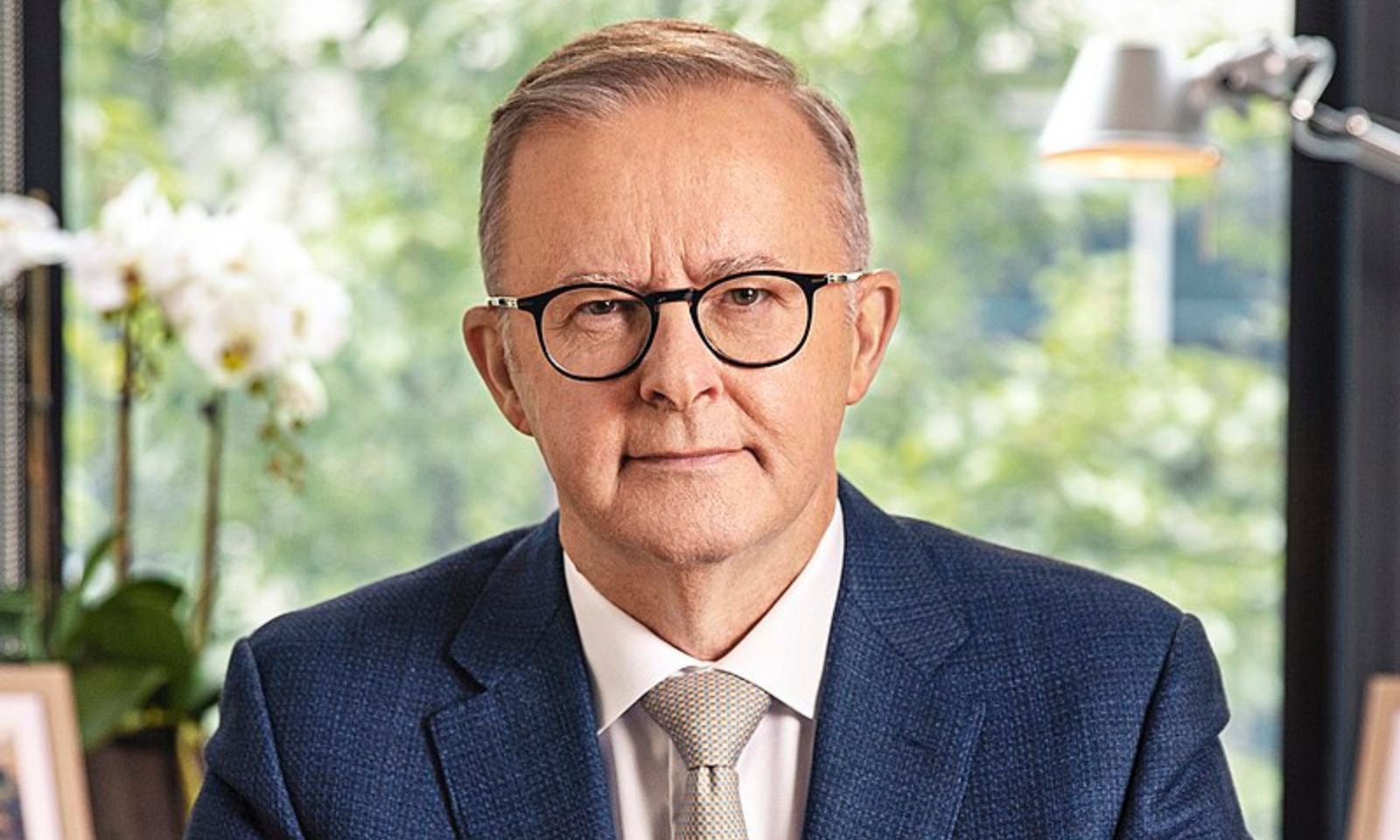
Australian Prime Minister Anthony Albanese announced A$15.6 million in new funding to support Pacific athletes and officials on their pathway to major international sporting events, including Brisbane 2032. Photo/Australian Labor Party/file
Australia’s new funding will support Pacific athletes and officials on the road to the Tahiti 2027 Pacific Games, Los Angeles 2028 Olympics and Paralympics, and the Rarotonga 2029 Pacific Mini Games.
Tuala says the timing is important for Sāmoa. The country has many of the sporting facilities built for the 2007 Pacific Games with upgrades continuing.
But he says Sāmoa's sporting systems still need to move up another level.
“We've had the facility, the sporting facility, Sāmoa is one of the most well setup Pacific Island nation, given the infrastructure that was set up in the Pacific Games 2007.
“But a lot of our sporting facilities and the systems also need that next level up.”
The next few years will bring a packed calendar, including the Tahiti Pacific Games in 2027, Los Angeles 2028, the Pacific Mini Games in Rarotonga in 2029, the 2030 Commonwealth Games in India and the 2031 Pacific Games in Tonga.
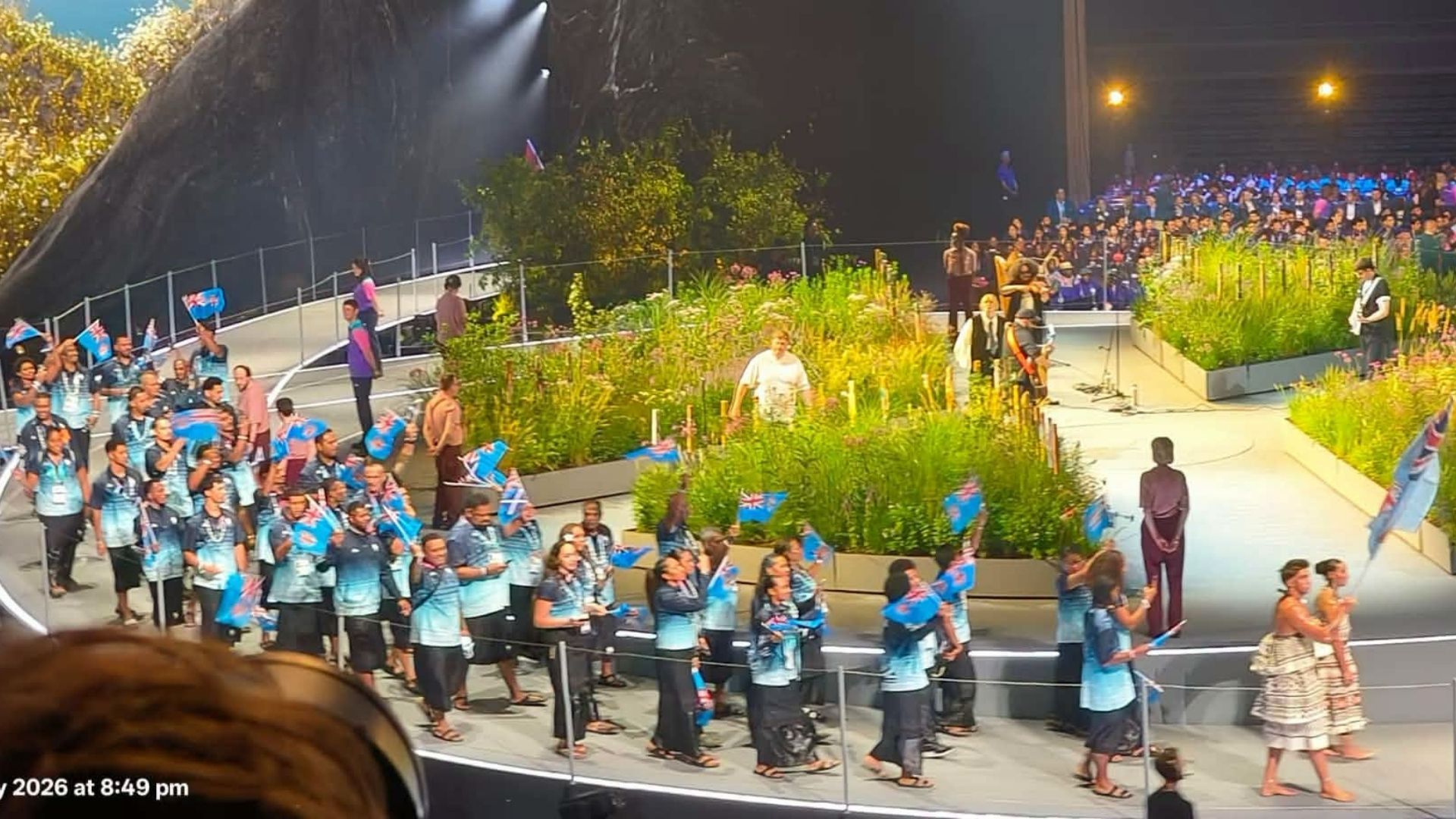
Pacific athletes competed alongside the world’s best at the 2026 Commonwealth Games in Glasgow, with Australia’s new funding aimed at strengthening pathways to future major sporting events. Photo/7News/screengrab
Tuala says athletes need more than somewhere to train if they are going to compete at that level.
“Access through immigration, easy access to that particular country,” he says, would give athletes, coaches and sporting leaders more confidence to plan their pathways.
Tuala believes New Zealand already has strong sporting links with Sāmoa through sports such as rugby and netball but says a wider regional approach could help more athletes.
Aotearoa already has a government Sport Diplomacy Strategy for 2025 to 2030, which lists strengthening the Pacific through sport as one of its four priorities.
The strategy includes plans to support Pacific communities, strengthen sporting leadership and build capability.
But New Zealand has not announced a funding package to match Australia's new four-year commitment to Pacific athletes.
Watch Tuala Mathew Vaea's full interview below.
“Our wish would be maybe a broader outlook to all our sports to have access and maybe a similar sort of support system that Australia, given this new initiative, has given,” Tuala told Tuilagi.
Tuala says long-term certainty is key. “Planning long term, knowing and having the confidence that there is secured support for four to six to eight years.
"That would be a very strong and welcome position for the Pacific, Sāmoa specifically.”
And the payoff could go well beyond medals, with stronger links in coaching, sports science, medicine, event management and other areas helping build the wider sporting system across the Pacific.