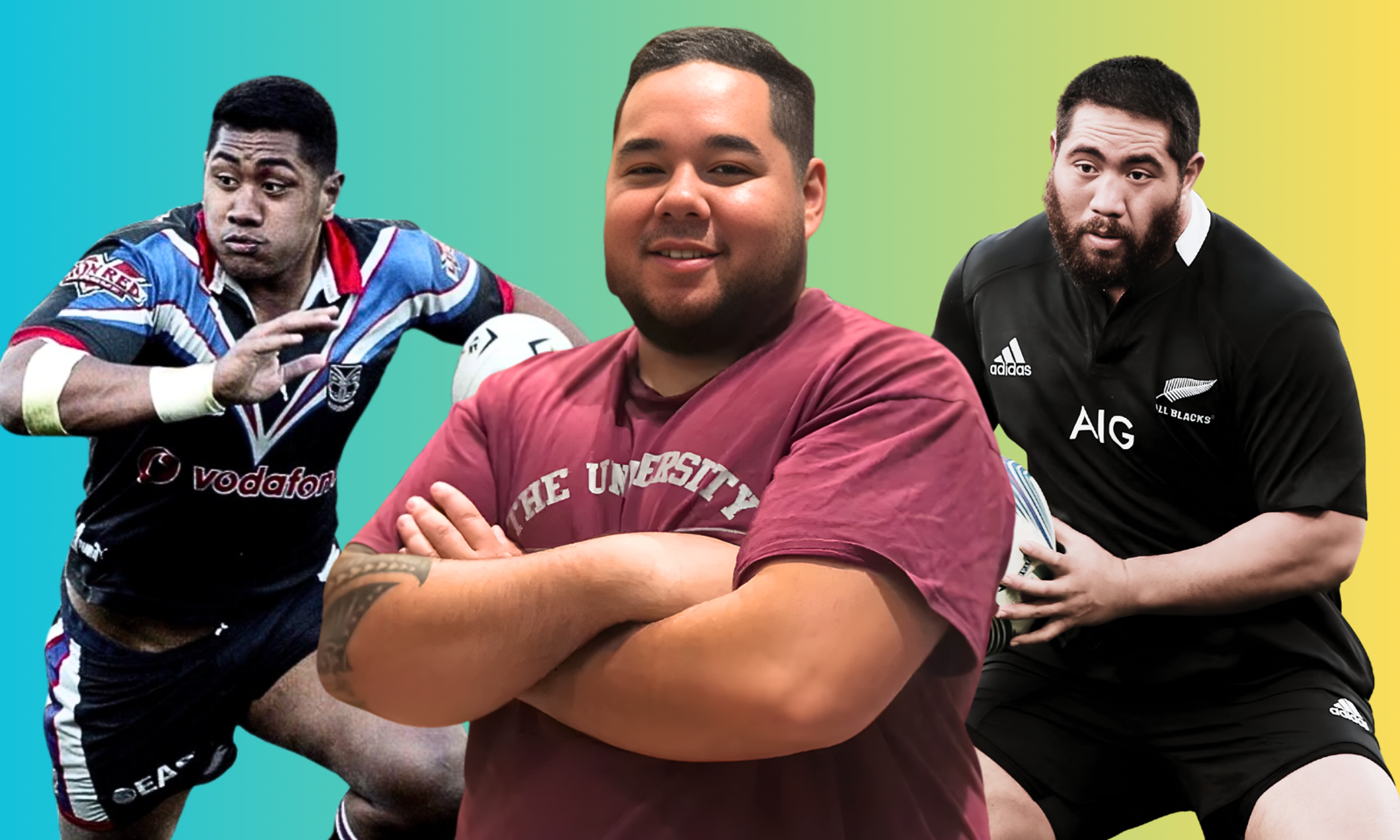
From left: former Kiwis international Ali Lauitiiti, Dr Caleb Marsters of Auckland University, and former All Black Charlie Faumuinā.
Photo/PMN Composite/Supplied
Sports
'Not just the athlete': Calls grow for better support for Pacific players in elite sport
An academic and former rugby stars say current systems overlook the cultural and family pressures many Pasifika athletes carry.

Tuilagi William Leolahi, Pacific Huddle
Published
25 March 2026, 11:36am
Share
Copy Link
Top stories
Learning te reo Māori leads Sāmoan mother back to her own roots
Atutahi Potaka-DewesFri, 18 Sep
Opinion: From the Apology Mat to the Welcome Mat, it's repairing the Vā
Thomas Tarurongo WynneFri, 18 Sep
Seven-year-old Fijian-Tongan star wins fourth world jiu-jitsu title
Aui'a Vaimaila Leatinu'uFri, 18 Sep
Top stories
Learning te reo Māori leads Sāmoan mother back to her own roots
Atutahi Potaka-DewesFri, 18 Sep
Opinion: From the Apology Mat to the Welcome Mat, it's repairing the Vā
Thomas Tarurongo WynneFri, 18 Sep
Seven-year-old Fijian-Tongan star wins fourth world jiu-jitsu title
Aui'a Vaimaila Leatinu'uFri, 18 Sep
Pacific athletes are often praised for their strength. But behind that image, many are carrying pressures that go far beyond the field.
There are growing calls for sporting organisations to rethink how they support Pasifika players amid concerns current high-performance systems do not fully reflect how wellbeing is understood in Pacific cultures.
Dr Caleb Marsters, a Pacific academic at the University of Auckland, says elite sport still focuses on the individual while many Pacific athletes operate within a wider network of family, faith, and community.
“It’s usually the social obligations, the family, the church, the community, all those pressures that weigh heavy on our athletes,” he told Pacific Huddle co-host Tuilagi William Leolahi.
Marsters says this disconnect can leave athletes managing complex expectations without the right support especially when success in sport is seen as a pathway to uplift entire families.
“For our boys in particular, well-being is not an individual thing, it’s family, spiritual, community,” he says.
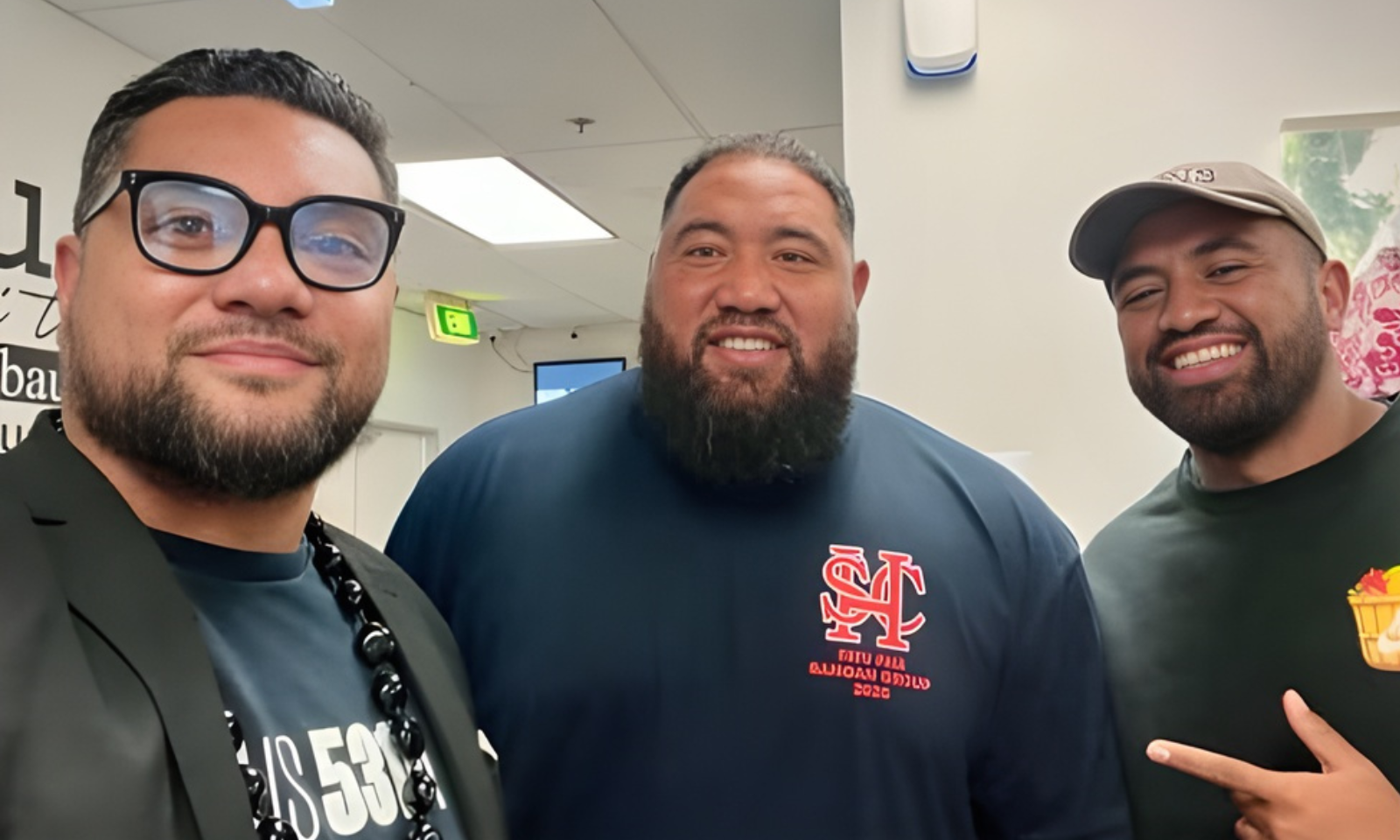
Pacific Huddle co-host Tuilagi William Leolahi, left, with former All Blacks star Charlie Faumuinā and AUT journalism student Cedric Tausinga at PMN studio. Photo/Tuilagi William Leolahi
That expectation is often described as the “golden ticket”, the belief that making it professionally can change the future of a whole aiga.
Marsters points to the Fonofale model, which frames wellbeing as holistic, grounded in family, culture, spirituality, and physical health.
At its centre is the vā, the space of relationships, something he says high-performance systems need to better understand.
Listen to Dr Caleb Marsters' full interview below.
Former All Black prop Charlie Faumuinā says those expectations have become more visible, especially among younger players.
“There’s probably a mindset now that if the kids make it, the whole family makes it,” he says.
Faummuinā, who played more than 50 tests for the All Blacks, says the reality of professional sport is far less certain, and not every athlete reaches a level where they can support extended family networks.
He says having strong support around systems was key during his career.
“It’s really important having a family around you that supports you and supports the journey,” he says.
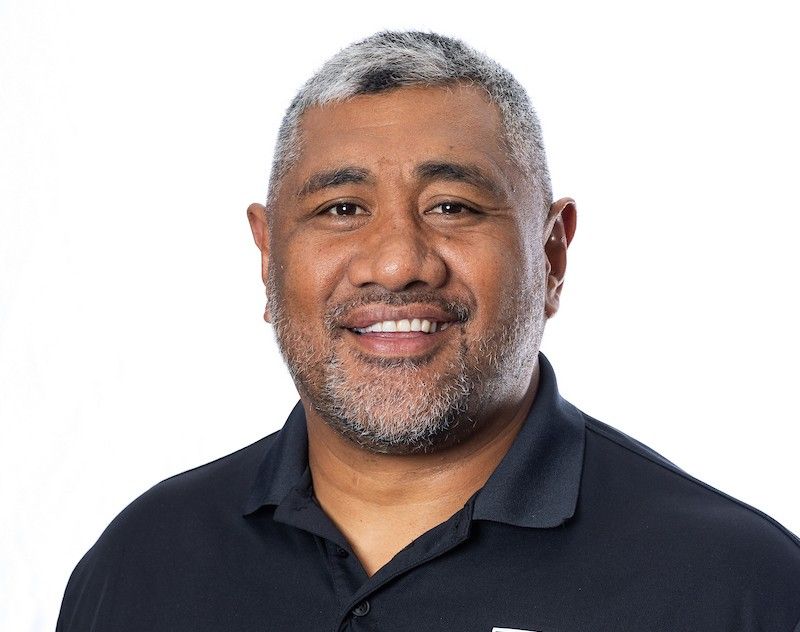
Former Kiwis international Ali Lauitiiti is the Warriors' chaplain, helping to grow the wellbeing of the team. Photo/Warriors
Maintaining identity beyond rugby sport was also critical. “That doesn’t define you, that’s just something you do,” he says.
Former Kiwis international and Warriors forward Ali Lauitiiti says the pressure to succeed is often tied to values of giving back.
“You always want to help and give back to your parents,” he says.
Lauitiiti says that motivation can be both positive and challenging, depending on family expectations.
“I think there is pressure but it depends on the family,” he says.
Listen to Ali Lauitiiti and Charlie Faumuinā's full interview below.
Lauitiiti says understanding identity and values is key to managing those pressures, both during a playing career and after retirement.
Marsters says while families and communities play a key role, the responsibility should not sit with them alone.
He is calling for greater investment in culturally informed support systems including Pacific leadership and frameworks that recognise the importance of relationships, faith, and collective wellbeing.
“High performance is very individually centred but for our athletes, it’s the relationships around them that also need tending to,” Marsters says.
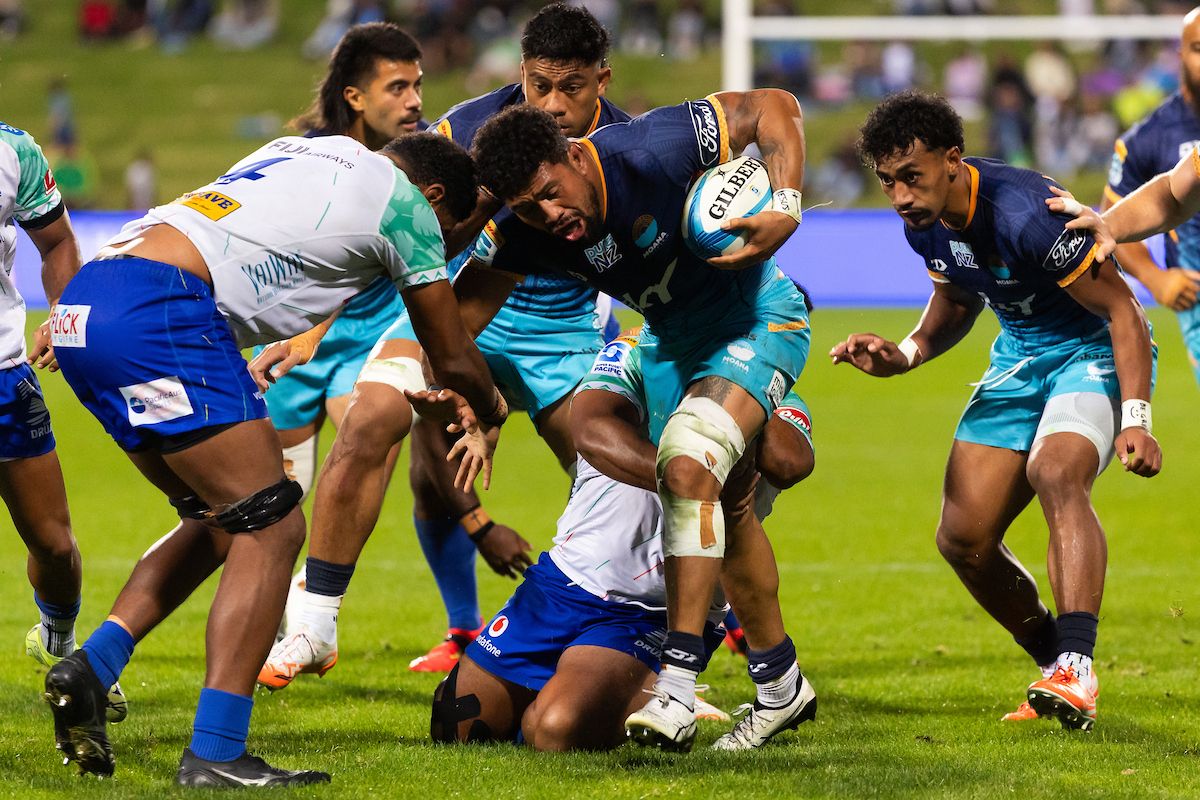
Dr Marsters says high-performance sports is largely individually focused, but for Pacific athletes, the relationship around them also needs attention. (Photo is of Moana Pasifika playing Fijian Drua in Auckland, April 2025). Photo/Photosports NZ/Brett Phibbs
He says a more holistic approach, one that supports athletes socially, spiritually and emotionally, would not only improve wellbeing, but also strengthen performance outcomes.
Some teams are already beginning to move in that direction, recognising that what happens off the field can directly impact what happens on it.
As Pacific representation in elite sport continues to grow, Marsters says the challenge now is ensuring the systems around athletes evolve alongside them rather than expecting athletes to adapt to systems that were never designed with them in mind.