Indigenous rangatahi create a song with the sound of 'Revolution'
Atutahi Potaka-DewesMon, 25 May
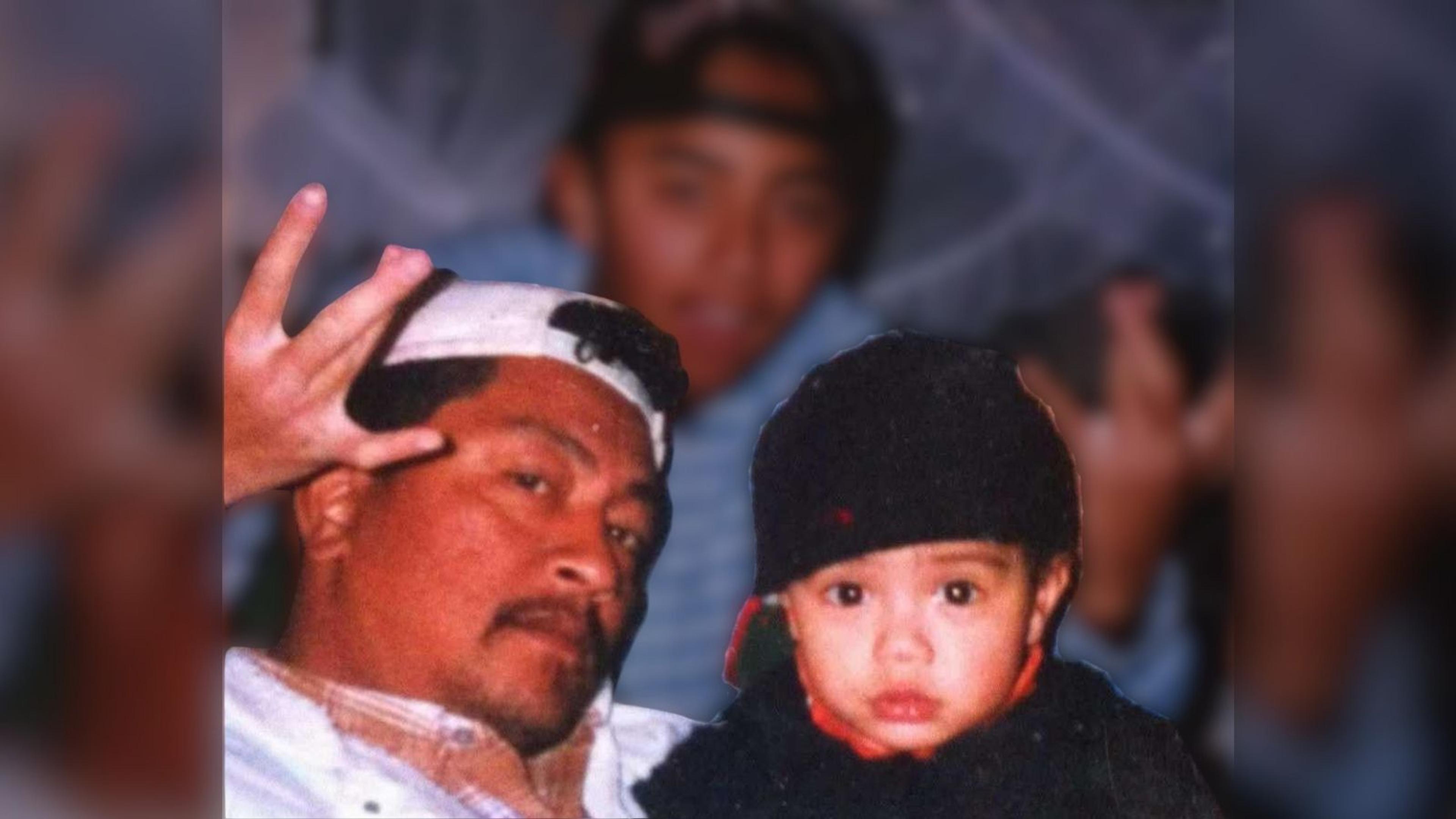
From left to right: Dad, my older brother and I.
Photo/Supplied
PMN journalist Aui’a Vaimaila Leatinu’u writes about growing up in fear, the impact of family violence, and the difficult choice to break the cycle.

Trigger warning: This article contains references to domestic violence, emotional abuse of a child, and threats of lethal violence. It also includes a medical emergency involving a toddler.
I learned what fear felt like when I was four years old. I had accidentally bumped the dinner table while Dad was eating.
I glanced over. He was glaring at me, gripping a steak knife.
This was different from being hit. I was scared he’d hurt me with it. I felt so small. I whispered “sorry”. He replied, “f*cking sit down”.
I learned to fear making mistakes around him. My family and I lived on Shifnal Drive in Manurewa.
The day we moved in, a police raid happened across the road. Officers smashed through the door as a helicopter flew overhead.
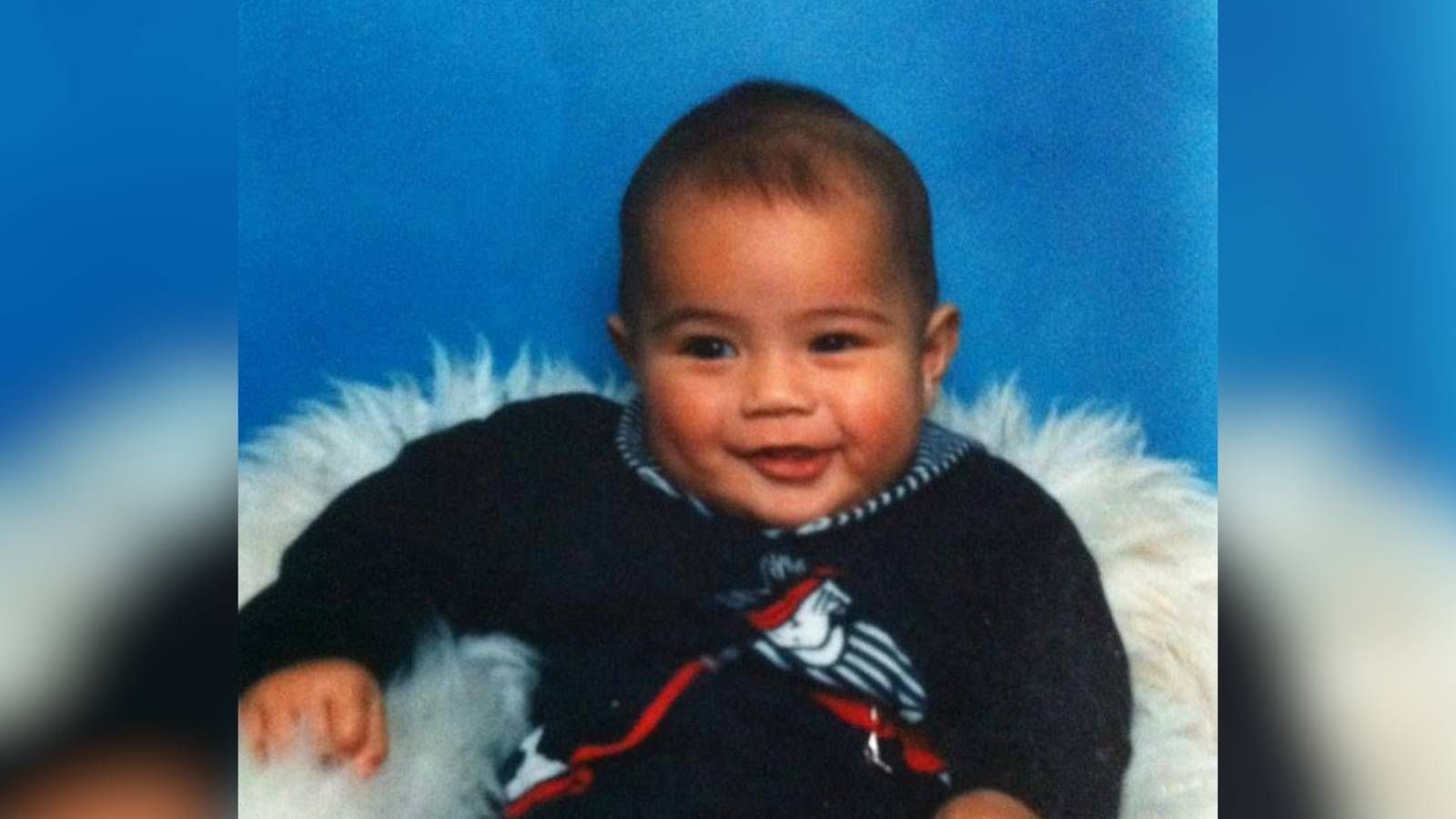
I grew up on Shifnal Drive in Manurewa. Photo/Supplied
Dad was often absent, either with his family, playing sports or at the casino. Mum and dad slept separately. I’d bunk with Mum, where she’d quietly cry sometimes while I hugged her.
This was my first four years of life. Then we moved to Ōtāhuhu. When I was six, mum and dad split up after he hit her.
The abuse wasn’t new but Mum had had enough. She and I hugged and cried. I watched, through blurry eyes, as she shoved clothes in a suitcase.
Dad fell apart when Mum left. Meanwhile, Mum moved on to another man. I hated visiting dad. He wasn’t really there.
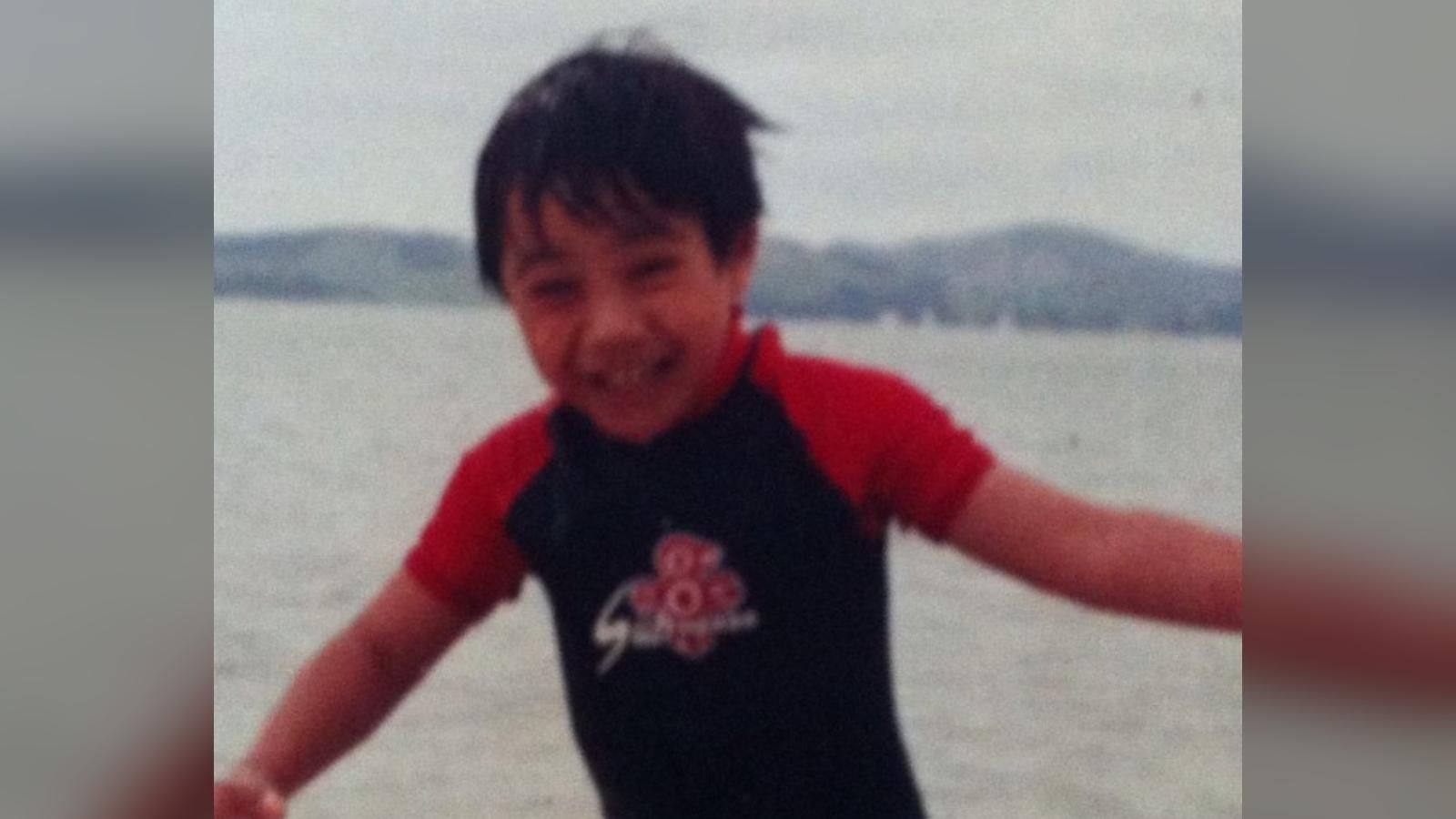
Me at the beach as a child. Photo/Supplied
My older brother, only 18, once lifted him off the floor. Dad joked about shooting mum’s new lover. When they got back together, I was overjoyed. I wanted things to go back to “normal”.
I learned that fear dictated I’d rather they be together and broken, than apart and healed. When I was 11, my sister Celestina was born. I was the first person she opened her eyes to.
I promised myself I’d be the father that I needed, for her. Our house in Ōtāhuhu was falling apart. Rats ran through the walls and ceiling. Part of the washhouse wall was gone.
Celestina’s first day. Photo/Supplied
When it rained, it looked like a waterfall. The winters were freezing and the summers were unbearably hot.
My baby sister got sick frequently. One morning Mum screamed while carrying Celestina to the kitchen floor. Celestina's mouth foamed as her chest convulsed.
Mum begged God not to take her while my older sister called an ambulance. I dropped to the floor in shock and tears. The paramedics took my baby sister away.
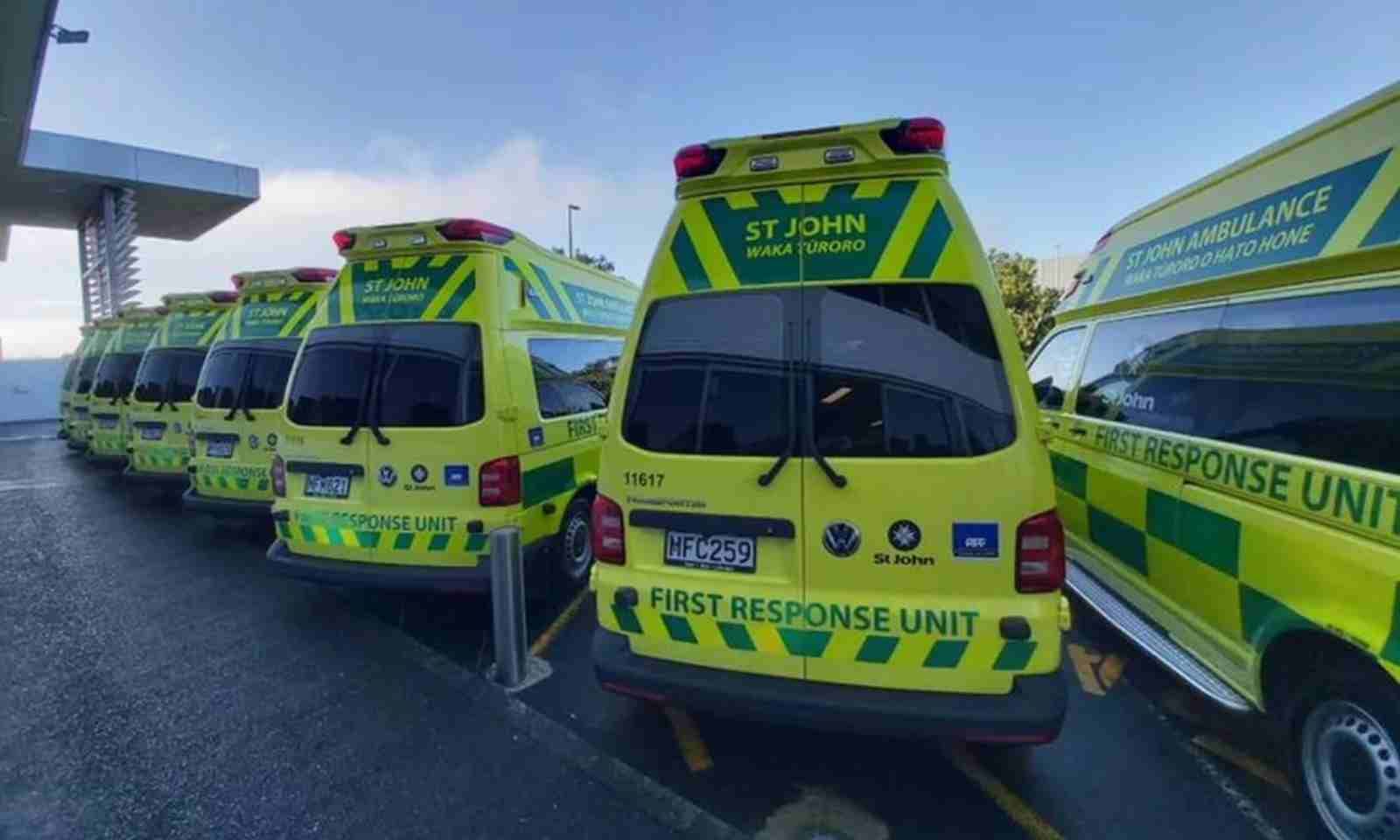
Mum begged God not to take Celestina away. Photo/St John
The next day, I wanted to visit Celestina but Dad told me to go to school. I was angry because I hadn’t seen her since that day. I understand why Dad ignored my emotional anguish.
When he lost his younger brother, he buried his feelings into work. I learned to fear grief and that your emotions are second to work or school.
Years later in 2023, things came to a head. Dad confronted me over a message I sent to the family group chat. I swore in my text about him dirtying my scuffs and not cleaning them. Our back-and-forth escalated until he screamed “I’ll f*cking kill you! You’re nothing!”.
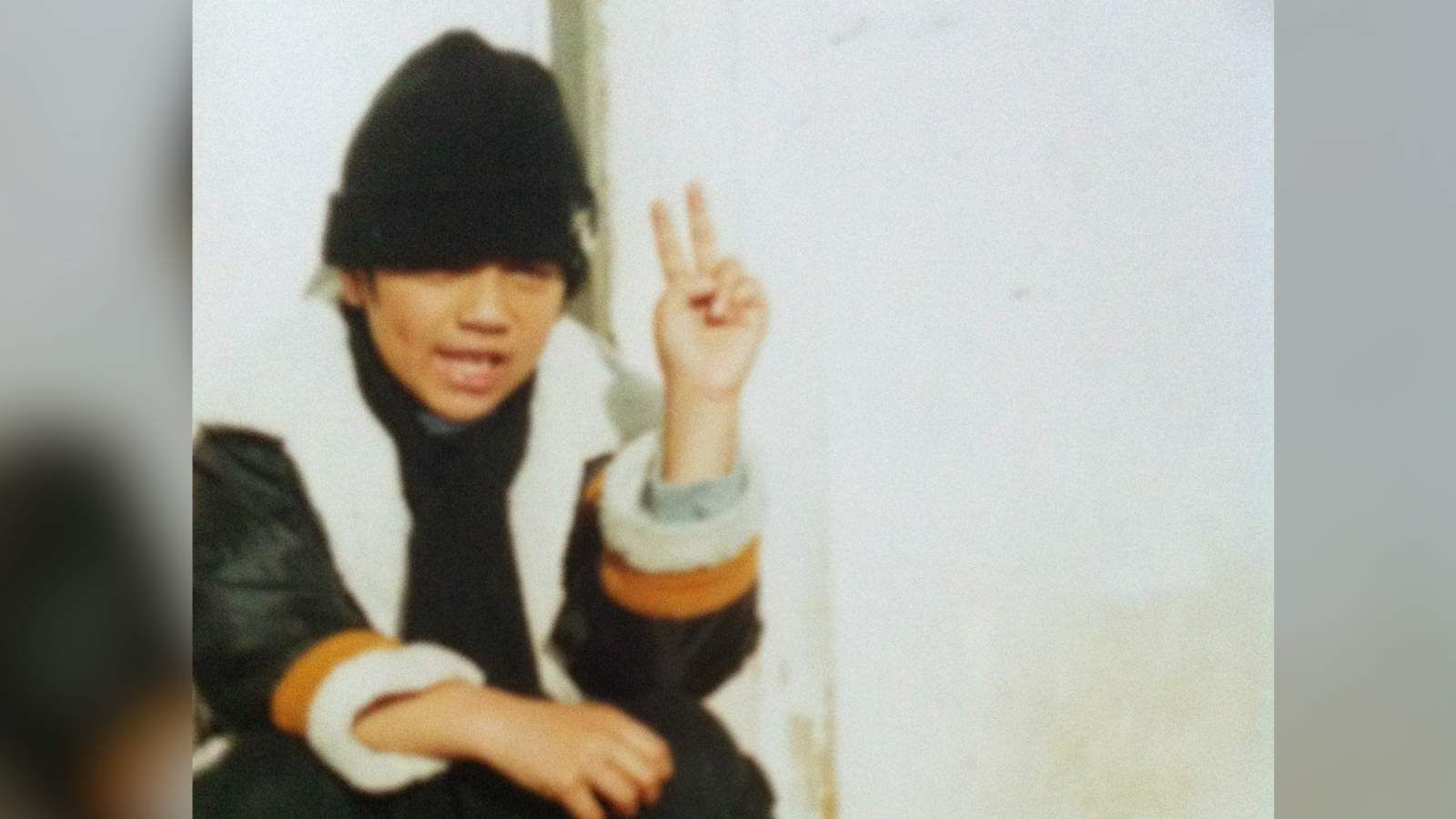
Me outside the back of our Ōtāhuhu home. Photo/Supplied
I yelled back that I’d go to someone, return with their gun and drop him. When he got closer, I got into a fighting stance. I had started combat sports at 15 so I would never feel like that frightened four-year-old again.
In that moment, I felt everything he had ever put me through. I wouldn’t hit first but if he did, I wouldn’t hold back. Mum and my older sister de-escalated the situation.
Something compelled me to tell him to properly grieve his mother, who he lost the year before. As he left the room, Dad shouted that I spoke nonsense. I left home and planned to never see him again.
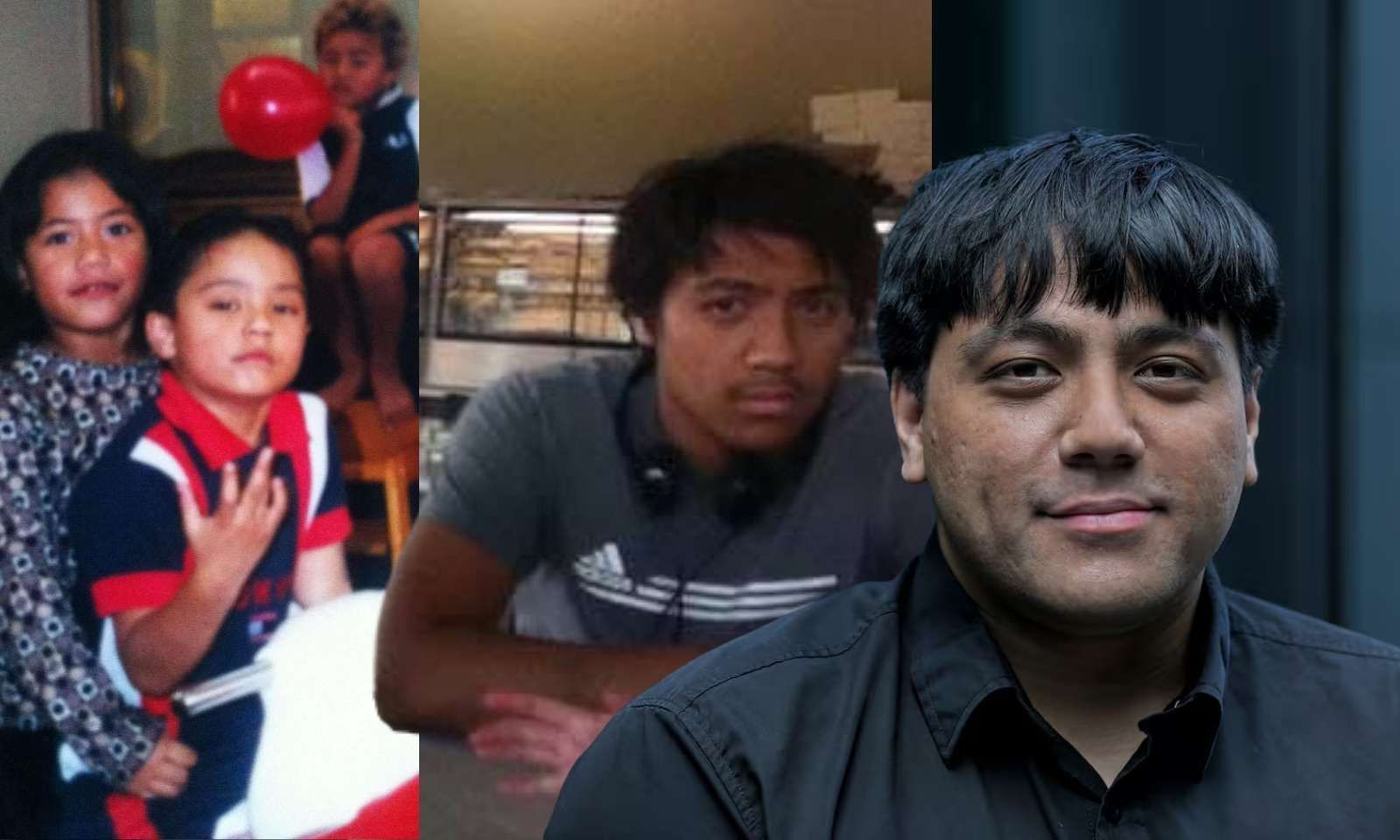
Aui’a age 5 (left), 16 (centre), 27 (right). Photo /Supplied/Alex Burton (right image)
One night, I dreamt that my then-partner and I had a baby. We introduced our child to Dad. That was my sign to forgive him. I returned and we let bygones be bygones. But the issues weren’t addressed properly.
This negligence manifested in 2025 when I stopped talking to Dad. During a family meeting, my siblings expressed that his behaviour was hurting the family.
Dad dismissed us, saying, “I ain’t got nothing to say”. I wasn’t hurt this time. I accepted his refusal to change and let him go. I realised I forgave him in 2023 because I feared my children wouldn’t know their grandfather.
If love moved me, I would’ve held him accountable back then like I am now. Deep down, I believe Dad is a hurt child who never healed. He grew up in poverty, harsh discipline, and emotional neglect.
Mum told me his father would demand food or money. If Dad hesitated, he was told to do it or be disowned. Last year, while unwell, Dad wept to my older brother about how he had to teach himself everything.
That history runs deeper. Granddad also chased the approval of his own father. I carry his name, Vaimaila, which means “the distance between the water”. Granddad’s father left for Upolu, abandoning him in Savai’i.
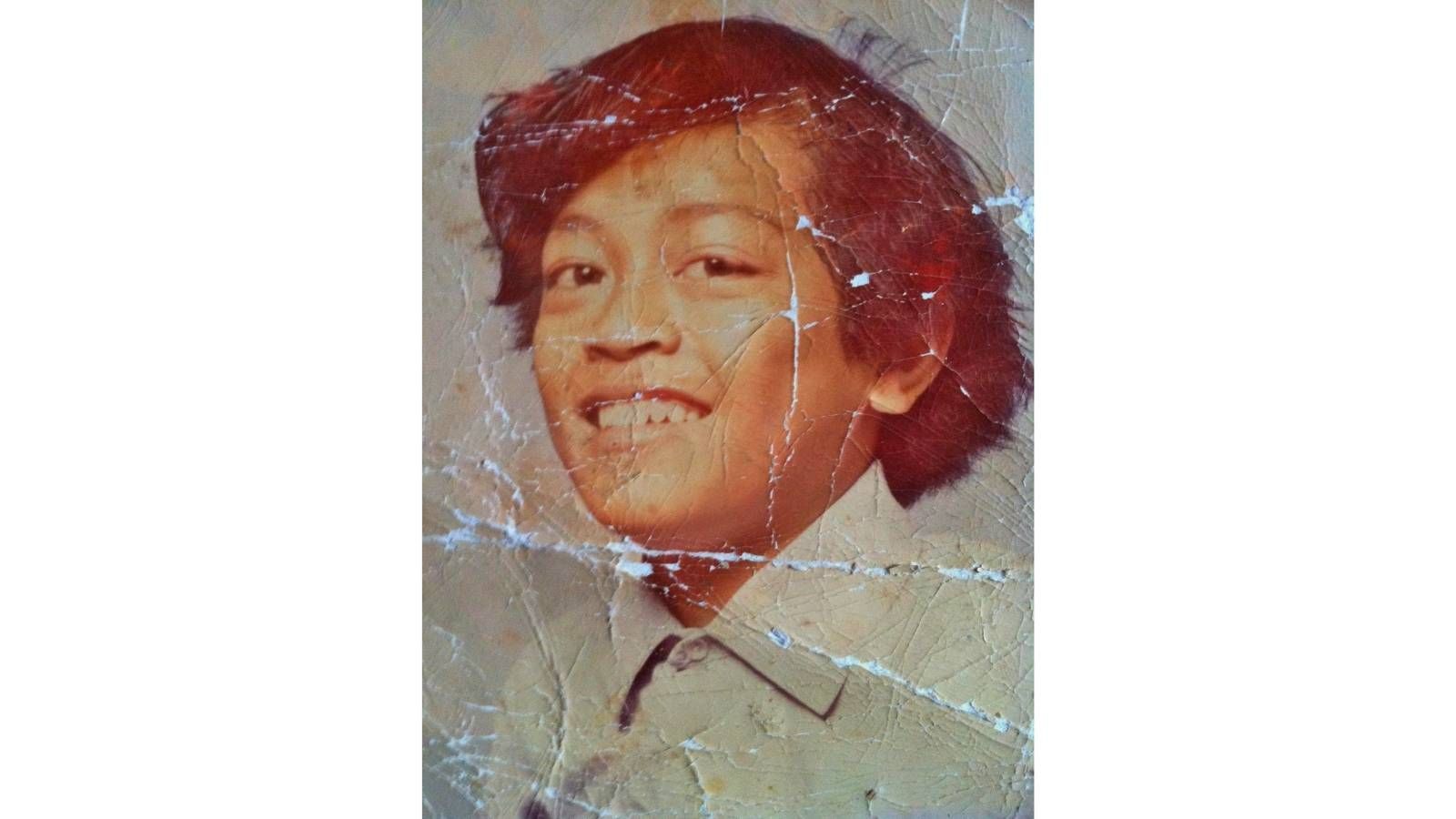
Dad as a child. Photo/Supplied
I don’t hate my father. I’m not writing this to judge him. Dad’s environment failed him, just as mine failed me.I’ve also repeated some of his behaviours myself.
But the past doesn’t excuse everything. Growth, although difficult, means bearing your cross. Fear has conditioned me and I’m trying to unlearn it.
We shouldn’t be afraid of making small mistakes around the people we love. We shouldn’t rely on fear to hold relationships together.
We shouldn’t fear our feelings. We shouldn’t fear holding loved ones accountable. And most of all, we shouldn’t be afraid to tell the truth.
Because even in all of this, there is still love beneath the pain.