
Tofiga Fepulea’i brings the laughs while taking top honours at Arts Pasifika Awards
Aui'a Vaimaila Leatinu'uFri, 23 Oct
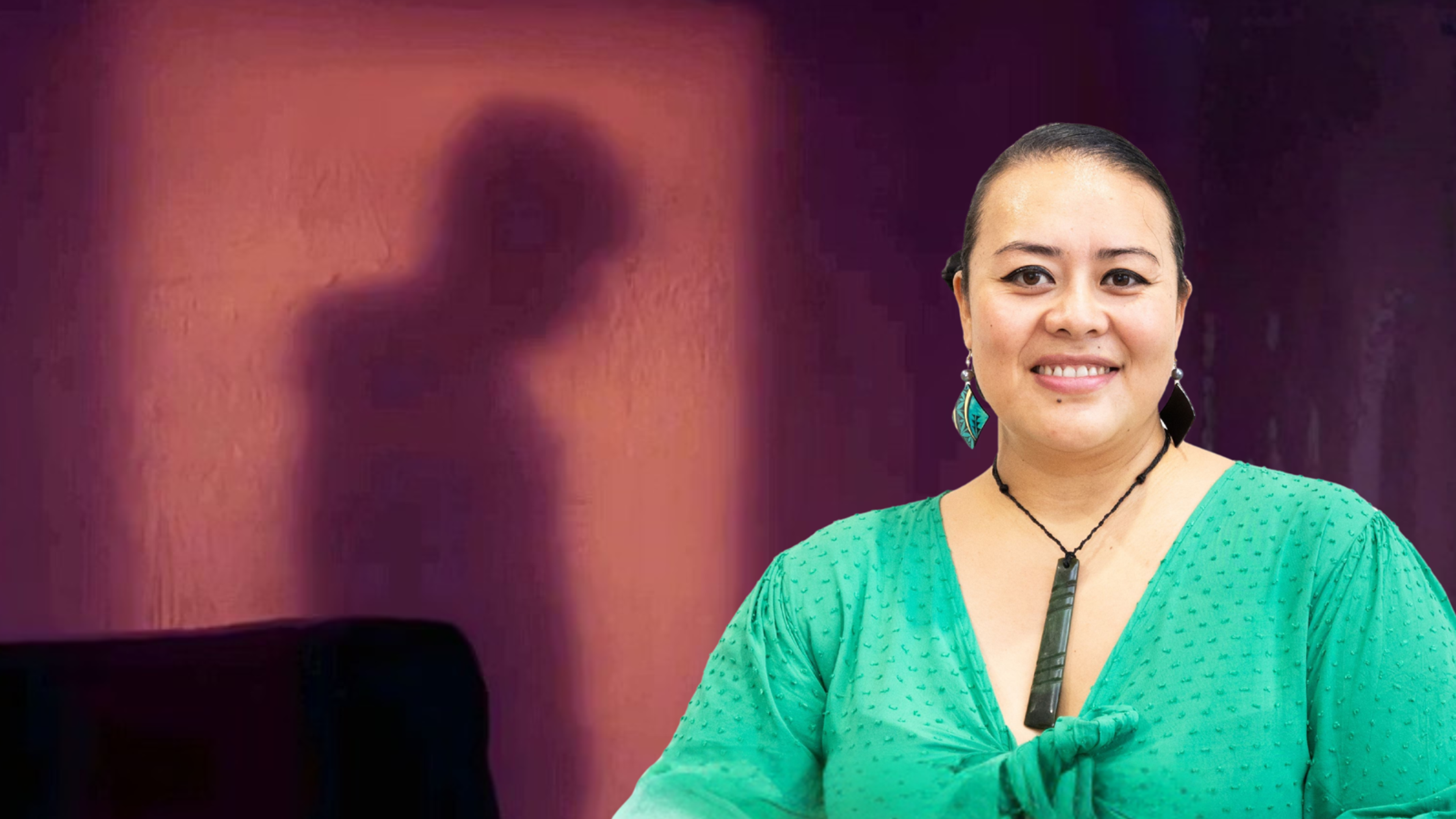
Family violence consultant Genevieve Sang-Yum says awareness is key for the new stalking law to be effective.
Photo/Supplied/File
A family violence advocate says our communities must learn to spot stalking behaviours that have become normalised.

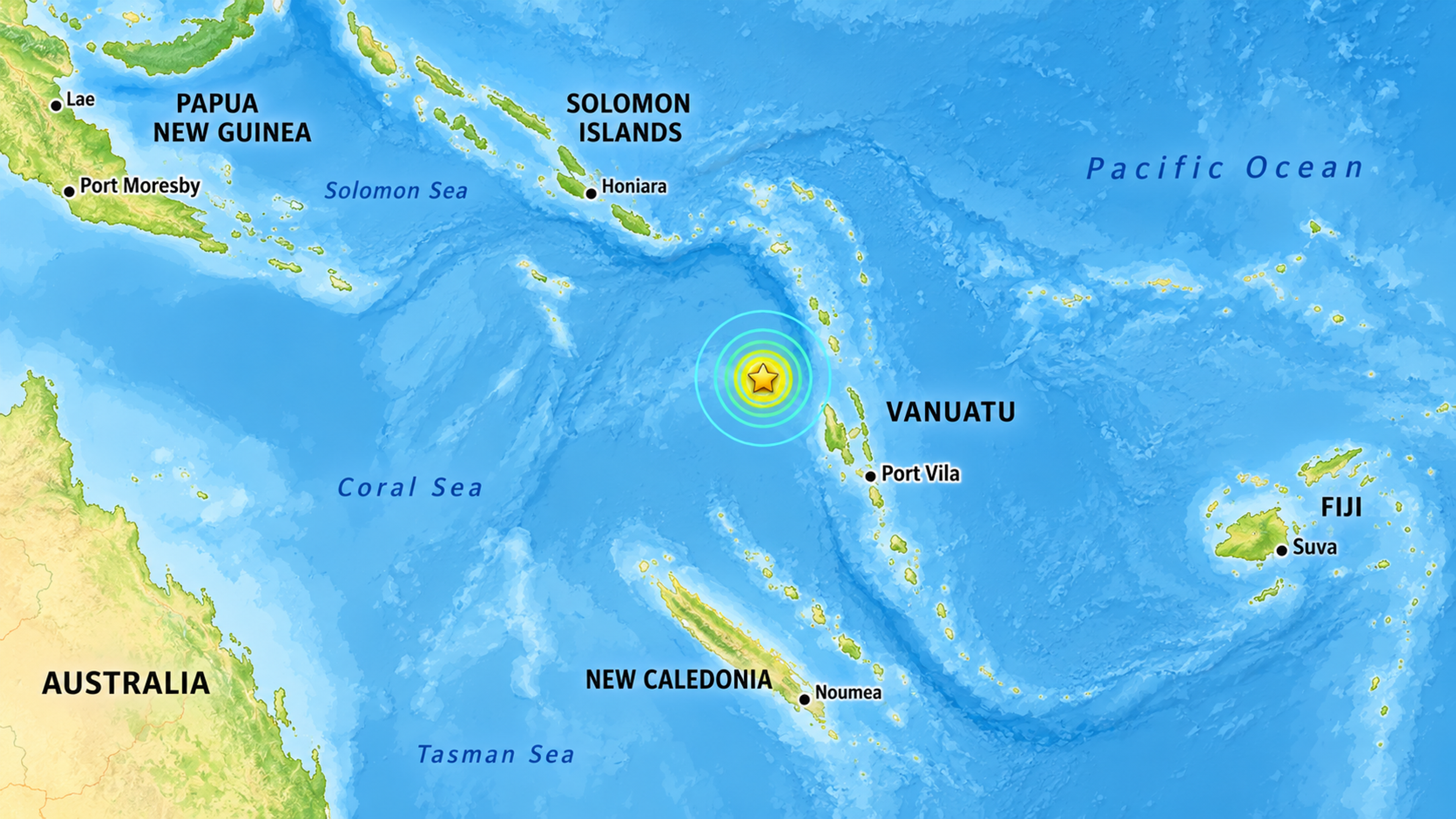


Pacific communities are being warned that harmful stalking behaviours can go unrecognised and normalised, as New Zealand's new anti-stalking law officially begins today (Tuesday).
Stalking became a criminal offence in Aotearoa and carries a maximum prison sentence of five years.
The new law targets people who follow or contact someone repeatedly, track them, damage their property, publish private information, or act in a way that causes fear or distress.
But a Pacific family violence advocate says the legal changes will only work if our people know how to identify the problem before it turns deadly.
Alofimua Genevieve Sang-Yum from Weave Family Solutions says many stalking acts are overlooked because they don’t look like what people expect.
“It's constant messaging, phone calls and love bombing,” she told PMN News. “The emotions an abuser presents, such as crying over the phone or getting family members to contact someone on their behalf, can be easily missed by victims.”

Stalking can include excessive messaging, or using other people to contact someone. Photo/File
She says some Pacific victims may struggle to identify what is happening to them, particularly because stalking often appears through a series of smaller acts that can cause psychological harm.
“A lot of stalking can happen on social media. It might be puncturing of a victim’s tyre, or when a victim walks into a room and notices things have been moved, yet no one is supposed to be in there.”
Under the new law, stalking is defined as a pattern of behaviour where an offender knows their actions would cause fear. The law also requires at least two incidents to happen within two years.

Stalking can be a series of behaviours that intend to intimidate a person. Photo/Unsplash
Alofimua says some behaviours become so embedded within family environments that victims no longer see them as harmful. She also raised concerns about support for Pacific people living with disabilities.
"Many of the clients that I've worked with have normalised the behaviour and would assume that that's just the way that things work, that's the culture in their home,” she says.
"We have a large number of disabled victims who are experiencing family violence and stalking is one of the common behaviours that we pick up and identify from our clients."
The push for stronger stalking laws gained attention after 21-year-old law student Farzana Yaqubi was murdered in 2022, after years of reported harassment and stalking raised questions about whether warning signs were recognised early enough.
Casey Costello, Associate Police Minister, welcomes the new law and says it will help bring justice for victims of stalking.
"It really is malicious,” she told Pacific Mornings. "It's really hard to explain, unless you've been through it, how traumatising it is. It’s extended the scope of what would be classified as stalking, and the interventions are a lot stronger."
Watch Casey Costello's full interview below.
Paul Goldsmith, Justice Minister, says the law sends a "very clear message" that stalking behaviour will no longer go unchecked.
"Stalking and harassment are vicious, sinister and can be deadly," he says in a statement.
Under the legislation, stalking is defined as a pattern of behaviour where an offender knows their actions were likely to cause fear or distress. The law requires two specified acts to occur within two years.
Alofimua says the next challenge is ensuring communities know where and how to seek help.
“There needs to be more community engagement. We need agencies out there, and maybe workshops to support our community so that they understand."
Advocates say that while the new five-year prison penalty is a strong tool, the real safety comes from Pacific families being able to name the behaviour and feeling safe enough to ask for help.