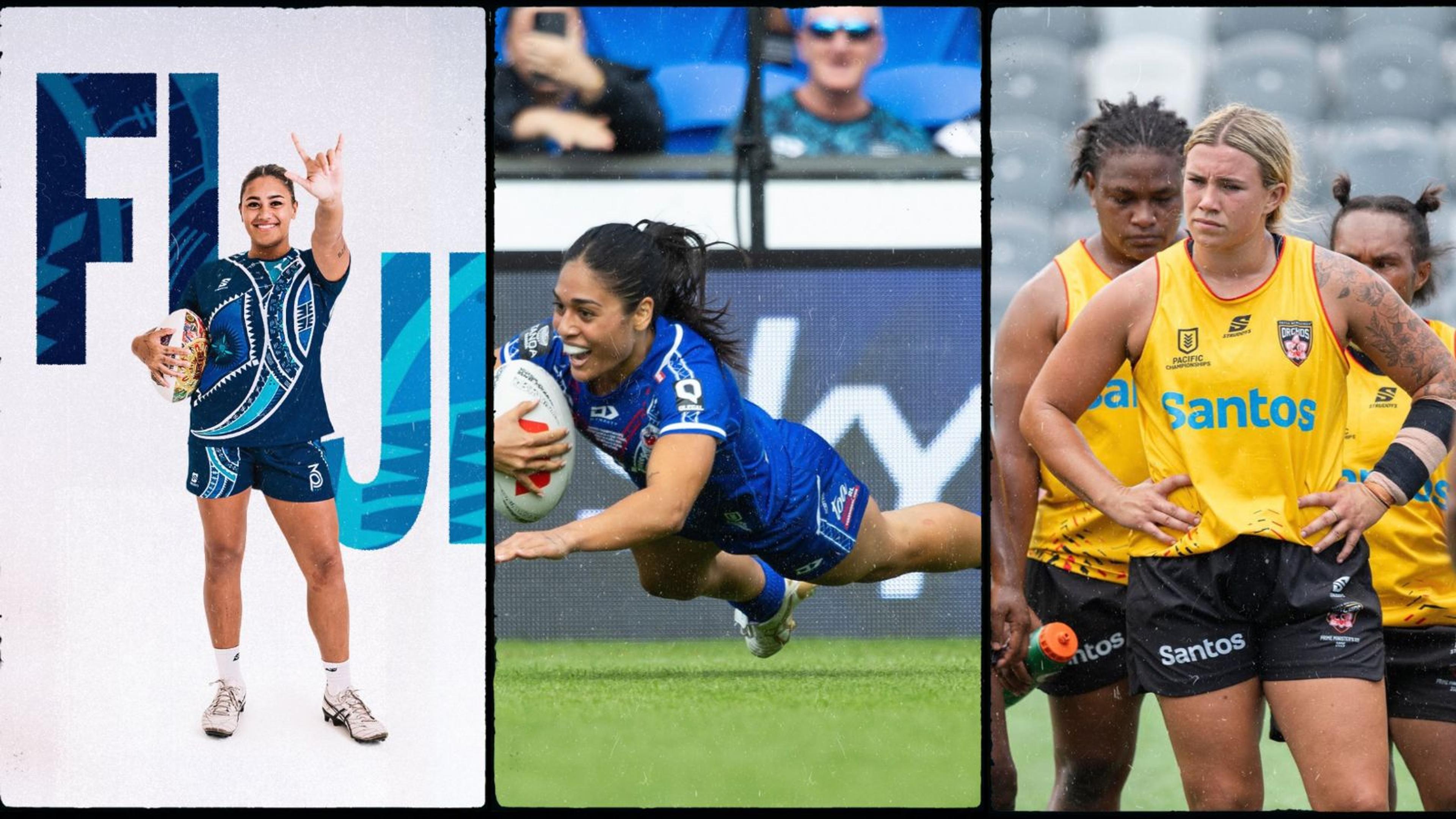
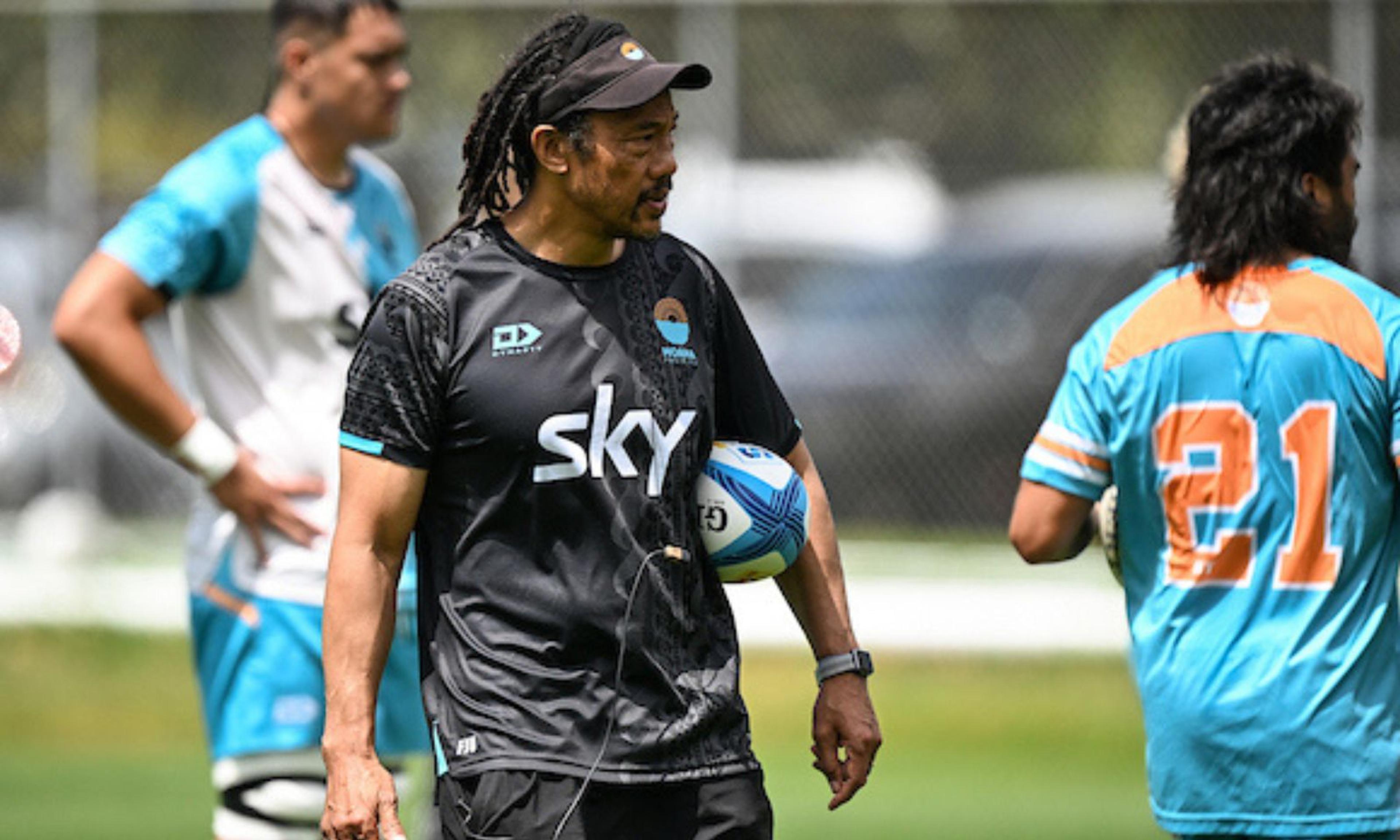
Tana Umaga: All Black legend and Pasifika trailblazer, now shaping the next generation as a coach.
Photo/Photosport/Andrew Cornaga/
Opinion
Tana Umaga isn’t a ‘token hire’, he’s a leader the All Blacks need, say experts
Critics call him a ‘culture hire’, but culture in sport is about leadership, relationships, and identity.
Phillip Borell, Hoani Smith, and Lefaoali’i Dion Enari
Published
24 March 2026, 1:03pm
Share
Copy Link
Top stories
'Don't count yourself out': Porirua by-election candidate’s push for voter participation
Taelegalolo'u Mary AfemataFri, 09 Oct
Top stories
'Don't count yourself out': Porirua by-election candidate’s push for voter participation
Taelegalolo'u Mary AfemataFri, 09 Oct
When Fa’alogo Tana Umaga was named as a possible All Blacks’ defence coach, some voices rushed to dismiss him as inexperienced or a ‘culture hire’.
As Māori and Pacific academics and sport practitioners, we challenge that myth and the narrow thinking behind it.
Umaga is now confirmed as an assistant coach but recently, media reports linking him with the All Blacks coaching staff sent the comments sections and independent podcasts into a tailspin.
The common thread appears to be a misunderstanding of the importance of culture in high-performance sports.
Culture, in a sporting sense, cannot be simplified to ethnicity or heritage. Any champion knows that culture, while inclusive of ethnicity and heritage, also needs to consider environment, relationships, leadership and a broader sense of identity that exists well beyond the colour line.
To have the technical expertise and not understand the importance of the above-mentioned is to not harness the potential strengths that these players bring to the team (yes, remember it’s a team sport).
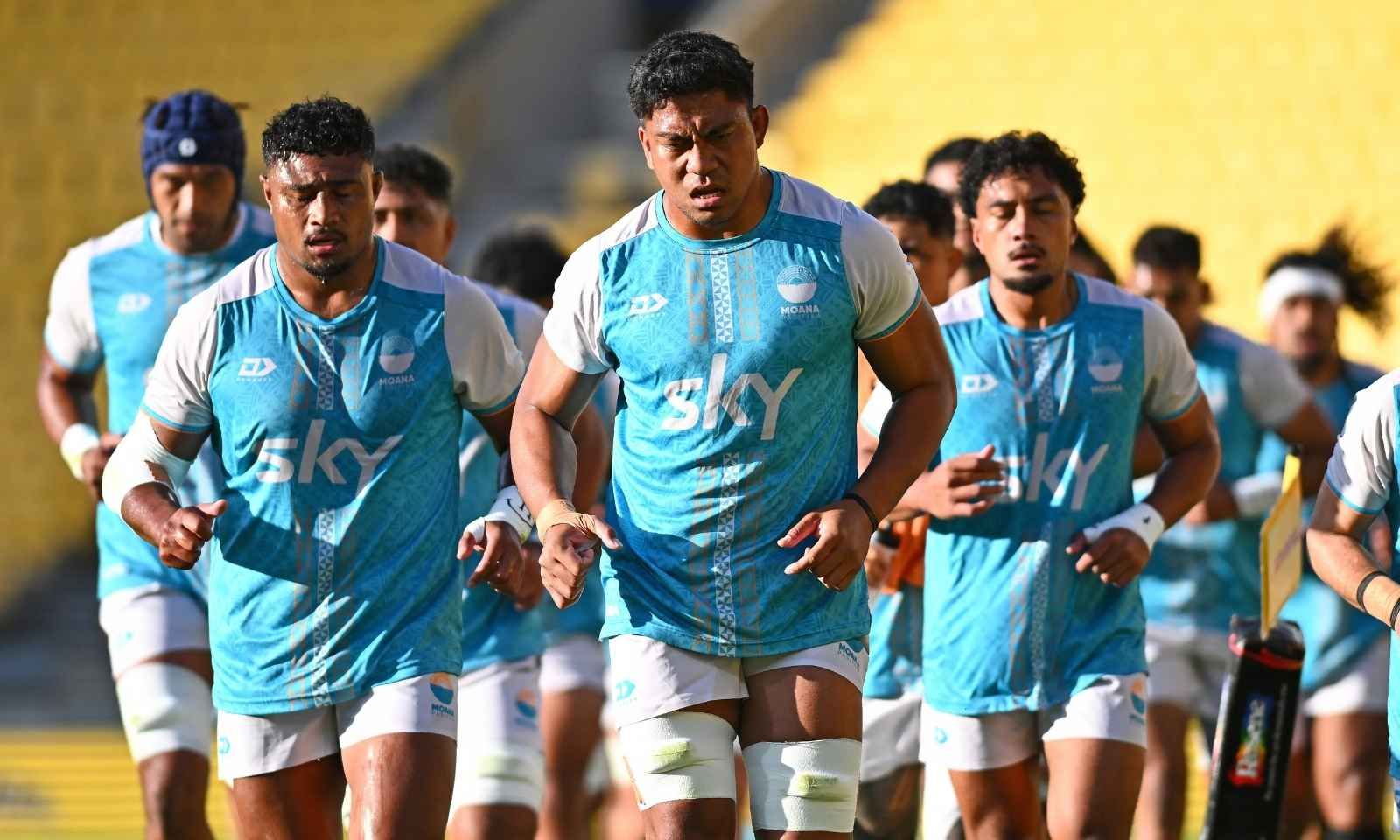
Moana Pasifika: The team Tana Umaga currently leads, reflecting Pacific pride, culture, and elite performance. Photo/Photosport/Kerry Marshall
A winning culture is not defined by skin colour or token acknowledgements of heritage, but by how people connect, perform, and grow together.
So, why is there such a fuss about culture coaches? Are the critics even sure they know What is one?
Should Tana Umaga be appointed as a member of the coaching staff, will he be assessed on his merits? Or, is he simply a brown man filling the role of culture coach?
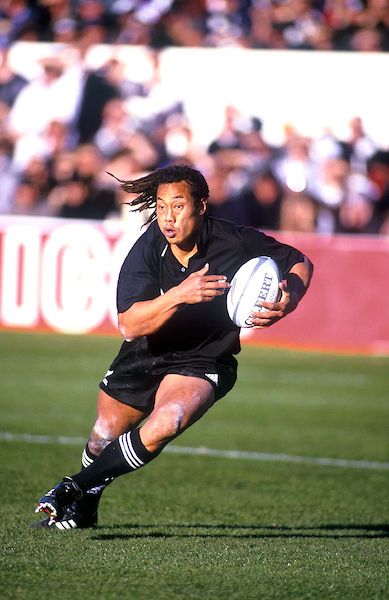
Tana Umaga in action for the All Blacks, where he became the first Pasifika captain and one of the team’s top try scorers. Photo/Photosport
A quick assessment of his credentials:
• First Pasifika man to captain the All Blacks. He would go on to captain them 21 times (winning 18 of those).
• One of the top try scorers in All Black history with 37 in 74 tests. He understands elite performance and what sustained success requires from being a part of one of the most dominant All Blacks legacies.
• As a coach, he has led RC Toulon in France, won the Ranfurly Shield with Counties Manukau, coached the Auckland Blues (2016-2018, albeit a mixed bag) and currently leads Moana Pasifika from 2024 until present.
Tana Umaga is an All Black legend, and those who oversimplify him as a ‘culture coach’ ignore the depth of his experience and leadership.
If his CV doesn’t qualify him, where might a culture coach fit into the All Blacks dynamic?. It is no secret that leading sports psychologist, Gilbert Enoka, has a profound impact on the team. Over more than 15 years, Gilbert's ability to build a team devoid of ego while maintaining a mental edge has been central to the All Blacks' success. One of the most relevant factors of his approach (feel free to read his amazing book ‘Become Unstoppable’) was culture.
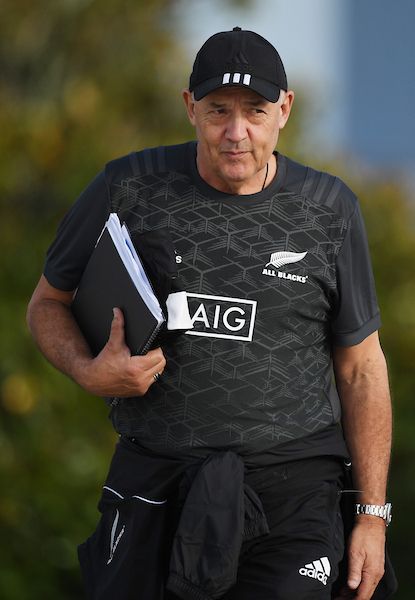
Gilbert Enoka: Sports psychologist whose focus on team culture has been central to the All Blacks’ sustained success. Photo/Photosport/Andrew Cornaga
Team culture thrives on recognition of its diversity. Every player who earns the right to wear ‘The Black Jersey’ brings their own identity and lived experience. Why should that not also apply to the coaching staff?
So the next time armchair critics question coach selection, consider the full scope of a person’s expertise, rather than resorting to simplistic and ill-informed labels such as ‘token hire’ or ‘culture coach’.
When Gilbert Enoka first entered the high-performance sport world, sport psychology was not widely recognised or valued. In 2026, it is foundational. The question is not why the All Blacks should consider culture, but why they wouldn’t seek coaches who understand the environment, reflect the cultural realities of their players, and can actively build and sustain a winning culture?
Ultimately, this debate says less about coaching appointments and more about the lens through which we judge who is ‘worthy’ of leadership.
Dr Phillip Borell is a senior lecturer in Māori and Indigenous Studies and Sport at the University of Canterbury and the current chairman of Canterbury Rugby League. Dr Hoani Smith is a lecturer in Sport Management and Sport and Exercise Science at Lincoln University, with research connecting Indigenous knowledge and applied sport science. Associate Professor Dion Enari is an academic at Ngā Wai a Te Tūī, Unitec, and a recent recipient of the 2024 Sunpix Pacific Educator Award and 2025 Le Moana Mua Aotearoa Tertiary Educator Award.
The views expressed are the authors’ own and do not necessarily reflect those of PMN.